Free Gwo Ka Music Generator Powered by AI
Turn text into high-quality Gwo Ka music effortlessly – no login required!

music.toolTips
Noel sous les alizées
Cette chanson peint un Noël guadeloupéen chaleureux, rythmé par le gwo ka, les tambours et les chants collectifs. Elle célèbre la famille, l’hospitalité, la mémoire, la solidarité et une magie insulaire nourrie de soleil, de partage et d’espoir.
02:52
4 days ago
Noel sous les alizées
Ce rap de Noël guadeloupéen peint une fête familiale et solaire, de Grande-Terre à Basse-Terre. Entre gwo ka, tambours, chants, repas et souvenirs, la chanson célèbre le partage, les liens à distance, la paix et une magie de Noël sans neige, mais pleine d’amour.
02:53
4 days ago
Relevé Yo
'Relevé Yo' sé yon chanté Gwo Ka Gospel ki ka pale di lespwa, lafwa ak solidarite. Épi bèl mizik tanbou ka, ògàn ak vwa sanble, chanté-la ka mande pou nou ba moun ki ka soufri fòs ak lanmou pou lévé tèt yo anba gras Bondye.
03:54
21 days ago
moi pa ka trouvé mot
Chanson lasa ka rakonte istwa yon moun ki pèd lanmou 'y, Sandi, ki pati lwen san yon mo. Melanje ant zouk, kompa é gwo ka, li ka eksprimé gwo doulè, lannuit san sonmey é yon tchè ki ka chèche espwa pou viré jwenn li.
02:38
2026-09-29

Ti Pozé
Ti Pozé raconte une pause nécessaire pour reprendre souffle sans abandonner. Entre français intime et créole guadeloupéen, le morceau transforme la fatigue, la solidarité et l’amour en une prière dansante, portée par un groove zouk afro-pop chaleureux, des harmonies gospel et une voix féminine expressive.
03:13
2026-09-10
Ti Pozé
Ti Pozé célèbre la force de ralentir sans abandonner. Dans une atmosphère zouk afro-pop teintée de gospel, deux êtres se soutiennent après l’épreuve, retrouvent leur souffle et avancent ensemble, guidés par la tendresse, la résilience et une énergie créole lumineuse.
03:17
2026-09-10
Ti Pozé
Ti Pozé célèbre la force de ralentir sans abandonner. Entre français et créole antillais, le morceau transforme la fatigue, l’amour et la résilience en une prière dansante, soutenue par un groove zouk afro-pop chaleureux, des harmonies gospel et une énergie intime mais lumineuse.
03:33
2026-09-10
Anba Lanmè
Anba Lanmè sé on imn fèt ki ka mété bouyon é shatta anndan kò. Avèk bass ki ka tranblé, perkusyon gwo ka é chant an répons, mizik-la ka rasanblé tout moun pou dansé jiska jou lévé.
03:17
2026-08-16
Mendé osiwo Léwòz) pou ba’y ti kadans-la.
Chant-la ka denonsé lavi modèn-la ki ka kouri two vit épi ka fè nou pèd dousè, lanmou épi lyannaj. I ka mandé nou wouvè zyé épi kè, lévé kò, chanté ansanm, épi sèvi tanbou-la pou chanjé monn-la.
02:49
2026-08-10
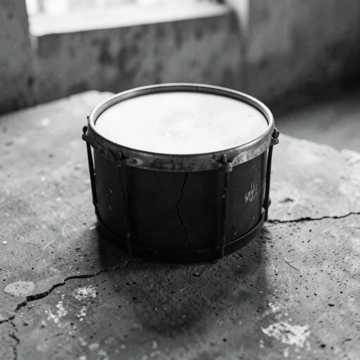
Mendé osiwo Léwòz) pou ba’y ti kadans-la.
Chant-la ka dénoncé lavi-la ki ka kouri twò vit, telefòn ki ka séparé moun é pèd ti dousè a lavi. Avèk tanbou é kadans Léwòz, i ka ankourajé nou wouvè jé, wouvè kè, chanté ansanm é chanjé monn-la.
02:48
2026-08-10
Gwo Ka Music: Definition, History, and Cultural Significance
Gwo Ka is a traditional music and dance genre originating from Guadeloupe in the French Caribbean. The term 'Gwo Ka' literally means 'big drum,' referring to the large hand-played ka drum that forms the foundation of the music. Developed during the 17th and 18th centuries by enslaved Africans, Gwo Ka preserved African rhythmic traditions while incorporating local Caribbean cultural influences. Originally performed during communal gatherings, agricultural work, celebrations, and acts of resistance, Gwo Ka became an important symbol of identity, resilience, and cultural heritage. The music is characterized by complex polyrhythms, call-and-response singing, improvisation, expressive dancing, and deep interaction between drummers, singers, dancers, and audiences. Throughout the 20th century, Gwo Ka experienced a cultural revival as musicians and scholars worked to preserve its traditions while introducing modern interpretations. Today, Gwo Ka music is recognized internationally as a vital element of Guadeloupean culture and was inscribed on UNESCO's Representative List of the Intangible Cultural Heritage of Humanity in 2014Gwo Ka Music Overview. Modern Gwo Ka continues to evolve through collaborations with jazz, world music, Afro-Caribbean fusion, and contemporary experimental genres while maintaining its distinctive rhythmic identity.
Major Gwo Ka Styles, Sub-tags, and Classifications
Traditional Gwo Ka
Traditional Gwo Ka emphasizes authentic drumming patterns, call-and-response vocals, traditional Creole lyrics, and participatory dance. Performances often occur during community festivals, cultural ceremonies, and educational events where historical performance practices are preserved.
Modern Gwo Ka
Modern Gwo Ka incorporates contemporary instruments such as bass, keyboards, saxophone, and guitar while preserving the essential ka drum rhythms. This style appeals to broader audiences and frequently appears in concert performances and international music festivals.
Jazz Gwo Ka
Jazz Gwo Ka blends traditional Guadeloupean rhythms with jazz improvisation, sophisticated harmonies, and extended instrumental solos. This fusion highlights the rhythmic flexibility of Gwo Ka while expanding its musical vocabulary for global audiences.
Afro-Caribbean Fusion Gwo Ka
This classification combines Gwo Ka with reggae, salsa, Afrobeat, zouk, calypso, and other Caribbean and African genres. The result is a diverse and energetic sound that maintains traditional rhythmic foundations while embracing cross-cultural innovation.
Léwòz Performance
Léwòz refers to one of the most important traditional Gwo Ka gatherings where musicians, dancers, and audiences interact through improvisation and communal participation. It represents both a musical format and an important cultural institution.
Seven Traditional Gwo Ka Rhythms
Classical Gwo Ka is traditionally organized around seven principal rhythmic styles: Toumblak, Kaladja, Léwòz, Padjanbèl, Woulé, Menndé, and Graj. Each rhythm carries unique tempos, dance movements, emotional expressions, and historical functions within Guadeloupean society.
Influential Gwo Ka Artists and Classic Works
Gérard Lockel
Gérard Lockel was a pioneering guitarist, composer, and music theorist who modernized Gwo Ka through his concept of 'Gwoka Modèn.' His innovative arrangements connected traditional Guadeloupean rhythms with jazz and contemporary composition, influencing generations of Caribbean musicians.
Jou Ouvé
Frequently associated with traditional Gwo Ka celebrations, 'Jou Ouvé' highlights energetic percussion, collective singing, and improvisational performance. The work captures the festive and communal atmosphere that defines authentic Gwo Ka music.
Guy Konket
Guy Konket dedicated his career to preserving authentic Gwo Ka traditions through performances, recordings, and cultural education. His work helped document the oral traditions of Guadeloupe while introducing Gwo Ka music to international audiences.
Gwoka Modèn
Representing Gérard Lockel's modern interpretation of Gwo Ka, this body of work demonstrates how traditional ka rhythms can coexist with sophisticated jazz harmony and contemporary musical structures while preserving cultural authenticity.
Carnot Zetwal
Carnot Zetwal is celebrated for his mastery of traditional ka drumming and his role in preserving ancestral rhythmic techniques. His performances emphasize the communal spirit and improvisational essence of Gwo Ka.
Traditional Léwòz Performances
Live Léwòz performances remain among the most significant examples of Gwo Ka music. These performances emphasize spontaneous interaction between drummers, dancers, vocalists, and audiences, illustrating the genre's improvisational nature and deep community roots.
Kan'nida
Kan'nida is known for combining traditional Gwo Ka with contemporary musical influences while remaining deeply rooted in Guadeloupean cultural heritage. Their recordings have helped introduce younger audiences to the genre.
Padjanbèl Rhythm Performances
Works centered on the Padjanbèl rhythm demonstrate the expressive diversity of Gwo Ka through measured tempos, intricate percussion techniques, and graceful dance movements that reflect agricultural and historical traditions.
Akiyo
Akiyo is a cultural group that integrates Gwo Ka rhythms into carnival traditions, political expression, and community activism. Their energetic performances have expanded the visibility and social significance of Gwo Ka music.
Application Scenarios for Gwo Ka Music
Gwo Ka music enhances historical dramas, documentaries, and cultural films by providing authentic Caribbean atmosphere, emotional depth, and rhythmic intensity that reflect Guadeloupean heritage.
Film Soundtracks
Documentaries exploring Caribbean history, African diaspora culture, and traditional music frequently feature Gwo Ka music to reinforce historical authenticity and cultural identity.
Television and Documentary Production
Gwo Ka is widely performed at cultural festivals, heritage celebrations, museums, educational workshops, and international world music events where audiences experience traditional drumming and dance firsthand.
Festival and Cultural Events
Tourism boards and travel campaigns use Gwo Ka music to highlight Guadeloupe's unique cultural identity, creating memorable promotional content that evokes authenticity, celebration, and Caribbean heritage.
Advertising and Tourism Campaigns
Game developers can incorporate Gwo Ka music into exploration games, historical adventures, or Caribbean-themed environments to create immersive soundscapes rooted in authentic regional traditions.
Video Games
Contemporary dance companies and theatrical productions use Gwo Ka rhythms to support choreography focused on cultural storytelling, movement improvisation, and Afro-Caribbean artistic expression.
Dance Performances and Theater
Schools, universities, and percussion workshops use Gwo Ka music to teach polyrhythms, improvisation, Afro-Caribbean musical traditions, and the cultural history of Guadeloupe.
Music Education
Modern musicians incorporate Gwo Ka music into jazz ensembles, world music projects, and multicultural collaborations, showcasing its rhythmic complexity while introducing the tradition to global audiences.
World Music and Jazz Collaborations