Free Hall Reverb Music Generator Powered by AI
Turn text into high-quality Hall Reverb music effortlessly – no login required!
music.toolTips
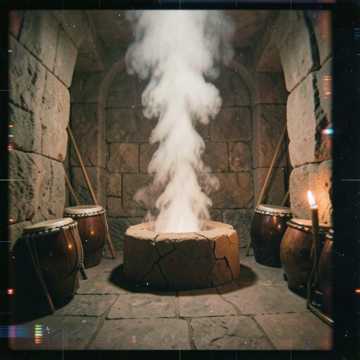
Frenzy Ember Hall
An instrumental dark-fantasy symphony portraying a slow descent from gathering dread to uncontrollable frenzy. Acoustic strings, brass, woodwinds, and timpani create a solemn, cataclysmic ascent before the music collapses into cold, silent ashes.
03:27
4 days ago
Hall Reverb: Definition, History, and Evolution of the Hall Reverb Sound
Hall Reverb Sub-tags and Classifications in Modern Music Production
Large Concert Hall Reverb
Large Concert Hall Reverb emulates the acoustics of prestigious symphony halls and performance venues. Characterized by long decay times, smooth reflections, and rich spatial depth, this Hall Reverb subtype is commonly used in orchestral recordings, film scores, and classical music productions.
Cathedral Hall Reverb
Cathedral Hall Reverb recreates the immense reverberation found in churches and cathedrals. It features exceptionally long tails, dramatic echoes, and ethereal ambience. This Hall Reverb classification is frequently used in sacred music, cinematic compositions, ambient recordings, and atmospheric sound design.
Medium Hall Reverb
Medium Hall Reverb balances spaciousness with clarity. It provides a realistic sense of depth without overwhelming the source signal. Producers often apply this Hall Reverb style to vocals, acoustic instruments, and pop arrangements where natural ambience is desired.
Warm Hall Reverb
Warm Hall Reverb emphasizes lower and mid-range frequencies while softening high-frequency reflections. This subtype creates a rich and inviting sound that complements vocals, piano performances, jazz ensembles, and emotional ballads.
Bright Hall Reverb
Bright Hall Reverb enhances upper frequencies and reflection clarity, creating a sparkling and open sound. It is commonly used in contemporary pop, electronic music, and modern worship productions where presence and airiness are important.
Digital Hall Reverb
Digital Hall Reverb refers to algorithmically generated hall simulations developed through digital signal processing. This Hall Reverb category offers extensive customization options, including decay length, diffusion, damping, and modulation parameters, making it highly versatile for modern music production.
Convolution Hall Reverb
Convolution Hall Reverb uses impulse responses captured from real-world concert halls and performance spaces. This approach delivers highly realistic acoustic environments and is favored by professional composers, mixing engineers, and film score producers.
Ambient Hall Reverb
Ambient Hall Reverb extends decay times and emphasizes atmospheric textures. Often used in ambient, post-rock, drone, and cinematic genres, this Hall Reverb subtype transforms sounds into immersive sonic landscapes.
Famous Artists and Classic Works Associated with Hall Reverb
Brian Eno
Brian Eno pioneered ambient music production techniques that heavily utilized Hall Reverb to create expansive and immersive sound environments. His work demonstrated how Hall Reverb could become a compositional element rather than merely a mixing effect.
An Ending (Ascent) – Brian Eno
This ambient masterpiece utilizes Hall Reverb to create a vast and weightless sonic environment. The reverb tail blends seamlessly with synthesizer textures, producing a sense of infinite space that became influential in ambient music production.
Vangelis
Vangelis incorporated Hall Reverb into his synthesizer-based compositions, crafting cinematic atmospheres that influenced generations of soundtrack composers. His productions showcased the emotional and spatial potential of Hall Reverb.
Blade Runner Soundtrack – Vangelis
The soundtrack features extensive Hall Reverb treatment on synthesizers and atmospheric elements. The resulting spatial depth contributes significantly to the futuristic and emotional character of the score.
Hans Zimmer
Hans Zimmer frequently employs Hall Reverb in orchestral and hybrid film scores to enhance scale, depth, and dramatic impact. His use of Hall Reverb has become a hallmark of modern cinematic sound design.
Only Time – Enya
Hall Reverb plays a central role in the song's signature sound. Multiple vocal layers are enhanced through spacious reverberation, creating an enveloping atmosphere that supports the song's emotional resonance.
Moby
Moby integrated Hall Reverb into electronic and ambient productions, creating emotional textures and spacious mixes that helped define late-1990s electronic music aesthetics.
Time – Hans Zimmer
This cinematic composition employs Hall Reverb to increase orchestral scale and emotional intensity. The gradual expansion of reverberant space mirrors the piece's dynamic progression and dramatic narrative.
Enya
Enya's layered vocal arrangements rely extensively on Hall Reverb to create lush, ethereal soundscapes. Her recordings demonstrate the ability of Hall Reverb to generate a dreamlike and immersive listening experience.
Lux Aurumque – Eric Whitacre
Hall Reverb enhances the natural beauty of the choir by emphasizing harmonic overtones and spatial depth. The effect helps create an immersive listening experience while preserving vocal clarity.
Eric Whitacre
Composer Eric Whitacre's choral works often benefit from Hall Reverb environments that enhance harmonic complexity and spatial realism, highlighting the effect's importance in contemporary choral music.
Porcelain – Moby
The track combines electronic elements with atmospheric Hall Reverb processing to achieve a spacious and emotionally reflective sound. The reverb contributes significantly to the song's enduring appeal.
Hall Reverb Application Scenarios Across Music, Media, and Sound Design
Hall Reverb is extensively used in film scores to create emotional depth, dramatic scale, and cinematic immersion. Orchestral instruments benefit from realistic concert hall acoustics that enhance storytelling and audience engagement.
Film Soundtracks
Game composers use Hall Reverb to establish environmental atmosphere and spatial realism. Fantasy worlds, epic battles, and exploration sequences often rely on Hall Reverb to create immersive sonic environments.
Video Game Background Music
Hall Reverb recreates the natural acoustics of prestigious performance venues, adding authenticity and depth to orchestral recordings, chamber ensembles, and solo instrumental performances.
Classical and Orchestral Recordings
Modern producers apply Hall Reverb to vocals to increase richness, depth, and emotional presence. Carefully controlled Hall Reverb can make vocal performances sound larger and more expressive without sacrificing intelligibility.
Pop Vocal Production
Hall Reverb is a foundational element in ambient, relaxation, and meditation music. Long decay times and spacious reflections help create calming and immersive listening experiences.
Ambient and Meditation Music
Advertisers use Hall Reverb to give music a premium, emotional, and memorable quality. The effect can elevate brand perception by adding sophistication and spatial richness to audio branding.
Advertising and Brand Music
Sound designers employ Hall Reverb to simulate large spaces such as theaters, cathedrals, and public venues. This helps establish realistic settings and enhances narrative immersion.
Podcast and Audio Drama Production
Hall Reverb is frequently used in live sound reinforcement to provide vocal and instrumental depth. Worship music, choirs, and acoustic performances often benefit from the expansive ambience associated with Hall Reverb.
Live Performance and Worship Music