Free Harpsichord Music Generator Powered by AI
Turn text into high-quality Harpsichord music effortlessly – no login required!

music.toolTips
MOZART vs. VIVALDI – THE FINAL MOVEMENT
A monumental instrumental duel between Vivaldian fury and Mozartian elegance. Rapid violin and piano exchanges evolve into techno-powered orchestral intensity, pause for a stark solo confrontation, then reunite in a euphoric hybrid theme before ending with sudden silence and a playful final exchange.
04:07
2026-09-16
Gloria Patri
A solemn bilingual doxology honoring the Father, Son, and Holy Spirit. Baroque oboe, muted strings, and continuo support an intimate prayer that grows into a choral declaration of God's unchanging presence and everlasting glory.
04:22
2026-09-16
Cherubic Hymn
Cherubic Hymn est hymnus liturgicus deponendae sollicitudinis vitae et suscipiendo Rege gloriae. Chori masculini, oboe, violinae et harmonia baroca lento itinere a meditatione tenera ad gloriam plenam Trinitatis, Sancti Domini et aeternitatis ducunt.
03:58
2026-09-16
CROOKED HOUSE 2
An instrumental Gothic soundscape shaped by slow, creepy tension and sinister harpsichord. CROOKED HOUSE2 evokes a haunted mansion, concealed rooms, and an approaching supernatural threat, making it suited to horror scenes, dark fantasy, mystery games, and atmospheric storytelling.
03:04
2026-09-15
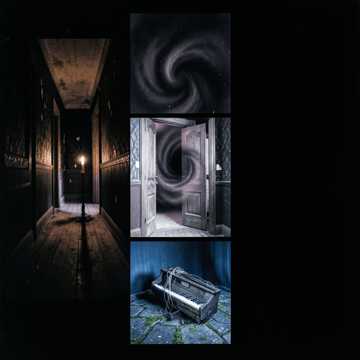
CROOKED HOUSE 2
An ominous gothic instrumental that evokes a cursed mansion after midnight. Its haunted-house atmosphere and unsettling harpsichord suggest hidden rooms, restless spirits, crooked corridors, and a creeping sense of supernatural danger.
03:15
2026-09-15
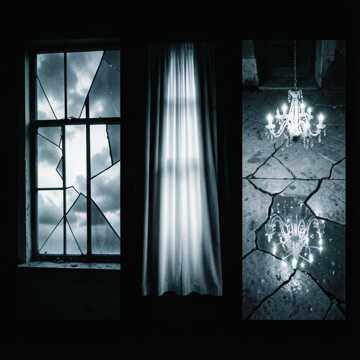
CROOKED HOUSE 2
An instrumental gothic soundscape that turns the harpsichord into a guide through a crooked, haunted house. Its eerie theatricality suggests hidden rooms, restless spirits, candlelit corridors, and suspenseful supernatural encounters.
03:19
2026-09-15
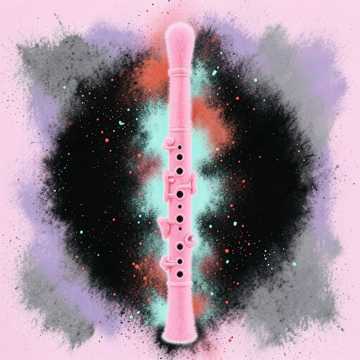
Vivi-flöte-c-dur 140926
An energetic instrumental concerto in C major, led by a virtuosic transverse flute. Orchestral tutti passages alternate with dazzling solo episodes, while rapid scales, arpeggios, trills, sequences, and imitative dialogue create an elegant, joyful, and distinctly Vivaldian Baroque atmosphere.
01:57
2026-09-15
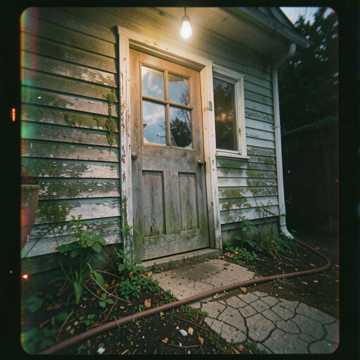
CROOKED HOUSE
CROOKED HOUSE evokes a decaying haunted dwelling through gothic folk-horror textures and sinister harpsichord tones. With no lyrics, its narrative unfolds instrumentally, suggesting creaking floors, hidden rituals, ancestral secrets, and an unseen presence moving through the darkness.
02:49
2026-09-15
Vivi-flöte-c-dur 140926
Ein lebhafter erster Satz eines barocken Flötenkonzerts in C-Dur. Die Soloflöte entfaltet virtuose Läufe, Sequenzen und Verzierungen im Dialog mit Streichern und Cembalo. Die Musik wirkt festlich, elegant und voller tänzerischer Energie.
02:19
2026-09-15
Viv-Föte-F-dur-140926
A bright, energetic Baroque composition in F major, driven by a clear theme, agile strings, continuo, and a virtuoso solo recorder. Its festive momentum and operatic flair evoke an aristocratic celebration, theatrical dance, or radiant concert finale.
02:05
2026-09-15
C Major Minuet
A bright, brisk Baroque minuet in C major, shaped by recorder-led exchanges, crisp strings, steady bass, and harpsichord pulse. Its lighter middle passage creates contrast before a richly ornamented reprise, evoking an elegant courtly dance and refined eighteenth-century chamber performance.
02:46
2026-09-15
ÇA MONTE, ÇA MONTE… MAIS NOUS ON DANSE !
Cette chanson transforme les difficultés du quotidien et la hausse des prix en énergie collective. Sur un groove electro funk disco porté par une basse profonde, des cuivres jazz et un clavecin baroque, elle célèbre le sourire, la musique et l'envie de danser malgré tout.
04:06
2026-09-13
Stuffing Head Jester
A sinister jester mourns a shattered paradise and tries to imprison loved ones inside his soft, fabricated world. Playful circus instrumentation masks themes of obsession, abandonment, control, and tragic protection, culminating in a frantic villainous breakdown.
02:17
2026-09-13
My Plush Paradise
A mischievous jester invites listeners into a soft, fantastical kingdom where oceans fold into pockets, stars become toys, and every guest joins an endless game. Bright orchestration masks a darker undertone of control, transforming comfort, imagination, and playful villainy into a memorable video game spectacle.
02:58
2026-09-13
ÇA MONTE, ÇA MONTE… MAIS NOUS ON DANSE !
Cette chanson transforme la hausse de l’essence et le coût de la vie en une célébration collective. Entre baroque, jazz, funk et disco, ses couplets humoristiques, son refrain accrocheur et ses appels à danser défendent la joie, l’entraide et la musique comme refuge gratuit.
03:54
2026-09-12
Frame4
An instrumental concerto grosso unfolds across six connected movements: a fragile music-box prelude grows into Vivaldian urgency, dissonant orchestral tension, echoing guitar improvisation, and a melancholic organ-led march before fading back into unease.
05:07
2026-09-12
Frame3
Frame3 is a six-movement instrumental concerto grosso for two violins and string orchestra. It transforms Baroque forms through dissonance, chromatic tension, prepared piano, synthesizers, organ, and psychedelic guitar, moving from a fragile music-box Prelude toward an agitated climax and an uneasy, fading Postludio.
04:52
2026-09-12
Frame2
An eight-minute instrumental Concerto Grosso that moves from a fragile music-box Prelude through Vivaldi-like velocity, chromatic conflict, and solo-violin improvisation to a fading psychedelic Baroque coda.
05:08
2026-09-12
Baroque Bassfall
A high-impact collision of Baroque elegance and modern dubstep force. Harpsichord figures, piano, cello, strings, brass, ticking percussion, and colossal sub drops build a tense cinematic journey from restrained introduction to thunderous orchestral release.
04:00
2026-09-12
Frame
Frame is a dramatic experimental composition that moves from funky bass and harpsichord emotion into dreamy vocals, march-like funk-rock, dense orchestration, and abrasive atonal noise. Distorted guitar bends, Hammond organ, tape delay, and fading dynamics create a powerful passage from tension to farewell.
05:44
2026-09-10
Introduction to Harpsichord
The harpsichord is a stringed keyboard instrument that was widely used in European classical music from the 16th through the 18th centuries. Unlike the piano, where hammers strike the strings, the harpsichord produces sound by plucking the strings with quills. The instrument's origins date back to the Middle Ages, but it gained prominence during the Renaissance and Baroque periods, playing a central role in the music of composers such as Johann Sebastian Bach and George Frideric Handel. Its bright, resonant tone made it a staple in orchestral, chamber, and solo music until it was gradually replaced by the piano in the late 18th century.
Sub-tags and Classifications of Harpsichord
Flemish Harpsichord
Flemish harpsichords are known for their rich, warm tone and intricate decorative designs. Originating in the region of Flanders during the 16th and 17th centuries, these harpsichords were often adorned with elaborate paintings and marquetry. They typically have two keyboards (manuals) and a robust sound, making them suitable for both solo performances and ensemble settings.
Italian Harpsichord
Italian harpsichords are characterized by their lighter construction and brighter, more transparent sound. These instruments were popular in the 16th and 17th centuries, often featuring a single manual and a simpler design compared to their Flemish counterparts. The Italian harpsichord’s crisp articulation made it ideal for intricate, fast-paced music, which was prominent in Italian Baroque compositions.
French Harpsichord
French harpsichords, particularly those made in the 18th century, are noted for their elegance and versatility. These instruments often feature a double manual and a range of stops that allow for varied tonal colors. French harpsichords were central to the music of composers like François Couperin and Jean-Philippe Rameau, who wrote extensively for the instrument in both solo and ensemble contexts.
English Harpsichord
The English harpsichord, prominent in the 17th and 18th centuries, is known for its full, resonant sound and sturdy construction. These harpsichords often have a more restrained decorative style but are highly valued for their powerful tone, which suited the grandiose music of the English Baroque period, including works by composers like Henry Purcell.
Famous Artists and Works Related to Harpsichord
Johann Sebastian Bach
Johann Sebastian Bach is arguably the most famous composer associated with the harpsichord. His 'Goldberg Variations' and 'The Well-Tempered Clavier' are considered masterpieces of harpsichord literature, showcasing the instrument's range and expressive potential. Bach’s intricate counterpoint and harmonic innovations set a high standard for harpsichord music.
Goldberg Variations by Johann Sebastian Bach
The 'Goldberg Variations' are one of the most significant works in the harpsichord repertoire. Composed by Bach, this set of 30 variations is a tour de force of counterpoint and thematic development, pushing the harpsichord’s expressive capabilities to their limits. Each variation explores different technical aspects of the instrument, making it both a challenging and rewarding piece for performers.
Domenico Scarlatti
Domenico Scarlatti, an Italian composer, is renowned for his 555 keyboard sonatas, many of which were composed for the harpsichord. His works are characterized by their technical brilliance and rhythmic innovation, exploring the full capabilities of the harpsichord’s sound and texture.
Sonatas by Domenico Scarlatti
Domenico Scarlatti’s harpsichord sonatas are known for their virtuosic demands and innovative use of the instrument’s capabilities. Each sonata is a unique exploration of rhythm, melody, and harmony, often incorporating elements of Spanish folk music. Scarlatti’s sonatas remain a cornerstone of the harpsichord repertoire.
François Couperin
François Couperin, known as 'Couperin le Grand,' was a French Baroque composer and harpsichordist. His 'Pièces de Clavecin' (Pieces for Harpsichord) are a collection of highly expressive and ornamented works that demonstrate the elegance and nuanced tonal possibilities of the French harpsichord.
Pièces de Clavecin by François Couperin
Couperin’s 'Pièces de Clavecin' are a collection of harpsichord works that highlight the French style’s emphasis on ornamentation and expressive nuance. Each piece is intricately crafted, often with descriptive titles that suggest a specific mood or scene, allowing performers to explore the full range of the harpsichord’s tonal palette.
Jean-Philippe Rameau
Jean-Philippe Rameau was a pivotal figure in the French Baroque era, both as a composer and a music theorist. His harpsichord works, such as the 'Nouvelles Suites de Pièces de Clavecin,' are celebrated for their complexity and their ability to evoke a wide range of emotions, from the stately to the playful.
Nouvelles Suites de Pièces de Clavecin by Jean-Philippe Rameau
Rameau’s 'Nouvelles Suites de Pièces de Clavecin' are a masterful blend of technical brilliance and emotional depth. These suites showcase Rameau’s innovative approach to harmony and rhythm, making them a significant contribution to the harpsichord’s repertoire. The pieces are noted for their rich textures and dynamic contrasts.
Application Scenarios for Harpsichord Music
Harpsichord music is often used in movie soundtracks to evoke a historical or baroque atmosphere. Its distinctive sound can immediately transport listeners to the 17th or 18th century, making it ideal for period dramas or films set in the Renaissance or Baroque periods.
Movie Soundtracks
The bright and intricate sound of the harpsichord can add a touch of elegance and sophistication to advertising music. It is particularly effective in commercials that aim to evoke a sense of tradition, luxury, or refinement.
Advertising Music
In video games, harpsichord music is used to create a medieval or fantasy ambiance. Its clear, resonant tone can add depth to game environments, especially in settings that mimic historical Europe or fantastical realms inspired by it.
Video Game Background Music
Harpsichord is a staple in classical music concerts, especially in performances of Baroque music. Its use in concert settings allows audiences to experience the authentic sound of music from the 16th to 18th centuries, often in historically informed performances.
Classical Music Concerts