Free Harpsichord Music Generator Powered by AI
Turn text into high-quality Harpsichord music effortlessly – no login required!

music.toolTips
Vael’ora shin…
Пісня змальовує містичний перехід від ночі до світла через вигадану космічну мову. Поєднання італо-диско, барокових клавесинів, струнних і м’якого жіночого вокалу створює ностальгічний, танцювальний та піднесений саундтрек до зоряної подорожі.
03:28
2026-09-09
Echoes of the Lost Sun
Епічна танцювальна подорож крізь космічну темряву, де втрачений світ згадується через ритуальні вокальні формули. Клавесин і струни створюють барокову таємничість, а синтезатори й драйвовий біт перетворюють тугу на піднесений гімн відродження.
03:45
2026-09-09
"Звёздный карнавал"
'Звёздный карнавал' — жизнерадостная барочно-поп композиция с элементами фолка. Игривый женский вокал под аккомпанемент клавесина и бубнов воспевает задорный танец планет и созвездий, создавая атмосферу нескончаемого космического праздника и чистой радости.
01:45
2026-09-09
Curse
Curse turns fantasy Formula1 frustration into a darkly comic, theatrical anthem. A recurring harpsichord-like motif, waltz-inflected rhythm, and detached male vocal frame stories of disastrous driver choices, DNFs, ruined strategies, shared picks, and the superstition that one teammate can curse an entire racing team.
05:07
2026-09-08
Bad Luck
A darkly comic fantasy motorsport anthem about shared driver choices, cursed picks, collapsing strategies, and spectacular point losses. Its understated vocal, eerie harpsichord motif, shifting waltz rhythm, and ornate psychedelic new-wave arrangement transform racing frustration into theatrical bad-luck mythology.
04:46
2026-09-08
Blackwood Harpsichord
A sinister baroque instrumental driven by rapid harpsichord ornamentation, tense suspensions, low bowed strings, and contrabassoon accents. Sudden dynamic drops and ominous pacing create an intimate yet monumental gothic atmosphere, suited to haunted courts, secret rituals, period mysteries, and psychological suspense.
03:30
2026-09-07
Fugue Drop
An instrumental collision of classical precision and dubstep force. Bowed strings, harpsichord, piano, brass, choir fragments, and timpani build a cinematic ascent before fracturing into swung halftime wobble, where growling synth bass and violin counterpoint create dramatic, high-impact tension.
03:50
2026-09-07
Tulip Ledger
'Tulip Ledger' is a historical cinematic instrumental tracing the arc of ambition and collapse. Driven by gentle harpsichord, soft strings, and baroque rhythms, the piece moves gracefully from optimistic curiosity through tense speculation to a poignant, reflective resolution.
06:26
2026-09-06
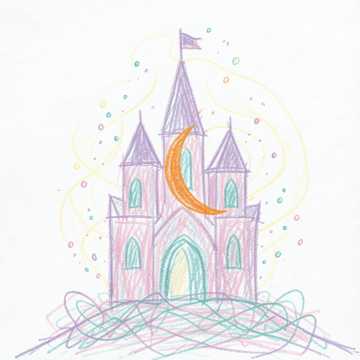
Moonlit Palace Waltz
An elegant instrumental waltz that evokes a moonlit palace filled with romance and quiet wonder. Tender piano, delicate strings, harpsichord-like ornaments, harp flourishes, bell chimes, and a brief solo piano passage gradually bloom into a warm, cinematic final swell.
02:37
2026-09-04
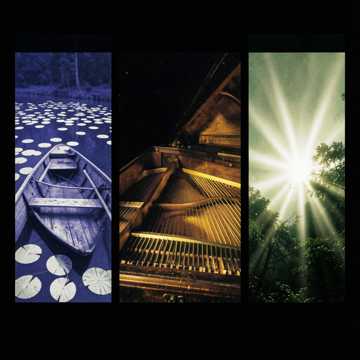
Socialphrenia(((BEST)))
Socialphrenia turns social disorder and public noise into a playful swamp-rock celebration. With satirical verses, an infectious chorus, and an optimistic message, the song encourages listeners to appreciate both life’s highs and lows, embrace each moment, and whistle through uncertainty without surrendering to fear.
02:36
2026-09-04
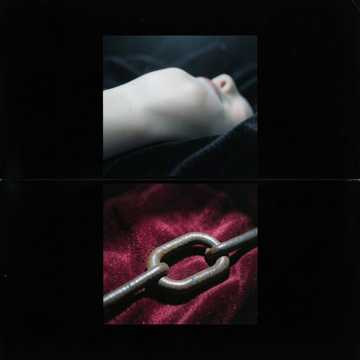
G1-44 Eternal Tether
A loyal royal guardian battles forbidden desire for the treasured woman he protects. Set in a decadent gothic domain, the song fuses baroque elegance with symphonic rock force, portraying devotion as a beautiful cage where self-denial preserves both duty and fragile love.
04:52
2026-08-31
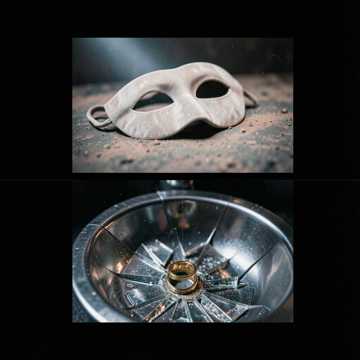
Velvet Masquerade
A wounded narrator confronts a seductive lover whose promises conceal manipulation and abandonment. Moving from obsession and emotional entrapment toward hard-won independence, the song transforms heartbreak into a theatrical, danceable act of rebellion.
03:15
2026-08-31
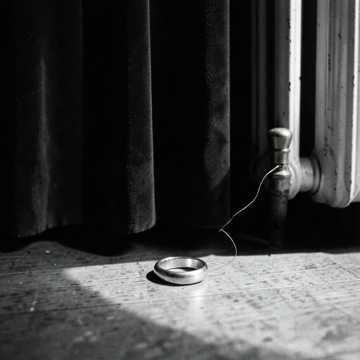
The Loudest Mistake
A abandoned lover transforms grief into theatrical rebellion. Through vivid domestic details, cabaret imagery, and escalating rock energy, the narrator rejects victimhood, turns pain into performance, and walks boldly toward self-reinvention, claiming the final scene and the power to choose a new life.
03:55
2026-08-30
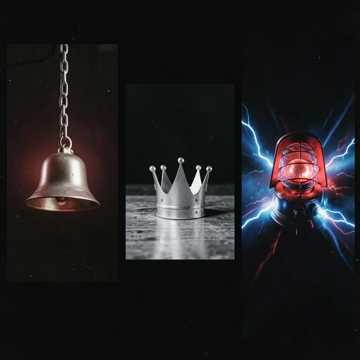
The Fire Alarm After
A volatile theatrical rock anthem about escaping family shame and emotional confinement. Through fire, alarms, crowns, and collapsing rooms, the narrator transforms fear into spectacle, rejects inherited blame, and claims a liberating identity with explosive confidence.
04:43
2026-08-30
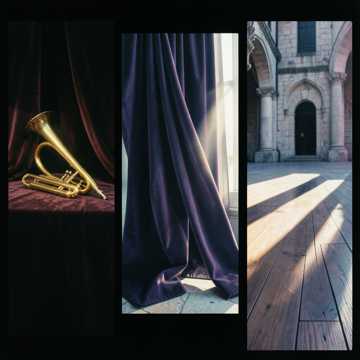
Marche Henri XIV
A stately instrumental Baroque march evoking a royal court procession. Solo horn and harpsichord introduce the piece before low strings, ceremonial trumpets, rising violins, and triple-step percussion build toward a luminous, nostalgic return enriched by tape warmth, harp glints, and lingering reverb.
03:33
2026-08-29
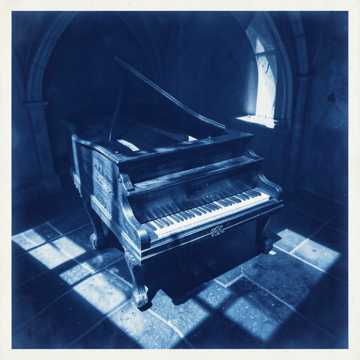
Cámara de Penumbra
Una composición instrumental inspirada en Bach que construye tensión mediante un pulso menor ceremonial, contrapunto de clavecín, fugas de cuerdas y crescendos de órgano. La obra avanza desde una intimidad sombría hacia una culminación dramática, reforzada por trinos, reverberaciones invertidas y un poderoso redoble de timbales.
02:29
2026-08-28
Look through the Isinglass
A surreal traveler enters a topsy-turvy realm where language, time, logic, and identity dissolve. Through whimsical characters, literary nonsense, mechanical rhythms, and psychedelic orchestration, the song celebrates curiosity and invites listeners to embrace confusion as a doorway to imagination.
05:05
2026-08-26

Two-Rays (((BEST)))
Two-Rays is a concise, upbeat promotional song celebrating family creativity through coloring books, imaginative adventures, and original music. Its buoyant classical chamber arrangement, memorable melody, and warm ensemble vocals create an elegant yet playful invitation for children and families to color, imagine, and sing along.
00:54
2026-08-26
Bach Bass Riot
A dramatic140 BPM halftime instrumental that fuses Bach-inspired counterpoint with modern dubstep force. Piano, cello, pizzicato strings, and harpsichord establish the theme before crushing bass drops, brass attacks, tender string relief, and rapid violin runs create a theatrical surge of tension and release.
02:42
2026-08-21
Klops im Schloss
In einem exzentrischen Schloss kocht der König einen misslungenen Klops, während die ungewöhnlich benannten Familienmitglieder über ihre Namen staunen. Aus peinlicher Dinnerstimmung entsteht ein ausgelassenes Fest: Der schlechte Geschmack bleibt, doch gemeinsames Lachen verwandelt das königliche Chaos in Lebensfreude.
03:29
2026-08-20
Introduction to Harpsichord
The harpsichord is a stringed keyboard instrument that was widely used in European classical music from the 16th through the 18th centuries. Unlike the piano, where hammers strike the strings, the harpsichord produces sound by plucking the strings with quills. The instrument's origins date back to the Middle Ages, but it gained prominence during the Renaissance and Baroque periods, playing a central role in the music of composers such as Johann Sebastian Bach and George Frideric Handel. Its bright, resonant tone made it a staple in orchestral, chamber, and solo music until it was gradually replaced by the piano in the late 18th century.
Sub-tags and Classifications of Harpsichord
Flemish Harpsichord
Flemish harpsichords are known for their rich, warm tone and intricate decorative designs. Originating in the region of Flanders during the 16th and 17th centuries, these harpsichords were often adorned with elaborate paintings and marquetry. They typically have two keyboards (manuals) and a robust sound, making them suitable for both solo performances and ensemble settings.
Italian Harpsichord
Italian harpsichords are characterized by their lighter construction and brighter, more transparent sound. These instruments were popular in the 16th and 17th centuries, often featuring a single manual and a simpler design compared to their Flemish counterparts. The Italian harpsichord’s crisp articulation made it ideal for intricate, fast-paced music, which was prominent in Italian Baroque compositions.
French Harpsichord
French harpsichords, particularly those made in the 18th century, are noted for their elegance and versatility. These instruments often feature a double manual and a range of stops that allow for varied tonal colors. French harpsichords were central to the music of composers like François Couperin and Jean-Philippe Rameau, who wrote extensively for the instrument in both solo and ensemble contexts.
English Harpsichord
The English harpsichord, prominent in the 17th and 18th centuries, is known for its full, resonant sound and sturdy construction. These harpsichords often have a more restrained decorative style but are highly valued for their powerful tone, which suited the grandiose music of the English Baroque period, including works by composers like Henry Purcell.
Famous Artists and Works Related to Harpsichord
Johann Sebastian Bach
Johann Sebastian Bach is arguably the most famous composer associated with the harpsichord. His 'Goldberg Variations' and 'The Well-Tempered Clavier' are considered masterpieces of harpsichord literature, showcasing the instrument's range and expressive potential. Bach’s intricate counterpoint and harmonic innovations set a high standard for harpsichord music.
Goldberg Variations by Johann Sebastian Bach
The 'Goldberg Variations' are one of the most significant works in the harpsichord repertoire. Composed by Bach, this set of 30 variations is a tour de force of counterpoint and thematic development, pushing the harpsichord’s expressive capabilities to their limits. Each variation explores different technical aspects of the instrument, making it both a challenging and rewarding piece for performers.
Domenico Scarlatti
Domenico Scarlatti, an Italian composer, is renowned for his 555 keyboard sonatas, many of which were composed for the harpsichord. His works are characterized by their technical brilliance and rhythmic innovation, exploring the full capabilities of the harpsichord’s sound and texture.
Sonatas by Domenico Scarlatti
Domenico Scarlatti’s harpsichord sonatas are known for their virtuosic demands and innovative use of the instrument’s capabilities. Each sonata is a unique exploration of rhythm, melody, and harmony, often incorporating elements of Spanish folk music. Scarlatti’s sonatas remain a cornerstone of the harpsichord repertoire.
François Couperin
François Couperin, known as 'Couperin le Grand,' was a French Baroque composer and harpsichordist. His 'Pièces de Clavecin' (Pieces for Harpsichord) are a collection of highly expressive and ornamented works that demonstrate the elegance and nuanced tonal possibilities of the French harpsichord.
Pièces de Clavecin by François Couperin
Couperin’s 'Pièces de Clavecin' are a collection of harpsichord works that highlight the French style’s emphasis on ornamentation and expressive nuance. Each piece is intricately crafted, often with descriptive titles that suggest a specific mood or scene, allowing performers to explore the full range of the harpsichord’s tonal palette.
Jean-Philippe Rameau
Jean-Philippe Rameau was a pivotal figure in the French Baroque era, both as a composer and a music theorist. His harpsichord works, such as the 'Nouvelles Suites de Pièces de Clavecin,' are celebrated for their complexity and their ability to evoke a wide range of emotions, from the stately to the playful.
Nouvelles Suites de Pièces de Clavecin by Jean-Philippe Rameau
Rameau’s 'Nouvelles Suites de Pièces de Clavecin' are a masterful blend of technical brilliance and emotional depth. These suites showcase Rameau’s innovative approach to harmony and rhythm, making them a significant contribution to the harpsichord’s repertoire. The pieces are noted for their rich textures and dynamic contrasts.
Application Scenarios for Harpsichord Music
Harpsichord music is often used in movie soundtracks to evoke a historical or baroque atmosphere. Its distinctive sound can immediately transport listeners to the 17th or 18th century, making it ideal for period dramas or films set in the Renaissance or Baroque periods.
Movie Soundtracks
The bright and intricate sound of the harpsichord can add a touch of elegance and sophistication to advertising music. It is particularly effective in commercials that aim to evoke a sense of tradition, luxury, or refinement.
Advertising Music
In video games, harpsichord music is used to create a medieval or fantasy ambiance. Its clear, resonant tone can add depth to game environments, especially in settings that mimic historical Europe or fantastical realms inspired by it.
Video Game Background Music
Harpsichord is a staple in classical music concerts, especially in performances of Baroque music. Its use in concert settings allows audiences to experience the authentic sound of music from the 16th to 18th centuries, often in historically informed performances.
Classical Music Concerts