Free Harpsichord Music Generator Powered by AI
Turn text into high-quality Harpsichord music effortlessly – no login required!

music.toolTips

G2-20 Sovereign Submission
A proud and aristocratic narrator struggles to maintain emotional control as fascination evolves into obsession. Blending gothic grandeur, distorted electronic power, and tragic classical elegance, the song portrays the collapse of a carefully guarded emotional fortress.
04:21
2026-06-24

Black Chapel Procession
An instrumental dark neoclassical horror composition that evokes a solemn procession through ancient cathedrals. Haunted strings, pipe organ, choirs, bells, and orchestral swells create a cinematic atmosphere of grandeur, mourning, mystery, and supernatural tension.
03:57
2026-06-22

Cathedral of Ash
An instrumental descent into sacred ruin and lingering darkness, blending haunted strings, pipe organ, harpsichord, choral textures, and funeral bells. Slow-building orchestral waves create an atmosphere of ritual, mystery, and cinematic horror within vast echoing halls.
03:59
2026-06-22

G2-12 Sovereign Submission
A dark, theatrical electro-pop composition portraying a proud sovereign figure whose emotional defenses collapse under intense fascination. The song combines gothic elegance, distorted bass power, and classical refinement to reveal hidden vulnerability beneath control.
04:10
2026-06-15

G2-36 Velvet Restraint
A dark orchestral rock anthem about devotion, restraint, and forbidden desire. Through relentless cello-driven rhythms and sharp harpsichord textures, the narrator battles monstrous hunger while remaining loyal to a mysterious king and protecting someone they cannot possess.
04:04
2026-06-14

The Lady's Grace
A medieval-inspired folk and baroque ballad celebrating devotion to a sacred Lady, the courage of the Green Knight, and the spiritual quest for honor and the Grail. Through battles, legends, and faith, the song portrays hope, loyalty, sacrifice, and eternal reward.
04:55
2026-06-12

Black Chalk Room
Black Chalk Room is a cinematic jazz-noir journey, blending slow swung brush drums, walking bass, and eerie chromatic piano, punctuated by ghostly vocal samples and dissonant horn whispers, evoking mystery and introspection.
03:11
2026-06-09

G2-32 Velvet Restraint
A conflicted guardian battles forbidden desire while remaining loyal to a dark king. Through urgent orchestral rock energy, the song explores duty, restraint, hunger, and sacrifice, portraying an internal war between monstrous instinct and unwavering devotion.
03:42
2026-06-08

Courtly Masque
A refined instrumental piece blending Renaissance chamber elegance with ambient softness. Light plucked strings, harpsichord sparkle, and poised triple-time rhythms create a ceremonial atmosphere suited for storytelling, reflective narration, and historical fantasy settings.
02:35
2026-06-08

Serment de velours
Œuvre instrumentale épique mêlant baroque pop et aventure de cape et d'épée. Portée par des cordes majestueuses, un clavecin raffiné, des percussions martiales et des chœurs héroïques, elle évoque l'honneur, le panache et le souffle d'une quête légendaire.
03:39
2026-06-04

The Day That Never Existed — The 10 Days of 1582 - MMXXVI:
An instrumental Baroque adagio that weaves expressive violin lines above warm cello and harpsichord textures. Its balanced phrases, gentle countermelodies, and radiant return create a tranquil journey marked by elegance, tenderness, and timeless chamber-music beauty.
04:45
2026-06-03
Vivaldi- Bassoon E-moll 310526
A brisk E-minor Baroque composition featuring a virtuosic bassoon solo, dynamic string ensemble, and harpsichord continuo, evoking the grandeur and intricate textures of Vivaldi's style.
02:14
2026-05-31
Vivaldi- Bassoon D-moll 310526
An energetic Baroque-inspired concerto movement in D minor, driven by lively dance rhythms, elegant orchestral textures, and a virtuosic solo bassoon. Clear thematic development, harpsichord continuo, and Vivaldi-like brilliance create a spirited and refined musical journey.
03:35
2026-05-31
Vivaldi- Bassoon A-moll 310526
An energetic Baroque-inspired instrumental in A minor featuring a dazzling solo bassoon. Driven by brisk allegro rhythms, agile string passages, and continuo accompaniment, the piece evokes the dramatic vitality, elegance, and virtuosic character associated with Vivaldi's concerto style.
02:38
2026-05-31
Vivaldi- Bassoon C-dur 310526
A spirited Baroque composition in C-major, highlighting a virtuoso bassoon solo amidst a dynamic string ensemble and harpsichord continuo, evoking elegance and playful energy.
02:15
2026-05-31
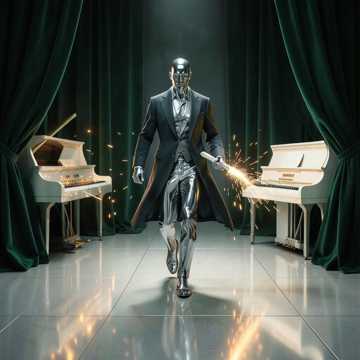
Ivory Blade
A high-octane fusion of Baroque elegance and grime aggression, 'Ivory Blade' blends harpsichord runs, operatic vocal lifts, and drill sub-bass to craft a cinematic, confrontational anthem of dominance and style.
02:12
2026-05-31

A Sailors Call
A nostalgic pirate-inspired instrumental journey blending sea shanty warmth, playful harpsichord melodies, and adventurous coastal ambience. The track evokes windswept harbors, old nautical maps, and charismatic island exploration with a lighthearted yet cinematic spirit.
02:17
2026-05-29
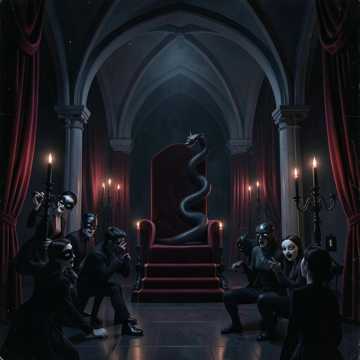
Jeff
A cinematic symphonic black metal descent into aristocratic corruption, forbidden rituals, and spiritual decay. Through operatic choirs, shrieking vocals, and gothic horror imagery, the song explores lust, power, and damnation beneath a haunting masquerade.
04:28
2026-05-28

Lantern At Sea
An instrumental coastal daydream blending downtempo folk-jig motion with French baroque textures. Harpsichord, plucked bass, airy woodwinds, and accordion-like melodies sway gently through a playful yet elegant seaside atmosphere filled with nostalgic charm.
04:29
2026-05-25

G2-20 Velvet Restraint
A dark orchestral alternative rock piece portraying a disciplined servant battling forbidden desire beneath royal duty. Fast-paced harpsichord, aggressive cello rhythms, and intimate baritone vocals create a tense atmosphere of elegance, obsession, and emotional restraint.
04:20
2026-05-24
Introduction to Harpsichord
The harpsichord is a stringed keyboard instrument that was widely used in European classical music from the 16th through the 18th centuries. Unlike the piano, where hammers strike the strings, the harpsichord produces sound by plucking the strings with quills. The instrument's origins date back to the Middle Ages, but it gained prominence during the Renaissance and Baroque periods, playing a central role in the music of composers such as Johann Sebastian Bach and George Frideric Handel. Its bright, resonant tone made it a staple in orchestral, chamber, and solo music until it was gradually replaced by the piano in the late 18th century.
Sub-tags and Classifications of Harpsichord
Flemish Harpsichord
Flemish harpsichords are known for their rich, warm tone and intricate decorative designs. Originating in the region of Flanders during the 16th and 17th centuries, these harpsichords were often adorned with elaborate paintings and marquetry. They typically have two keyboards (manuals) and a robust sound, making them suitable for both solo performances and ensemble settings.
Italian Harpsichord
Italian harpsichords are characterized by their lighter construction and brighter, more transparent sound. These instruments were popular in the 16th and 17th centuries, often featuring a single manual and a simpler design compared to their Flemish counterparts. The Italian harpsichord’s crisp articulation made it ideal for intricate, fast-paced music, which was prominent in Italian Baroque compositions.
French Harpsichord
French harpsichords, particularly those made in the 18th century, are noted for their elegance and versatility. These instruments often feature a double manual and a range of stops that allow for varied tonal colors. French harpsichords were central to the music of composers like François Couperin and Jean-Philippe Rameau, who wrote extensively for the instrument in both solo and ensemble contexts.
English Harpsichord
The English harpsichord, prominent in the 17th and 18th centuries, is known for its full, resonant sound and sturdy construction. These harpsichords often have a more restrained decorative style but are highly valued for their powerful tone, which suited the grandiose music of the English Baroque period, including works by composers like Henry Purcell.
Famous Artists and Works Related to Harpsichord
Johann Sebastian Bach
Johann Sebastian Bach is arguably the most famous composer associated with the harpsichord. His 'Goldberg Variations' and 'The Well-Tempered Clavier' are considered masterpieces of harpsichord literature, showcasing the instrument's range and expressive potential. Bach’s intricate counterpoint and harmonic innovations set a high standard for harpsichord music.
Goldberg Variations by Johann Sebastian Bach
The 'Goldberg Variations' are one of the most significant works in the harpsichord repertoire. Composed by Bach, this set of 30 variations is a tour de force of counterpoint and thematic development, pushing the harpsichord’s expressive capabilities to their limits. Each variation explores different technical aspects of the instrument, making it both a challenging and rewarding piece for performers.
Domenico Scarlatti
Domenico Scarlatti, an Italian composer, is renowned for his 555 keyboard sonatas, many of which were composed for the harpsichord. His works are characterized by their technical brilliance and rhythmic innovation, exploring the full capabilities of the harpsichord’s sound and texture.
Sonatas by Domenico Scarlatti
Domenico Scarlatti’s harpsichord sonatas are known for their virtuosic demands and innovative use of the instrument’s capabilities. Each sonata is a unique exploration of rhythm, melody, and harmony, often incorporating elements of Spanish folk music. Scarlatti’s sonatas remain a cornerstone of the harpsichord repertoire.
François Couperin
François Couperin, known as 'Couperin le Grand,' was a French Baroque composer and harpsichordist. His 'Pièces de Clavecin' (Pieces for Harpsichord) are a collection of highly expressive and ornamented works that demonstrate the elegance and nuanced tonal possibilities of the French harpsichord.
Pièces de Clavecin by François Couperin
Couperin’s 'Pièces de Clavecin' are a collection of harpsichord works that highlight the French style’s emphasis on ornamentation and expressive nuance. Each piece is intricately crafted, often with descriptive titles that suggest a specific mood or scene, allowing performers to explore the full range of the harpsichord’s tonal palette.
Jean-Philippe Rameau
Jean-Philippe Rameau was a pivotal figure in the French Baroque era, both as a composer and a music theorist. His harpsichord works, such as the 'Nouvelles Suites de Pièces de Clavecin,' are celebrated for their complexity and their ability to evoke a wide range of emotions, from the stately to the playful.
Nouvelles Suites de Pièces de Clavecin by Jean-Philippe Rameau
Rameau’s 'Nouvelles Suites de Pièces de Clavecin' are a masterful blend of technical brilliance and emotional depth. These suites showcase Rameau’s innovative approach to harmony and rhythm, making them a significant contribution to the harpsichord’s repertoire. The pieces are noted for their rich textures and dynamic contrasts.
Application Scenarios for Harpsichord Music
Harpsichord music is often used in movie soundtracks to evoke a historical or baroque atmosphere. Its distinctive sound can immediately transport listeners to the 17th or 18th century, making it ideal for period dramas or films set in the Renaissance or Baroque periods.
Movie Soundtracks
The bright and intricate sound of the harpsichord can add a touch of elegance and sophistication to advertising music. It is particularly effective in commercials that aim to evoke a sense of tradition, luxury, or refinement.
Advertising Music
In video games, harpsichord music is used to create a medieval or fantasy ambiance. Its clear, resonant tone can add depth to game environments, especially in settings that mimic historical Europe or fantastical realms inspired by it.
Video Game Background Music
Harpsichord is a staple in classical music concerts, especially in performances of Baroque music. Its use in concert settings allows audiences to experience the authentic sound of music from the 16th to 18th centuries, often in historically informed performances.
Classical Music Concerts