Free Historical Music Generator Powered by AI
Turn text into high-quality Historical music effortlessly – no login required!

music.toolTips
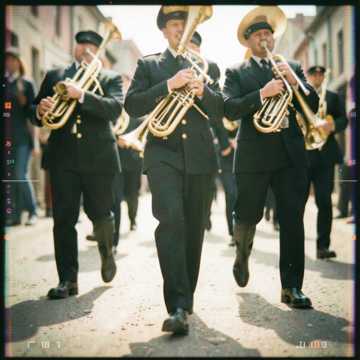
Kong Christian d XI’s Honnørmarch
En højtidelig militærmarch, der hylder Kong Christian d XI og15. artilleriregiment. Tunge trommer, skinnende messingblæsere og et fast, marcherende tempo skaber en stemning af patriotisme, disciplin, mod og ceremoniel værdighed.
01:00
Invalid date

Children of the Sun
An ancient desert kingdom faces Celtic raiders, Viking invaders, and Roman legions in a relentless struggle for sovereignty. Driven by ritual imagery, war drums, and commanding chants, the song transforms historical conflict into a mythic anthem of endurance, unity, resistance, and the eternal strength of the homeland.
05:26
3 days ago
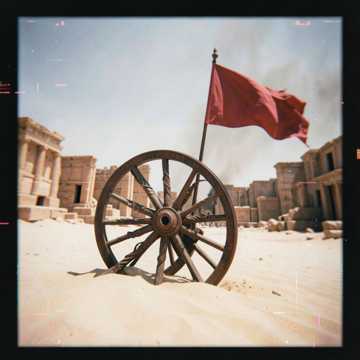
Black-Gold Blood
An ancient Egyptian resistance anthem where Celtic raiders and Roman armies collide with an unyielding civilization. Through dark orchestration, trap-metal force, ritual chants, and commanding vocals, the song transforms history, mythology, and national defiance into a cinematic battle cry of survival.
06:03
3 days ago
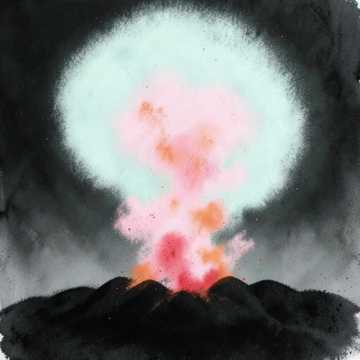
Names into the Dawn
The song transforms lost cities, sacred names, and forgotten languages into a powerful meditation on remembrance. Moving from intimate historical images to a monumental chorus, it argues that empires fade but human identity survives whenever stories, names, and cultural memory are passed forward.
04:10
3 days ago

Kutlu Destan
Kutlu Destan, Türk milletinin vatan sevgisini, bağımsızlık ruhunu ve tarih boyunca gösterdiği direnci anlatan epik bir marştır. Elektro saz, hızlı sololar ve güçlü davullar, sözlerdeki gurur, kararlılık ve zafer duygusunu görkemli bir müzikal atmosferle güçlendirir.
03:35
3 days ago

wdfg
Ein nüchternes, dokumentarisches Marschlied über die deutsche Musterung vor dem Wehrdienst. Gesprochene Textpassagen erklären Auswahl, Eignungsfeststellung und den möglichen Zeitpunkt der Untersuchung. Militärtrommeln bei92 BPM schaffen eine disziplinierte, amtliche Atmosphäre mit bewusst sachlicher Wirkung.
01:09
Invalid date

01b_La Ghirlandosa in Romagna
Nella Romagna rinascimentale, il cavaliere Dommènicus e Antoniàrdo accettano dal Conte Valeriàni la missione di affrontare il temibile Raimòndo Squàrcia-lalància senza spargere sangue. Tra ironia, orgoglio e politica, la Ghirlandòsa diventa simbolo di grazia, autorità e imminente conflitto.
06:25
3 days ago
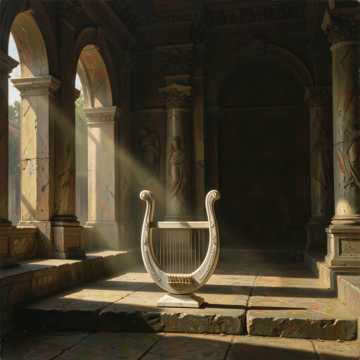
Temple of Apollo
A spacious ritual soundscape shaped by sparse lyre figures, breathy aulos, deep drone, and distant wordless choir. Its restrained60 BPM pacing and resonant stone ambience evoke quiet devotion, ancient ceremony, contemplation, and the timeless presence of a Greek sanctuary.
05:00
3 days ago

Egy ország sebe
A dal Trianon történelmi traumáját idézi fel: az elválasztott országrészek, családok és nemzedékek fájdalmát. A gyász mellett a magyar összetartozás, az emlékezés és a remény szólal meg, gyűlölet helyett méltóságteljes, hazafias hangon.
06:46
3 days ago
Autonomii
Piesa prezintă evoluția politică a Transilvaniei, de la voievodatele lui Gelu, Glad și Menumorut până la principatul autonom și stăpânirea habsburgică. Versurile evidențiază cucerirea maghiară, colonizarea sașilor și secuilor, discriminarea românilor și supraviețuirea autonomiilor locale.
07:40
4 days ago
Blood War of Ballymena
A dark folk-metal battle hymn set in Ballymena, where families face violence, loss, and ancestral memory. Its marching rhythm and immense chorus transform local imagery into a communal anthem, while the bridge rejects glory and calls for truth, mercy, and dignity for the fallen.
04:20
4 days ago
سَبْتَةُ الغَرَّاء
نشيد وطني أندلسي يستحضر تاريخ المغرب وذاكرته البحرية، ويعبّر بلغة فصيحة عن الفخر بالجذور والصمود والكرامة، عبر أداء طربي متدرّج من التأمل الهادئ إلى ذروة جماعية حماسية.
06:03
4 days ago
سَبْتَةُ الغَرَّاء
نشيد وطني أندلسي الطابع يستحضر عراقة المغرب وصمود سبتة ومليلية وجزر الأطلسي. يتدرج من تأمل هادئ إلى ذروة جماعية حماسية، مدعوماً بالعود والقانون والرباب والوتريات والإيقاعات المغربية، ثم يختتم بموال شجي يؤكد رسوخ الجذور واستمرار الذاكرة.
08:00
4 days ago
سَبْتَةُ الغَرَّاءُ
نشيد وطني ملحمي يستحضر تاريخ المغرب العريق، ويربط سبتة ومليلية وجزر المحيط بذاكرة الأرض والكرامة. يتصاعد العمل من تأمل أندلسي هادئ إلى كورال حماسي، ثم يعود في موال شجي يؤكد رسوخ الجذور واستمرار الأمل.
06:25
4 days ago
Das Lied des Barden
Ein Barde erzählt von einem verschwundenen König und einer verborgenen Truhe im Burgturm. Die fünf Verse enthalten ein verschlüsseltes Wort: Ihre Anfangslaute müssen zusammengesetzt werden, um das Geheimnis des Königs und den Zugang zur vergessenen Welt zu enthüllen.
03:27
4 days ago

THE BOTTLE AND THE TIDE
A dying sailor hides beneath a doomed ship during a Royal Navy attack, protecting a map to Island Peace and its ancient power. After his crew falls, he seals the chart in a bottle and sends it toward Sir Black Beard before surrendering to the sea.
07:16
4 days ago

Ash on the River
An instrumental medieval Irish ballad with a noble triple-time sway. Harp, fiddle drones, frame drum, bowed strings, distant horn, and modal harmonies create a warm, romantic atmosphere that feels ancient, reflective, and suited to stories of memory, loss, devotion, and river-bound journeys.
03:41
Invalid date
Martim Moniz apud Portam
Narratio Latina describit Martim Moniz, militem audacem qui corpus suum in angusto aditu posuit ut porta Ulixbonae paulisper aperiretur. Carmen non solam victoriam celebrat, sed pretium sanguinis, spem urbis futurae et memoriam quae inter muros antiquos permanet.
03:00
4 days ago

Silver Branched Sigh
An instrumental medieval Irish ballad shaped by a slow, lilting6/8 pulse. Delicate harp, low frame drum, noble fiddle, vocal-like harmonies, drones, chimes, and cinematic strings create a romantic, melancholy atmosphere suited to fantasy storytelling, reflective scenes, and historical drama.
03:27
Invalid date

Arena Videbit Fidem
Oratio gravis militis Templarii ante proelium in deserto arido. Vox eius fratres ad fidem, unitatem et fortitudinem convocat, dum silentium in impetum bellicum crescit. Victoria non viribus hominum, sed voluntati Dei attribuitur.
04:56
4 days ago
Introduction to Historical Music
Historical music encompasses compositions that are rooted in or directly influenced by the music of past eras, often reflecting the styles, forms, and practices of specific historical periods. This genre often includes pieces from the medieval, Renaissance, Baroque, Classical, and Romantic periods, among others. The origins of historical music can be traced back to early human civilizations, where music played a crucial role in cultural and religious ceremonies. Over time, it evolved through various movements, each characterized by distinct musical forms, instruments, and compositional techniques. Historical music not only offers a window into the past but also serves as a foundation for many contemporary genres, influencing modern compositions and performances.
Sub-tags and Classifications of Historical Music
Medieval Music
Medieval music refers to the music of Europe from the fall of the Roman Empire (around 500 AD) to the beginning of the Renaissance (around 1400 AD). It is characterized by the use of monophonic chants and the development of early polyphony. Gregorian chant, a central form of medieval music, is known for its free-flowing, melismatic melodies and is often performed a cappella. The period also saw the rise of secular music, performed by troubadours and minstrels, which included early forms of folk and dance music.
Renaissance Music
Renaissance music spans from the 14th to the 17th century and is marked by greater harmonic complexity and the widespread use of polyphony. Composers like Josquin des Prez and Palestrina became renowned for their intricate vocal compositions. This period also saw the emergence of the madrigal, a form of secular vocal music, and the increased use of instrumental music, paving the way for the development of distinct instrumental genres in later periods.
Baroque Music
Baroque music, spanning from 1600 to 1750, is known for its dramatic, expressive qualities and the use of ornamentation. This period saw the development of many forms still popular today, such as the opera, concerto, sonata, and oratorio. Composers like Johann Sebastian Bach, George Frideric Handel, and Antonio Vivaldi were key figures in shaping the Baroque style, characterized by complex polyphonic textures, contrasts in dynamics, and a heightened sense of drama and emotion.
Classical Music
The Classical period (1730-1820) is characterized by a clear, structured approach to composition, emphasizing form, clarity, and balance. This era saw the development of the symphony, sonata-allegro form, and the string quartet. Composers like Wolfgang Amadeus Mozart, Ludwig van Beethoven, and Franz Joseph Haydn brought these forms to their heights, producing works that are celebrated for their melodic beauty, formal innovation, and expressive range.
Romantic Music
Romantic music, from about 1820 to 1900, emphasizes emotion, individualism, and expressiveness. This period is marked by the expansion of the orchestra, the development of program music, and an increased focus on lyrical melodies and rich harmonies. Composers like Johannes Brahms, Franz Liszt, and Richard Wagner pushed musical boundaries, exploring new harmonic languages and expanding the possibilities of musical form and expression.
Famous Artists and Works in Historical Music
Johann Sebastian Bach
Bach is often regarded as one of the greatest composers of all time. His contributions to the Baroque period are immense, with works like the 'Brandenburg Concertos,' 'The Well-Tempered Clavier,' and 'Mass in B minor' showcasing his mastery of counterpoint, harmonic organization, and melodic invention. Bach's music is celebrated for its intellectual depth, technical command, and artistic beauty.
The Well-Tempered Clavier by Johann Sebastian Bach
This monumental collection consists of two books, each containing 24 preludes and fugues in all major and minor keys. The work is considered one of the cornerstones of Western classical music, demonstrating the full potential of equal temperament tuning and serving as a masterclass in counterpoint and harmonic development. Its influence on both Baroque and later composers is immeasurable.
Wolfgang Amadeus Mozart
A prolific and influential composer of the Classical period, Mozart's music is renowned for its clarity, balance, and form. His works, such as 'The Magic Flute,' 'Symphony No. 40 in G minor,' and 'Piano Concerto No. 21,' reflect a mastery of the Classical style and a deep understanding of the human emotional experience, balancing lightness and drama with elegance.
Symphony No. 9 in D minor, Op. 125 by Ludwig van Beethoven
Also known as the 'Choral Symphony,' this work is notable for its unprecedented inclusion of a choir and vocal soloists in the final movement. It is celebrated for its revolutionary structure, emotional depth, and the use of Friedrich Schiller's 'Ode to Joy,' which has become a universal symbol of unity and freedom. Beethoven's Ninth Symphony pushed the boundaries of the symphonic form and laid the groundwork for the Romantic symphony.
Ludwig van Beethoven
Beethoven's work marks the transition from the Classical to the Romantic era. His compositions, such as the 'Eroica Symphony,' 'Fidelio,' and 'Piano Sonata No. 14 (Moonlight Sonata),' are known for their emotional intensity, structural innovation, and expansive scale. Beethoven's ability to convey deep emotion and his innovations in form and harmony had a profound impact on the course of Western music.
Application Scenarios for Historical Music
Historical music is often used in movie soundtracks to evoke a specific period setting or emotional tone. For example, Baroque or Classical compositions might be chosen for films set in the 17th or 18th centuries to provide an authentic auditory backdrop, enhancing the storytelling by immersing viewers in the era.
Movie Soundtracks
In advertising, historical music can be used to convey sophistication, elegance, or nostalgia. Brands may use Classical pieces in commercials to associate their products with refinement and high culture, or Romantic-era music to evoke emotions and create a memorable connection with the audience.
Advertising Music
In video games, historical music is often used to create an immersive experience that matches the game's setting or narrative. For instance, games set in medieval or Renaissance times might use period-appropriate music to enhance the atmosphere and provide players with a more engaging, historically resonant experience.
Game Background Music