Free Horror mood Music Generator Powered by AI
Turn text into high-quality Horror mood music effortlessly – no login required!

music.toolTips
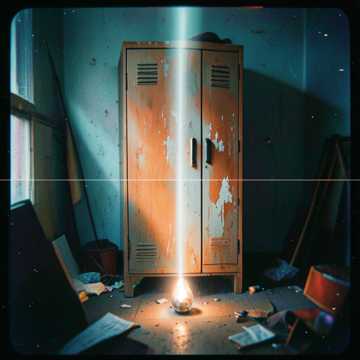
Better
Better is an aggressive battle-rap performance built around repeated claims of superiority. Its Jamaican dancehall foundation supports taunting verses, threatening imagery, exaggerated bravado, and a memorable chant-like hook, while contrasting guitar, piano, banjo, opera, horror, and children’s chorus elements create an unusual theatrical atmosphere.
02:50
2 hours ago
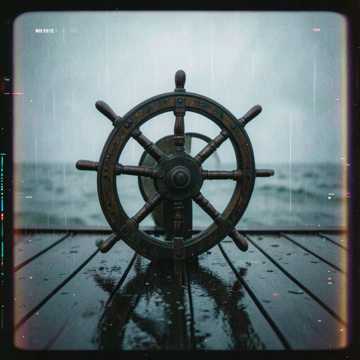
Z.
Utwór przedstawia wojownika wyruszającego przez wzburzone morza ku Valhalli. Powtarzalny refren działa jak zaklęcie, a szybki rap, mroczne efekty, echa i cięcia DJ-a budują surową, bitewną wizję nordyckiej wyprawy, honoru, zwycięstwa oraz nieuchronnego przeznaczenia.
02:48
2 days ago
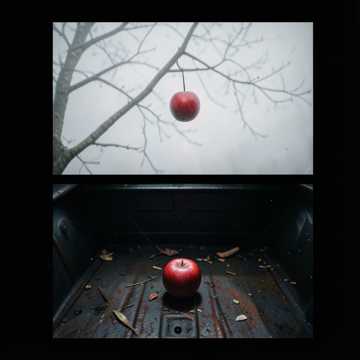
Pasażer, w. W Bagażniku .
Utwór przedstawia mroczny konflikt nasycony gniewem, ironią i groźbą odwetu. Szybkie partie rapowe przeplatają się ze spowolnieniami, skitami i efektami DJ-skimi, budując klaustrofobiczną atmosferę nocnej konfrontacji oraz moralnego rozliczenia.
01:58
7 days ago
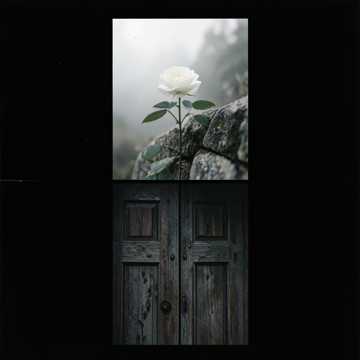
Magia Serca Duszy Kwiatu.
Mroczna, intensywna opowieść rapowa o bezwarunkowej miłości, tęsknocie i twórczej obsesji. Podmiot liryczny zamienia uczucia w surrealistyczne obrazy nieba, kwiatów, czasu i dźwięku, szukając sensu oraz bliskości ukochanej osoby.
05:10
9 days ago
Bardens Ord.
En introspektiv nordisk rapreise gjennom språkets kraft, sjelens labyrint og søken etter sannhet. Mørk boom bap, dystre ekko, scratch-effekter og episke vikingtoner skaper en atmosfære av mystikk, kamp og åndelig oppvåkning.
02:24
17 days ago
Ocean Słów...
Mroczny, refleksyjny rap przedstawia słowo jako narzędzie terapii i samopoznania. Podmiot zanurza się w emocjach, rozbiera język na atomy i szuka prawdy pośród wewnętrznego chaosu, łez oraz duchowej walki.
02:15
17 days ago
Droga.
Mroczna, introspektywna podróż przez emocje, samotną obserwację świata i poszukiwanie własnej tożsamości. Tekst łączy poezję, analizę myśli, muzykę oraz sztukę, ukazując duszę jako drogowskaz prowadzący przez chaos, ciszę i wewnętrzny mrok.
02:04
25 days ago
MEMBAWANGI
MEMBAWANGI membina suasana seram, liar dan absurd melalui gambaran stor bawah tanah, catatan merah, lolongan serta jeritan. Gabungan ska, reggae, rocksteady, punk dan grunge menghasilkan hentakan moshpit yang pantas, sementara pengulangan kata mencipta mantra kacau yang menghiburkan dan mengancam.
06:13
2026-09-27
Ludzie
Mroczny utwór rapowy o odzyskiwaniu kontroli po emocjonalnym wykorzystaniu. Podmiot liryczny, zraniony przez manipulację i fałsz, zamienia wrażliwość w siłę. Skratche, solówki gitarowe i skrzypcowe oraz chór wzmacniają atmosferę zagrożenia, odwetu i bolesnego otrzeźwienia.
03:42
2026-09-12
Back to Base
Ein düsteres Chaos-Anthem über eine unerbittliche Fünf-gegen-fünf-Schlacht: Gegner werden immer wieder besiegt, kaufen neue Items und kehren zurück, nur um erneut ins Visier zu geraten. Zwischen schwarzem Humor, Horror-Atmosphäre und eskalierenden Teamkämpfen wird jeder Rückweg zur taktischen Demütigung.
05:52
2026-09-06
Rue des Corbeaux
Instrumental nocturne aux accents de trap noir française, Rue des Corbeaux avance dans une tension lente et hypnotique. Le piano dépouillé, les cloches spectrales, les cordes ascendantes, les chœurs menaçants et le rire fêlé composent une scène urbaine, froide et presque horrifique.
03:00
2026-08-26
Understanding the Horror Mood Tag in Music
The 'horror mood' tag refers to a specific genre of music designed to evoke fear, suspense, or unease. It is often characterized by dissonant harmonies, eerie soundscapes, and unsettling rhythms that create a dark atmosphere. The origins of horror mood music can be traced back to the early 20th century, with influences from classical composers like Béla Bartók, who explored unsettling musical techniques. In the 1930s and 1940s, horror soundtracks for films began to gain prominence, with pioneers like Bernard Herrmann shaping the sound of modern horror cinema. Over the decades, horror mood music has evolved, incorporating elements from industrial, electronic, and ambient genres, becoming an essential tool in setting the tone for horror films, video games, and other media.
Sub-tags and Classifications of Horror Mood Music
Psychological Horror
Psychological horror music focuses on creating tension and discomfort through minimalistic and subtle sound elements. It often uses ambient sounds, dissonant chords, and eerie textures to suggest an unseen threat. This type of music plays on the mind, building unease without relying on sudden jumps or explicit sounds.
Survival Horror
Survival horror music is typically intense and aggressive, with heavy use of drones, sharp stabs of sound, and rhythmic dissonance to create a sense of impending danger. This genre of music is common in video games and films where the protagonist is faced with life-or-death situations, amplifying the urgency and tension.
Gothic Horror
Gothic horror music incorporates elements of classical and romantic styles to create an eerie, darkly atmospheric feel. It often features orchestral arrangements with choral voices, organ music, and slow, haunting melodies that invoke the mood of gothic literature, with themes of decay, supernatural forces, and madness.
Body Horror
Body horror music uses distortedHorror Mood Music Tag, grotesque sounds to represent the violation or transformation of the human body. With aggressive, unsettling textures, these compositions evoke physical revulsion and fear, often incorporating mechanical noises, squelches, and low-frequency drones to create discomfort and disgust.
Famous Artists and Works Related to Horror Mood Music
John Carpenter
John Carpenter is a pivotal figure in horror mood music, known for composing iconic soundtracks for films such as 'Halloween' (1978) and 'The Fog' (1980). His synthesizer-based compositions created a minimalist, atmospheric sound that became synonymous with horror. Carpenter's work influenced many modern horror composers and is celebrated for its ability to heighten tension and dread.
Halloween (1978)
The 'Halloween' soundtrack, composed by John Carpenter, is one of the most iconic horror scores in history. Its eerie, minimalist piano motif and synthesizer-driven ambiance created an atmosphere of relentless tension, emphasizing the slow, looming threat of Michael Myers. Carpenter's use of repetitive motifs to create unease revolutionized horror film scoring.
Bernard Herrmann
Bernard Herrmann's contributions to horror music are legendary, especially his work on Alfred Hitchcock's 'Psycho' (1960). The famous screeching string motifs in 'Psycho' became one of the most recognized horror themes in cinema. Herrmann's use of dissonance and innovative orchestral techniques helped shape the sound of psychological horror.
Psycho (1960)
Bernard Herrmann's score for 'Psycho' remains a cornerstone of horror music. The shrill, dissonant strings during the shower scene have become synonymous with the genre, representing the invasion of personal space and the sudden eruption of violence. Herrmann's innovative use of orchestral instruments to elicit fear and discomfort was groundbreaking.
Trent Reznor & Atticus Ross
Trent Reznor and Atticus Ross have brought a contemporary edge to horror mood music, particularly with their soundtrack for David Fincher's 'The Social Network' (2010) and the atmospheric score for 'The Girl with the Dragon Tattoo' (2011). Their experimental use of electronic sounds and industrial textures has influenced horror media by pushing the boundaries of sound design.
The Shining (1980)
The soundtrack for Stanley Kubrick's 'The Shining,' composed by Wendy Carlos and Rachel Elkind, incorporates unsettling ambient sounds, dissonant chords, and electronic textures to create a sense of madness and isolation. The music mirrors the psychological unraveling of the characters and adds to the oppressive atmosphere of the Overlook Hotel.
Application Scenarios of Horror Mood Music
Horror mood music plays a crucial role in setting the tone for horror films, using dissonance, eerie soundscapes, and sudden sonic bursts to build tension and create a sense of dread. Famous examples include the chilling scores of 'Halloween' (1978) and 'The Exorcist' (1973), where the music elevates the emotional stakes and enhances the scare factor.
Movie Soundtracks
In video games, horror mood music is vital in creating immersive and frightening experiences. Games like 'Silent Hill' and 'Resident Evil' rely heavily on atmospheric music to heighten the player's sense of fear and unease. The music evolves in response to the game environment, heightening anxiety during intense moments or amplifying isolation in quieter scenes.
Video Game Background Music
Horror mood music can also be effectively used in advertising to create a unique, memorable atmosphere or to evoke strong emotional responses from the audience. For instance, advertisements for Halloween events or horror-themed promotions often use sinister, eerie music to immediately communicate the thematic essence of fear and mystery.
Advertising