Free Horror Music Generator Powered by AI
Turn text into high-quality Horror music effortlessly – no login required!

music.toolTips
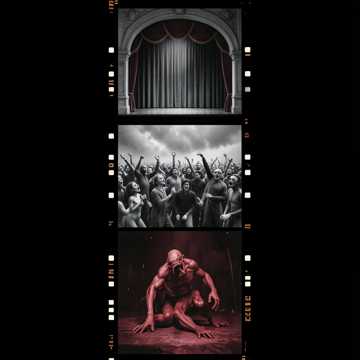
Conqueror Worm
A macabre theatrical vision unfolds before mourning angels as helpless mimes enact humanity's tragedy. Beneath shifting unseen forces, a blood-red worm consumes the cast, revealing death and horror as the inevitable rulers of the stage.
03:30
2 days ago
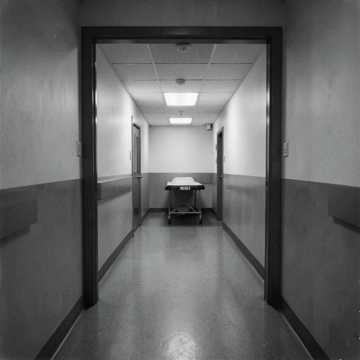
عهد القرين
تدور القصة داخل مشرحة الطب الشرعي، حيث يكتشف فؤاد والدكتور مصطفى جثة مركبة من أعضاء وأطراف مختلفة. يتصاعد الرعب مع غياب الملامح والخيوط، بينما يلوح احتمال وجود مجرم يحاول صناعة مسخ يتجاوز حدود الخرافة والعقل.
05:54
Invalid date
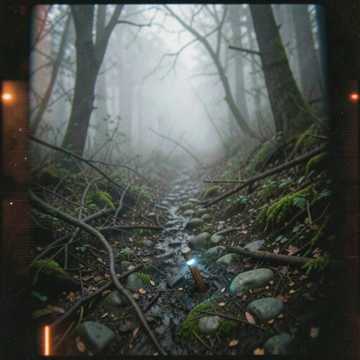
Valhalla.
En mørk rapmonolog om skyld, smerte og ønsket om å forsvinne. Vikingmytologi, dødssymbolikk, scratch og et langsomt avskjedsrefreng gjør teksten til et dystert indre oppgjør.
03:10
2 days ago
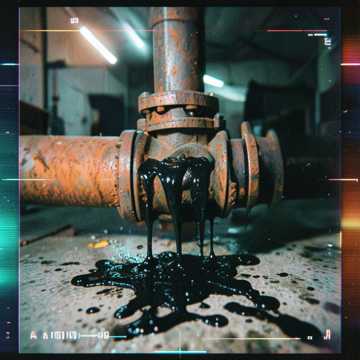
Obsession
A single repeated command becomes an urgent act of resistance in this brutal tearout dubstep track. Female vocals confront a threatening presence while clipped sub-bass, industrial rhythms, laser-like synths, and horror-driven drops create an unrelenting festival-pit sound.
02:10
2 days ago
Viking.
En mørk rapmonolog om selvforakt, søvnløshet og ønsket om å forsvinne. Fortelleren beveger seg gjennom smertefulle minner, dødssymbolikk og vikingmytisk billedspråk, mens scratch og et kort refreng forsterker følelsen av oppløsning.
03:02
2 days ago
Valhalla.
En mørk og selvgranskende rapfortelling der fortelleren kjemper med smerte, minner og følelsen av å forsvinne. Vikingbilder, dødssymbolikk, skrapete DJ-kutt og et dystert refreng forsterker en klaustrofobisk avskjed.
03:28
2 days ago
Valhalla.
Valhalla skildrer en forteller fanget i smerte, søvnløshet og selvforakt. Over mørk nordisk boombap og scratch vender teksten mot død, minner og skjebne, før stemmen trekker seg tilbake fra scenen og seg selv.
02:58
2 days ago
Vetro Nero
A darkly romantic cybertrance instrumental that balances mechanical tension with recurring piano melancholy. Ticking bells and horror-carillon motifs create suspense before explosive supersaw drops, while the isolated bridge turns the final climax into a cinematic release.
03:45
Invalid date
Campane di Vetro
Un viaggio strumentale tra inquietudine gotica e adrenalina rave. Campane deformate, bassi taglienti, cori spettrali e violini ispirati al barocco alimentano una progressione di panico controllato fino a un drop trance aggressivo e cinematografico.
04:07
Invalid date
Campane Nere
Un'esperienza cybertrance strumentale e inquietante, costruita su campane fredde, arpeggi serrati e impulsi trance-gate. I vuoti di sub-bass e i rintocchi invertiti preparano un drop monumentale, dove melodie minori, cori fantasmatici e texture metalliche trasformano la pista in un rito notturno.
04:13
Invalid date
1
Surrealistyczna, obsceniczna opowieść o rozpadającym się domu, nieudanym remoncie i narastającym konflikcie mieszkańców. Groteskowy refren oraz dziecięce szepty zamieniają codzienny bałagan w duszny horror pełen absurdu, brudu i paranoi.
06:18
2 days ago
Ghost Hunt
Ghost Hunt turns a midnight paranormal investigation into a frantic techno chase. Dark verses build suspense through whispers, spirits, and eerie discoveries, while the chanting chorus delivers energetic humor and a memorable battle cry for fearless bearded ghost hunters.
02:27
2 days ago
Coronation
Una aventura fantástica se convierte en pesadilla cuando una corona corrompe el reino. Entre un bosque muerto, sangre, voces y pérdidas, el narrador descubre que la coronación ha sellado a Mario, Sonic y Peach en un día eterno de horror.
03:55
2 days ago
3
Surrealistyczny horror muzyczny przedstawia rozpad domu i relacji jego mieszkańców poprzez wulgarne, groteskowe obrazy. Niewinne dziecięce głosy, refreny o budowniczym oraz narastający chaos zamieniają remontową opowieść w duszną, czarną komedię grozy.
06:02
2 days ago
Coronation day
Una aventura de fantasía se convierte en pesadilla cuando una corona corrompe el reino. Entre sangre, bosques apagados y figuras desaparecidas, Mario y Sonic buscan escapar de una entidad que ha congelado el tiempo y destruido toda esperanza.
03:09
2 days ago
House of Rain
A slow-burning dark ambient horror piece that transforms rain and creaking wood into an intimate chamber of suspense. Sparse piano, cello textures, reversed swells, and fractured chimes deepen the unease before the music recedes into low, claustrophobic drones.
03:08
3 days ago
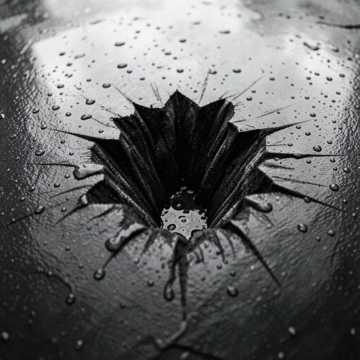
Sunken Sketch
A49-second dark ambient horror piece that follows the pressure of an underwater descent. Filtered bubbles, glass-like scrapes, distant choir haze, and sonar-weighted pulses build toward a sudden, waterlogged final strike.
03:03
3 days ago
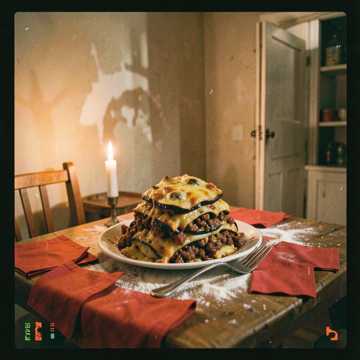
Moussaka Overload
A grotesque dinner-party anthem transforms moussaka into a symbol of appetite, ritual, and disappearance. Its theatrical narrator invites listeners into a lavish feast where laughter, hunger, and menace mingle until only a warm dish and polished bone remain.
03:53
3 days ago
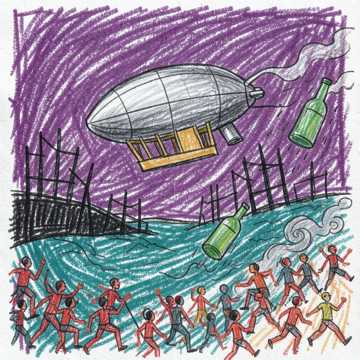
The Day I Was Born
A sinister operatic figure unleashes supernatural ruin from a silver blimp above an October town. Through grotesque transformations, panic, and vengeful revelation, he claims his long-awaited dominion in a vast gothic symphonic metal finale.
04:34
Invalid date
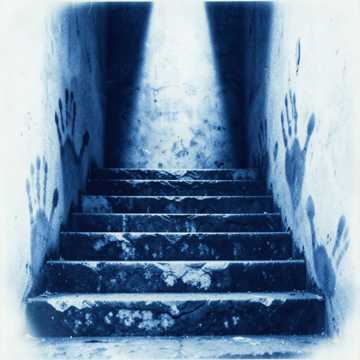
La Sorcière ne veut pas vous
Dans une maison hantée, une sorcière âgée avertit les passants de repartir. Sa voix, ses souvenirs et ses pouvoirs invisibles transforment une simple curiosité en menace obsédante, portée par une ambiance gothique, lente et théâtrale.
03:53
3 days ago
Introduction to the Horror Music Genre
Horror music is a genre characterized by its ability to evoke fear, suspense, and unease in its listeners. Its roots can be traced back to early film scores of the 1930s, where composers utilized dissonant chords, eerie melodies, and unsettling rhythms to enhance the horror elements of movies. Over time, horror music evolved to include a wide range of sounds and styles, from orchestral compositions to electronic and ambient tracks, all designed to amplify the psychological tension in various media.
Sub-genres and Classifications within Horror Music
Orchestral Horror
Orchestral Horror is a sub-genre that utilizes traditional orchestral instruments to create dramatic and terrifying soundscapes. It is often associated with classic horror films, where sweeping strings, ominous brass, and intense percussion build a sense of impending doom.
Ambient Horror
Ambient Horror focuses on creating a haunting atmosphere through the use of soundscapes, drones, and minimalistic melodies. This sub-genre is often used in psychological horror to evoke a sense of dread and unease without relying on sudden musical shifts.
Electronic Horror
Electronic Horror incorporates synthesizers, digital effects, and other electronic elements to produce unsettling and futuristic sounds. This sub-genre gained popularity with the rise of slasher films in the 1980s and remains a staple in modern horror music.
Industrial Horror
Industrial Horror blends aggressive and mechanical sounds, often using distorted noise and harsh rhythms to create a chaotic and menacing atmosphere. This sub-genre is frequently associated with horror films that have themes of dystopia and madness.
Experimental Horror
Experimental Horror pushes the boundaries of traditional music by incorporating unconventional instruments, techniques, and structures. This sub-genre often features disjointed rhythms, unusual timbres, and abrupt shifts, making it highly effective in creating disorienting and surreal experiences.
Famous Artists and Iconic Works in Horror Music
Bernard Herrmann
Bernard Herrmann is one of the most iconic composers in horror music, known for his work on Alfred Hitchcock's 'Psycho'. His use of sharp, staccato strings in the famous shower scene revolutionized the way music could be used to heighten terror in film.
Psycho (1960) - Bernard Herrmann
Herrmann's score for 'Psycho' is a masterpiece of horror music, particularly the 'shower scene' which uses piercing string motifs to create an almost unbearable tension. The score's minimalist approach influenced countless horror films that followed.
John Carpenter
John Carpenter, a director and composer, is renowned for his minimalist and synthesizer-based scores in films like 'Halloween'. His music is known for its repetitive motifs that build tension and fear, contributing significantly to the horror genre.
Halloween (1978) - John Carpenter
Carpenter's 'Halloween' theme is one of the most recognizable pieces of horror music. Its simple, repetitive piano melody is both haunting and relentless, perfectly capturing the unstoppable nature of the film's antagonist, Michael Myers.
Goblin
The Italian progressive rock band Goblin became famous for their work on Dario Argento's 'Suspiria'. Their use of rock elements combined with eerie sound effects and unconventional instruments helped define the sound of Italian horror cinema.
Suspiria (1977) - Goblin
The score for 'Suspiria' is a complex blend of progressive rock, eerie whispers, and experimental sounds. Goblin's music amplifies the film's surreal and nightmarish atmosphere, making it a cornerstone of horror music.
Krzysztof Penderecki
Krzysztof Penderecki, a Polish composer, is known for his avant-garde and dissonant compositions. His works, such as 'Threnody to the Victims of Hiroshima', have been used in horror films like 'The Shining' to create an atmosphere of absolute terror.
The Shining (1980) - Krzysztof Penderecki
Penderecki's avant-garde compositions in 'The Shining' create an overwhelming sense of dread and unease. The dissonant and chaotic nature of his music mirrors the mental unraveling of the film's protagonist, making it an essential element of the horror experience.
Akira Yamaoka
Akira Yamaoka is a Japanese composer best known for his work on the 'Silent Hill' video game series. His use of industrial sounds, dark ambient music, and haunting melodies set a new standard for horror soundtracks in video games.
Silent Hill (1999) - Akira Yamaoka
Yamaoka's score for 'Silent Hill' revolutionized horror video game music with its use of industrial noises, ambient soundscapes, and melancholic melodies. The music not only enhanced the horror elements but also deepened the emotional impact of the game.
Application Scenarios for Horror Music
Horror music is most commonly used in film soundtracks to heighten suspense, fear, and emotional intensity. Whether it's the ominous tones of a ghost story or the frenetic beats of a slasher film, horror music plays a crucial role in shaping the audience's experience.
Film Soundtracks
In video games, horror music is used to create an immersive atmosphere that keeps players on edge. Games like 'Silent Hill' and 'Resident Evil' use eerie soundscapes and sudden musical cues to enhance the horror experience, making the gameplay more engaging and terrifying.
Video Games
Horror music is often employed in haunted houses, escape rooms, and other horror-themed attractions. The music helps to set the mood and can be used to build anticipation, making the scares more effective and the overall experience more immersive.
Haunted Attractions
Horror music is sometimes used in advertising, particularly for horror films, TV shows, or Halloween-themed products. The music can create a sense of mystery or fear that draws the viewer's attention and enhances the appeal of the product being advertised.
Advertising
In theatre and live performances, horror music can be used to underscore dramatic moments and heighten the emotional impact. The music helps to convey the tension and fear of the scene, making the audience's experience more intense and memorable.
Theatre and Live Performances