Free Horror Music Generator Powered by AI
Turn text into high-quality Horror music effortlessly – no login required!

music.toolTips
The Day I Was Born
A sinister operatic figure unleashes supernatural ruin from a silver blimp above an October town. Through grotesque transformations, panic, and vengeful revelation, he claims his long-awaited dominion in a vast gothic symphonic metal finale.
04:34
Invalid date
La Sorcière ne veut pas vous
Dans une maison hantée, une sorcière âgée avertit les passants de repartir. Sa voix, ses souvenirs et ses pouvoirs invisibles transforment une simple curiosité en menace obsédante, portée par une ambiance gothique, lente et théâtrale.
03:53
3 days ago
Conqueror Worm
A mournful theatrical vision portrays human life as a doomed drama watched by grieving angels. Invisible forces move the players until a blood-red worm consumes them, revealing mortality as the final and conquering hero.
02:56
3 days ago
Conqueror Worm
A female-fronted emo pop-punk rendering of a gothic theatrical nightmare. Angels watch humanity perform its tragic cycle until a blood-red worm consumes the actors, revealing death and horror as the play's inevitable victor.
02:56
3 days ago
Conqueror Worm
A female-led punk interpretation of a gothic theatrical nightmare: celestial spectators watch humanity's tragic drama unravel as an invading worm consumes the performers. Its restless, ominous imagery turns death into the inevitable hero of the stage.
02:35
3 days ago
Conqueror Worm
A gothic theatrical meditation on human tragedy, where angels witness a doomed performance and a blood-red worm devours its actors. Alternative electronic textures and female vocals intensify the poem's fatalistic horror and cosmic melancholy.
03:38
3 days ago
Conqueror Worm
A haunting punk-pop adaptation of a gothic theatrical nightmare: angels watch humanity perform a doomed drama until a blood-red worm consumes the players, exposing mortality, madness, sin, and horror as the final forces on stage.
02:32
3 days ago
Conqueror Worm
A dark theatrical punk-pop duet depicts humanity as a doomed stage play. Amid angels, puppets, fear, and madness, the Conqueror Worm emerges as an unstoppable symbol of mortality, consuming the cast while the curtain falls on mankind's tragedy.
02:46
3 days ago
Conqueror Worm
A gothic theatrical tragedy unfolds before grieving angels as human life becomes a grotesque play. Puppets chase unseen forces until a blood-red worm devours the performers, revealing mortality as the ultimate victor.
02:23
3 days ago
Conqueror Worm
A grim theatrical vision unfolds as angels watch humanity perform a cycle of hope, fear, madness, and sin. Invisible forces control the puppets until a blood-red worm devours the stage, revealing humankind as the tragic hero of an eternal, horrifying drama.
02:47
3 days ago
Conqueror Worm
A grim theatrical vision portrays humanity as a doomed drama ruled by a blood-red worm. Punk and emo intensity amplify the poem's images of angels, puppets, madness, death, and an inevitable final curtain.
03:20
3 days ago
Conqueror Worm
A gothic theatrical vision casts humanity as a tragic play controlled by unseen forces. Amid dread, madness, sin, and grief, a monstrous worm enters the stage, devours the performers, and is declared the conqueror of mankind.
02:55
3 days ago
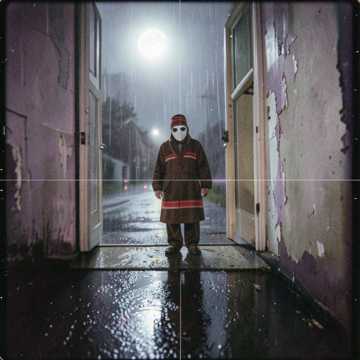
Nightmare on Halloween
A rain-soaked Halloween crossover unfolds as Freddy arrives on Michael's territory. Music-box tension and forceful drums frame a wordless confrontation between dream-born terror and an unrelenting masked presence beneath the full moon.
00:51
3 days ago
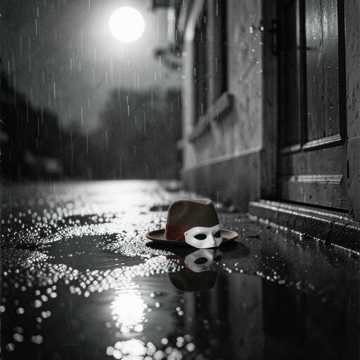
Nightmare on Halloween
A rain-soaked Halloween confrontation pits Freddy Krueger against Michael Myers in Haddonfield. Music-box suspense, pounding drums, and cinematic horror energy build a catchy, compact battle scene where dream terror meets silent, relentless menace.
00:34
3 days ago
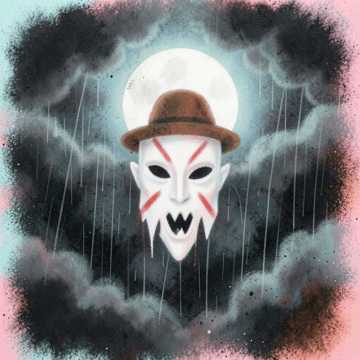
Nightmare on Halloween
A short, cinematic Halloween horror track imagines two iconic killers converging on a moonlit suburban street. Music-box melodies, rainfall, drums, and layered male vocals turn their silent standoff into a tense, epic nightmare battle.
00:43
3 days ago
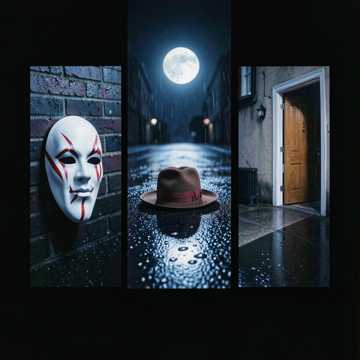
Nightmare on Halloween
A short, vivid horror showdown unfolds under a full moon as Freddy arrives in Michael Myers' territory. Blending rain-soaked atmosphere, music-box suspense, heavy drums, and cinematic intensity, the song presents two legendary killers facing off in a tense Halloween nightmare.
00:36
3 days ago
Nebbia in Piano
An instrumental dark ambient horror piece that builds from sparse, breath-like drones into a haunted vocal-shaped climax. Static, warped lullaby fragments, sub-bass pulses, and decaying tape textures create a close, fogbound sense of unease.
03:14
Invalid date
Halloween Town
A witch guides listeners into Halloween Town, where an immortal skeleton king summons ghosts and restless bones for one night of haunted celebration. Galloping rock rhythms, cinematic sound effects, eerie narration, drum breaks, and lead guitar turn the tale into a catchy supernatural procession.
07:20
3 days ago
Rubbersazzle in the House
A high-energy Halloween EDM intro that summons a sinister party atmosphere through filtered monster announcements, horror sound design, dark brass synths, and a forceful dubstep drop. Its brief structure makes it ideal for dramatic entrances, haunted events, and DJ set openings.
02:24
Invalid date
Whistle Awakening
A cold, cinematic dark ambient piece that evolves from isolated tuned whistles and reversed air swells into dissonant drones, cracked bells, layered harmonics, and a low spectral rumble. Its sparse ritual pulse and whispered textures create an unsettling sense of awakening.
03:23
3 days ago
Introduction to the Horror Music Genre
Horror music is a genre characterized by its ability to evoke fear, suspense, and unease in its listeners. Its roots can be traced back to early film scores of the 1930s, where composers utilized dissonant chords, eerie melodies, and unsettling rhythms to enhance the horror elements of movies. Over time, horror music evolved to include a wide range of sounds and styles, from orchestral compositions to electronic and ambient tracks, all designed to amplify the psychological tension in various media.
Sub-genres and Classifications within Horror Music
Orchestral Horror
Orchestral Horror is a sub-genre that utilizes traditional orchestral instruments to create dramatic and terrifying soundscapes. It is often associated with classic horror films, where sweeping strings, ominous brass, and intense percussion build a sense of impending doom.
Ambient Horror
Ambient Horror focuses on creating a haunting atmosphere through the use of soundscapes, drones, and minimalistic melodies. This sub-genre is often used in psychological horror to evoke a sense of dread and unease without relying on sudden musical shifts.
Electronic Horror
Electronic Horror incorporates synthesizers, digital effects, and other electronic elements to produce unsettling and futuristic sounds. This sub-genre gained popularity with the rise of slasher films in the 1980s and remains a staple in modern horror music.
Industrial Horror
Industrial Horror blends aggressive and mechanical sounds, often using distorted noise and harsh rhythms to create a chaotic and menacing atmosphere. This sub-genre is frequently associated with horror films that have themes of dystopia and madness.
Experimental Horror
Experimental Horror pushes the boundaries of traditional music by incorporating unconventional instruments, techniques, and structures. This sub-genre often features disjointed rhythms, unusual timbres, and abrupt shifts, making it highly effective in creating disorienting and surreal experiences.
Famous Artists and Iconic Works in Horror Music
Bernard Herrmann
Bernard Herrmann is one of the most iconic composers in horror music, known for his work on Alfred Hitchcock's 'Psycho'. His use of sharp, staccato strings in the famous shower scene revolutionized the way music could be used to heighten terror in film.
Psycho (1960) - Bernard Herrmann
Herrmann's score for 'Psycho' is a masterpiece of horror music, particularly the 'shower scene' which uses piercing string motifs to create an almost unbearable tension. The score's minimalist approach influenced countless horror films that followed.
John Carpenter
John Carpenter, a director and composer, is renowned for his minimalist and synthesizer-based scores in films like 'Halloween'. His music is known for its repetitive motifs that build tension and fear, contributing significantly to the horror genre.
Halloween (1978) - John Carpenter
Carpenter's 'Halloween' theme is one of the most recognizable pieces of horror music. Its simple, repetitive piano melody is both haunting and relentless, perfectly capturing the unstoppable nature of the film's antagonist, Michael Myers.
Goblin
The Italian progressive rock band Goblin became famous for their work on Dario Argento's 'Suspiria'. Their use of rock elements combined with eerie sound effects and unconventional instruments helped define the sound of Italian horror cinema.
Suspiria (1977) - Goblin
The score for 'Suspiria' is a complex blend of progressive rock, eerie whispers, and experimental sounds. Goblin's music amplifies the film's surreal and nightmarish atmosphere, making it a cornerstone of horror music.
Krzysztof Penderecki
Krzysztof Penderecki, a Polish composer, is known for his avant-garde and dissonant compositions. His works, such as 'Threnody to the Victims of Hiroshima', have been used in horror films like 'The Shining' to create an atmosphere of absolute terror.
The Shining (1980) - Krzysztof Penderecki
Penderecki's avant-garde compositions in 'The Shining' create an overwhelming sense of dread and unease. The dissonant and chaotic nature of his music mirrors the mental unraveling of the film's protagonist, making it an essential element of the horror experience.
Akira Yamaoka
Akira Yamaoka is a Japanese composer best known for his work on the 'Silent Hill' video game series. His use of industrial sounds, dark ambient music, and haunting melodies set a new standard for horror soundtracks in video games.
Silent Hill (1999) - Akira Yamaoka
Yamaoka's score for 'Silent Hill' revolutionized horror video game music with its use of industrial noises, ambient soundscapes, and melancholic melodies. The music not only enhanced the horror elements but also deepened the emotional impact of the game.
Application Scenarios for Horror Music
Horror music is most commonly used in film soundtracks to heighten suspense, fear, and emotional intensity. Whether it's the ominous tones of a ghost story or the frenetic beats of a slasher film, horror music plays a crucial role in shaping the audience's experience.
Film Soundtracks
In video games, horror music is used to create an immersive atmosphere that keeps players on edge. Games like 'Silent Hill' and 'Resident Evil' use eerie soundscapes and sudden musical cues to enhance the horror experience, making the gameplay more engaging and terrifying.
Video Games
Horror music is often employed in haunted houses, escape rooms, and other horror-themed attractions. The music helps to set the mood and can be used to build anticipation, making the scares more effective and the overall experience more immersive.
Haunted Attractions
Horror music is sometimes used in advertising, particularly for horror films, TV shows, or Halloween-themed products. The music can create a sense of mystery or fear that draws the viewer's attention and enhances the appeal of the product being advertised.
Advertising
In theatre and live performances, horror music can be used to underscore dramatic moments and heighten the emotional impact. The music helps to convey the tension and fear of the scene, making the audience's experience more intense and memorable.
Theatre and Live Performances