Free Joseon Era Music Generator Powered by AI
Turn text into high-quality Joseon Era music effortlessly – no login required!

music.toolTips
월하백년
달빛 아래 사랑을 맺은 부부가 사계절과 세월의 풍파를 함께 견뎌 온 시간을 돌아본다. 늙어가는 서로를 여전히 꽃과 봄으로 바라보며, 생이 다하는 날까지 곁을 지키겠다는 변치 않는 사랑을 담은 국악 퓨전 발라드다.
06:54
4 days ago
월하백년
월하백년은 세월이 흘러도 변치 않는 부부의 사랑을 달빛과 사계절의 이미지로 그린 국악 퓨전 발라드다. 깊은 남성 바리톤과 전통 악기의 선율이 함께 늙어가는 인연의 감사와 영원을 감동적으로 노래한다.
06:14
4 days ago
korean Jangan Pergi, Aku Tak Rela, dan Aku Sakit
떠나려는 연인에게 가지 말아 달라고 간절히 매달리는 여인의 비통한 사랑 노래다. 잔잔한 전통 악기와 피아노로 시작해, 절절한 고음과 폭발적인 마지막 후렴으로 이별 앞의 절망을 극적으로 끌어올린다.
04:43
8 days ago
korean ku kira hanya mimpi
멀리서만 바라보던 연인이 마침내 자신의 운명이 되었다는 믿기 어려운 행복을 노래한다. 꿈처럼 찾아온 사랑을 놓지 않고 삶의 끝까지 지키겠다는 맹세가 한국 전통 악기와 서정적인 선율 속에서 절절하게 피어난다.
04:38
8 days ago
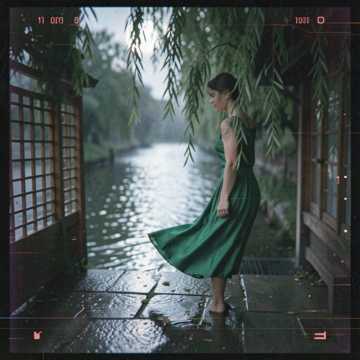
월하초연
달빛 어린 궁궐을 배경으로, 말하지 못한 열여섯의 첫사랑과 긴 그리움을 노래한다. 영산회상의 느린 흐름을 따라 설렘과 애달픔이 깊어지고, 세월이 흘러도 지워지지 않는 사랑의 기억으로 잔잔하게 마무리된다.
04:05
2026-09-02
Introduction to the Joseon Era: A Historical Overview
The Joseon era, spanning from 1392 to 1897, was a dynastic kingdom in Korea that profoundly influenced the region's culture, arts, and politics. Established by Yi Seong-gye, the Joseon Dynasty marked a significant shift towards Confucianism, which played a central role in shaping the cultural and artistic expressions of the time. Music during the Joseon era was heavily influenced by Confucian ideals, leading to the development of unique court music, folk music, and ritualistic compositions that remain an integral part of Korea's cultural heritage.
Sub-tags and Classifications of Joseon Era Music
Court Music (Jeongak)
Jeongak, or court music, was primarily performed in the royal court and was characterized by its formal and restrained style. This genre of music was used in official ceremonies, banquets, and rituals, reflecting the Confucian values of the Joseon Dynasty. The music was performed using traditional instruments such as the gayageum, geomungo, and daegeum, and often featured compositions that celebrated the monarchy and the state.
Folk Music (Minseokak)
Minseokak, or folk music, represented the everyday life and emotions of the common people during the Joseon era. Unlike the more structured court music, folk music was more spontaneous and expressive, featuring genres such as pansori (a form of musical storytelling), nongak (farmers' music), and sanjo (a solo instrumental performance). These forms of music were deeply intertwined with the cultural and social practices of the time.
Ritual Music (Aak)
Aak was ritual music derived from Chinese court music, specifically used in Confucian ceremonies during the Joseon era. It was performed during ancestral rites and state rituals to honor the heavens and ancestors, emphasizing harmony and reverence. The music was solemn and highly structured, reflecting the Confucian belief in order and respect for tradition.
Famous Artists and Iconic Works of the Joseon Era
Yi Ji-hwan
Yi Ji-hwan was a prominent court musician and composer during the Joseon era, known for his contributions to the development of Jeongak. His works often reflected the sophisticated aesthetics of the royal court, and he played a key role in preserving and transmitting the traditions of court music.
Yeongsan Hoesang
Yeongsan Hoesang is one of the most iconic works of Joseon era court music, originally a Buddhist ceremonial piece that evolved into a purely instrumental suite. The composition is a prime example of the refined and contemplative nature of Jeongak, featuring a variety of traditional instruments in a structured yet expressive performance.
Kim Sejong
Kim Sejong was a renowned pansori singer, celebrated for his mastery of the genre's expressive storytelling. His performances were deeply rooted in the emotions and experiences of the common people, making him a beloved figure in the realm of folk music during the Joseon era.
Heungboga
Heungboga is a classic pansori tale, one of the five remaining pansori stories still performed today. It tells the story of Heungbo and his brother Nolbo, blending humor, pathos, and moral lessons through a dynamic musical narrative. This work is a quintessential representation of Joseon-era folk music, showcasing the emotional depth and cultural richness of the time.
Application Scenarios for Joseon Era Music
Joseon era music is often used in the soundtracks of historical dramas, providing an authentic auditory backdrop that enhances the narrative's historical setting. The use of traditional instruments and compositions helps transport viewers to the time of the Joseon Dynasty, adding depth and realism to the storytelling.
Historical Drama Soundtracks
During cultural festivals and ceremonies, especially those celebrating Korean heritage, Joseon era music is frequently performed to honor tradition and connect attendees with the past. The music serves as a powerful reminder of Korea's rich history and cultural identity.
Cultural Festivals and Ceremonies
Educational content and documentaries about Korean history often feature Joseon era music to illustrate the cultural and artistic context of the time. This music not only enriches the narrative but also helps viewers and listeners better understand the era's social and philosophical values.
Educational Content and Documentaries