Free Levantine Dabke Music Generator Powered by AI
Turn text into high-quality Levantine Dabke music effortlessly – no login required!

music.toolTips
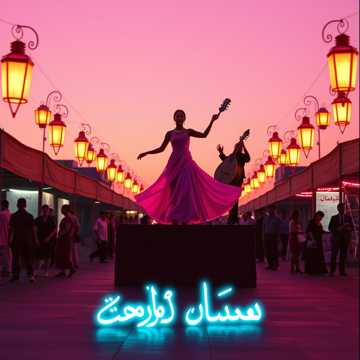
يما الهوى عذبني دمر حالي
A heartfelt song expressing the intense emotions of love and heartbreak, blending traditional Levantine and Iraqi Chobi rhythms with electronic sounds, driven by a rhythmic darbuka beat and an evocative vocal performance.
03:08
Invalid date
Introduction to Levantine Dabke: Origins and Cultural Significance
Levantine Dabke is a traditional folk dance and musical genre originating from the Levant region, including countries such as Lebanon, Palestine, Jordan, and Syria. Characterized by rhythmic stomping, synchronized group movements, and energetic melodies, Dabke serves both as a communal dance and a form of cultural expression. Its roots trace back centuries, often associated with agricultural celebrations, weddings, and social gatherings. Over time, Levantine Dabke evolved to incorporate modern instruments alongside traditional percussion and strings, blending heritage with contemporary musical styles. The music of Levantine Dabke is typically marked by the use of instruments such as the mijwiz (double-reed flute), tabla (drum), oud (lute), and darbuka, creating a dynamic, rhythmic sound that encourages collective dance participation.
Sub-tags and Classifications of Levantine DabkeLevantine Dabke Overview
Traditional Dabke
Traditional Dabke represents the classical form of the dance and music, maintaining strict adherence to folkloric rhythms, melodic structures, and communal dance formations. It is performed using traditional instruments such as the tabla, mijwiz, and oud, emphasizing the cultural authenticity of the Levantine region.
Modern Dabke
Modern Dabke is an evolved form that blends traditional Levantine Dabke rhythms with contemporary musical elements, including electronic beats, synthesizers, and modern string arrangements. This sub-tag appeals to younger audiences and is often featured in concerts, festivals, and fusion music projects.
Wedding Dabke
Wedding Dabke is a celebratory variant performed during weddings and large social gatherings. It features lively, upbeat rhythms designed to energize participants, often including call-and-response vocal sections and extended instrumental solos to enhance the festive atmosphere.
Regional Dabke Styles
Regional Dabke styles highlight the musical and choreographic differences across Levantine countries. For example, Palestinian Dabke emphasizes the dum and tek rhythm patterns, Lebanese Dabke often includes complex footwork and faster tempos, while Jordanian Dabke incorporates circular formations and synchronized stomping.
Famous Artists and Iconic Works in Levantine Dabke
Sabah Fakhri
Sabah Fakhri was a legendary Syrian singer known for integrating Dabke rhythms into traditional Arabic music. His renditions helped popularize Levantine folk music across the Middle East and introduced Dabke elements to broader audiences.
Ya Zareef Al Tool
This iconic Levantine Dabke song is known for its vibrant rhythm and call-and-response vocals, embodying the essence of communal celebration. Its persistent beat and melodic progression encourage group participation and showcase the traditional instrumentation of the region.
Farid al-Atrash
Farid al-Atrash, a renowned composer and oud player, incorporated Dabke-inspired rhythms into many of his songs, bridging traditional Levantine sounds with classical Arabic music, thus influencing modern Dabke performances.
Dal'ouna
Dal'ouna is a classic Palestinian Dabke piece often performed at weddings and social gatherings. The song is characterized by repetitive, hypnotic rhythms and strong percussion, reflecting the historical and cultural roots of Dabke while inspiring synchronized group dancing.
Mohammed Assaf
Mohammed Assaf, a contemporary Palestinian singer, revived interest in Palestinian Dabke through modern adaptations and televised performances, bringing global attention to the energetic and culturally rich dance form.
Zareef Et-Toul
This Lebanese Dabke classic blends traditional folk melodies with fast-paced percussion, demonstrating the agility required for Dabke footwork. Its musical structure has influenced numerous contemporary Dabke compositions and remains a staple in cultural performances.
Application Scenarios of Levantine Dabke Music
Levantine Dabke music can enhance cultural authenticity in films set in the Middle East. Its energetic rhythms and distinctive melodies provide a lively backdrop for dance scenes, celebrations, and traditional settings.
Film Soundtracks
Dabke music is widely used in weddings, parties, and cultural festivals. Its rhythmic and communal nature encourages audience participation, making it ideal for lively celebrations.
Wedding and Event Music
Marketers often use Levantine Dabke tracks to create vibrant, culturally resonant advertisements targeting audiences in the Middle East or for global campaigns featuring Middle Eastern themes.
Advertising and Marketing
Dabke-inspired music is increasingly incorporated into video games with Middle Eastern settings or themes, providing immersive rhythmic layers that enhance gameplay experience and cultural ambiance.
Video Game Background Music
Levantine Dabke music is frequently used in schools, cultural workshops, and performance arts programs to teach traditional dance and music, preserving heritage and engaging new generations.
Cultural Education and Performances