Free Low Brass Music Generator Powered by AI
Turn text into high-quality Low Brass music effortlessly – no login required!

music.toolTips
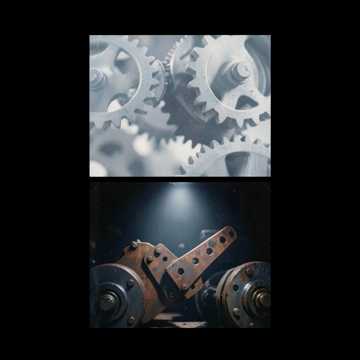
C5-8 Then Let Us Begin
A cold, authoritarian husband urges his wife to enter a colossal machine and unleash its power. Through industrial percussion, ominous brass, and restrained baritone vocals, the song explores control, technological domination, marital loyalty, ambition, and the terrifying moment when potential becomes action.
04:50
2026-08-15

Tor aus Feuer
Ein gewaltiges Instrumental über den Durchbruch durch ein feuriges Tor. Wuchtige Taikos, tiefe Blechbläser, ansteigende Streicher, breite Harmonien und Chorfanfaren steigern die Spannung von einem sparsamen Beginn bis zu einem triumphalen Finale.
07:23
2026-08-15

C6-2 Then Let Us Begin
A controlled, authoritarian narrator invites his wife to wield a vast machine and claim limitless power. Recurring low-brass motifs, industrial impacts, and restrained baritone vocals turn their partnership into a chilling declaration of conquest and mutual ambition.
04:58
2026-08-14
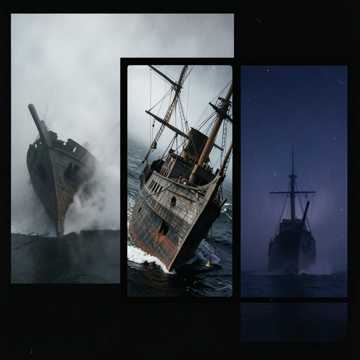
ЛЕТУЧИЙ ГОЛЛАНДЕЦЬ
Пісня змальовує зламаний корабель-привид, який без капітана й команди невпинно тримає курс крізь туман. Його можна знищити, але неможливо позбавити сутності: він повертається знову, ставши символом пам’яті, витривалості та незавершеного призначення.
04:55
2026-08-14
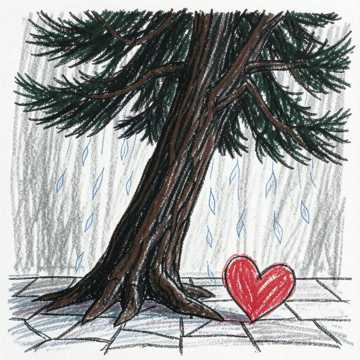
Fallen Cedar Hall
A somber orchestral elegy shaped by mournful solo violin, deep cello drones, sparse piano, distant wordless choir, and low brass. Its wide, reverberant soundscape suggests a deserted cedar hall, making it suited to tragic film scenes, memorials, reflective storytelling, and emotionally charged game sequences.
03:44
2026-08-12
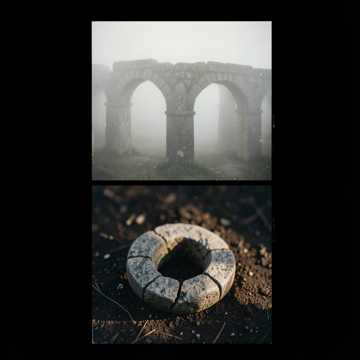
C3-2 What Remains
A detached witness reflects on time, death, memory, and the uncertain remnants of identity. Deep strings and pipe organ lead a slow, percussionless procession through recurring motifs, dissonant climaxes, and funeral bells, creating an unsettling meditation on impermanence and what the heart refuses to release.
06:00
2026-08-12
Rain Circuit
Rain Circuit unfolds as a slow, atmospheric journey through a neon-soaked cyberpunk city. Foggy synths, sub-rumbles, metallic drones, glitching bells, tape flutter, and rain-like percussion gradually expand into cinematic brass and reversed textures, creating a hypnotic sense of solitude, circuitry, and nocturnal transformation.
04:50
2026-08-11
Gold Star Lease
Gold Star Lease celebrates effortless privilege, luxury, and calculated confidence. Its narrator treats success as natural, rejecting hustle culture while moving with calm authority. Laid-back Chicago drill production, polished vocal layers, icy piano, heavy bass, and ominous orchestration reinforce the song's glossy, self-assured attitude.
01:27
2026-08-09
Black Glass Chapel
A slow-blooming horror instrumental that begins with sparse strings, room tone, and fragile piano fragments before gathering reversed swells, low brass, and trembling choir. Its haunted chapel atmosphere suits supernatural cinema, psychological thrillers, gothic games, abandoned-place scenes, and tense nighttime storytelling.
03:27
2026-08-09
War Table
War Table builds a bright, commanding battlefield atmosphere through driving snare rhythms, low brass, plucked-string tension, and triumphant horn lifts. Sparse percussion expands into taiko, choir, and cinematic impacts, creating a strategic soundtrack suited to decisive planning, faction conflicts, and heroic victories.
07:05
2026-08-09
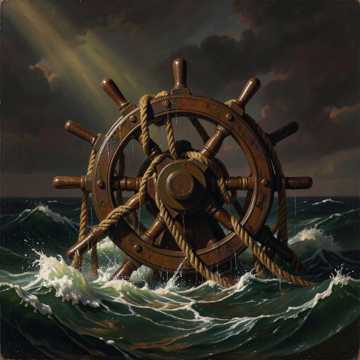
Harborfall Anthem
A cinematic instrumental that turns a storm-lashed harbor into a dubstep arena. Low brass, plucked fiddle-like synths, crew-rhythm percussion, and massive wobble bass build from tense nautical ritual into a crushing, communal drop.
03:35
2026-08-08
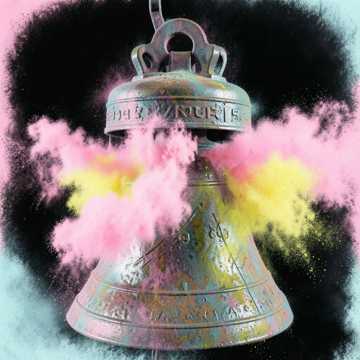
War Bellows
A high-impact cinematic trailer piece that moves from isolated piano and distant impacts into escalating taiko rhythms, tense ostinatos, brass pulses, and an explosive orchestral finale.
02:55
2026-08-08
Introduction to Low Brass: Definition and History
Low brass refers to a group of brass instruments that produce low-pitched, rich, and resonant tones. This category typically includes the trombone, euphonium, tuba, and occasionally the bass trombone and contrabass trombone. Low brass instruments have been integral to orchestras, brass bands, and various musical ensembles, providing depth and power to the overall sound. The origins of low brass can be traced back to the development of brass instruments in ancient civilizations, but the modern versions have evolved significantly since the Renaissance and Baroque periods. During these eras, innovations in instrument design and manufacturing led to the creation of the trombone, one of the earliest low brass instruments. The 19th century saw further advancements, particularly with the invention of the tuba and euphonium, which expanded the range and versatility of the low brass family.
Sub-tags and Classifications of Low Brass Instruments
Trombone
The trombone is a prominent low brass instrument known for its telescopic slide mechanism, which allows for continuous pitch variation. It has a rich, robust sound that can be both powerful and mellow, making it versatile for various musical genres. The trombone is widely used in orchestras, jazz bands, brass bands, and military bands. There are several types of trombones, including the tenor trombone, bass trombone, and contrabass trombone, each offering different ranges and tonal characteristics.
Euphonium
The euphonium is a brass instrument that resembles a small tuba. It has a conical bore, which gives it a warm, smooth tone. The euphonium is mainly used in brass bands, wind bands, and military bands, but it also appears in orchestral and solo performances. It is known for its expressive, lyrical capabilities and is often featured in solo passages and melodic lines within ensemble settings.
Tuba
The tuba is the largest and lowest-pitched brass instrument. It plays a foundational role in orchestras, brass bands, and wind ensembles, providing the bass line and supporting the harmonic structure. The tuba's deep, resonant sound is achieved through its wide bore and large bell. There are various types of tubas, including the BBb, CC, Eb, and F tubas, each differing in size and pitch range.
Bass Trombone
The bass trombone is a variant of the standard trombone, designed to play in the lower register. It is slightly larger and has additional tubing or valves to extend its range downward. The bass trombone is a staple in symphony orchestras, concert bands, and brass ensembles, known for its powerful, dark sound and ability to blend well with other low brass instruments.
Famous Artists and Works Related to Low Brass
Christian Lindberg
Christian Lindberg is a renowned Swedish trombonist known for his virtuosic playing and significant contributions to the repertoire for the trombone. He has commissioned and premiered numerous works by contemporary composers, pushing the boundaries of what the trombone can achieve in both solo and ensemble contexts.
Mahler's Symphony No. 2
Gustav Mahler's Symphony No. 2, also known as the 'Resurrection Symphony,' features prominent low brass sections that provide both dramatic and solemn undertones. The use of the tuba and trombone in this symphony highlights their ability to convey deep emotion and contribute to the symphony's powerful, majestic sound.
Joseph Alessi
Joseph Alessi is the principal trombonist of the New York Philharmonic and one of the most prominent figures in the world of classical trombone performance. His technical prowess and musical expressiveness have inspired many young trombonists and expanded the instrument's role in the orchestral setting.
The Planets by Gustav Holst
Holst's orchestral suite 'The Planets' showcases the low brass in movements such as 'Mars, the Bringer of War,' where the trombones and tuba create a menacing, martial atmosphere. The powerful, rhythmic low brass lines underscore the movement's intensity and foreboding nature.
Roger Bobo
Roger Bobo is an American tuba virtuoso who has played a pivotal role in elevating the status of the tuba as a solo instrument. He has performed with major orchestras around the world and has recorded extensively, showcasing the tuba's rich sound and versatility across various genres.
Tuba Concerto by Ralph Vaughan Williams
Vaughan Williams' Tuba Concerto is one of the most significant works for the tuba, demonstrating its capabilities as a solo instrument. The concerto is notable for its lyrical, melodic lines and its playful, virtuosic passages, which challenge the tuba's agility and range.
Steven Mead
Steven Mead is a British euphonium player celebrated for his solo performances and recordings. He has played a key role in popularizing the euphonium as a solo instrument and has been involved in commissioning new works, expanding the euphonium's repertoire.
Application Scenarios of Low Brass Music
Low brass instruments are often used in movie soundtracks to create dramatic and intense soundscapes. For example, in action and adventure films, the powerful, deep sounds of the tuba and trombone can heighten tension and underscore moments of suspense or triumph.
Movie Soundtracks
In advertising music, low brass instruments can add a sense of grandeur and importance. For example, the use of a euphonium or tuba can give a commercial a regal or stately feel, making it memorable and impactful.
Advertising Music
Low brass is frequently used in video game music to provide depth and intensity, particularly in fantasy and action games. The instruments' resonant tones can enhance the game's atmosphere, adding to the immersive experience for players.
Game Background Music
Low brass instruments are a cornerstone of concert band and brass ensemble performances. They often play bass lines and harmonies that support the ensemble's overall sound, contributing to the music's richness and fullness.
Concert Band and Brass Ensemble Performances