Free Low guitars Music Generator Powered by AI
Turn text into high-quality Low guitars music effortlessly – no login required!

music.toolTips
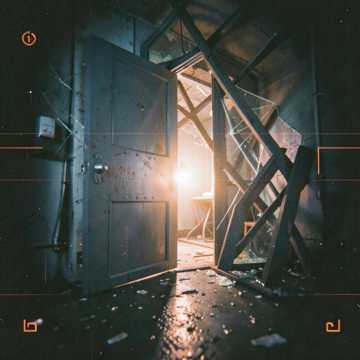
Knife at the Door
An instrumental collision of cinematic metal and rave energy, Knife at the Door builds suspense through tense low guitars, siren-like risers, metallic impacts, breakbeat surges, and sub-heavy chorus drops. Its aggressive sound evokes a high-stakes confrontation, ideal for dark action scenes, trailers, games, and intense workouts.
03:53
10 hours ago
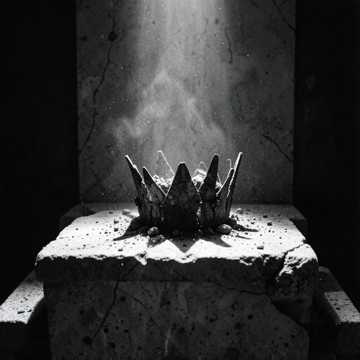
Ash Crown Idh
A fallen queen transforms from a gentle guardian into a war-forged beast. Through tense verses, pounding choruses, and ritualistic chants, the song explores grief, betrayal, lost mercy, and the brutal cost of protecting a ruined kingdom.
03:48
Invalid date
Low GLow Guitars Content Guideuitars: Definition, Characteristics, and History
Low Guitars refers to guitar performances, arrangements, and production styles that emphasize the instrument's lower frequency range. This tag commonly features baritone guitars, extended-range guitars, drop-tuned electric guitars, bass-heavy acoustic techniques, and deep-register riffs that create a rich, powerful, and atmospheric sound. The Low Guitars sound is characterized by thick tonal textures, sustained resonance, heavy rhythm sections, and warm low-end frequencies that add depth to musical compositions. The history of Low Guitars can be traced to the evolution of electric guitar tuning during the 1960s and 1970s, when rock and blues musicians began experimenting with lower tunings. During the 1980s and 1990s, metal, grunge, and alternative rock artists popularized drop tunings and baritone instruments, while progressive and modern metal bands further expanded the concept using seven-, eight-, and nine-string guitars. Today, the Low Guitars tag covers a broad range of genres including cinematic music, ambient soundscapes, hard rock, metal, post-rock, country, blues, and modern soundtrack production, making it a versatileLow Guitars Overview keyword for musicians, producers, and AI-generated music.
Low Guitars Sub-tags and Classifications
Baritone Guitar
Baritone Guitar music focuses on guitars with longer scale lengths that are tuned significantly lower than standard guitars. The resulting tone is deep, warm, and highly resonant, making this Low Guitars sub-tag popular in cinematic music, country, surf rock, ambient compositions, and soundtrack production.
Drop-Tuned Electric Guitar
This Low Guitars classification emphasizes guitars tuned to Drop D, Drop C, Drop B, or even lower. It delivers aggressive riffs, powerful chord voicings, and thick rhythm textures commonly heard in hard rock, metalcore, alternative metal, and modern rock productions.
Extended-Range Guitar
Extended-range Low Guitars music features seven-, eight-, or nine-string guitars that extend the playable lower register. This style is widely used in progressive metal, djent, experimental rock, and technical instrumental music where complex rhythms and deep harmonic foundations are essential.
Ambient Low Guitars
Ambient Low Guitars combine low-register guitar tones with spacious reverbs, delays, and evolving textures. Rather than focusing on heavy riffs, this classification creates immersive emotional landscapes suitable for meditation, cinematic scoring, documentaries, and atmospheric background music.
Cinematic Low Guitars
Cinematic Low Guitars use deep guitar layers to create tension, suspense, heroism, or emotional impact. These compositions often blend orchestral elements with low-frequency guitar textures to produce dramatic soundtrack music for films, trailers, and television.
Acoustic Low Guitars
Acoustic Low Guitars highlight lower-register fingerstyle techniques, alternate tunings, and resonant acoustic instruments that produce warm bass responses. This style is common in folk, Americana, indie acoustic music, and relaxing instrumental performances.
Famous Artists and Classic Works Related to Low Guitars
Meshuggah
Meshuggah revolutionized modern Low Guitars through extensive use of eight-string guitars, extremely low tunings, complex polyrhythms, and highly influential djent-inspired riff writing. Their work reshaped contemporary heavy guitar production.
Bleed - Meshuggah
This landmark composition showcases the power of Low Guitars through extended-range instrumentation, mechanical precision, dense rhythmic structures, and exceptionally heavy low-frequency riffs that became defining characteristics of modern progressive metal.
John Petrucci
As the guitarist of Dream Theater, John Petrucci helped popularize extended-range Low Guitars by blending technical virtuosity with progressive songwriting, inspiring generations of modern guitarists.
Doom (2016) Original Soundtrack
Mick Gordon's soundtrack demonstrates innovative Low Guitars production by blending low-tuned electric guitars, industrial synthesis, and cinematic sound design into an intense and highly influential game score.
Stephen Carpenter
The Deftones guitarist is recognized for using seven- and eight-string guitars to create atmospheric yet crushing Low Guitars textures that combine heaviness with emotional depth.
Sextape - Deftones
This composition illustrates how Low Guitars can support dreamy atmospheres while maintaining deep harmonic weight. The combination of spacious effects and low-register guitar textures creates emotional depth and cinematic ambience.
Mick Gordon
Composer Mick Gordon integrated heavily processed Low Guitars into modern video game soundtracks, combining industrial sound design with ultra-low guitar tones to create immersive action experiences.
Rebel Rouser - Duane Eddy
A pioneering work featuring prominent low-register guitar melodies. The recording established many of the tonal characteristics that later inspired Low Guitars arrangements across rock, country, and film music.
Duane Eddy
Known as the 'King of Twang,' Duane Eddy popularized deep, low-register guitar melodies that influenced rock, country, and cinematic guitar arrangements for decades.
The Dance of Eternity - Dream Theater
Although technically demanding, this progressive classic showcases how Low Guitars can enhance complex compositions through extended-range guitars, dynamic arrangements, and sophisticated harmonic movement.
Mark Lettieri
Mark Lettieri demonstrates the versatility of Low Guitars by incorporating baritone guitar into funk, jazz fusion, and modern instrumental music, showcasing both groove and tonal richness.
Application Scenarios for Low Guitars Music
Low Guitars are widely used in action, thriller, science fiction, western, and dramatic films to build suspense, emphasize emotional moments, and reinforce cinematic impact through deep, resonant guitar textures.
Movie Soundtracks
Low Guitars provide immersive soundscapes for action games, fantasy adventures, horror games, first-person shooters, and role-playing games by delivering powerful rhythmic energy and atmospheric depth.
Game Background Music
Commercial producers use Low Guitars to create bold, premium, and confident brand identities. Deep guitar tones communicate strength, reliability, luxury, and innovation across television and digital advertisements.
Advertising and Brand Campaigns
Low Guitars help establish emotional storytelling in documentaries, travel programs, historical productions, and television dramas by adding warmth, tension, and cinematic realism.
Documentaries and Television
Content creators use Low Guitars for intro themes, background music, transitions, and cinematic YouTube videos because the rich low-frequency presence enhances production quality without overwhelming dialogue.
Podcast and Video Production
Slow-tempo Ambient Low Guitars create calming environments through sustained notes, spacious reverbs, and warm low-end resonance, making them suitable for relaxation, mindfulness, sleep playlists, and wellness applications.
Meditation and Ambient Experiences
Low Guitars is an increasingly popular prompt tag in AI music generation platforms. Producers use the keyword to generate deep, cinematic, heavy, atmospheric, or emotional guitar-based compositions across multiple genres and creative workflows.
AI Music Generation