Free Lute Music Generator Powered by AI
Turn text into high-quality Lute music effortlessly – no login required!

music.toolTips
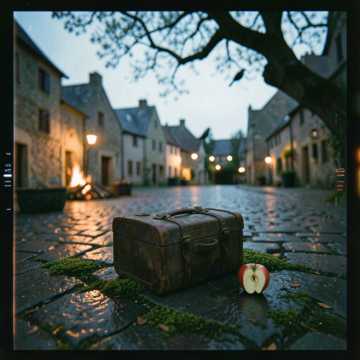
The Road That Comes Home
A wandering traveler learns that the road offers no promises, yet every journey gains meaning through patience, memory, human kindness, and the possibility of return. With melancholic warmth and quiet hope, the song transforms home from a destination into a feeling carried within.
04:14
2026-09-21
Poporul N-a Murit
O piesă de protest cu atmosferă medieval-trap, care transformă foamea, nedreptatea și dezamăgirea socială într-un apel colectiv la demnitate. Lăuta, țambalul lovit, bassul808 și corul solemn susțin trecerea de la apăsare la speranță, unitate și curaj civic.
03:59
2026-09-21
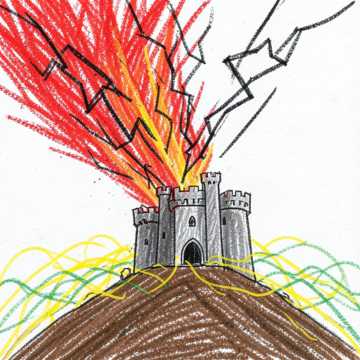
Fără Stăpâni
O revoltă populară transpusă în medieval trap: țărani și oameni ai cetății își unesc vocile împotriva conducătorilor lacomi. Între lăută, tobe agresive și bass808, cântecul transformă furia socială într-un imn al solidarității și al eliberării.
03:02
2026-09-21

Tavern at the End of the
At the world’s final tavern, outcasts, heroes, thieves, and saints gather to drink, share stories, and defy despair. Its dark fantasy imagery transforms apocalypse into a communal celebration, insisting that endings can become doorways to courage, memory, and renewed dreams.
03:45
2026-09-21
Șmecherie sub Blazon
Doi șarlatani carismatici străbat hanuri și cetăți, combinând înșelătoria, umorul și camaraderia pentru a câștiga bani și putere. Dialogul dintre voci, refrenul coral și atmosfera medievală creează o aventură trap energică, cinematografică și memorabilă.
02:30
2026-09-20
Șmecherie sub stindard
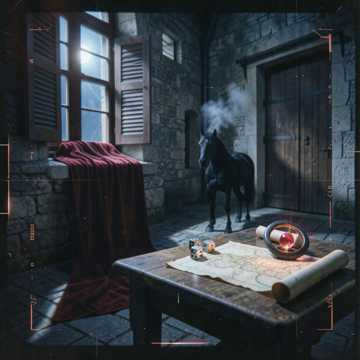
Doi aventurieri iscusiți străbat cetăți și târguri, combinând farmecul, inteligența și negocierea pentru a-și atinge scopurile. Între ritmuri trap, instrumente medievale și coruri solemne, piesa transformă șmecheria într-un joc de strategie, complicitate și ambiție.
02:34
2026-09-20

Șmecheriecherie
O aventură jucăușă despre doi strategi carismatici care navighează târguri, porți și negocieri prin observație, improvizație și curaj. Piesa combină energia unei taverne medievale cu trapul modern și subliniază că adevărata șmecherie cere minte limpede, inimă bună și respect pentru ceilalți.
02:55
2026-09-20
Zid și Zăvor
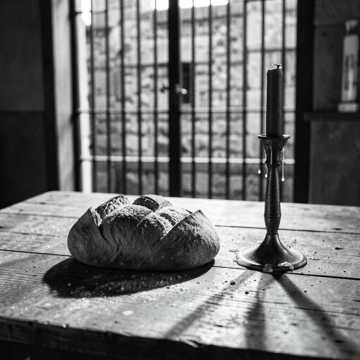
Piesa denunță contrastul dintre sărăcia satului și luxul elitelor, folosind imagini rurale, rap combativ și un refren dramatic. Cele două voci transformă frustrarea socială într-un apel la demnitate, solidaritate și dreptate pentru oamenii obișnuiți.
03:02
2026-09-20
Rupeți Lanțurile
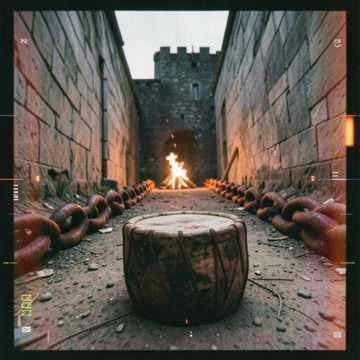
Un cântec de revoltă și solidaritate, în care vocea celor apăsați se ridică din munți și sate pentru a rupe lanțurile. Îmbinând simboluri istorice, energie de război și o producție trap modernă, piesa transformă libertatea într-un legământ colectiv.
02:49
2026-09-19
Rupeți Lanțurile
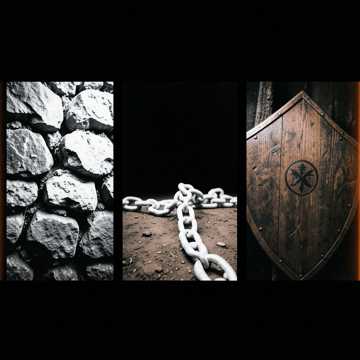
Piesa transformă mândria românească și dorința de dreptate într-un imn de revoltă și solidaritate. Vocile colective, imaginile medievale și energia trap construiesc un mesaj despre ruperea asupririi, apărarea rădăcinilor și renașterea unei comunități unite.
02:46
2026-09-19
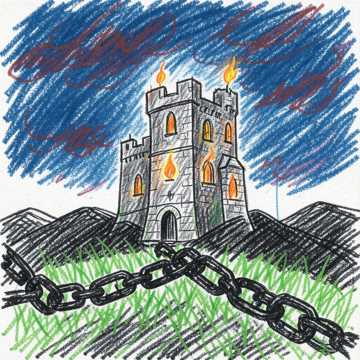
Rupeți Lanțurile
Un imn de revoltă și solidaritate, piesa îmbină mândria românească, rădăcinile dacice și lupta împotriva asupririi într-un sound trap cinematic, întunecat și războinic. Vocile corale și refrenul poruncitor transformă durerea istorică într-un apel colectiv la libertate și demnitate.
03:12
2026-09-19
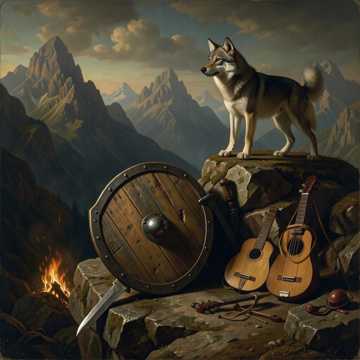
Sănge de Dac
Piesa unește trapul modern cu sonorități medievale pentru a construi un imn românesc despre mândrie, identitate și legătura cu strămoșii daci. Vocile agresive, refrenul de marș și instrumentele acustice creează o atmosferă întunecată, triumfală și cinematografică.
02:27
2026-09-19
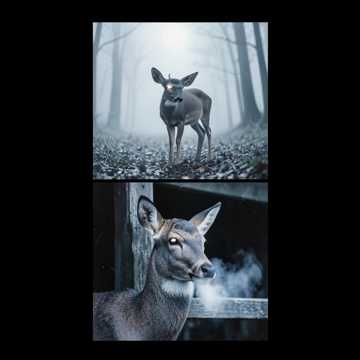
The Horned Ones Lullaby
'The Horned Ones Lullaby' is a haunting dark fantasy folk song blending eerie lullaby melodies with terrifying folklore. Featuring chilling acoustic instrumentation like the lute and nyckelharpa, it tells a cautionary bedtime story of fear-eating shapeshifters mimicking lost loved ones, balanced by a gentle warning to stay brave.
03:25
2026-09-17
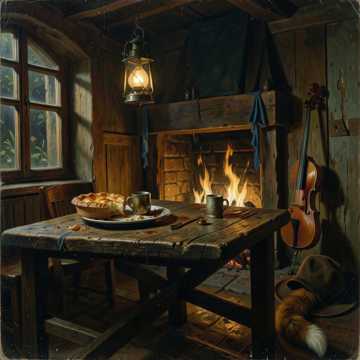
Beside the Fire Again
'Beside the Fire Again' is a spirited medieval bardcore track capturing the joyful camaraderie of a bustling tavern. Through rustic lute strumming, driving frame drums, and lively singalong vocals, it tells tales of market mischief while celebrating enduring friendship, warmth, and hope through life's unpredictable journeys.
03:03
2026-09-16
Just
Lagu ini merayakan semangat kerja keras dan kebersamaan tim EJJV Marunda. Memadukan aliran Bardcore, rap akustik energetik, DJ scratch, serta lantunan Sinden Sunda tradisional, karya ini menyuarakan dinamika pekerja industri secara humoris, penuh dedikasi, dan memukau.
05:02
2026-09-16
Þingvellir Lute
A spacious Nordic folk instrumental shaped by intimate lute patterns, a free-flowing6/8 pulse, swelling frame drum, bowed strings, and resonant drones. Its cinematic arc moves from solitary stillness to luminous momentum before returning to a quiet, wind-bare close.
03:40
2026-09-15
Moonlit Quest
A vibrant orchestral journey through a moonlit fantasy realm. Harp, flute, strings, lute, horns, choir, frame drums, bells, and celesta evolve from intimate discovery to a sweeping heroic climax, making the piece ideal for quests, magical landscapes, cinematic trailers, and adventure storytelling.
03:20
2026-09-14
Quest Select
A polished fantasy RPG menu composition with an upbeat, adventurous spirit. Warm strings support flowing lute and harp arpeggios, while piano, woodwinds, and hand percussion add brightness. Its clear eight-bar motif and graceful loop ending make it ideal for quest selection, exploration, and heroic preparation.
03:00
2026-09-13
king ost
An instrumental medieval folk OST designed for peaceful kingdom building. Its gentle lute, flute, acoustic guitar, cello, and restrained percussion create a warm Renaissance atmosphere, supporting town management, resource planning, exploration, and relaxed strategy gameplay without distracting from the player’s focus.
05:03
2026-09-05
Das Lied des Barden
Ein Barde erzählt von einem verschwundenen König und einer verborgenen Truhe im Burgturm. Die fünf Verse enthalten ein verschlüsseltes Wort: Ihre Anfangslaute müssen zusammengesetzt werden, um das Geheimnis des Königs und den Zugang zur vergessenen Welt zu enthüllen.
03:27
2026-09-04
Introduction to Lute: Definition and History
The lute is a plucked string instrument with a deep history that spans several centuries. Originating from the Middle Eastern oud, the lute made its way to Europe during the Middle Ages and became a central instrument in Renaissance and Baroque music. Characterized by its pear-shaped body, short neck, and intricate rosette, the lute was a symbol of both courtly and folk music. Over time, it evolved into various forms, including the theorbo and the archlute, each contributing to the instrument's rich musical legacy.
Sub-tags and Classifications of Lute
Renaissance Lute
The Renaissance lute is perhaps the most well-known variant, used widely in European music from the 15th to the 17th centuries. It typically features 6 to 10 courses (pairs of strings) and was used to perform polyphonic music, often accompanying singers or being used as a solo instrument.
Baroque Lute
The Baroque lute, developed in the 17th century, typically has 11 to 13 courses. It is distinguished by its complex tuning system and its use in performing elaborate, highly ornamented compositions that reflect the grandeur of the Baroque era.
Theorbo
The theorbo is an extended lute with a very long neck, developed in the late 16th century. It features additional bass strings, called diapasons, which allowed it to accompany the lower voices in ensembles or opera performances. Its deep, resonant sound made it a favorite in early Baroque continuo playing.
Archlute
The archlute is a large lute with an extended neck and additional bass strings. It combines the characteristics of the theorbo and the Renaissance lute, offering versatility in both solo and accompaniment roles. It was especially popular in the late Baroque period.
Mandora
The mandora, or gallichon, is a smaller, simpler lute used primarily in the 18th century. It typically has six to eight courses and was used for lighter, more intimate music, often in chamber settings.
Famous Artists and Works Related to Lute
John Dowland
John Dowland (1563–1626) was a renowned English composer and lutenist, best known for his melancholic songs and instrumental pieces. His work, such as 'Flow My Tears' and 'Lachrimae,' set the standard for lute music in the Renaissance period.
Lachrimae by John Dowland
Composed by John Dowland, 'Lachrimae' is a collection of seven pavanes for lute and strings. The work is known for its somber, reflective mood and its sophisticated use of counterpoint. It exemplifies the melancholic style for which Dowland is famous, making it one of the most celebrated lute compositions of the Renaissance.
Sylvius Leopold Weiss
Sylvius Leopold Weiss (1687–1750) was a German composer and lutenist, considered one of the most significant composers for the Baroque lute. His compositions, including numerous suites and sonatas, showcase the intricate and expressive potential of the lute.
Suite in D Major by Sylvius Leopold Weiss
This suite by Sylvius Leopold Weiss is a hallmark of Baroque lute music. It features intricate ornamentation, expressive melodies, and a dance-like character typical of the period. The suite is a testament to Weiss's virtuosity and his ability to blend technical skill with emotional depth.
Francesco da Milano
Francesco da Milano (1497–1543), known as 'Il Divino,' was an Italian Renaissance lutenist and composer. His mastery of counterpoint and melodic invention made his lute compositions, such as 'Fantasie' and 'Ricercares,' highly influential throughout Europe.
Fantasia No. 30 by Francesco da Milano
Fantasia No. 30 is one of Francesco da Milano's most famous lute pieces. The work is a brilliant example of Renaissance counterpoint, with interwoven melodic lines creating a rich tapestry of sound. Its complexity and beauty have made it a staple of the lute repertoire.
Application Scenarios for Lute Music
Lute music is often used in movie soundtracks to evoke a historical or medieval atmosphere. Its delicate and expressive sound makes it ideal for scenes set in the Renaissance or Baroque periods, as well as for creating a sense of nostalgia or melancholy.
Movie Soundtracks
In advertising, lute music can be used to convey sophistication, elegance, or a connection to tradition. Its association with classical music and historical eras makes it a perfect choice for luxury brands or products that emphasize heritage.
Advertising Music
Lute music is frequently employed in video games that are set in medieval or fantasy worlds. Its soothing and intricate melodies can enhance the immersive experience, providing a musical backdrop that complements the visual and narrative elements of the game.
Video Game Background Music
Lute music is often featured in cultural events, such as Renaissance fairs, historical reenactments, and classical music concerts. Its authentic sound transports audiences to another time, making it an essential element of these performances.
Cultural Events and Performances