Free Mandarin Music Generator Powered by AI
Turn text into high-quality Mandarin music effortlessly – no login required!

music.toolTips

破空
歌曲以順治、建文帝、梁武帝與北魏獻文帝的出家故事為軸,從愛情遺憾、亂世逃亡與求法執著,走向放下榮辱、洞見佛性與心境自在。
03:43
2026-09-06

破空
歌曲以順治帝為愛出家、梁武帝為法捨身的歷史意象,探索紅塵、權力、情愛與佛理。磅礡古風旋律由孤寂走向頓悟,傳達真正的放下並非逃離,而是在塵世中保持自在。
04:56
2026-09-06

破空
《破空》以歷代帝王遁入空門的故事為引,描寫愛別、權力、逃離與覺悟。歌曲由深宮孤寂走向禪意澄明,最終提出真正的放下並非失去,而是在紅塵中安住本心。
04:43
2026-09-06
破空
歌曲以四位帝王出家故事為主軸,交織愛情遺憾、亂世逃亡、求法修行與悟後清醒,透過反覆的空之意象,從執著走向放下,呈現繁華皆幻而本心自在的生命領悟。
05:26
2026-09-06

去爱吧
歌曲以细腻克制的民谣编曲,鼓励人们放下迟疑,勇敢去爱、去生活、走自己的路,在阅读、艺术与静默中听见真实的内心。
04:19
2026-09-06

明天再说吧
歌曲用天气、饭菜、衣裳和被子的日常意象,描绘一种不急于解释、不强求抵达的松弛生活态度。轻快慵懒的旋律与幽默温柔的演唱,让烦恼暂时退到门外。
02:49
2026-09-04

動漫派對
歌曲以動漫展與 Cosplay 派對為核心,透過男女聲交替、朗朗上口的副歌與熱血饒舌,營造跨越次元、全場共舞的歡樂氛圍,傳達自信展現個人風格、人人都能成為主角的精神。
03:40
2026-09-04

動脈派對
歌曲以動漫展與 Cosplay 舞台為核心,透過英雄反派、勇者魔王與次元降落等意象,描繪參賽者華麗登場、爭奪聚光燈的青春熱血。朗朗上口的副歌與反覆的 Cosplay口號,營造全場歡呼、共同狂歡的派對氣氛。
03:08
2026-09-04

動漫派對
歌曲以新北動漫 Cosplay 大賞為核心,透過青春女聲、日系動漫旋律與熱血舞曲節奏,展現角色登場、快門聚焦、人氣競逐及跨越次元的歡樂氛圍,鼓勵每個人自信成為舞台主角。
04:16
2026-09-04
動漫派對
歌曲以第一屆新北動漫 Cosplay 大賞為背景,描寫英雄、反派、公主與騎士齊聚派對的歡樂場景。透過女聲、動漫風旋律、歡呼與 Rap 段落,鼓勵每個人自信登場,成為全場主角。
04:41
2026-09-03
《雯妮,跳起来》
歌曲以月光下的婚礼舞会为背景,通过男女对唱和朗朗上口的副歌,描绘雯妮的迷人笑容与恋人坚定相伴到未来的浪漫誓言。
04:39
2026-09-03

紅橙黃綠藍靛紫
歌曲以彩虹七色串聯神話、愛情與希望,從女媧五彩石到七夕鵲橋,描寫愛人相伴穿越風雨、等待重逢,最終在平凡生活中讓夢想溫柔綻放。
04:57
2026-09-03

我看见你的心
歌曲回应外界对信仰与完美的评判,描绘一个在软弱、悔恨与成长中被上帝看见并拥抱的人,传达恩典超越表演,真诚胜过外在称赞。
05:03
2026-09-03

爱而不是账单
歌曲以写给孩子的人生寄语为核心,提醒人们不要用财富和价格衡量人生。它歌颂陪伴、亲情、友情、自我接纳与善良,最终将爱定义为比任何账单都珍贵的收藏。
05:33
2026-09-02
羞花
歌曲借楊貴妃與唐明皇的傳說,描寫由盛世寵愛走向馬嵬離別的愛情悲歌,並在仙境重逢的想像中,將遺憾化為跨越生死的永恆承諾。
04:28
2026-09-02

羞花
歌曲以羞花意象書寫盛世美人與深情愛戀,從初見驚艷走向馬嵬離別,再轉入跨越生死的思念與重逢,融合現代流行、青衣戲腔與電影級中國風編曲。
04:46
2026-09-02

羞花
歌曲以楊貴妃典故為意象,從羞花之美寫到馬嵬離殤,再延伸至夢中重逢。甜美流行旋律與青衣戲腔交織,將驚艷、浪漫、悲痛與刻骨思念推向電影級高潮。
05:22
2026-09-02
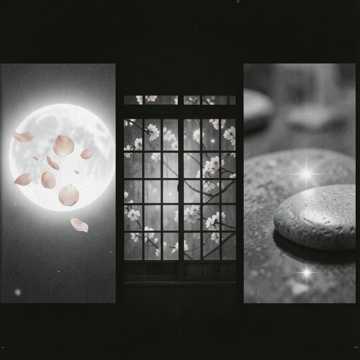
羞花
歌曲以楊貴妃與唐玄宗的愛情傳說為核心,從盛世繁華唱到馬嵬離散,再延伸至夢境重逢。甜美柔和的女聲、晶瑩鋼琴與夢幻編曲,交織出唯美、深情而帶著宿命感的古典愛戀。
04:36
2026-09-01

羞花
歌曲以羞花典故為核心,描寫盛世愛戀、馬嵬悲劇與死後重逢,透過古箏、簫、鋼琴及弦樂,營造華麗而淒美的歷史悲歌。
05:38
2026-09-01

羞花
歌曲以羞花典故與馬嵬悲劇為核心,描寫從驚艷相遇、深情相守到悔恨離別,最終在蓬萊仙境重逢的愛戀,展現跨越生死的浪漫與救贖。
06:53
2026-09-01
Introduction to Mandarin Music
Mandarin music, often referred to as Chinese pop music (C-pop), is a genre that originated in the Mandarin-speaking regions of China, Taiwan, and Singapore. It encompasses a wide range of musical styles, including pop, rock, folk, and hip-hop, all sung in Mandarin Chinese. The genre began to take shape in the early 20th century, influenced by Western music trends and evolving into a distinct category in the 1980s and 1990s. With the rise of global interest in East Asian culture, Mandarin music has grown in popularity, spreading its influence across the world.
Sub-tags and Classifications of Mandarin Music
Mandopop
Mandopop is the most popular sub-genre of Mandarin music, characterized by its catchy melodies and lyrics that often focus on love and personal experiences. It emerged in Taiwan in the 1970s and became mainstream in the 1980s. Artists like Teresa Teng and Jay Chou have significantly contributed to its development.
Mandarin Rock
Mandarin Rock combines traditional rock elements with Mandarin lyrics. It gained popularity in the 1990s, with bands like Beyond and artists such as Cui Jian, who is often referred to as the 'father of Chinese rock,' leading the movement.
Mandarin Folk
Mandarin Folk music is rooted in Chinese folk traditions, often incorporating acoustic instruments and storytelling lyrics. This genre has seen a resurgence in recent years, with artists like Li Jian and Zhao Lei bringing folk sounds to a modern audience.
Mandarin Hip-hop
Mandarin Hip-hop blends traditional Chinese cultural elements with modern rap and hip-hop beats. This sub-genre emerged in the 2000s and has grown rapidly, with artists like MC HotDog and VAVA becoming influential figures in the scene.
Famous Artists and Works in Mandarin Music
Teresa Teng
Teresa Teng was a legendary Mandopop singer whose soft and melodic voice captivated audiences across Asia. Her songs like 'The Moon Represents My Heart' and 'Sweet Honey' remain classics in Mandarin music, blending traditional Chinese elements with Western pop influences.
The Moon Represents My Heart
This classic Mandopop song by Teresa Teng is a beautiful blend of traditional Chinese melodies with modern pop sensibilities. Its simple yet profound lyrics have made it a timeless love ballad, widely covered by artists across different languages.
Jay Chou
Jay Chou is a pioneering figure in modern Mandopop, known for his ability to fuse classical Chinese music with hip-hop, R&B, and pop. His albums such as 'Fantasy' and 'Common Jasmine Orange' are considered milestones in the genre, influencing a generation of artists.
Nothing to My Name
Cui Jian's 'Nothing to My Name' is a cornerstone of Mandarin Rock music. The song's rebellious spirit and raw emotion captured the frustrations of a generation, making it a significant cultural and political statement in Chinese history.
Cui Jian
Cui Jian is a trailblazer in Mandarin Rock music, often referred to as the 'father of Chinese rock.' His iconic song 'Nothing to My Name' became an anthem during the 1989 Tiananmen Square protests and marked a turning point for rock music in China.
Common Jasmine Orange
Jay Chou's 'Common Jasmine Orange' is an innovative Mandopop track that combines traditional Chinese instruments with contemporary pop and R&B elements. The song's poetic lyrics and intricate composition have solidified its place as a modern classic.
VAVA
VAVA is a leading figure in Mandarin Hip-hop, known for her powerful lyrics and strong stage presence. She gained fame through the show 'The Rap of China' and has since released hits like 'My New Swag,' which showcases her ability to blend hip-hop with traditional Chinese sounds.
My New Swag
VAVA's 'My New Swag' is a groundbreaking Mandarin Hip-hop track that blends rap with traditional Chinese musical motifs. The song's energetic beats and confident lyrics have made it a defining work in the rise of Mandarin Hip-hop.
Application Scenarios of Mandarin Music
Mandarin music is widely used in movie soundtracks, particularly in Chinese cinema. The emotional depth and cultural resonance of Mandopop ballads, for example, make them ideal for conveying the mood in romantic or dramatic scenes.
Movie Soundtracks
With its broad appeal, Mandarin music is often chosen for advertising campaigns targeting Chinese-speaking audiences. Upbeat Mandopop tracks or traditional-inspired tunes are frequently used to enhance brand messaging and create cultural connections.
Advertising Music
Mandarin music, especially instrumental tracks or songs with epic themes, is increasingly being used as background music in video games. These tracks help set the atmosphere and immerse players in the game's narrative, particularly in games centered around Chinese culture.
Game Background Music
Mandarin music is a staple at cultural events and festivals, both within Chinese-speaking communities and globally. Traditional and contemporary Mandarin songs are performed at events such as the Lunar New Year, creating a vibrant and culturally rich atmosphere.
Cultural Events and Festivals