Free Minimalist Music Generator Powered by AI
Turn text into high-quality Minimalist music effortlessly – no login required!

music.toolTips
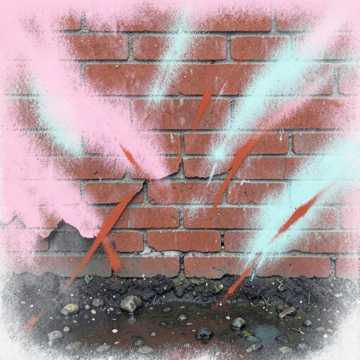
Who Belongs?
A tense post-punk song set around a fading football ground, where loyalty, class, memory, and exclusion collide. Its bitter verses question inherited identity, while the final communal chant transforms uncertainty into collective defiance as the old ground and its traditions begin to disappear.
02:50
2026-09-22
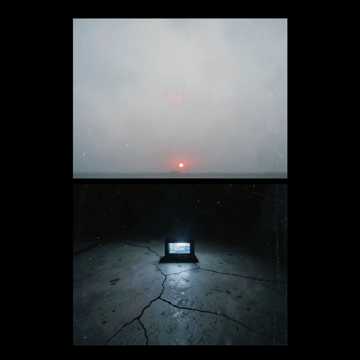
No Future, Just Updates
A bitter post-punk portrait of modern precarity, where rising rent, insecure work, digital dependence, and shrinking possibilities turn survival into routine. Its sparse, anxious production mirrors emotional numbness, while the repeated chorus rejects false optimism and exposes a life permanently delayed.
02:10
2026-09-22
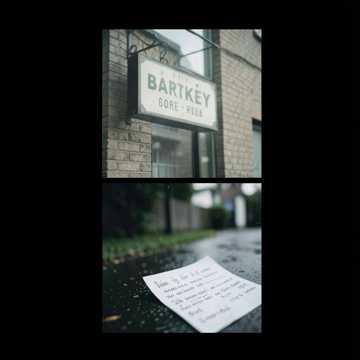
High Street, Dead Street
A stark post-punk elegy for a dying town centre, the song observes shuttered shops, tired commuters, abandoned amusements, and traffic lights changing for no one. Its restrained pulse and hollow textures turn economic decline into a detached, rain-soaked meditation on absence, memory, and civic erasure.
03:09
2026-09-22
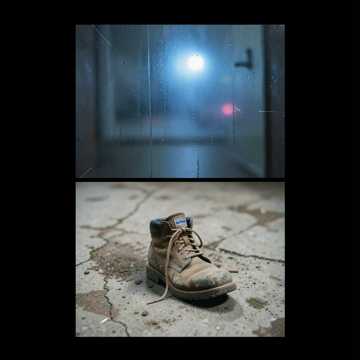
Who Watches the Watchers
A furious post-punk indictment of unchecked authority, the song follows erased evidence, damaged communities, and grieving families beneath the machinery of impunity. Its repetitive bass, clipped guitars, shouted vocals, and rising siren chant create a tense atmosphere of protest, surveillance, and unresolved public anger.
02:27
2026-09-22
The Queue Bends
A slow, intimate post-punk lament about poverty becoming routine. Queues, spoiled food, damp housing, and shrinking cupboards reveal a family trapped between dignity and hunger, while the repeated image of the bending queue turns hardship into an endless social landscape.
03:50
2026-09-22
Zero Hours, Zero Choice
A delivery worker and warehouse laborer confront zero-hour contracts, rising costs, algorithmic control, and fading hope. Through stark Nottingham imagery and repetitive post-punk momentum, the song turns everyday exhaustion into a restrained but powerful protest against precarious modern work.
03:36
2026-09-22
Scroll On
A bitter post-punk meditation on social media alienation, Scroll On portrays daily life as a stream of proof, performance, and disappearance. Sparse electronics, repetitive bass, and a hollow spoken-sung vocal create a detached atmosphere where connection fades into endless scrolling and emotional emptiness.
02:52
2026-09-22
We Call It Theft
A confrontational post-punk indictment of museums and empire, the song gives stolen relics and silenced histories a collective voice. Its sparse, abrasive sound intensifies the lyrics’ anger, while the repeated chorus and awakening outro demand accountability, remembrance, and the return of what was taken.
03:16
2026-09-22
The Grand Mistake
A caustic post-punk indictment of political betrayal and institutional decay. Through rain-soaked Nottingham imagery, the song exposes hollow promises, respectable corruption, media spin, and leaders who rename failure as victory while ordinary people inherit the damage.
02:31
2026-09-22

Same Kettle Same Room
A stark portrait of working-class stagnation, the song follows a life trapped between welfare queues, deteriorating housing, and unchanging days. Its repeated images and looping arrangement transform bureaucratic delay and domestic decay into a hypnotic, quietly furious expression of social neglect.
03:12
2026-09-22
Bitter Cry
Bitter Cry captures a city consumed by tension, violence, and helplessness. Concrete streets, shattered windows, smoke, sirens, and police barricades form a bleak urban landscape, while the sparse post-punk arrangement transforms collective anger into a relentless, rhythmic cry.
01:59
2026-09-22
No More Cuts
A tense austerity-era protest anthem about factory closures, welfare cuts, poverty, and political neglect in Nottingham. Sparse post-punk instrumentation supports a confrontational spoken-sung vocal, while the repeated chorus and escalating chant transform anger into solidarity, remembrance, and a determined demand for social justice.
02:57
2026-09-22
No Future, No Favour
A stark working-class lament about poverty, precarious housing, unemployment, and institutional neglect. Through clipped images and repeated slogans, the song rejects empty advice and exposes the emotional cost of surviving without security, ending in a bleak, unresolved cry of no future.
01:48
2026-09-22
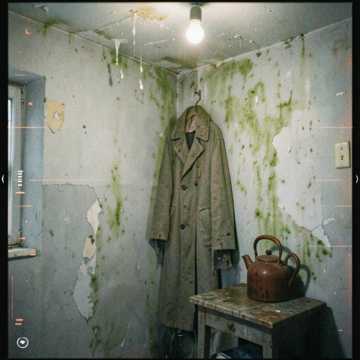
Dole Day, Grey Day
A bleak, minimalist post-punk account of life on benefits, where unpaid bills, cold rooms, hunger, and decaying housing become a daily rhythm. Its restrained vocal and gradually vanishing arrangement turn economic hardship into an intimate, haunting portrait of endurance.
02:47
2026-09-22
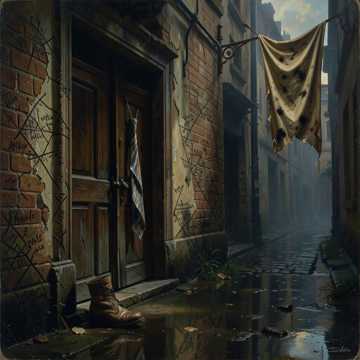
The Bill
The song is a bitter portrait of political evasion and working-class hardship. Through images of mould, shuttered shops, vanished factories, and empty promises, it contrasts official language with lived poverty, ending in a sardonic reminder that ordinary people are left to pay the bill.
02:42
2026-09-22

The Shape of Every Day
A factory worker moves through repetitive labor, unemployment bureaucracy, family hardship, and urban decay. Its restrained post-punk sound turns ordinary routines into a portrait of economic exhaustion, while the repeated phrase Still turning up becomes both a survival instinct and a quiet protest.
04:08
2026-09-22

This Broken Ground
A stark post-punk protest anthem portraying poverty, bureaucratic neglect, and social abandonment in a struggling English town. Its tense spoken verses and explosive refrains transform everyday hardship into collective defiance, insisting that the community still belongs to those who endure it.
02:51
2026-09-22
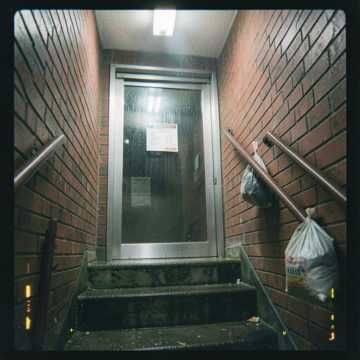
Who Keeps the Block Alive
A working-class community confronts neglect, gentrification, and demolition through collective resistance. Sparse post-punk instrumentation, blunt imagery, and rallying chants transform local hardship into a fierce declaration of ownership, solidarity, and communal power.
03:15
2026-09-22
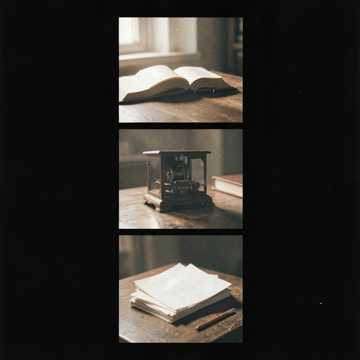
静谧书页
《静谧书页》以柔和钢琴和温暖低音铺展安静声场,细微磁带嘶声增添怀旧质感。舒缓稳定的节拍适合阅读、学习、写作与独处,让思绪在书页之间缓慢沉静。
03:00
2026-09-22
霜落独白
作品以自由呼吸的钢琴展开霜夜独白,低沉弦乐与大提琴逐步汇聚孤独、失落和压抑情绪,最终在宽阔声场中突然收束,留下冷冽而未完的余韵。
03:34
2026-09-22
Introduction to Minimalist Music
Minimalist music, often simply referred to as 'Minimalism,' is a genre that emphasizes simplicity, repetition, and gradual change. It emerged in the late 1960s as a reaction to the complexity and dense structures of modern classical music. Originating primarily in the United States, Minimalism is marked by repetitive motifs, steady pulses, and harmonic stasis. The genre was initially pioneered by composers such as La Monte Young, Terry Riley, Steve Reich, and Philip Glass. These artists sought to strip down music to its most basic elements, focusing on tonality and rhythm rather than complex forms and harmonic progressions.
Sub-tags and Classifications of Minimalist Music
Process Music
Process music is a sub-genre of Minimalism that emphasizes a compositional process that is audibly present in the music. This method often involves the repetition of simple patterns that gradually change over time, creating a hypnotic effect. Steve Reich's 'Music for 18 Musicians' is a classic example.
Ambient Minimalism
Ambient Minimalism blends the principles of Minimalism with ambient music, creating soundscapes that are both soothing and repetitive. This sub-genre often features long, sustained tones, minimal rhythmic activity, and subtle shifts in texture. Brian Eno's 'Music for Airports' is a seminal work in this category.
Minimal Techno
Minimal Techno takes the repetitive structures of Minimalism and applies them to electronic dance music. This sub-genre is characterized by stripped-down beats, looping rhythms, and a focus on subtle changes in sound over time. Artists like Richie Hawtin and Robert Hood are key figures in Minimal Techno.
Post-Minimalism
Post-Minimalism refers to the music that evolved from the Minimalist tradition but incorporates a broader range of influences and techniques. It maintains the repetitive structures of Minimalism but often includes more emotional expressiveness and dynamic shifts. Composers such as John Adams and Michael Nyman are known for their Post-Minimalist works.
Famous Artists and Iconic Works in Minimalist Music
Steve Reich
Steve Reich is one of the founding fathers of Minimalist music. His work 'Music for 18 Musicians' is a cornerstone of the genre, known for its intricate layering of rhythmic patterns and gradual shifts in texture. Reich's contributions have greatly influenced both classical and popular music.
Music for 18 Musicians
Composed by Steve Reich, this piece is a landmark in Minimalist music. It features interlocking rhythmic patterns played by a large ensemble of musicians. The work is known for its pulsating energy, gradual changes in harmony, and innovative use of phasing techniques. 'Music for 18 Musicians' exemplifies the hypnotic and meditative qualities of Minimalism.
Philip Glass
Philip Glass is another pivotal figure in Minimalism. His operas, such as 'Einstein on the Beach,' showcase his signature style of repetitive arpeggios and shifting tonalities. Glass's work has expanded the reach of Minimalist music into mainstream culture, particularly through his film scores.
Einstein on the Beach
Philip Glass's opera 'Einstein on the Beach' is an iconic Minimalist work. It combines repetitive arpeggios, minimalist vocal lines, and abstract staging to create a unique and immersive experience. The opera is groundbreaking for its use of Minimalist techniques in a large-scale, theatrical context.
Terry Riley
Terry Riley's 'In C' is often cited as one of the first truly Minimalist compositions. The piece features a series of short musical phrases that performers repeat at their own pace, creating a fluid and ever-changing soundscape. Riley's innovations laid the groundwork for many of the genre's key concepts.
In C
Terry Riley's 'In C' is a foundational piece of Minimalist music. The composition allows for flexibility in performance, with each musician choosing when to move from one phrase to the next. This open-ended structure creates a dynamic and ever-evolving soundscape, embodying the essence of Minimalist repetition and variation.
La Monte Young
La Monte Young is considered the precursor to Minimalism. His works, such as 'The Well-Tuned Piano,' focus on sustained tones and microtonal tuning systems. Young's influence on the Minimalist movement is profound, particularly in the realm of drone music.
The Well-Tuned Piano
La Monte Young's 'The Well-Tuned Piano' is a continuous, multi-hour performance that explores microtonal tuning and sustained harmonies. The piece is a monumental work in Minimalist music, pushing the boundaries of duration, tuning, and sonic exploration. Its influence can be seen in both Minimalism and drone music.
Application Scenarios of Minimalist Music
Minimalist music is frequently used in film soundtracks to create atmospheric and emotionally resonant backgrounds. The repetitive and hypnotic qualities of Minimalist compositions can enhance the mood of a scene without overwhelming the narrative. Philip Glass's scores for films like 'The Hours' and 'Koyaanisqatsi' are prime examples.
Film Soundtracks
The simplicity and clarity of Minimalist music make it a popular choice for advertising. Its repetitive structures can create memorable and catchy sound bites that resonate with audiences. Minimalist music is often used in commercials to convey a sense of modernity, sophistication, and focus.
Advertising Music
In video games, Minimalist music is used to create immersive and meditative environments. The repetitive and evolving nature of Minimalist compositions can enhance the player's focus and engagement. Games like 'Monument Valley' and 'Journey' have successfully integrated Minimalist music into their soundtracks, contributing to the overall experience.
Game Background Music
Minimalist music is widely used in meditation and relaxation settings due to its calming and repetitive qualities. The genre's focus on sustained tones and gradual changes in rhythm and harmony makes it ideal for creating a tranquil and reflective atmosphere. Ambient Minimalism, in particular, is often used in yoga studios, spas, and meditation apps.
Meditation and Relaxation