Free Mortality Music Generator Powered by AI
Turn text into high-quality Mortality music effortlessly – no login required!

music.toolTips

La mélodie du silence
Ce fado décrit les derniers instants d’une vieille femme dont la mémoire, le corps et les pensées se dissolvent dans la nature. Ses souvenirs deviennent des oiseaux, tandis que la peur du temps cède à une paix profonde, jusqu’à l’ultime battement et la mélodie du silence.
03:12
2026-08-12

Mon dernier accord
Sur un rythme house vibrant, une voix féminine s'interroge sur le destin de son dernier accord. Entre do, mi et fa fatal, la chanson transforme la peur de la fin en élégante prière musicale, laissant au hasard le soin de faire résonner une ultime note.
03:07
2026-08-12

Mon dernier accord
Cette chanson transforme le dernier accord en métaphore du destin. Entre îles bretonnes, notes de musique et incertitude existentielle, une voix masculine funky et balancée questionne la fin, avant de confier son ultime son au hasard et à une guitare électrique.
03:41
2026-08-12

Mon dernier accord
Cette ballade jazz lente et nostalgique imagine le dernier accord comme un passage incertain entre la vie, le hasard et le silence. La voix féminine explore la peur de la fin, tandis que la clarinette et les références musicales créent une atmosphère intime, maritime et profondément mélancolique.
04:44
2026-08-12

L5-2 What Remains
A restrained gothic reflection on impermanence and identity. The narrator watches kingdoms, names, and immortal minds dissolve, while one unexplained memory endures. Funeral bells, suspended chords, scratchy strings, and irregular rhythms create an intimate, unsettling atmosphere without sentimentality, climax, or resolution.
04:41
2026-08-12
C3-2 What Remains
A detached witness reflects on time, death, memory, and the uncertain remnants of identity. Deep strings and pipe organ lead a slow, percussionless procession through recurring motifs, dissonant climaxes, and funeral bells, creating an unsettling meditation on impermanence and what the heart refuses to release.
06:00
2026-08-12

Mon dernier accord
Sur un cool jazz feutré, la narratrice interroge son dernier accord comme une métaphore de la fin, du désir et du hasard. Entre références musicales, îles atlantiques et clarinette, elle choisit d'espérer que le sort laisse encore résonner la musique.
02:50
2026-08-11

Mon dernier accord
Sur une pulsation indie rock nostalgique, une voix féminine interroge la forme et l'origine de son ultime accord. Entre jeux de mots musicaux, paysages insulaires et conscience de la fin, la chanson choisit finalement de confier la musique au hasard.
03:47
2026-08-11
Mon dernier accord
Sur un rock lent et nostalgique, une voix féminine interroge le destin de son dernier accord. Jeux de mots musicaux, îles atlantiques et blues accompagnent une réflexion tendre sur la fin, l'abandon au sort et le besoin de continuer à jouer.
04:00
2026-08-11
Mon dernier accord
Cette chanson transforme le dernier accord en métaphore du destin et de la fin. Entre blues, rock et images des îles françaises, la voix masculine avance avec pudeur, tandis que la guitare électrique maintient une tension rythmique, oscillant entre résignation, prière et désir de continuer à jouer.
03:30
2026-08-11
C2-2 What Remains
A detached immortal reflects on fallen kingdoms, the burden of endless life, and a name he cannot release. Slow organ, low strings, and distant funeral bells turn the song into an unsettling meditation on death, fading identity, and what memory refuses to surrender.
05:35
2026-08-11

Mon dernier accord
Cette chanson méditative explore l’incertitude face à la fin à travers l’image d’un dernier accord. Les références aux notes, aux îles et aux styles musicaux composent un voyage nostalgique, où la voix espère encore que la musique survivra au silence.
04:26
2026-08-11

C1-2 What Remains
A solemn gothic requiem reflects on kingdoms, immortality, memory, and death. Through restrained orchestral weight and archaic language, the narrator accepts that time erodes every name and form, leaving an unsettling question of what the heart can truly keep.
08:00
2026-08-11
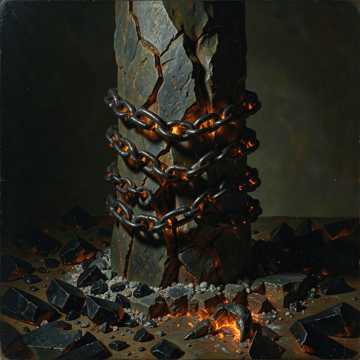
Gatosnegros13 FURIA
Himno marcial de heavy metal sobre trece guerreros unidos por sangre, dolor y lealtad. La canción convierte la oscuridad, las cicatrices y la memoria de los caídos en una furia colectiva, con coros monumentales y una promesa de resistencia eterna.
08:00
2026-08-11
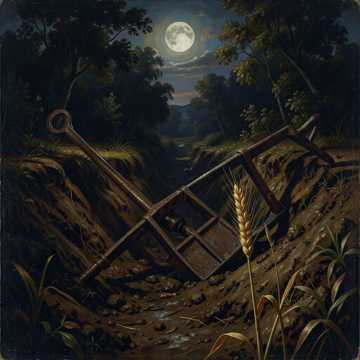
Farm
'Farm' is a high-octane, dark fusion of Blues, Dubstep, and Drum & Bass. Featuring tense female vocals, the song explores themes of aging, mortality, and final escape. It contrasts harrowing imagery of death with a driving, energetic electronic rhythm, creating a sinister yet liberating sonic journey.
03:38
2026-08-11

קיינמאָל לאַך נישט
דער ליד דערמאָנט, אַז טויט קען קומען יעדן מאָמענט. דורך אַ פֿינצטערן קלעזמער־קלאַנג, לוויה־בילדער און שטילע תּפֿילה, רופֿט עס צו אַניוות, מענטשלעכקייט און רעספּעקט פֿאַרן אומבאַקאַנטן סוף.
05:43
2026-08-11
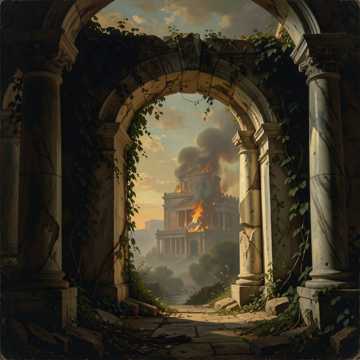
16. Kings, Gods and Empires
A powerful gothic rock meditation on Egypt, Persia, Greece, and Rome, exploring how empires created magnificent cultures while causing suffering. Its imposing chorus contrasts human ambition with inevitable collapse, reminding us that every throne, banner, and civilization eventually becomes history.
03:15
2026-08-11

"SE APRENDE A VIVIR" salsa loca
Una voz madura enfrenta la proximidad de la muerte y descubre que la verdadera lección no es despedirse, sino vivir plenamente: mirar, amar, agradecer y no desperdiciar ningún instante cotidiano.
05:01
2026-08-10

"SE APRENDE A VIVIR" 3 balada
Una balada sobre alguien que, ante la cercanía de la muerte, descubre que vivir consiste en percibir con gratitud lo cotidiano: una taza de café, la luz, una voz amada y cada instante compartido.
07:14
2026-08-10

"SE APRENDE A VIVIR" Vals lento de revelación
Una persona enfrenta una noticia terminal y descubre que los días finales no enseñan a morir, sino a mirar, amar y permanecer presente. Entre miedo, ternura y observaciones cotidianas, la canción convierte cada instante en un milagro irrepetible.
06:15
2026-08-10
Introduction to the Core Tag: Mortality in Music
Mortality in music refers to a theme or genre that explores the concepts of life, death, and the human experience with mortality. This theme often delves into the emotional, philosophical, and existential questions surrounding death and the finite nature of life. The origins of mortality as a theme in music can be traced back to early religious chants and hymns, where death was a common topic reflecting human spirituality and the afterlife. Over time, the exploration of mortality expanded across various music genres, including classical, rock, folk, and contemporary music, often reflecting the societal and cultural attitudes toward death during different historical periods. Today, mortality remains a prevalent theme in music, offering listeners a space to reflect on life, death, and the passage of time.
Sub-tags and Classifications of Mortality in Music
Existential Reflection
This sub-tag focuses on music that explores existential questions related to mortality, such as the meaning of life, the inevitability of death, and the search for purpose. Songs in this category often feature introspective lyrics, melancholic melodies, and a contemplative tone, inviting listeners to ponder their existence and the transient nature of life.
Spiritual and Religious Themes
Music under this sub-tag deals with mortality from a spiritual or religious perspective. It includes hymns, spirituals, and contemporary songs that explore themes of the afterlife, divine judgment, and the soul's journey after death. These works often provide comfort and solace, reflecting the beliefs and hopes surrounding life after death.
Grief and Loss
This classification encompasses music that addresses the emotional responses to death, such as grief, mourning, and remembrance. Songs in this category are characterized by their emotional depth and lyrical focus on the pain of losing loved ones, often serving as a cathartic outlet for both the artist and the audience.
Celebration of Life
While mortality is often associated with somber themes, this sub-tag highlights music that celebrates life in the face of death. These songs often emphasize the importance of living fully and cherishing moments, conveying a message of hope, resilience, and appreciation for life despite its impermanence.
Famous Artists and Works Related to Mortality in Music
Johann Sebastian Bach
Bach is renowned for his compositions that frequently explore themes of mortality, particularly in his sacred music. Works like 'St. Matthew Passion' and 'Mass in B Minor' reflect deep religious devotion and contemplation of life, death, and the afterlife, contributing significantly to the classical music canon on mortality.
Mozart's Requiem
Mozart's 'Requiem' is one of the most celebrated classical works exploring mortality. Composed as a mass for the dead, it combines somber melodies with dramatic intensity, reflecting a profound engagement with themes of death, judgment, and redemption. The work is notable for its innovative use of orchestration and choral writing, creating a powerful emotional impact.
Nick Cave
Nick Cave is an Australian singer-songwriter known for his exploration of dark and profound themes, including death and mortality. His work with the Bad Seeds, particularly in albums like 'The Boatman's Call' and 'Skeleton Tree,' delves deeply into personal grief and existential musings, influencing the modern rock and alternative music scenes.
Johnny Cash's 'Hurt'
Johnny Cash's rendition of 'Hurt,' originally by Nine Inch Nails, stands as a stark, haunting meditation on mortality, regret, and the passage of time. The stripped-down arrangement and Cash's weathered voice imbue the song with a raw, vulnerable quality, turning it into a powerful reflection on life and impending death.
Leonard Cohen
Leonard Cohen, a Canadian singer-songwriter and poet, often explored themes of mortality, spirituality, and the human condition. His songs like 'Hallelujah' and 'You Want It Darker' are iconic for their lyrical depth, blending existential questioning with reflections on life and death, making a lasting impact on folk and contemporary music.
Mahler's Symphony No. 2 (Resurrection)
Mahler's Symphony No. 2, also known as the 'Resurrection Symphony,' is a monumental work that explores the themes of death and rebirth. The symphony's grand scale and innovative structure, incorporating choral elements and a narrative arc from despair to transcendence, make it a profound musical exploration of mortality and the hope of life after death.
Application Scenarios of Mortality Music
Mortality-themed music is frequently used in movie soundtracks to enhance emotional impact, particularly in scenes involving death, loss, or existential reflection. For example, Samuel Barber's 'Adagio for Strings' has been used in multiple films, such as 'Platoon' and 'The Elephant Man,' to underscore themes of tragedy and human vulnerability.
Movie Soundtracks
In advertising, mortality-themed music can be employed to evoke deep emotional responses, often in campaigns addressing social issues such as healthcare, road safety, or life insurance. The reflective and somber tones of such music can effectively communicate the seriousness of the message, making the ad more memorable.
Advertising Music
Video games exploring themes of mortality, such as 'Dark Souls' or 'The Last of Us,' often use mortality-themed music to create a somber and immersive atmosphere. This music helps to deepen the narrative experience, enhancing the emotional connection between the player and the game's storyline.
Game Background Music
In therapeutic environments, music exploring mortality can be used to help individuals process grief and reflect on life and death. This can be particularly effective in hospice care, bereavement counseling, or palliative care settings, where music serves as a tool for emotional expression and healing.
Therapeutic Settings