Free Orchestral Music Generator Powered by AI
Turn text into high-quality Orchestral music effortlessly – no login required!

music.toolTips
तेरी आँखों में क्या राज़ छुपा है
यह बीस मिनट का भावपूर्ण हिंदी प्रेम-युगल है, जिसमें प्रेमी युगल आँखों, यादों और धड़कनों में बसे अपने अटूट रिश्ते को गाता है। सवाल-जवाब वाली गायकी, आलाप और लंबे वाद्य अंतराल इसे पुराने फिल्मी रोमांस की गरिमा देते हैं।
07:25
1 days ago

Rising Anticipation
A bright, mysterious instrumental journey that transforms a compact piano motif into an urgent orchestral-electronic ascent. Tight percussion, deep bass, strings, and brass steadily intensify the tension before reaching an uplifting climax and emphatic resolution, making it ideal for high-stakes gameplay, trailers, and dramatic progression.
01:30
1 days ago
Forbidden Royal Passion
A tense pre-Roman Britain inspired orchestral instrumental that traces forbidden royal love through suspicion, escalating fury, and emotional collapse. Fragile strings and harp give way to thunderous drums, sub-bass, and a violent climax, ending in stark isolation.
03:30
1 days ago

Fight boss
'Fight boss' is an exhilarating, fast-paced fantasy MMORPG battle theme driven by intense orchestral arrangements. Featuring relentless string ostinatos, powerful brass stabs, thundering war drums, and subtle choir accents, it creates a cinematic, heroic atmosphere perfect for high-stakes combat encounters.
03:10
1 days ago

آغازی سرراست
این قطعه بیکلام، سفری سینمایی از سکوت و رازآلودگی به سوی شکوه، عزم و پیروزی است. ترکیب مدهای ایرانی، سنتور، سازهای زهی و کوبهایهای عمیق، فضایی مناسب برای روایت حماسی، سخنرانی زنده، مستند تاریخی و صحنههای ملی میسازد.
02:00
1 days ago
The Shadow Before Dawn
A wordless orchestral fantasy piece that traces the tense hours before battle. Intimate cello and harp textures give way to icy strings, ritualistic drums, and a violent symphonic surge, ending in an ominous unresolved resonance.
03:49
1 days ago
Nnnnnnnk
Nnnnnnnk explores a mind overwhelmed by distraction, dependence, fear, and avoidance. The narrator questions who she is beyond a consuming relationship, then begins reclaiming agency by accepting mistakes, releasing regret, and choosing movement over paralysis.
03:57
1 days ago

Helden der Meere
Zwei nordische Seefahrer bezwingen auf einer gefährlichen Reise Sturm, Furcht und eine uralte Seeschlange. Durch Mut, Geschwisterlichkeit und unbeugsamen Willen werden Leif und Vladi zu Helden, deren Sieg als ewige Legende in den Wellen und Liedern der Nachwelt weiterlebt.
06:27
1 days ago
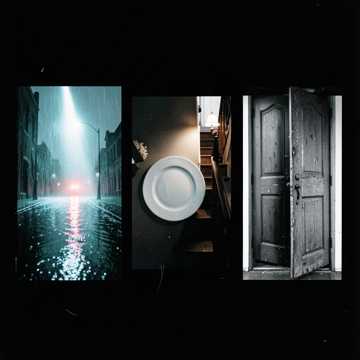
The Lamp By The Stairs
A wounded city hero saves strangers while hiding his own pain. Guided by his mother’s lamp, he learns that real bravery includes vulnerability, accepting care, and allowing someone to share the weight he has carried alone.
03:33
1 days ago
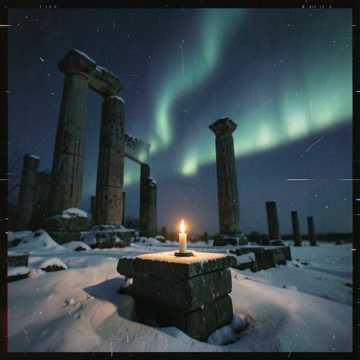
The Cathedral of Forgotten Stars
A mournful lovers' hymn rising from apocalyptic ruins, the song rejects immortality in favor of one final human connection. Its journey moves from whispered grief to orchestral defiance, framing love as the force that survives death, darkness, collapsing faith, and the end of the universe.
05:58
1 days ago
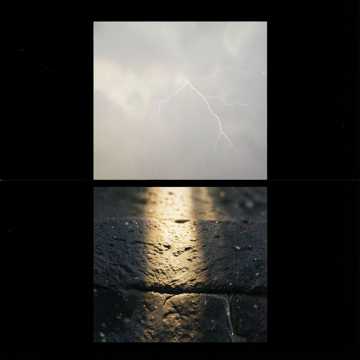
Resolute Defense
A bold instrumental anthem that rises from tense low strings and distant snare rolls into heroic brass, urgent rhythmic motion, and a decisive orchestral finale. Its patriotic, resolute energy evokes defense, sacrifice, unity, and triumph under pressure.
02:50
1 days ago
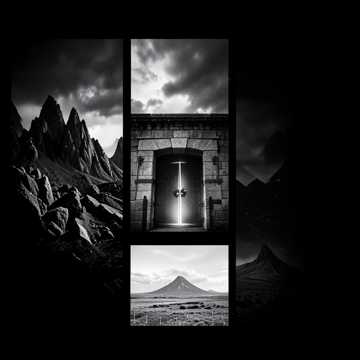
از دلِ سنگ
این قطعه سرودی جنگاورانه درباره اتحاد، ایستادگی و عبور از مرزهای ناممکن است. رپ پرشتاب، سازهای ارکسترال، ضربهای سنگین و فریادهای گروهی، فضایی حماسی و مناسب نبردهای بازیمحور میسازند؛ جایی که هر زخم نشانی از مسیر و هر صدا دعوتی به پیروزی است.
03:28
1 days ago
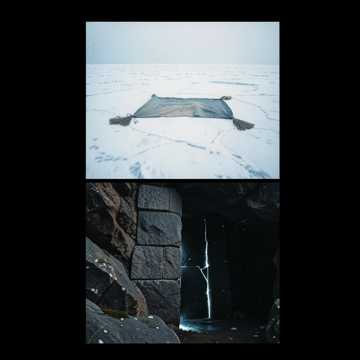
The Buried Story
The song recounts an ancient conflict that shattered a shared world, drove monsters beneath the earth, and sealed them away through fear and magic. Its solemn narrative moves from remembered unity to devastation, ending with a fragile hope that survives beneath centuries of silence.
04:35
1 days ago
Sustained Swell
A slow, reflective orchestral piece built on a repeating string motif. Legato violins, violas, cello, bass, and restrained piano expand from an intimate opening into a sustained cinematic climax before resolving with gentle warmth.
03:30
1 days ago

अलख गुरु का डंडा
यह गीत गुरु की आज्ञा और अलौकिक अधिकार को केंद्र में रखता है। दोहरावदार उद्घोष, कठोर गायकी और तीव्र लोक-एक्शन संगीत मिलकर चुनौती, अनुशासन, दैवी शक्ति और विजयी तेवर से भरा हुआ प्रभाव रचते हैं।
00:59
1 days ago

Vera
Vera follows a relentless investigation into a disappearance shaped by lies, guilt, and fractured family memories. Its fast new-wave pulse collides with sinister orchestration, piano, strings, and theatrical horror motifs, creating a bleak seaside mystery where truth survives every alibi.
05:29
1 days ago

Beethoven Cumbia
An exuberant instrumental crossover where solo violin transforms a stately classical motif into a jubilant cumbia dance. Its shifting texture moves from lean guiro, congas, and bass to expansive string runs, handclaps, and implied brass accents, creating a warm, theatrical celebration suited to dancing and festive scenes.
03:38
Invalid date

No saint in this city NOSAINT
A powerful antiheroine claims control over a glittering city ruled by wealth, secrets, and betrayal. Moving through black cars, penthouse parties, and flashing cameras, she transforms loss into fame and refuses every halo, ending as the untouchable queen of the night.
03:48
Invalid date
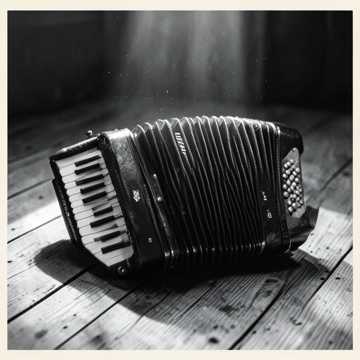
Bachata On 5
Una pieza instrumental de cumbia bailable que combina percusión dembow, bajo ágil, acordeón y guiños orquestales de inspiración clásica. Su estructura crece desde versos contenidos hasta coros expansivos con metales, palmas, timbales y motivos memorables.
03:07
Invalid date

عشق
این ترانه روایت عاشقی است که پس از سالها دوری به محبوب خود بازمیگردد. سارا نماد روشنایی، آرامش و معنای زندگی است و دیدار دوبارهاش زخمهای کهنه را التیام میبخشد و جهان عاشق را از نو روشن میکند.
03:38
1 days ago
Introduction to Orchestral: Definition and History
Orchestral music refers to compositions specifically created for an orchestra, a large ensemble of musicians divided into sections based on the type of instrument: strings, woodwinds, brass, and percussion. The origins of orchestral music trace back to the early Baroque period in the 17th century, where the modern orchestra began to take shape with the works of composers like Claudio Monteverdi. Over time, orchestral music evolved significantly, with the Classical period, led by figures like Wolfgang Amadeus Mozart and Ludwig van Beethoven, establishing the structure and form commonly associated with orchestral works today. The Romantic era further expanded the size of the orchestra and introduced more complex and expressive compositions. Orchestral music continues to be a cornerstone of classical music and has found its place in modern media, including film, television, and video games.
Sub-tags and Classifications within Orchestral Music
Symphonic
Symphonic music is a major sub-tag of orchestral music, characterized by large-scale works typically divided into multiple movements. Symphonies are a staple of the orchestral repertoire, often composed to explore a wide range of emotions and themes. Famous symphonic works include Beethoven's Symphony No. 9 and Tchaikovsky's Symphony No. 6.
Chamber Orchestra
Chamber orchestra refers to a smaller ensemble of musicians, often performing more intimate compositions. This sub-tag includes works that are composed for smaller spaces and typically involve fewer instruments. Examples include Mozart's Eine kleine Nachtmusik and Barber's Adagio for Strings.
Concertos
Concertos are orchestral works that feature a solo instrument or a group of solo instruments contrasted with the full orchestra. This sub-tag highlights the virtuosic interplay between the soloist(s) and the ensemble. Iconic concertos include Vivaldi's The Four Seasons and Rachmaninoff's Piano Concerto No. 2.
Ballet and Opera Orchestras
This classification involves orchestral music composed specifically for ballet and opera performances. The orchestra plays a critical role in setting the mood, supporting vocal performances, and enhancing the narrative. Examples include Tchaikovsky's The Nutcracker Suite and Wagner's The Ring Cycle.
Film Scores
Film scores represent a modern application of orchestral music, where composers create soundtracks to enhance the emotional and narrative elements of movies. Iconic film scores include John Williams' music for Star Wars and Hans Zimmer's score for Inception.
Famous Artists and Iconic Works in Orchestral Music
Ludwig van Beethoven
Beethoven is one of the most influential figures in orchestral music, known for his innovative approach to symphonic form and emotional depth. His Symphony No. 9, featuring the 'Ode to Joy,' is a landmark in orchestral composition, blending voices with the orchestra in a powerful expression of human unity and triumph.
Beethoven's Symphony No. 5
Symphony No. 5 is one of the most recognized and frequently performed orchestral works in the world. Its famous four-note motif is known worldwide, and the symphony as a whole is celebrated for its dynamic contrasts, innovative use of form, and powerful emotional impact.
Igor Stravinsky
Stravinsky revolutionized orchestral music with his bold use of rhythm, harmony, and structure. His work The Rite of Spring is a seminal piece that broke new ground in orchestration and is famous for its complexity and the riot it caused at its premiere in 1913.
Tchaikovsky's Swan Lake
Swan Lake is a ballet score that has become a staple of the orchestral repertoire. Tchaikovsky's music is renowned for its expressive melodies, rich orchestration, and ability to convey the drama and romance of the ballet. The suite derived from this score is frequently performed in concert settings.
John Williams
John Williams is a modern master of orchestral music, best known for his work in film scores. His compositions for movies such as Star Wars, Jurassic Park, and Harry Potter have become iconic, showcasing his ability to create memorable themes and evoke powerful emotions through orchestration.
Stravinsky's The Firebird
The Firebird is one of Stravinsky's early masterpieces, blending Russian folk music with innovative orchestration. This orchestral work, originally composed for the ballet, is notable for its vivid depiction of the story through music and its use of color and texture to create a magical atmosphere.
Application Scenarios for Orchestral Music
Orchestral music is widely used in film soundtracks to enhance the emotional depth and narrative of movies. Composers like John Williams and Hans Zimmer have used orchestral scores to create iconic soundtracks that are integral to the films' identities, such as the Star Wars series and Inception.
Film Soundtracks
In the gaming industry, orchestral music is employed to create immersive and dynamic soundscapes. Games like The Legend of Zelda and Final Fantasy series have memorable orchestral scores that play a key role in enhancing the player's experience.
Video Game Music
Orchestral music is a staple of live performances in concert halls around the world. Symphonies, concertos, and other orchestral works are performed by professional ensembles to large audiences, showcasing the art of live orchestration and interpretation.
Live Performances
Orchestral music is also used in advertising to evoke a sense of grandeur, elegance, or emotional impact. Companies often use orchestral compositions to make their ads more memorable and impactful, helping to associate their brands with these positive attributes.
Advertising