Free Orchestral Music Generator Powered by AI
Turn text into high-quality Orchestral music effortlessly – no login required!

music.toolTips
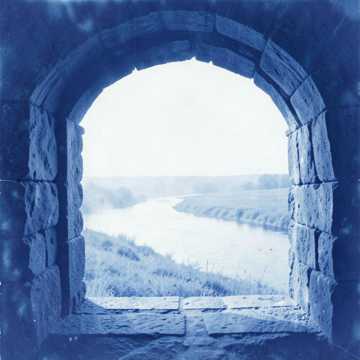
نجوای باران
این ترانه با ضربآهنگ۶/۸ و فضایی سینمایی، از تاریخ و فداکاری آغاز میشود و با تصویر دخترکی امیدوار به روشنایی میرسد. نجوای باران کنار رود میناب، عشق به ایران را به سرودی جمعی، افتخارآمیز و ماندگار تبدیل میکند.
03:17
2 hours ago

Sari Silk Vows
A graceful wedding composition that moves from intimate piano and delicate dutor phrases into soaring strings, orchestral brass, and cinematic percussion. Its Uzbek-inspired elegance, warm ambience, and emotional crescendo create a luxurious soundtrack for vows, processionals, first dances, and unforgettable celebration moments.
03:44
2 hours ago

Who I used to be
A haunted narrator confronts fragmented memories and fears the person hidden in the past. Through sparse verses, expansive choruses, and a gradual orchestral rise, the song moves from isolation and guilt toward a fragile but powerful decision to define who she becomes.
04:03
2 hours ago
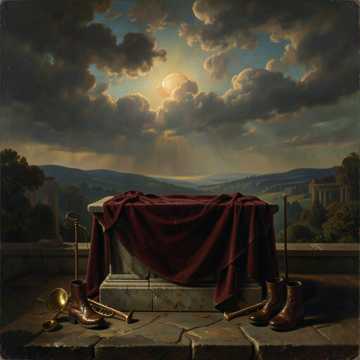
Tou Te Tutumai Lava
O lenei pese o se vii faaleagaga e faamalosiau ai le tumau ma le lototele i lalo o le puipuiga a le Atua. E amata filemu i talipalau ma leo maualalo, ae siitia atu i se tali aufaipese lautele ma faaiu i se tatalo puupuu.
01:49
2 hours ago
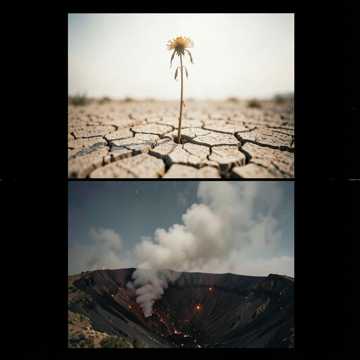
هذيان
قصيدة غنائية عن عاشق أنهكه الفقد والحرمان، فتاه بين الذكرى والواقع حتى صار الهذيان لغته الوحيدة. يتصاعد الألم كالنار، ثم يتحول في النهاية إلى دعوة لكسر قيود الماضي واستعادة القدرة على الحب.
04:47
3 hours ago
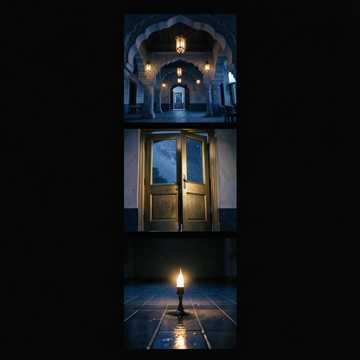
در حرم یار بماند
این قطعه سفری عرفانی و پرتنش از انکار و هراس به محرمیت عشق است. شعر کلاسیکمآب، رپ کوبنده و ترجیعبند ملودیک، رهایی دل از پرده پندار و ماندن در پناه معشوق را تصویر میکنند.
03:32
3 hours ago
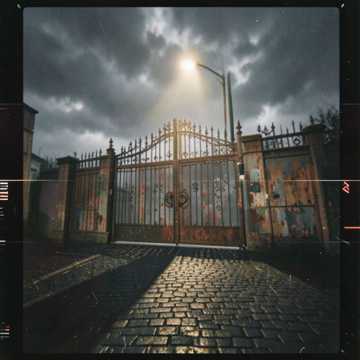
Gottes Feind
Gottes Feind entfaltet eine bedrohliche, sakral-dramatische Klangwelt. Marschierende Trommeln, wuchtige Blechbläser, Orgelakkorde und Kirchenglocken steigern die Spannung bis zu wortlosen Chören. Ohne gesungene Worte vermittelt das Stück den Eindruck eines monumentalen Kampfes gegen eine übermächtige göttliche Gegenkraft.
03:20
3 hours ago
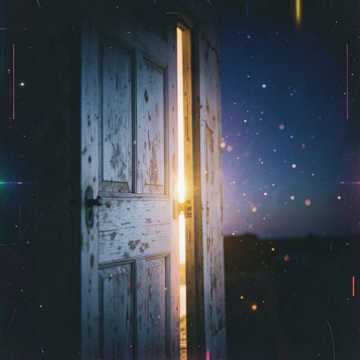
معمار فردا
این قطعه سرودی الهامبخش درباره عبور از تاریکی، غلبه بر ترس و ساختن آیندهای روشن است. فضای کیهانی، آواز مردانه قدرتمند، همخوانی نجواگونه و ضربآهنگ الکترونیک حماسی، حس جاهطلبی، پیروزی و امکان بینهایت را تقویت میکنند.
02:10
3 hours ago

Дядо Коледа и Снежанка
Празнично аудио послание, в което Дядо Коледа и Снежанка отправят топъл поздрав към децата на Козлодуй. Придружено от коледни камбанки и оркестрова музика, то носи празнична радост, магия и вълнение за запалването на градската елха.
02:03
3 hours ago
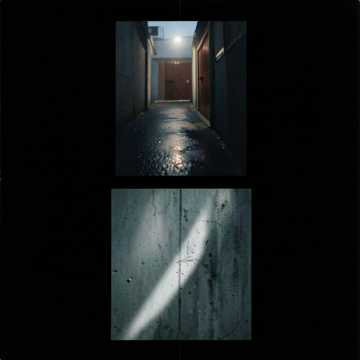
Gizli Operasyon
Gizli Operasyon, sessiz bir pusunun gölgesinden başlayıp yoğun bir polisiye yüzleşmeye yükselen karanlık sinematik bir enstrümantal eserdir. Nabız gibi atan ritimler, tehditkâr bakır üflemeliler ve gerilimli yaylılar kontrollü, kasvetli bir sonuca ulaşır.
03:00
4 hours ago
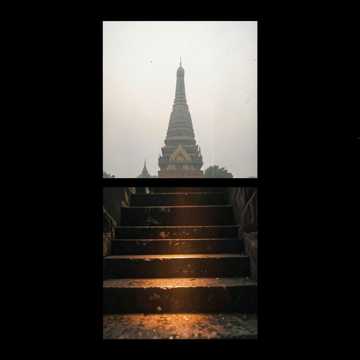
Divine Awakening
A mysterious spiritual journey that begins with delicate shehnai and sitar, expands through ambient chanting and orchestral temple percussion, and rises into an uplifting cosmic finale. Its spacious, reverent arrangement evokes sacred discovery, inner renewal, divine presence, and awakening beyond the ordinary.
04:30
5 hours ago
الله
أنشودة دينية قصيرة تكرر عبارات التوحيد والانتماء للإسلام ومحبة الرسول، ضمن أداء نسائي روحاني ومشهد درامي إنساني يبرز الرحمة والعناية الإلهية عندما يتوقف مسافر لإنقاذ حمامة عطشى.
02:15
5 hours ago

Where the Fun Rolls In
A lively orchestral cartoon theme about a welcoming mountain town where snowy mornings, familiar neighbors, shared jokes, and winding roads turn everyday life into cheerful adventure. Its brisk rhythm, playful vocals, brass fanfares, banjo, and fiddle create a warm, theatrical singalong atmosphere.
00:50
Invalid date

1819
این قطعه مرثیهای حماسی برای جانباختگان خیابان است. راوی از مادران، خواهران، برادران و دلاوران وطن میگوید و اندوه جمعی را به فریادی برای آزادی و عزت ایران بدل میکند. موسیقی از سوگ آرام به اوج اعتراضی و باشکوه میرسد.
04:27
5 hours ago

Rising Wonder
A luminous instrumental journey from delicate natural textures to radiant orchestral elevation. Birdsong, flute, celesta, and soft strings create a spacious atmosphere of curiosity and renewal, gradually rising toward an uplifting climax filled with cinematic wonder.
03:18
5 hours ago
Hell Sends You Its Greetings
A dark gothic metal warning aimed at the slanderer, the song portrays gossip as prideful cruelty whose consequences culminate in spiritual ruin. Crushing riffs, blastbeats, orchestral tension, anguished vocals, violin, and guitar create a mournful yet furious atmosphere of judgment.
04:23
5 hours ago

Mownam3
முடிவுக்கு வராத காதல் பிரிவால் சிதைந்த ஒருவன், கடந்த நினைவுகள், மௌனம், தனிமை மற்றும் உயிரோடு எரியும் ஏக்கத்துடன் போராடுகிறான். காதல் இருந்தபோது அழகாகத் தோன்றிய உலகம், பிரிவுக்குப் பின் வெறுமையாகி, ஒவ்வொரு நொடியும் யுகமாக மாறுகிறது.
04:48
5 hours ago
Midnight Pursuit
A shadowy instrumental R&B pursuit built on a half-time groove, powerful sub bass, icy orchestration, tense piano, and dramatic brass. Sparse verses escalate into massive drops with layered harmonies, gang-style responses, delay throws, reverse swells, and cinematic impact.
03:25
6 hours ago
Kaalamum Kathi
Kaalamum Kathi ஒரு இருண்ட, பாஸ் நிறைந்த R&B குத்து இன்ஸ்ட்ருமென்டல். இறுக்கமான லோ-எண்ட் துடிப்புகள், கைத் தாளங்கள், உயர்ந்து வரும் ஸ்ட்ரிங்ஸ், சித்தார் கோடுகள் மற்றும் ஆர்க்கெஸ்ட்ரல் தாக்கங்கள் இணைந்து பதற்றம், வேகம், வெற்றிச் சுடர் கொண்ட சினிமாட்டிக் அனுபவத்தை உருவாக்குகின்றன.
03:14
6 hours ago
The Time Has Come
A mid-tempo anthem of transformation, The Time Has Come moves from hesitation and hidden dreams toward courage, self-belief, and decisive action. Its acoustic opening grows into an expansive rock-orchestral climax, turning personal awakening into a communal declaration of readiness.
05:18
6 hours ago
Introduction to Orchestral: Definition and History
Orchestral music refers to compositions specifically created for an orchestra, a large ensemble of musicians divided into sections based on the type of instrument: strings, woodwinds, brass, and percussion. The origins of orchestral music trace back to the early Baroque period in the 17th century, where the modern orchestra began to take shape with the works of composers like Claudio Monteverdi. Over time, orchestral music evolved significantly, with the Classical period, led by figures like Wolfgang Amadeus Mozart and Ludwig van Beethoven, establishing the structure and form commonly associated with orchestral works today. The Romantic era further expanded the size of the orchestra and introduced more complex and expressive compositions. Orchestral music continues to be a cornerstone of classical music and has found its place in modern media, including film, television, and video games.
Sub-tags and Classifications within Orchestral Music
Symphonic
Symphonic music is a major sub-tag of orchestral music, characterized by large-scale works typically divided into multiple movements. Symphonies are a staple of the orchestral repertoire, often composed to explore a wide range of emotions and themes. Famous symphonic works include Beethoven's Symphony No. 9 and Tchaikovsky's Symphony No. 6.
Chamber Orchestra
Chamber orchestra refers to a smaller ensemble of musicians, often performing more intimate compositions. This sub-tag includes works that are composed for smaller spaces and typically involve fewer instruments. Examples include Mozart's Eine kleine Nachtmusik and Barber's Adagio for Strings.
Concertos
Concertos are orchestral works that feature a solo instrument or a group of solo instruments contrasted with the full orchestra. This sub-tag highlights the virtuosic interplay between the soloist(s) and the ensemble. Iconic concertos include Vivaldi's The Four Seasons and Rachmaninoff's Piano Concerto No. 2.
Ballet and Opera Orchestras
This classification involves orchestral music composed specifically for ballet and opera performances. The orchestra plays a critical role in setting the mood, supporting vocal performances, and enhancing the narrative. Examples include Tchaikovsky's The Nutcracker Suite and Wagner's The Ring Cycle.
Film Scores
Film scores represent a modern application of orchestral music, where composers create soundtracks to enhance the emotional and narrative elements of movies. Iconic film scores include John Williams' music for Star Wars and Hans Zimmer's score for Inception.
Famous Artists and Iconic Works in Orchestral Music
Ludwig van Beethoven
Beethoven is one of the most influential figures in orchestral music, known for his innovative approach to symphonic form and emotional depth. His Symphony No. 9, featuring the 'Ode to Joy,' is a landmark in orchestral composition, blending voices with the orchestra in a powerful expression of human unity and triumph.
Beethoven's Symphony No. 5
Symphony No. 5 is one of the most recognized and frequently performed orchestral works in the world. Its famous four-note motif is known worldwide, and the symphony as a whole is celebrated for its dynamic contrasts, innovative use of form, and powerful emotional impact.
Igor Stravinsky
Stravinsky revolutionized orchestral music with his bold use of rhythm, harmony, and structure. His work The Rite of Spring is a seminal piece that broke new ground in orchestration and is famous for its complexity and the riot it caused at its premiere in 1913.
Tchaikovsky's Swan Lake
Swan Lake is a ballet score that has become a staple of the orchestral repertoire. Tchaikovsky's music is renowned for its expressive melodies, rich orchestration, and ability to convey the drama and romance of the ballet. The suite derived from this score is frequently performed in concert settings.
John Williams
John Williams is a modern master of orchestral music, best known for his work in film scores. His compositions for movies such as Star Wars, Jurassic Park, and Harry Potter have become iconic, showcasing his ability to create memorable themes and evoke powerful emotions through orchestration.
Stravinsky's The Firebird
The Firebird is one of Stravinsky's early masterpieces, blending Russian folk music with innovative orchestration. This orchestral work, originally composed for the ballet, is notable for its vivid depiction of the story through music and its use of color and texture to create a magical atmosphere.
Application Scenarios for Orchestral Music
Orchestral music is widely used in film soundtracks to enhance the emotional depth and narrative of movies. Composers like John Williams and Hans Zimmer have used orchestral scores to create iconic soundtracks that are integral to the films' identities, such as the Star Wars series and Inception.
Film Soundtracks
In the gaming industry, orchestral music is employed to create immersive and dynamic soundscapes. Games like The Legend of Zelda and Final Fantasy series have memorable orchestral scores that play a key role in enhancing the player's experience.
Video Game Music
Orchestral music is a staple of live performances in concert halls around the world. Symphonies, concertos, and other orchestral works are performed by professional ensembles to large audiences, showcasing the art of live orchestration and interpretation.
Live Performances
Orchestral music is also used in advertising to evoke a sense of grandeur, elegance, or emotional impact. Companies often use orchestral compositions to make their ads more memorable and impactful, helping to associate their brands with these positive attributes.
Advertising