Free Pentatonic Music Generator Powered by AI
Turn text into high-quality Pentatonic music effortlessly – no login required!

music.toolTips
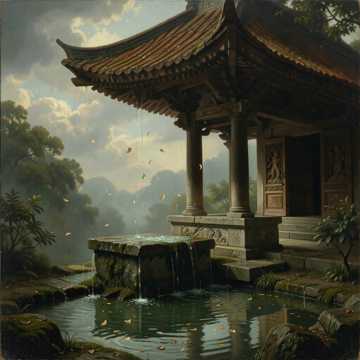
Drift of Jade Rain
A slow, sorrowful ambient journey led by Chinese flute and intimate felt piano. Sparse drone, brushed percussion, swelling strings, and filtered gong shimmer deepen its sense of rain-washed memory before the arrangement returns to a fragile, solitary final phrase.
03:29
3 hours ago

金丹1层
歌曲以家庭成员整理衣物、送人回家和临别插曲为主线,借助仪式化民谣唱法放大日常对话中的尴尬与荒诞,并在露骨成人幻想的介入下形成强烈的黑色幽默和情绪反差。
06:00
6 hours ago
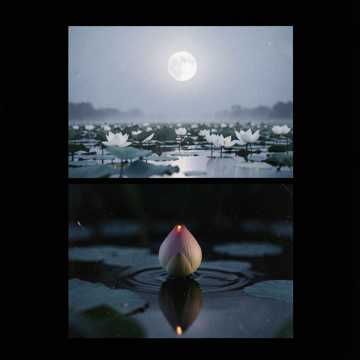
Moon Over Lotus
A wistful moonlit journey through traditional Chinese textures, beginning with fragile guzheng plucks, unfolding through singing erhu and breathlike dizi, rising into an expansive emotional climax before returning to tranquil stillness.
03:43
17 hours ago

Moon Over Lotus Lake
作品以古筝与远处二胡开启幽静夜景,借笛子、五声音阶和宽广弦乐层层推进,在含蓄忧伤与温暖怀旧之间形成情绪高潮,最终回归宁静,宛如月光下莲湖的悠长倒影。
03:49
17 hours ago
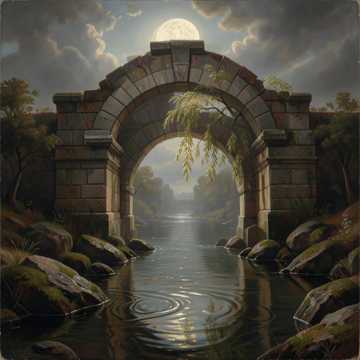
月桥回声
作品以月桥为意象,描绘记忆在夜色中的回响。古筝的清脆点染、二胡的深情吟唱与笛声的空灵相互映照,情绪由克制怀旧逐步升温,在弦乐高潮后回归平和。
03:33
17 hours ago

Moon Over Li River
A serene musical journey over the Li River, moving from delicate guzheng patterns and airy dizi phrases into expressive erhu melodies, a sweeping emotional climax, and a tranquil resolution. Its nostalgic, cinematic atmosphere evokes moonlit mountains, drifting water, and timeless Chinese landscapes.
03:29
17 hours ago

Jade River Memory
作品以五声音阶古筝拨弦开启,在二胡深情旋律与笛声的空灵呼应中逐步铺陈情绪。舒缓自由的节奏、温暖原声质感与宽阔混响,勾勒出关于河流、故乡与逝去时光的忧伤回忆,并在高潮后回归平静。
03:44
17 hours ago

Moon Over Lotus
A nostalgic nocturnal soundscape where guzheng, erhu, and dizi trace a bittersweet journey from quiet remembrance to widescreen emotional release, resolving in tranquil stillness beneath an imagined moonlit lotus pond.
03:31
17 hours ago

Moon Over Lotus
A bittersweet cinematic journey shaped by delicate guzheng plucks, expressive erhu, and airy dizi. Its sparse opening gradually blooms into a warm, powerful peak before settling into a spacious, serene ending.
03:22
18 hours ago
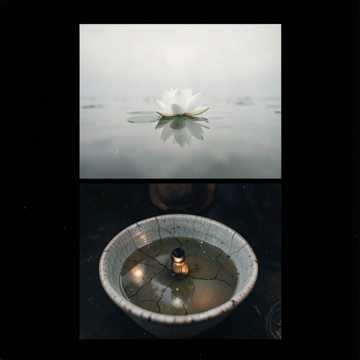
Càng yêu càng xa
Ca khúc kể về một người phụ nữ từng trao trọn chân tình nhưng liên tục chịu tổn thương, vô tâm và kiểm soát. Khi tình yêu biến thành khoảng cách, cô chọn khép lòng, rời khỏi những lời hứa xa vời để tìm lại bình yên.
03:48
Invalid date
Càng yêu càng xa
Ca khúc kể về một người phụ nữ từng trao trọn yêu thương nhưng nhận lại tổn thương, kiểm soát và khoảng cách. Khi những cố gắng trở nên vô nghĩa, cô chọn khép lòng, rời khỏi mối quan hệ để tìm lại bình yên.
03:47
Invalid date

Càng yêu càng xa
Ca khúc kể về một người phụ nữ từng trao trọn lòng mình nhưng liên tục chịu tổn thương, so sánh và kiểm soát. Khi tình yêu biến thành khoảng cách, cô chọn khép lòng, rời xa những lời hứa và tìm lại bình yên cho chính mình.
03:29
Invalid date

Càng yêu càng xa
Ca khúc khắc họa một mối tình càng cố vun đắp càng trở nên xa cách. Từ những tổn thương bị dồn nén, nhân vật trữ tình chọn khép lòng, buông bỏ lời hứa và tìm kiếm bình yên sau những tháng ngày cô đơn ngay bên người mình yêu.
03:15
Invalid date
Càng yêu càng xa
Ca khúc khắc họa nỗi đau của một người càng yêu càng bị tổn thương, càng mở lòng càng nhận về khoảng cách. Sau những trách móc, kiểm soát và hứa hẹn phai nhạt, cô chọn buông bỏ để tìm lại bình yên.
03:25
Invalid date

Càng yêu càng xa
Ca khúc kể về một tình yêu càng cố níu giữ càng trở nên xa cách. Từ những tổn thương, trách móc và sự vô tâm, nhân vật trữ tình chọn khép lòng, chôn giấu nỗi buồn và tìm kiếm bình yên sau một mối quan hệ đã cạn hy vọng.
03:32
Invalid date

Càng yêu càng xa
Ca khúc kể về một người phụ nữ từng hết lòng yêu thương nhưng liên tục chịu tổn thương, trách móc và sự vô tâm. Khi những hứa hẹn trở nên vô nghĩa, cô chọn buông bỏ, dù cả hai vẫn đứng cạnh nhau mà tâm hồn đã cách xa.
03:23
Invalid date

Bati Caravan
A midslow, hand-played instrumental caravan driven by asymmetrical rhythm and deep bass motifs. Sparse drones open into Ethiopian-inspired bagpipe and saxophone phrases, balancing ritual intensity, movement, and wide-stereo organic warmth.
04:03
21 hours ago
Càng yêu càng xa
Ca khúc kể về một người phụ nữ từng trao trọn yêu thương nhưng liên tục nhận lại tổn thương, so sánh và sự vô tâm. Trên nền R&B Afrobeats cùng âm sắc đàn tranh, cô dần nhận ra buông tay là cách tìm lại bình yên.
03:40
Invalid date
Càng yêu càng xa
Ca khúc kể về một người phụ nữ từng chân thành mở lòng nhưng liên tục nhận tổn thương, trách móc và sự vô tâm. Khi tình yêu biến thành kiểm soát và khoảng cách, cô chọn khép lại, chôn giấu nỗi buồn và tìm kiếm bình yên cho riêng mình.
03:28
Invalid date
Càng yêu càng xa
Ca khúc khắc họa một mối tình rạn vỡ bởi tổn thương, kiểm soát và sự vô tâm. Trên nền R&B Afrobeats105 BPM cùng điểm nhấn đàn tranh, giọng hát nữ trầmấm chuyển từ chịu đựng sang bùng nổ, rồi lặng lẽ chấp nhận khoảng cách để tìm lại bình yên.
03:39
Invalid date
Introduction to Pentatonic Scales
The Pentatonic scale is a musical scale with five notes per octave, as opposed to the heptatonic (seven-note) scales such as the major and minor scales. The term 'pentatonic' comes from the Greek words 'pente,' meaning five, and 'tonos,' meaning tone. The origins of the Pentatonic scale can be traced back to ancient cultures across the globe, including Asia, Africa, and Europe. It is one of the oldest musical scales known to humanity and has been used in various forms of music throughout history. In traditional Chinese music, for example, the Pentatonic scale forms the foundation of much of the classical repertoire. Similarly, in Celtic music, it is often heard in folk tunes and dance music. The simplicity and versatility of the Pentatonic scale have made it a staple in many musical traditions, from jazz and blues to rock and classical music.
Sub-tags and Classifications of Pentatonic Scales
Major Pentatonic
The Major Pentatonic scale is derived from the major scale by omitting the fourth and seventh notes. This scale is commonly used in Western music genres such as country, rock, and pop. It has a bright and uplifting sound, making it suitable for melodies that are meant to be positive and straightforward.
Minor Pentatonic
The Minor Pentatonic scale is derived from the natural minor scale by omitting the second and sixth notes. It is frequently used in blues, jazz, and rock music. The Minor Pentatonic scale is known for its soulful and melancholic tone, often used to convey emotion and depth in music.
Blues Scale
The Blues scale is an extension of the Minor Pentatonic scale, with the addition of a 'blue note,' typically the diminished fifth. This scale is a cornerstone of blues music and is also widely used in jazz and rock. The Blues scale adds a unique, expressive quality to music, characterized by its 'bluesy' sound.
Hirajōshi Pentatonic
The Hirajōshi scale is a Japanese Pentatonic scale that omits certain notes from the natural scale to create a more exotic sound. This scale is often used in traditional Japanese music and is known for its distinctive and haunting quality.
Egyptian Pentatonic
The Egyptian Pentatonic scale is another variant of the Pentatonic family, often associated with Middle Eastern and North African music. This scale has a mystical and ancient sound, making it suitable for creating an exotic atmosphere in music.
Famous Artists and Iconic Works in Pentatonic Music
B.B. King
B.B. King, known as the 'King of the Blues,' extensively used the Minor Pentatonic scale in his guitar solos. His work, particularly the song 'The Thrill Is Gone,' is a prime example of the emotional depth that the Pentatonic scale can convey in blues music.
Amazing Grace
'Amazing Grace' is a classic hymn that utilizes the Major Pentatonic scale. The simplicity of the scale allows the melody to be easily sung by congregations, contributing to its enduring popularity. The use of the Pentatonic scale gives the hymn a spiritual and uplifting quality.
Jimi Hendrix
Jimi Hendrix was a master of the guitar who revolutionized rock music with his use of the Pentatonic scale. Songs like 'Voodoo Child (Slight Return)' showcase his innovative use of the Minor Pentatonic scale, blending it with elements of the blues to create a powerful and expressive sound.
Auld Lang Syne
This traditional Scottish song, often sung at New Year's celebrations, is based on the Major Pentatonic scale. The Pentatonic structure lends the song a sense of nostalgia and universality, making it recognizable and emotionally resonant across cultures.
Claude Debussy
Claude Debussy, a French composer, was known for incorporating the Pentatonic scale into his compositions, particularly influenced by Eastern music. His piece 'Pagodes' from the suite 'Estampes' is a notable example of the use of the Pentatonic scale in classical music, evoking the sounds of Javanese gamelan music.
Redemption Song
Bob Marley's 'Redemption Song' is a powerful example of the Minor Pentatonic scale in modern music. The song's poignant melody, driven by the simplicity of the Pentatonic scale, underscores its message of freedom and human rights.
Application Scenarios for Pentatonic Music
Pentatonic scales are often used in movie soundtracks to evoke specific emotions or cultural settings. For example, the use of the Minor Pentatonic scale in a film score can convey a sense of melancholy or introspection, while the Major Pentatonic scale might be used to enhance scenes of joy or triumph.
Movie Soundtracks
The Pentatonic scale is popular in advertising music due to its universal appeal and easy-to-remember melodies. Jingles or background music based on the Pentatonic scale can create an immediate connection with the audience, making the product or brand more memorable.
Advertising Music
In video games, the Pentatonic scale is often employed to create immersive and culturally themed soundtracks. For instance, games set in ancient China or Japan might use the Hirajōshi or Major Pentatonic scales to enhance the authenticity and atmosphere of the game world.
Game Background Music