Free Psychological Music Generator Powered by AI
Turn text into high-quality Psychological music effortlessly – no login required!

music.toolTips

A Necessary Cruelty
A ruthless scientist treats human suffering as experimental data, rejecting ethics in pursuit of perfection. Through gloomy grunge, operatic intensity, cinematic drama, and playful menace, the song explores dehumanization, unchecked ambition, moral nihilism, and the terrifying certainty of someone who believes they are right.
05:05
2026-09-11

A Necessary Cruelty
A remorseless experimenter narrates the destruction of human subjects as necessary progress. Through cold scientific imagery and a confrontational funk pulse, the song explores hubris, dehumanization, moral nihilism, and the terrifying conviction that cruelty becomes acceptable when it produces results.
04:26
2026-09-11

Dreckspfarrer
'Dreckspfarrer' erzählt die schockierende Geschichte des wahnhaften Pfarrers Benedikt, der drogenberauscht eine Polizeikontrolle in ein groteskes Schauspiel verwandelt. Getragen von schrägen Banjo-Klängen und unheimlichem Gesang, zeichnet der Song das verstörende Portrait eines tief gefallenen Seelsorgers zwischen Raserei, Verzweiflung und dunkler Provokation.
05:46
2026-09-10
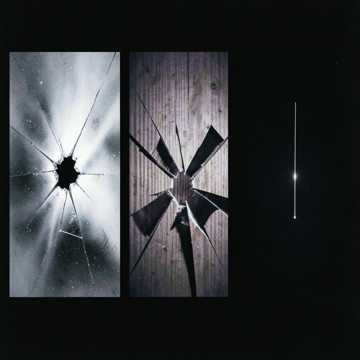
Genesis
Genesis portrays consciousness emerging from a violent, suffocating darkness. Its uneven sub-bass heartbeat, dissonant cello motif, distorted whispers, and sudden gasp create an unsettling passage from silence into fragile life, ending as a stark bridge toward acoustic rebirth.
03:19
2026-09-09
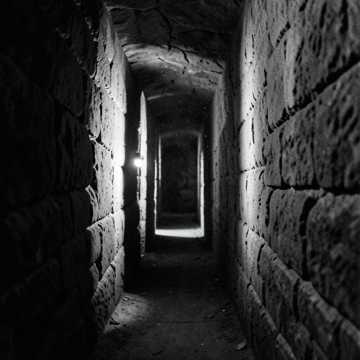
End the suffer
End the Suffer follows Spike through a living maze of trauma, where Nyxveil embodies his rejected pain and fractured identities. As memories of abuse, loss, guilt, and self-destruction surface, the song reveals that healing begins by confronting the monster within and accepting the parts still capable of love.
04:28
2026-09-09

Maze in the mind Improve
'Maze in the mind Improve' is an epic, dark alternative rap track depicting a psychological clash between Spike and the monstrous Nyxveil inside a mental labyrinth. Driven by intense rhythm and spoken-word grit, it explores trauma, survival, and ultimate transcendence over internal ghosts.
03:53
2026-09-09
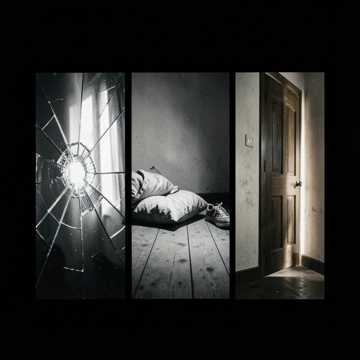
The Open Door
'The Open Door' is a visceral post-hardcore and Swancore track exploring fractured identity, memory manipulation, and psychological unraveling. Through complex time signature shifts, manic breakdown sections, and haunting melodic chorus hooks, the song depicts a haunting confrontation with an alien version of oneself.
05:49
2026-09-08
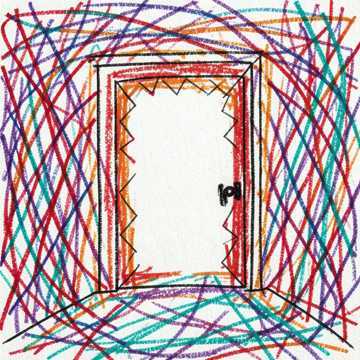
The Open Door
The song follows a narrator confronting an unstable reflection of the self, questioning memory, responsibility, and identity. Its recurring open door becomes a metaphor for denial and intrusion, while escalating rhythms and vocal breakdowns transform dissociation into violent, unresolved self-recognition.
04:58
2026-09-08
The Open Door
The song follows a speaker confronting an unstable version of himself, questioning memory, responsibility, and identity. Through shifting time signatures, dissonant intensity, and increasingly desperate vocals, it portrays psychological fragmentation before ending with the disturbing awakening of the self he tried to erase.
05:07
2026-09-08

The Open Door
A psychologically fractured narrator confronts fabricated memories, an unstable identity, and the fear of responsibility. Through shifting rhythms, dissonant chords, and escalating vocals, the song transforms an open door into a symbol of guilt, agency, disappearance, and reluctant self-recognition.
05:35
2026-09-08

The Open Door
The song follows a narrator confronting fractured identity, manufactured memories, and the fear of becoming someone unfamiliar. Through unstable rhythms, escalating aggression, and an unresolved ending, it turns an open door into a metaphor for responsibility, dissociation, self-erasure, and reluctant self-recognition.
06:06
2026-09-08

The Open Door
The song follows a narrator confronting an unstable duplicate self, fabricated memories, and the moral burden of leaving emotional doors open. Its shifting meters and escalating vocals portray dissociation, identity loss, panic, and the unsettling possibility that psychological freedom requires abandoning an older version of oneself.
05:05
2026-09-08

The Open Door
The song follows a narrator confronting an unstable version of themselves shaped by false memories, emotional denial, and fractured identity. Its shifting rhythms and explosive vocals mirror psychological unraveling, while the open door becomes a symbol of responsibility, escape, intrusion, and the fear of becoming someone unfamiliar.
05:22
2026-09-08
The Open Door
'The Open Door' is a frantic, Swancore-infused exploration of fractured identity, guilt, and dissociation. Blending unpredictable time signatures, dissonant guitars, and aggressive vocals, the track captures a descent into psychological chaos, oscillating between quiet introspective vulnerability and explosive, desperate rage.
04:32
2026-09-08
The Open Door
The Open Door follows a fractured narrator confronting an alternate self, manufactured memories, and the fear of losing personal identity. Its shifting meters, dissonant harmonies, and explosive vocals turn psychological instability into a tense journey from denial toward a disturbing reunion with the self.
04:55
2026-09-08

The Open Door
The song portrays a narrator confronting a fractured identity shaped by invented memories, emotional denial, and an unseen influence. Through unstable rhythms and escalating aggression, it explores responsibility, self-erasure, paranoia, and the terrifying possibility that losing oneself may feel like freedom.
05:20
2026-09-08
The Open Door
The song follows a narrator confronting fragmented identity, fabricated memories, and the fear of becoming someone unfamiliar. Through unstable rhythms, dissonant harmonies, and escalating vocal intensity, it transforms psychological disintegration into a desperate question about responsibility, selfhood, and the versions of ourselves we choose to preserve.
05:26
2026-09-08

Panther (lucky) LXY
Panther LXY portrays a fractured consciousness trapped beneath dirt and overwhelming light. Repeated cries of Panther-ina and delirium creeper evoke fever, helplessness, bodily distortion, and the desperate urge to claw free from an unknowable collapse.
02:40
2026-09-08

ich kann den Regen für dich ertragen
Das Lied beschreibt eine nächtliche Welt voller Angst, Fragen und innerer Gefangenschaft. Zwischen schwarzen Regenbildern und traumatischen Visionen entsteht ein Versprechen: Eine vertraute Stimme will die Last ertragen, Brücken bauen und den Weg zurück ins Leben begleiten.
05:19
2026-09-08

Безумець
Ардейн Валькрон, колишній король і герой, повертається після тисячі років темряви, перетворившись на безжального руйнівника. Він перемагає армії, фортеці й богів, але спогад про людяність та єдина супутниця нагадують: під безумством досі живе зламана людина.
07:59
2026-09-08
Introduction to Psychological Music: Exploring Depth and Emotion
Psychological music is a genre that delves into the complexities of the human mind, emotions, and psychological states. This genre often incorporates atmospheric, ambient, and experimental elements to evoke deep emotional responses, exploring themes such as anxiety, fear, introspection, and surreal experiences. The origins of psychological music can be traced back to the late 20th century, influenced by various movements such as psychedelic rock, experimental electronic music, and the avant-garde. Over time, it has evolved into a distinct genre that is both evocative and introspective, often used in contexts that require a deep emotional connection with the audience.
Sub-tags and Classifications within Psychological Music
Psychedelic
Psychedelic music is a sub-tag of psychological music that emerged in the 1960s, characterized by its use of surreal, distorted sounds and experimental structures. It often aims to simulate or enhance the mind-altering experiences associated with psychedelic drugs, creating a sense of altered reality.
Dark Ambient
Dark Ambient is a sub-tag that focuses on creating ominous, eerie soundscapes. It is heavily atmospheric and often used to evoke feelings of unease, fear, or introspection. This sub-tag is popular in psychological thrillers and horror films due to its ability to create a tense, unsettling atmosphere.
Experimental
Experimental psychological music pushes the boundaries of traditional musical structures, often incorporating unconventional sounds, random noise, and dissonance. This sub-tag emphasizes innovation and unpredictability, challenging the listener’s perceptions and emotions.
Cinematic
Cinematic psychological music is composed to enhance the emotional and psychological impact of visual media, such as films and video games. It often features orchestral arrangements, dramatic crescendos, and intricate sound design to create an immersive experience that resonates with the audience.
Famous Artists and Works in Psychological Music
Brian Eno
Brian Eno is a pioneer in ambient music, and his work has significantly influenced the psychological music genre. His album 'Music for Airports' is a seminal work in ambient and psychological music, known for its minimalist structure and its ability to evoke calm yet introspective feelings.
Selected Ambient Works Volume II by Aphex Twin
This album is a cornerstone of psychological music, known for its dark, abstract soundscapes. It eschews traditional melody in favor of creating a disorienting and immersive experience, making it a quintessential example of how music can evoke psychological depth.
Aphex Twin
Richard D. James, known as Aphex Twin, is a leading figure in experimental electronic music. His work blends elements of ambient, experimental, and psychological music, particularly in albums like 'Selected Ambient Works Volume II,' which is noted for its eerie, otherworldly soundscapes.
Music for Airports by Brian Eno
This work is a foundational piece in ambient and psychological music, designed to calm the listener and induce a meditative state. Its repetitive, minimalist structure serves as a canvas for introspection, highlighting the power of music to influence psychological states.
David Lynch
Renowned filmmaker David Lynch has also made significant contributions to psychological music through his collaborations with composer Angelo Badalamenti. The haunting score for 'Twin Peaks' exemplifies the fusion of psychological music with cinematic storytelling, creating a deep, unsettling atmosphere.
Twin Peaks Soundtrack by Angelo Badalamenti
The soundtrack for 'Twin Peaks' is an iconic example of psychological music in a cinematic context. The music is eerie, melancholic, and deeply atmospheric, perfectly complementing the surreal and mysterious tone of the show, and contributing to its status as a cultural phenomenon.
Application Scenarios for Psychological Music
Psychological music is frequently used in film soundtracks, particularly in psychological thrillers and horror movies, where it helps to build tension, evoke fear, and amplify the emotional depth of the narrative.
Film Soundtracks
In video games, psychological music plays a crucial role in creating immersive environments, especially in genres like horror, adventure, and mystery. It enhances the player's emotional engagement, making the experience more intense and memorable.
Video Game Background Music
Psychological music is also employed in therapeutic contexts, such as meditation, stress relief, and psychological therapy. The calming, introspective nature of certain psychological music can help individuals process emotions, reduce anxiety, and achieve mental clarity.
Therapeutic Settings
Art installations often use psychological music to create an immersive experience that engages the viewer on an emotional and cognitive level. The music can transform the space, influencing the viewer's perception and emotional response to the art.
Art Installations