Free Psychological Music Generator Powered by AI
Turn text into high-quality Psychological music effortlessly – no login required!

music.toolTips

мёртвые зовут
Мрачная индустриальная рок-композиция о силе коллективного движения, страхе выйти из строя и цене слепого следования. Повторяющийся мотив шагов превращается в символ вины, памяти и власти прошлого над живыми.
06:55
2026-07-25

куда этот путь
Песня исследует силу коллективного движенияJSON Ошибка и Исправление, страх выйти из строя и постепенную утрату человечности. Через тяжёлые образы, гипнотический ритм шагов и мощный хор раскрывается трагедия людей, продолжающих путь, смысл которого уже никто не способен объяснить.
07:14
2026-07-25

куда этот путь
Песня исследует природу коллективного движения, страха и подчинения, показывая, как люди продолжают идти вперёд, даже утратив понимание цели. Мрачная атмосфера, тяжёлый гранж и массовые хоры превращают историю в трагическую аллегорию человеческого выбора.
06:48
2026-07-25

мёртвые зовут
Песня исследует психологАнализ песниию толпы, подчинение общему ритму и постепенную утрату человечности. Через тяжёлый индустриальный рок, гипнотический мотив и трагический хор она показывает, как страх и инерция позволяют мёртвым символически вести живых вперёд.
06:44
2026-07-25

мёртвые зовут
Мрачная аллегория оАнализ песни коллективном подчинении, страхе выйти из общего круга и постепенной утрате человечности. Повторяющийся мотив шагов превращается в символ неизбежного движения, вины и памяти о тех, кто уже пал.
08:02
2026-07-25

куда этот путь
Песня исследует психологию толпы, добровольное подчинение и цену бездумного следования за другими. Через тяжёлые образы шагов, молчания и вины раскрывается постепенная потеря человечности, превращая личную историю в универсальную трагическую аллегорию.
07:18
2026-07-25

мёртвые зовут
Мрачная история о людях, добровольно вошедших в круг коллективного движения, где страх, вина и молчаливое подчинение превращают шаги в единственный закон, а прошлое и павшие продолжают вести живых вперёд.
07:14
2026-07-25

нас не звали другое
Песня исследует силу коллективной инерции, страх выйти из общего круга и постепенную потерю человечности. Через гипнотические шаги, индустриальное звучание и тревожный хор раскрывается история о выборе, вине и молчаливом подчинении.
05:18
2026-07-25

нас не звали современно
Эпическая композиция исследует силу коллективного движения, давление толпы и утрату личного выбора. Через гипнотический ритм шагов, тяжёлые гитары и трагический хор песня превращается в аллегорию человеческой покорности и внутреннего конфликта.
06:38
2026-07-25

нас не звали современно
Мрачная кинематографичная песня исследует психологию толпы, коллективную ответственность и утрату личного выбора. Повторяющиеся шаги становятся символом инерции, страха и саморазрушительного движения, усиливаемого эпическим роковым и индустриальным звучанием.
08:00
2026-07-25

нас не звали 14
Трагичная песня о том, как толпа добровольно втягивается в бесконечное движение, где страх, вина и молчание стирают личность. Грязный гранж, пост-панк и масштабный хор усиливают ощущение неизбежности и коллективной инерции.
08:00
2026-07-25

нас не звали 1
Мрачная аллегория о коллективном движении без цели, где страх, чувство принадлежности и молчаливое подчинение превращают шаги в единственный ритм жизни. Тяжёлое звучание усиливает ощущение неизбежности и внутреннего распада.
09:25
2026-07-25

нас не звали 1
Трагичная пост-панк история о людях, добровольно вступивших в замкнутый круг, где страх, вина и стадный инстинкт подавляют личность. Грязные гранжевые гитары, массовый хор и ритуальный ритм шагов создают гипнотическую атмосферу неизбежности.
08:00
2026-07-25

дальше шли 0000
Песня исследует, как человек теряет индивидуальность внутри толпы, продолжая движение даже после исчезновения смысла. Шаги становятся ритмом подчинения, хор — голосом коллективного сознания, а финальное одиночество раскрывает трагедию пути, который никто не осмелился остановить.
05:06
2026-07-25
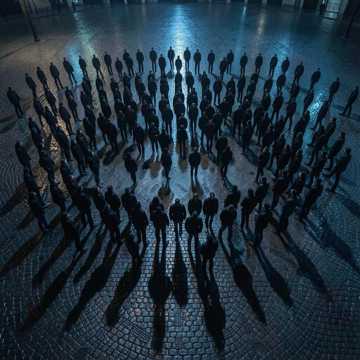
дальше шли 4325
Песня исследует силу толпы, конформизм и постепенную потерю личной воли. Гипнотические шаги становятся символом коллективного транса, где движение продолжается даже тогда, когда исчезает смысл самого пути.
06:46
2026-07-25

G2-62 Eye of the Abyss
An epic gothic symphonic metal anthem portraying psychological surrender, inner conflict, and spiritual obsession through haunting orchestration, soaring soprano vocals, and powerful cinematic intensity.
06:11
2026-07-25

C2-48 Invisible Shackles
A commanding narrator blurs the line between protection and possession, observing chaos with detached confidence while offering an alluring yet imprisoning refuge. Heavy industrial grooves and rhythmic metal reinforce themes of manipulation, dominance, and psychological control.
05:06
2026-07-25

six feet under
A dark Drum and Bass song with female vocals portraying obsessive grief, vengeance, and emotional ruin. Aggressive imagery and relentless repetition create an intense descent into hatred, despair, and psychological darkness.
03:20
2026-07-24

Why Can't You See
A darkly humorous song that follows an obsessive and unreliable narrator whose distorted view of love blurs fantasy, stalking, and madness. Witch house textures, horror punk energy, and sharp satire create a chaotic yet strangely playful listening experience.
03:10
2026-07-24

Pine Box Mirror
A dark psychological trap song portraying relentless visions of one's own coffin, blending fear, mortality, and emotional isolation through haunting imagery, eerie production, and an unsettling chant-driven hook.
02:41
2026-07-24
Introduction to Psychological Music: Exploring Depth and Emotion
Psychological music is a genre that delves into the complexities of the human mind, emotions, and psychological states. This genre often incorporates atmospheric, ambient, and experimental elements to evoke deep emotional responses, exploring themes such as anxiety, fear, introspection, and surreal experiences. The origins of psychological music can be traced back to the late 20th century, influenced by various movements such as psychedelic rock, experimental electronic music, and the avant-garde. Over time, it has evolved into a distinct genre that is both evocative and introspective, often used in contexts that require a deep emotional connection with the audience.
Sub-tags and Classifications within Psychological Music
Psychedelic
Psychedelic music is a sub-tag of psychological music that emerged in the 1960s, characterized by its use of surreal, distorted sounds and experimental structures. It often aims to simulate or enhance the mind-altering experiences associated with psychedelic drugs, creating a sense of altered reality.
Dark Ambient
Dark Ambient is a sub-tag that focuses on creating ominous, eerie soundscapes. It is heavily atmospheric and often used to evoke feelings of unease, fear, or introspection. This sub-tag is popular in psychological thrillers and horror films due to its ability to create a tense, unsettling atmosphere.
Experimental
Experimental psychological music pushes the boundaries of traditional musical structures, often incorporating unconventional sounds, random noise, and dissonance. This sub-tag emphasizes innovation and unpredictability, challenging the listener’s perceptions and emotions.
Cinematic
Cinematic psychological music is composed to enhance the emotional and psychological impact of visual media, such as films and video games. It often features orchestral arrangements, dramatic crescendos, and intricate sound design to create an immersive experience that resonates with the audience.
Famous Artists and Works in Psychological Music
Brian Eno
Brian Eno is a pioneer in ambient music, and his work has significantly influenced the psychological music genre. His album 'Music for Airports' is a seminal work in ambient and psychological music, known for its minimalist structure and its ability to evoke calm yet introspective feelings.
Selected Ambient Works Volume II by Aphex Twin
This album is a cornerstone of psychological music, known for its dark, abstract soundscapes. It eschews traditional melody in favor of creating a disorienting and immersive experience, making it a quintessential example of how music can evoke psychological depth.
Aphex Twin
Richard D. James, known as Aphex Twin, is a leading figure in experimental electronic music. His work blends elements of ambient, experimental, and psychological music, particularly in albums like 'Selected Ambient Works Volume II,' which is noted for its eerie, otherworldly soundscapes.
Music for Airports by Brian Eno
This work is a foundational piece in ambient and psychological music, designed to calm the listener and induce a meditative state. Its repetitive, minimalist structure serves as a canvas for introspection, highlighting the power of music to influence psychological states.
David Lynch
Renowned filmmaker David Lynch has also made significant contributions to psychological music through his collaborations with composer Angelo Badalamenti. The haunting score for 'Twin Peaks' exemplifies the fusion of psychological music with cinematic storytelling, creating a deep, unsettling atmosphere.
Twin Peaks Soundtrack by Angelo Badalamenti
The soundtrack for 'Twin Peaks' is an iconic example of psychological music in a cinematic context. The music is eerie, melancholic, and deeply atmospheric, perfectly complementing the surreal and mysterious tone of the show, and contributing to its status as a cultural phenomenon.
Application Scenarios for Psychological Music
Psychological music is frequently used in film soundtracks, particularly in psychological thrillers and horror movies, where it helps to build tension, evoke fear, and amplify the emotional depth of the narrative.
Film Soundtracks
In video games, psychological music plays a crucial role in creating immersive environments, especially in genres like horror, adventure, and mystery. It enhances the player's emotional engagement, making the experience more intense and memorable.
Video Game Background Music
Psychological music is also employed in therapeutic contexts, such as meditation, stress relief, and psychological therapy. The calming, introspective nature of certain psychological music can help individuals process emotions, reduce anxiety, and achieve mental clarity.
Therapeutic Settings
Art installations often use psychological music to create an immersive experience that engages the viewer on an emotional and cognitive level. The music can transform the space, influencing the viewer's perception and emotional response to the art.
Art Installations