Free Retro Era Music Generator Powered by AI
Turn text into high-quality Retro Era music effortlessly – no login required!

music.toolTips
Disco Turnstile
Disco Turnstile channels retro dance-floor funk through a polished modern production. Its steady pulse, elastic bassline, crisp guitar, handclaps, synth fills, and expanding chorus create an upbeat sense of motion, making it ideal for nightlife, fashion visuals, fitness, commercials, and celebratory scenes.
03:01
1 days ago

Velvet Arcade
Velvet Arcade evokes a neon-lit midnight world through warm analog bass, half-time drums, foggy pads, shimmering arpeggios, and widening chorus chords. Its restrained verses gradually bloom into glossy, cinematic passages, balancing nostalgia, solitude, and quiet forward motion within a spacious downtempo soundscape.
04:28
1 days ago
Police Siren Melody
A vivid instrumental fusion of retro synth-pop, techno rhythm, folk melody, and cinematic strings. Its tonal police-siren lead adds urgency without harshness, while layered bass, bright guitar, and interlocking hooks create an energetic soundtrack for night drives, urban scenes, action edits, and movement.
03:15
1 days ago

Driving Groove
A polished, playful instrumental that grows from a light melodic opening into a powerful dance groove. Recorder and ocarina exchange catchy phrases above acoustic guitar, punchy drums, layered bass, and retro synth colors, leading to a bass-driven drop and concise melodic outro.
03:24
1 days ago
Midnight At The Dial
A sepia-toned midnight jazz vignette shaped by brushed drums, walking bass, muted trumpet, clarinet, and softly glowing piano. Radio-static hiss and vinyl crackle create an intimate broadcast-room atmosphere, while sparse passages gradually open into warm ensemble swells.
03:05
1 days ago

Gemstone Cavern
An atmospheric instrumental chiptune exploration of a mysterious gemstone cavern. Slow pulses, grainy8-bit textures, eerie modal melodies, crystalline runs, and wide reverb create a sense of discovery, solitude, and ancient wonder, making it ideal for subterranean game levels, fantasy exploration, and reflective scenes.
02:55
3 days ago
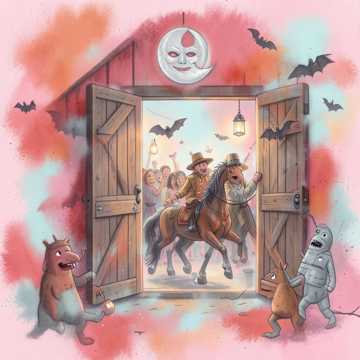
Midnight Barn Song
A lively midnight gathering transforms a quiet barn into a joyful dance floor. Classic monsters, a scarecrow, and Daisy the pony overcome their spooky appearances through music, movement, and friendship. Its brisk swing, comic imagery, and warm finale create an inviting Halloween celebration for children and families.
02:16
3 days ago
Without Me
A confident performer makes a triumphant return, insisting that radio, dance halls, and everyday life lose their spark without him. Blending soul, doo-wop, slow rap, and big-band revue energy, the song celebrates charisma, musical rebellion, nostalgia, and the joy of being heard.
06:51
3 days ago
CWG Garage
Lagu ini merayakan keahlian CWG Garage dalam merestorasi motor tua dan meningkatkan performa mesin melalui bore up, porting, serta penyetelan presisi. Dengan rap agresif, bass berat, dan energi jalanan, CWG digambarkan sebagai tempat lahirnya motor bertenaga dan berkarakter.
02:46
3 days ago
Pulsing Drive
A high-energy instrumental journey powered by a pulsing bassline, forceful dance drums, vivid analog arpeggios, and a triumphant lead synth. Its tight structure moves from an immediate groove into a layered build and full-impact hook before returning smoothly to the opening pattern.
03:13
4 days ago

Eco en 8 Bits
Una experiencia instrumental chiptune de pulso medio y energía agresiva. Sus grooves tensos, arpegios parpadeantes, bajos oscuros y efectos glitch construyen una atmósfera retro, inquietante y dinámica, ideal para acompañar una misión digital, una persecución arcade o un viaje nostálgico por mundos de8 bits.
03:02
6 days ago
Souvenir des Antilles
Une fresque nostalgique dédiée au zouk antillais et à ses grandes voix. Le narrateur ravive les souvenirs de danses, d’amours et de jeunesse en Guadeloupe et en Martinique, dans une célébration chaleureuse de la mémoire collective, de la tendresse et de l’identité créole.
07:09
6 days ago
The invitation
An instrumental summons shaped by hypnotic repetition, strict modal harmony, and unchanging intensity. Tin whistle and FM guitar riffs lead while Highland pipes reinforce the center in perfect fourths, backed by gated LinnDrum percussion, Hardanger fiddle accents, and a relentless military strathspey pulse.
04:22
6 days ago
Get Crafted
Get Crafted is a bold, minimalist dance piece centered on its memorable repeated phrase. Its90s club pulse, catwalk confidence, alternating male and female vocals, spoken-word touches, and playful rhythmic motion create a flamboyant soundtrack for fashion, nightlife, performance, and self-expression.
01:47
11 days ago
Régi társak, jó barátok
A dal szeretetteljes születésnapi köszöntő két régi társnak, akik közös szolgálati éveik és barátságuk emlékeivel ünnepelnek. A magyar diszkó lüktető ritmusa, a pezsgő, a nevetés és a közös éneklés meghitt, mégis táncos hangulatot teremt.
03:22
13 days ago
Gitara nga usa-ray kwerdas
Ang awit nagsaysay sa karaang gitara nga usa na lang ka kwerdas, apan nakapadayon gihapon sa paghatag og kusog ug kalipay. Pinaagi sa synth, beat, ug New Wave nga ritmo, nahimong simbolo kini sa pagkamamugnaon, pagkamalahutayon, ug pagsayaw bisan kulang ang kagamitan.
03:31
17 days ago

Khoya Khoya Chand
A bilingual romantic song about longing, devotion, and the dreamlike comfort of finding someone special. Hindi verses evoke a moonlit night, while English lines express lasting friendship and affection through a smooth tropical deep-house and synthwave sound.
02:53
18 days ago
Presencia Cassanova
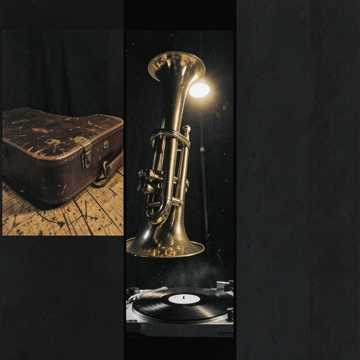
An instrumental classic rock blues piece built around swagger, tension, and release. Sparse verses, expressive slide guitar, handclap-driven transitions, and full-band choruses create a cinematic barroom atmosphere suited to driving scenes, live entrances, rebellious montages, and retro nightlife.
03:08
25 days ago
Le Démon de la Radio
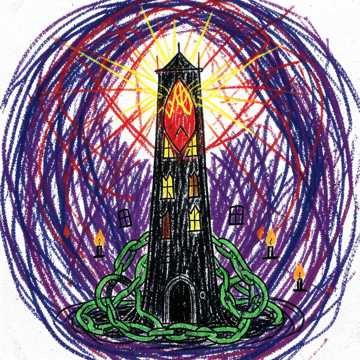
Cette chanson met en scène Alastor, maître charismatique et impitoyable dont le rire, les ombres et les chaînes soumettent toute une salle. Dans une atmosphère de cabaret gothique, le morceau déploie une menace élégante, théâtrale et cinématographique, portée par un refrain d’autorité absolue.
03:07
29 days ago
8-Bit Shogun
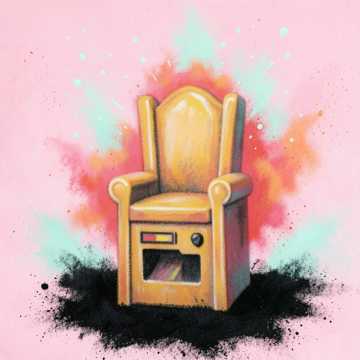
An arrogant arcade champion dominates a neon Tokyo gaming world through rapid-fire rap, Japanese-English swagger, and explosive 8-bit production. At 140 BPM, the track combines chiptune nostalgia, trap intensity, arcade sound effects, and a final-boss attitude.
03:32
2026-09-24
Retro Era Music: Definition, History, and the Evolution of Vintage Sound
Retro Era music is a broad stylistic tag for music that evokes, recreates, or draws inspiration from recognizable sounds of earlier decades. Rather than representing one strictly defined genre, Retro Era can encompass vintage rock and roll, soul, funk, disco, synth-pop, new wave, jazz-inspired pop, classic R&B, and other period-influenced styles. The foundations of the Retro Era aesthetic can be traced to the development of recorded popular music throughout the twentieth century. The 1950s established influential combinations of rock and roll, rhythm and blues, doo-wop, and early electric-guitar production. During the 1960s, soul, Motown, psychedelic rock, surf music, and increasingly sophisticated studio techniques expanded the musical palette. The 1970s introduced distinctive funk grooves, disco rhythms, progressive production, and warm analog synthesizers, while the 1980s became associated with drum machines, digital synthesizers, gated drums, new wave, synth-pop, and polished electronic textures. By the 1990s and 2000s, musicians increasingly revisited these older sounds, turning musicalRetro Era Music Overview nostalgia into a creative language of its own. Contemporary Retro Era music often combines vintage instrumentation, analog-style production, period-specific rhythms, and nostalgic melodies with modern recording technology. As a result, the Retro Era tag connects musical history with contemporary creativity and can describe both authentic historical recordings and new music deliberately designed to sound as though it belongs to an earlier period.
Retro Era Sub-Tags and Classifications: Exploring Vintage Music by Decade and Style
1950s Rock and Roll Retro
This Retro Era classification draws on the energetic sound of early rock and roll, rockabilly, rhythm and blues, and doo-wop. Typical characteristics include walking or swinging bass lines, bright electric guitar, piano, handclaps, compact drum patterns, vocal harmonies, and memorable melodic hooks. The style works especially well when a Retro Era track needs to suggest diners, jukeboxes, classic automobiles, dance halls, or the youthful culture associated with mid-century popular music.
1960s Soul and Motown Retro
The 1960s soul-oriented side of Retro Era music emphasizes expressive vocals, melodic bass guitar, tambourine, piano, brass, strings, backing vocals, and tightly arranged rhythm sections. Motown-inspired production frequently balances sophisticated songwriting with danceable grooves, while deeper soul styles may emphasize gospel-influenced vocal intensity and rawer instrumental performances. This classification gives Retro Era music warmth, romance, emotional immediacy, and a strong connection to classic American popular music.
1960s Psychedelic Retro
Psychedelic Retro Era music recreates the experimental atmosphere of late-1960s rock and pop. Common elements include fuzzy guitars, unusual effects, organ, tape-like textures, unconventional arrangements, dreamy harmonies, and surreal sonic transitions. Modern productions may imitate vintage recording limitations or use contemporary effects to exaggerate the psychedelic character, making this sub-tag suitable for dream sequences, countercultural imagery, surreal storytelling, and colorful visual media.
1970s Funk Retro
Funk-oriented Retro Era music is built around rhythm. Syncopated bass lines, wah-wah guitar, clavinet, punchy brass, tight drums, and short rhythmic vocal phrases create an energetic groove. The musical emphasis is frequently placed on interaction between instruments rather than dense melodic arrangements. Retro Era funk can convey confidence, motion, humor, urban cool, and dance-floor energy, making it particularly effective for stylish advertising, action montages, and character introductions.
1970s Disco Retro
Disco is one of the most recognizable Retro Era classifications. Four-on-the-floor kick drums, active bass lines, hi-hat patterns, sweeping strings, rhythmic guitar, orchestral accents, and celebratory vocals define much of the classic disco sound. Modern Retro Era disco may retain these historical ingredients while adding cleaner low-end production and contemporary electronic processing. The result is nostalgic yet immediately danceable music suitable for parties, fashion content, nightlife scenes, and upbeat commercial media.
1980s Synth-Pop Retro
1980s-inspired synth-pop is characterized by synthesizer leads, electronic bass, drum machines, sequenced patterns, gated percussion, atmospheric pads, and highly memorable pop melodies. This branch of Retro Era music has become especially influential in modern electronic production because its distinctive sonic vocabulary can be recreated and reinterpreted with contemporary software. It can communicate neon-lit nostalgia, romance, futurism, nightlife, technology, or cinematic tension.
1980s New Wave Retro
New wave Retro Era music combines pop songwriting with electronic experimentation, angular guitars, prominent bass, synthesizers, and stylized vocals. Compared with straightforward synth-pop, new wave can feel quirkier, more rhythmically unusual, or more influenced by post-punk aesthetics. It is useful for Retro Era projects seeking an unmistakably vintage character without relying entirely on conventional rock or dance arrangements.
Retro Ballad
Retro ballads focus on emotional songwriting through period-inspired instrumentation and production. Depending on the decade being referenced, arrangements may feature piano, electric piano, strings, saxophone, clean guitar, analog synthesizers, or large reverberant drums. This Retro Era classification works particularly well for nostalgic romance, memories, reunions, bittersweet storytelling, and emotionally reflective film or television sequences.
Modern Retro Revival
Modern Retro Revival blends historical musical vocabulary with contemporary production standards. A track might combine disco bass and strings with modern electronic drums, or 1980s synthesizers with current pop vocal production. Rather than reproducing one historical period exactly, this Retro Era approach selectively borrows recognizable vintage elements and reshapes them for present-day audiences. It demonstrates how nostalgia can function as a source of innovation rather than simple imitation.
Famous Artists and Classic Works Connected to the Retro Era Sound
Elvis Presley
Elvis Presley is closely associated with the popularization of 1950s rock and roll. Recordings such as "Heartbreak Hotel," "Jailhouse Rock," and "Hound Dog" combined influences from blues, country, rhythm and blues, and pop. His energetic vocal delivery and performance style became major reference points for later musicians recreating a 1950s Retro Era atmosphere.
Jailhouse Rock - Elvis Presley
"Jailhouse Rock" captures many qualities now associated with 1950s rock-and-roll nostalgia: an assertive backbeat, blues-derived musical language, guitar-centered instrumentation, and an energetic vocal performance. Its compact structure and rhythmic directness provide a useful blueprint for Retro Era music designed to immediately communicate the excitement of early rock culture.
The Supremes
The Supremes helped define the polished Motown sound of the 1960s through recordings including "Where Did Our Love Go" and "You Can't Hurry Love." Their elegant lead vocals, carefully structured harmonies, strong melodies, and dance-oriented arrangements remain influential references for Retro Era soul and vintage pop production.
You Can't Hurry Love - The Supremes
"You Can't Hurry Love" demonstrates the precision and melodic accessibility associated with classic Motown. The arrangement combines a memorable bass pattern, disciplined percussion, lead and backing vocal interplay, and concise pop songwriting. For Retro Era creators, the track illustrates how rhythm, harmony, and vocal arrangement can establish a recognizable 1960s identity without excessive instrumentation.
James Brown
James Brown played a foundational role in the development of funk. Recordings such as "Papa's Got a Brand New Bag" and "Get Up (I Feel Like Being a) Sex Machine" placed exceptional emphasis on groove, syncopation, rhythmic repetition, and instrumental precision. These characteristics continue to shape funk-inspired Retro Era music.
Stayin' Alive - Bee Gees
"Stayin' Alive" became an enduring representation of the disco era through its persistent groove, distinctive falsetto vocals, rhythmic guitar, prominent bass, and tightly controlled pulse. Its arrangement demonstrates how repetition can generate momentum when individual rhythmic elements are carefully layered. The song remains an important reference for Retro Era disco and dance-oriented vintage production.
Bee Gees
The Bee Gees became central figures in the popular image of late-1970s disco, particularly through songs associated with the "Saturday Night Fever" era such as "Stayin' Alive" and "Night Fever." Their falsetto vocals, sophisticated harmonies, danceable rhythms, and memorable hooks helped establish musical conventions frequently recreated in Retro Era disco.
I Feel Love - Donna Summer
"I Feel Love" was innovative because its electronic foundation pushed disco toward a more futuristic sound. The repeating synthesized sequence, steady pulse, and spacious vocal treatment created an aesthetic that was simultaneously dance-oriented and technologically forward-looking. It remains especially relevant to Retro Era music because sounds once perceived as futuristic have subsequently become powerful symbols of musical nostalgia.
Donna Summer
Donna Summer's work helped connect disco with increasingly electronic production. "I Feel Love," created with Giorgio Moroder and Pete Bellotte, was especially important for its hypnotic synthesizer sequencing and electronic rhythmic foundation. Its influence extends far beyond disco into electronic dance music and contemporary Retro Era production.
Purple Rain - Prince
"Purple Rain" combines rock-ballad scale with soul-influenced vocals, expressive guitar, atmospheric keyboards, and dramatic dynamic development. Its gradual expansion demonstrates how an arrangement can move from intimacy toward a large emotional climax. Within a Retro Era context, it exemplifies the cinematic side of 1980s production and the decade's ability to combine electronic and traditional instrumentation.
Prince
Prince fused funk, rock, pop, R&B, and electronic production into a distinctive 1980s sound. Works including "1999," "When Doves Cry," and "Purple Rain" demonstrated how drum machines, synthesizers, electric guitars, expressive vocals, and unconventional arrangements could coexist within highly accessible popular music. His production remains an important reference for sophisticated 1980s-inspired Retro Era tracks.
Take On Me - a-ha
"Take On Me" is a landmark example of 1980s synth-pop, built around an instantly recognizable synthesizer motif, electronic rhythm programming, melodic bass, and a soaring vocal line. Its combination of technological production and highly traditional pop melody makes it an enduring reference for Retro Era synth-pop and modern nostalgic electronic music.
Depeche Mode
Depeche Mode expanded the expressive possibilities of synthesizer-driven popular music through darker electronic textures, programmed rhythms, sampling, and atmospheric songwriting. Tracks such as "Just Can't Get Enough" and later works including "Enjoy the Silence" illustrate different stages of electronic pop development and provide important reference points for synth-focused Retro Era aesthetics.
The Weeknd
The Weeknd represents a prominent modern example of retro influence being integrated into contemporary pop. Songs such as "Blinding Lights" use 1980s-associated synthesizers, electronic drums, driving bass patterns, and nostalgic melodic language while retaining modern production clarity. This approach demonstrates how the Retro Era aesthetic can be reinterpreted rather than merely reproduced.
Retro Era Music Application Scenarios: Film, Games, Advertising, and Creative Media
Retro Era music can immediately establish a historical period or evoke nostalgia in film and television. A 1950s rock-and-roll track can support a diner or road-trip sequence, while 1970s funk can accompany a stylish urban montage. Synth-driven 1980s Retro Era music is particularly effective for neon nightlife, suspense, technology, romance, and period storytelling.
Movie and Television Soundtracks
Brands can use Retro Era music to communicate heritage, familiarity, fun, or timeless style. Funk and disco can create energetic fashion and lifestyle advertising, while softer vintage soul can support premium or sentimental campaigns. Retro-inspired music is also useful when a contemporary product is marketed through nostalgic visual design.
Advertising and Brand Campaigns
Retro Era music works naturally in games with historical, arcade, neon, pixel-art, or nostalgic themes. Synth-pop and new wave can enhance futuristic 1980s-inspired environments, while funk can support driving, action, and exploration sequences. Developers can also combine vintage timbres with modern electronic production to create a fictional past that feels familiar without being historically literal.
Video Game Background Music
Disco, funk, synth-pop, and new wave Retro Era tracks provide strong rhythmic foundations for fashion presentations and lifestyle videos. Their recognizable grooves can reinforce visual themes involving vintage clothing, neon design, classic luxury, street fashion, or nostalgic photography.
Fashion Shows and Lifestyle Content
Retro Era music can give short videos an immediate stylistic identity. Creators can pair vintage synths with neon filters, disco grooves with fashion transformations, rock and roll with classic-car footage, or soul-inspired arrangements with romantic storytelling. Because each Retro Era classification carries recognizable cultural associations, the music can establish mood quickly in short-form content.
Social Media and Short-Form Video
Documentaries and podcasts exploring history, popular culture, technology, fashion, cinema, or social change can use Retro Era music as contextual background. Period-inspired instrumentation helps signal transitions between decades and can reinforce archival material without requiring extensive visual explanation.
Podcasts and Documentary Production
Retro Era playlists are well suited to venues and events built around nostalgia. A 1950s-themed diner might emphasize rock and roll and doo-wop, a 1970s party can center on disco and funk, and an 1980s-themed venue can feature synth-pop and new wave. Matching the Retro Era sub-tag to the environment strengthens the overall thematic experience.
Restaurants, Bars, and Themed Events
Retro Era music can create strong contrast in trailers and promotional content. An upbeat vintage song paired with modern visuals can produce humor or stylistic tension, while darker analog synthesizers can generate suspense. Modernized retro arrangements are particularly useful when producers want nostalgia without sacrificing contemporary cinematic impact.
Trailers and Promotional Videos
Retro Era is especially useful as a creative direction for AI-assisted and digital music production because it combines recognizable historical characteristics with considerable stylistic flexibility. Creators can specify decade-inspired instrumentation, analog textures, drum-machine aesthetics, vintage vocal treatments, or genre combinations to explore new interpretations of older musical languages. This makes Retro Era music a productive bridge between musical heritage, experimentation, and modern content creation.
AI Music and Contemporary Music Creation