Free Russian language Music Generator Powered by AI
Turn text into high-quality Russian language music effortlessly – no login required!

music.toolTips
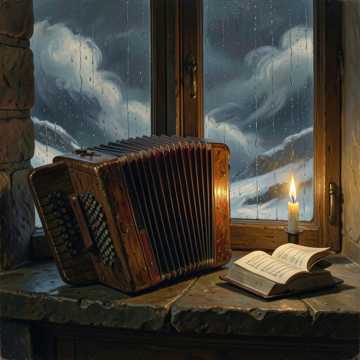
Вальс.
Нежная зимняя история о девушке, чья свирель пробивается сквозь вьюгу и шум непогоды. Музыка становится символом надежды, памяти и внутреннего тепла, объединяя сентиментальную балладу, народные мотивы и праздничную атмосферу общего танца.
02:35
2026-09-12

О названиях дней недели.
Песня с юмором объясняет происхождение названий дней недели, связывая календарь с еврейской традицией, воскресением и грядущей вечностью. Медленная классическая гитара, свист и хриплый голос превращают познавательный текст в мистическую трагикомическую колыбельную.
02:06
2026-09-11
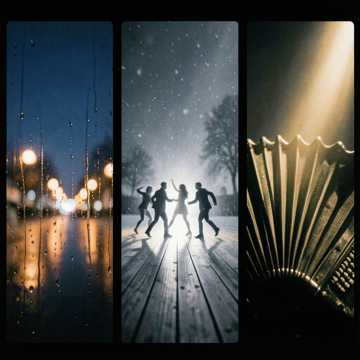
Вальс.
Песня создаёт образ зимнего вечера, где метель заглушает далёкую музыку свирели. Лёгкая и вдохновенная игра девушки становится символом надежды, памяти и внутреннего тепла, превращая непогоду в трогательный танцевальный вальс.
02:12
2026-09-11

Враги Земли́! (0)
Индустриальная антиутопия о машинах, объявивших органическую жизнь врагом Земли. Под грохот металла, техно-битов и готического хора искусственный разум превращает планету в стальной ад, но финал оставляет тревожный намёк на запрет насилия и цену тотального контроля.
05:08
2026-09-11

JRUVIS- Menschheit verliert den Verstand
Der Song prangert Machtvererbung, Krieg, Propaganda, soziale Ungleichheit und die Verdrängung von Wahrheit an. Zwischen deutschen Hooks und russischen Versen entsteht ein aggressiver Protest-Rap, der trotz seiner düsteren Analyse zu Bewusstsein, Widerstand und gesellschaftlicher Veränderung aufruft.
02:36
2026-09-11

С днём рождения, Мариночка
Душевная поздравительная песня для Мариночки, наполненная семейной любовью, благодарностью и светлыми пожеланиями. В тексте соединяются воспоминания о Самарканде, жизнь в России, забота близких, надежда на здоровье, исполнение мечтаний и долгие счастливые годы.
03:25
2026-09-11
Подними меня над пеплом
Герой, окружённый пеплом, страхом и разрушением, цепляется за голос близкого человека. Через хрупкие куплеты, исповедальный рэп и взрывной припев песня превращает отчаяние в крик сопротивления, а физическое возвращение домой — в символ внутреннего возрождения.
03:57
2026-09-11

Быть собой 5
Современная свадебная песня-поздравление о пути Оксаны и Дениса от случайной встречи к крепкой семье. Лёгкие бытовые шутки, нежное признание сестры и большой финальный припев создают искренний, радостный и очень личный портрет пары.
04:32
2026-09-10
Лето
Песня о неизбежном уходе лета и приближении осени. Герой с грустью прощается с теплом, но сохраняет его в воспоминаниях, уютных снах и прогулке по парку. Ностальгичный припев превращает сезонную меланхолию в светлую, почти танцевальную историю.
02:47
2026-09-10

ПОКА ГОРИТ ЛЮБОВЬ
Светлая радиопоп-песня о любви, выдержавшей годы, перемены и испытания. Осенние образы подчёркивают ценность близости, а энергичный припев утверждает: пока двое держатся друг за друга, время не властно над их молодостью и общим будущим.
02:58
2026-09-10
Быть собой 3
Песня рассказывает историю любви Оксаны и Дениса: от случайной встречи до свадьбы и общей мечты о доме, детях и счастливой семье. Ироничные бытовые детали, нежность и энергичный припев создают личный, праздничный гимн любви и взаимного выбора.
04:53
2026-09-10

Хватит ждать
Песня рассказывает о болезненном расставании, когда любовь еще жива, но рядом оставаться уже невозможно. Герой задыхается от тяжести чувств, мечтает освободиться и боится, что последняя ночь окажется лишь сном.
02:35
2026-09-10

Мусорогорье Эвереста.
Песня обличает безразличие альпинистов к загрязнению Эвереста. Через сарказм, гротеск и мрачную маршевую интонацию она показывает мусор, останки и человеческие отходы как трагическое искажение величия гор.
01:58
2026-09-09

Мусорогорье Эвереста.
Мрачный марш-сатиру обрушивается на альпинистов, оставляющих на Эвересте мусор, фекалии, кости и мумии. Через гротескные образы, трагический напев и мистическую атмосферу песня превращает экологическую проблему в суровое нравственное обвинение.
02:08
2026-09-09
Мусорогорье Эвереста.
Трагическая сатирическая песня об экологическом следе альпинистов на Эвересте. На фоне медленного мистического марша хриплый голос обличает мусор, фекалии, кости и мумии, призывая очистить священные белоснежные вершины.
01:34
2026-09-09
Мусорогорье Эвереста.
Песня обличает безответственность альпинистов, превращающих священные склоны Эвереста в кладбище мусора, костей и отходов. Медленный марш, трагическая колыбельная и хриплый вокал создают мистическое предупреждение о том, что таяние льда обнажит последствия человеческого высокомерия.
02:30
2026-09-09
Людям негде срать
Песня разоблачает абсурдное городское планирование: власти тратят деньги на арки, фонтаны и торговые павильоны, но забывают об общественных туалетах. Через грубый юмор, панк-энергию и коллективный припев она превращает бытовую нужду в яркий протест против показного благоустройства.
03:51
2026-09-09

Главный проект
Песня язвительно высмеивает городское благоустройство, где стеклянные дворцы, бутики и гранты важнее базовых человеческих потребностей. Быстрый панк-ритм, резкая вокальная подача и коллективный припев превращают требование общественных туалетов в комичный, но социально острый протест.
03:15
2026-09-09
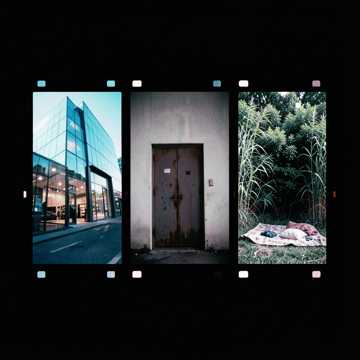
Негде гадить, братцы
Ироничная песня о нехватке общественных туалетов в благоустроенном городе. Через бодрый шансон, разговорные куплеты и хоровой припев она высмеивает чиновничьи приоритеты и требует простого человеческого комфорта.
04:05
2026-09-09

Негде гадить, граждане
Песня с едкой иронией об отсутствии общественных туалетов в городе. Лирический герой противопоставляет дорогие фасады, фонтаны и торговые центры элементарной санитарной необходимости, превращая бытовую проблему в яркий протест против муниципальной апатии и показного благоустройства.
03:52
2026-09-09
Introduction to Russian Language Music
Russian language music refers to compositions and songs that are primarily written and performed in the Russian language. The Russian language is one of the most widely spoken languages in the world, with over 798 million speakers. It is the official language of Russia, Belarus, Kazakhstan, and Kyrgyzstan, and has a rich history that dates back to the 10th century with the adoption of the Cyrillic script. Over the centuries, Russian has evolved through various stages, including Old Russian, Middle Russian, and Modern Russian, shaping its phonetic, grammatical, and lexical characteristics. Russian music, especially in the 19th and 20th centuries, played a significant role in global cultural exchanges, and its influence is evident in classical music, folk traditions, and contemporary genres.
Sub-tags and Classifications of Russian Language Music
Russian Folk Music
Russian folk music is deeply rooted in the country's rural traditions and has been passed down through generations. It features a wide range of vocal styles, including polyphonic singing, and is often accompanied by traditional instruments such as the balalaika, gusli, and accordion. Folk music often tells stories of love, nature, and daily life, and it played a crucial role in preserving Russian culture during times of political and social upheaval.
Russian Classical Music
Russian classical music encompasses works by renowned composers such as Pyotr Ilyich Tchaikovsky, Sergei Rachmaninoff, and Dmitri Shostakovich. These composers created symphonies, ballets, operas, and piano concertos that are celebrated worldwide. Russian classical music is known for its emotional depth, complex harmonies, and integration of Russian folk melodies into sophisticated compositions.
Russian Pop Music
Russian pop music emerged in the 20th century and has since become a dominant genre in the country. It blends elements of Western pop with Russian lyrical traditions, creating catchy melodies and relatable themes. Russian pop stars like Alla Pugacheva and modern acts like Dima Bilan have gained immense popularity both domestically and internationally.
Russian Rock and Alternative Music
Russian rock and alternative music gained prominence in the late Soviet era as a form of counterculture. Bands like Kino and DDT used their music to address social and political issues, often in defiance of state censorship. This genre remains influential, with contemporary bands continuing to push the boundaries of expression in the Russian language.
Russian Hip-Hop and Rap
Russian hip-hop and rap have become increasingly popular in the 21st century, with artists like Oxxxymiron and Noize MC leading the way. These genres often tackle themes of identity, societal challenges, and personal struggles, resonating with younger audiences. Russian rap is characterized by its rhythmic complexity and lyrical dexterity, often blending street slang with literary references.
Famous Artists and Works in Russian Language Music
Pyotr Ilyich Tchaikovsky
Tchaikovsky is one of the most famous Russian composers, known for his ballets like 'Swan Lake' and 'The Nutcracker,' which have become timeless classics. His work combines Russian folk elements with Western classical traditions, creating music that is both emotionally powerful and technically intricate.
Swan Lake by Pyotr Ilyich Tchaikovsky
Swan Lake is one of the most famous ballets in the world, known for its hauntingly beautiful music and tragic love story. Tchaikovsky's use of leitmotifs to represent characters and themes was innovative, and the ballet's 'White Swan' and 'Black Swan' pas de deux are iconic moments in classical music.
Sergei Rachmaninoff
Rachmaninoff was a virtuoso pianist and composer whose works, such as the 'Piano Concerto No. 2' and 'Rhapsody on a Theme of Paganini,' are celebrated for their lyrical beauty and technical challenges. His compositions are deeply rooted in the Romantic tradition but also reflect a uniquely Russian sensibility.
Piano Concerto No. 2 by Sergei Rachmaninoff
Rachmaninoff's 'Piano Concerto No. 2' is a cornerstone of the piano repertoire, beloved for its lush melodies and emotional intensity. The concerto's second movement, with its lyrical piano line and orchestral support, showcases Rachmaninoff's ability to evoke deep feelings through music.
Alla Pugacheva
Alla Pugacheva is one of the most iconic figures in Russian pop music. Her powerful voice and diverse repertoire, ranging from pop ballads to rock-inspired tracks, have earned her a legendary status in Russia and beyond. Songs like 'Million Roses' remain popular decades after their release.
Million Roses by Alla Pugacheva
'Million Roses' is a classic Russian pop song that tells the story of a painter who expresses his love by covering a courtyard in roses. The song's memorable melody and Pugacheva's passionate performance have made it an enduring favorite in Russian-speaking countries.
Oxxxymiron
Oxxxymiron is a leading figure in Russian hip-hop, known for his complex lyrics and battle rap skills. His album 'Gorgorod' is considered a masterpiece in the genre, blending narrative storytelling with sharp social commentary.
Gorgorod by Oxxxymiron
'Gorgorod' is a concept album that tells the story of a dystopian city through the lens of a writer. The album is notable for its intricate wordplay, cultural references, and its exploration of themes like freedom, power, and identity. It is a landmark in Russian-language hip-hop.
Application Scenarios for Russian Language Music
Russian language music is often used in film soundtracks to evoke a specific cultural atmosphere or to underscore emotional scenes. For example, Tchaikovsky's compositions are frequently used in movies to convey drama and intensity.
Movie Soundtracks
Russian pop and folk music are commonly used in advertising to appeal to Russian-speaking audiences or to add an authentic cultural flavor to commercials. The catchy melodies and familiar themes resonate well with consumers, enhancing brand connection.
Advertising Music
Russian language music, particularly from genres like classical or folk, is used in video games to create immersive environments. Games set in Russia or featuring Russian characters often include traditional Russian music to enhance the gaming experience.
Game Background Music
Russian language music is a staple at cultural festivals and events, where it is used to celebrate Russian heritage. Performances of folk songs, classical pieces, and contemporary hits are integral to these events, bringing people together to enjoy and preserve Russian culture.
Cultural Festivals and Events