Free Screamed Vocals Music Generator Powered by AI
Turn text into high-quality Screamed Vocals music effortlessly – no login required!

music.toolTips

I Want You Back
A devastated narrator mourns a deceased loved one, reliving their final moments and struggling with an empty home, sleepless grief, and relentless memories. Through escalating post-hardcore intensity, the song transforms unbearable loss into a desperate, cathartic cry: I want you back.
05:29
2026-08-30

I Want You Back
A devastated narrator mourns his mother after witnessing her death, struggling between unbearable emptiness and the promise to carry on. Intimate verses build into increasingly chaotic post-hardcore choruses, transforming grief, memory, anger, and desperate longing into an uncontrolled cry for her return.
05:30
2026-08-29

I Want You Back
A grieving narrator confronts the death of his mother, reliving memories while struggling with unbearable loneliness. Fragile verses grow into explosive post-hardcore choruses, transforming sorrow, anger, and devotion into an uncontrolled cry for the person he cannot bring back.
05:49
2026-08-29
I Want You Back
A devastating post-hardcore lament about losing a mother and struggling with the silence left behind. The song moves from intimate memories and unbearable loneliness to increasingly heavy choruses, transforming grief, guilt, and longing into a chaotic, cathartic demand for one impossible return.
06:36
2026-08-29

I Want You Back
A devastated narrator mourns the death of his mother, struggling with loneliness, guilt, and an unbearable need to hear her voice again. The song transforms private grief into an escalating post-hardcore outcry, ending in emotional collapse and a fading plea for her return.
05:38
2026-08-29
The Acrobat
The song portrays a performer who transforms fear, trauma, and repeated emotional collapse into spectacle. Through acrobatic imagery, shifting identities, and increasingly violent breakdowns, it exposes the cost of living for an audience until the boundary between performance and disappearance finally collapses.
04:43
2026-08-28
I Want You Back
A devastated narrator mourns his mother, confronting unbearable absence, traumatic memories, and emotional collapse. Through fragile verses and explosive post-hardcore choruses, he promises to continue living proudly while repeatedly crying out for her return, ending in a lonely whisper of unresolved grief.
05:50
2026-08-28
The Acrobat
A psychologically intense swancore performance about a person who turns fear, trauma, and self-erasure into spectacle. Behind the acrobat’s rehearsed confidence lies a fractured identity, while the snapping cable represents collapse, abandonment, and an ending disguised as personal choice.
04:50
2026-08-28
The Acrobat
The song depicts a performer hiding fear behind spectacle, balancing between applause and collapse. Its acrobat metaphor exposes trauma, self-erasure, and the pressure to make suffering look deliberate, culminating in a devastating realization that the audience witnessed the fall without reaching for the person beneath the performance.
05:00
2026-08-28
The Acrobat
The song portrays a performer trapped between applause and collapse, transforming fear, trauma, and self-erasure into spectacle. Its escalating guitars, frantic rhythms, harmonies, and screams expose the devastating moment when performance stops concealing pain and the audience finally recognizes the damage.
03:54
2026-08-28
The Acrobat
The Acrobat portrays a performer trapped between spectacle and self-destruction. Through frantic guitars, volatile vocals, and escalating breakdowns, the song explores masked pain, compulsive performance, emotional abandonment, and the desperate attempt to make collapse appear intentional.
05:00
2026-08-28
The Acrobat
The Acrobat portrays a performer trapped between applause and annihilation, disguising fear as control while different identities compete beneath the mask. Its escalating guitars, frantic grooves, harmonies, and screams transform psychological exhaustion into a volatile stage tragedy where collapse is mistaken for choice.
04:54
2026-08-28
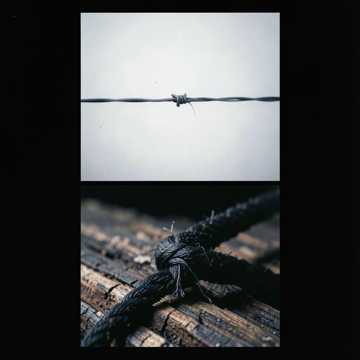
The Acrobat
The song portrays a performer hiding fear behind spectacle, gradually losing identity beneath manufactured confidence. Its frantic energy escalates from controlled instability to emotional rupture, revealing that the final fall is not tragedy or beauty, but the consequence of surviving too long for an audience.
05:30
2026-08-28
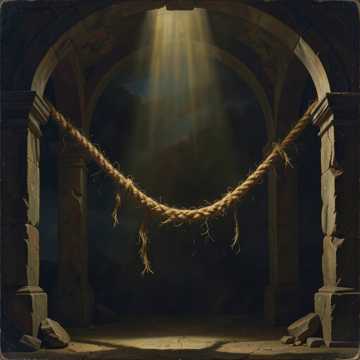
The Acrobat
The song portrays a performer disguising fear as mastery while surviving beneath relentless scrutiny. Its acrobatic imagery unfolds into a psychological collapse, exposing trauma, dissociation, and the crushing demand to turn suffering into spectacle before reclaiming the final fall as a personal choice.
05:32
2026-08-28
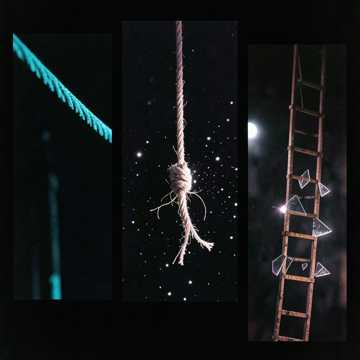
The Acrobat
A psychologically intense acrobat performs through fear, trauma, and relentless audience pressure, disguising collapse as control. Fast, dissonant swancore erupts into screams and heavy breakdowns before ending in stark silence, where the performer can no longer turn suffering into spectacle.
05:48
2026-08-28
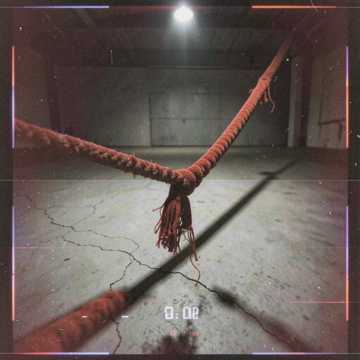
The Acrobat
The song portrays a performer masking fear through spectacle, balancing trauma, self-erasure, and relentless audience expectations. Its escalating swancore arrangement transforms controlled melodic tension into chaotic screams, revealing that the greatest tragedy is not falling, but being watched without anyone reaching out.
05:01
2026-08-28
The Fallen
The Fallen transforms abandonment, trauma, and oppression into a rallying cry for resilience. Through crushing breakdowns, soaring choruses, and escalating vocals, the song unites the wounded against silence, ending with a triumphant declaration that those cast aside will always rise.
06:50
2026-08-28
I Want You Back
A devastating post-hardcore elegy for a deceased mother, this song moves from intimate memories and unbearable absence to explosive grief. Its escalating guitars, strained cleans, visceral screams, and final whispered plea create a deeply personal portrait of mourning, love, and the struggle to continue.
06:03
2026-08-28
Iron Will
Iron Will is an explosive rap-rock and nu-metal anthem about overcoming suppression, betrayal, and adversity. Driven by distorted guitars, trap rhythms, industrial electronics, and furious vocals, it transforms anger into momentum, presenting resilience as an unstoppable force that breaks barriers and refuses defeat.
04:04
2026-08-27
Bury the Doubt
Bury the Doubt channels anger, defiance, and self-reinvention into a relentless nu-metal rap rock assault. Aggressive verses, screamed hooks, distorted guitars, trap percussion, and heavy808s portray a survivor rising above criticism, destroying limitations, and rebuilding stronger than before.
04:57
2026-08-27
Introduction to Screamed Vocals
Screamed Vocals, often referred to as 'screaming' or 'shouting,' is a vocal technique used predominantly in various forms of extreme music genres. This technique involves producing a loud, abrasive, and guttural sound by forcing air through the vocal cords with intense pressure, often resulting in a harsh, distorted vocal tone. The origins of screamed vocals can be traced back to the early days of punk rock and heavy metal in the late 1970s and early 1980s. Bands like The Stooges and Motörhead began incorporating more aggressive vocal styles, which paved the way for the more extreme vocal techniques used in thrash metal, death metal, black metal, and hardcore punk. Over the years, screamed vocals have evolved and diversified, becoming a staple in various subgenres of metal and hardcore music.
Sub-tags and Classifications of Screamed Vocals
Death Growls
Death Growls are a type of screamed vocal commonly associated with death metal. This technique involves producing a very deep, guttural, and often unintelligible sound. Death growls are achieved by utilizing the false vocal cords, creating a low-frequency sound that resonates from the chest. Bands like Cannibal Corpse and Morbid Angel are well-known for their use of death growls.
Black Metal Screams
Black Metal Screams are characterized by their high-pitched, piercing, and shrill sound. This vocal style is commonly associated with black metal bands and aims to convey a sense of raw emotion and anguish. Black metal screams often involve less use of the chest voice and more strain on the vocal cords. Pioneering bands such as Darkthrone and Mayhem have popularized this vocal technique.
Pig Squeals
Pig Squeals are an extreme form of screamed vocals often used in deathcore and grindcore music. This technique produces a high-pitched, squealing sound that mimics the noise made by pigs. Pig squeals are achieved by manipulating the shape of the mouth and throat while exhaling forcefully. Bands like Job for a Cowboy and Annotations of an Autopsy have made pig squeals a signature element of their vocal style.
Fry Screams
Fry Screams involve using the fry register of the voice to create a rough, textured vocal sound. This technique is less abrasive than death growls or black metal screams and is often used in metalcore and post-hardcore music. Fry screams are produced by allowing the vocal cords to vibrate loosely, creating a raspy tone. Bands like Bring Me the Horizon and Underoath frequently use fry screams in their music.
Famous Artists and Works Featuring Screamed Vocals
Phil Anselmo
Phil Anselmo is the lead vocalist of Pantera, a band known for their influential contributions to groove metal. Anselmo's powerful screamed vocals, particularly on albums like 'Vulgar Display of Power,' have left a lasting impact on the metal genre.
Reign in Blood by Slayer
This iconic thrash metal album features aggressive screamed vocals by Tom Araya. The album's relentless pace and brutal vocal delivery helped cement Slayer's status as one of the 'Big Four' thrash metal bands. Tracks like 'Angel of Death' showcase Araya's intense vocal style.
Chuck Schuldiner
Chuck Schuldiner was the lead vocalist and guitarist of Death, a pioneering band in the death metal genre. His innovative use of death growls on albums such as 'Human' and 'Symbolic' helped define the vocal style of death metal.
The Sound of Perseverance by Death
This album is a landmark in the death metal genre, featuring Chuck Schuldiner's pioneering use of death growls. The intricate guitar work and complex song structures combined with Schuldiner's brutal vocal delivery make this album a classic in extreme metal.
Attila Csihar
Attila Csihar is the vocalist for the black metal band Mayhem. His distinctive black metal screams, particularly on the album 'De Mysteriis Dom Sathanas,' have set a standard for the genre and influenced many subsequent black metal vocalists.
Jane Doe by Converge
This influential metalcore album features the screamed vocals of Jacob Bannon. Known for its raw intensity and emotional depth, 'Jane Doe' has become a seminal work in the metalcore genre, with Bannon's tortured screams leaving a lasting impression on listeners.
Randy Blythe
Randy Blythe is the lead vocalist of Lamb of God, a band known for their aggressive and powerful screamed vocals. Blythe's vocal style, showcased on albums like 'As the Palaces Burn' and 'Sacrament,' blends elements of death growls and fry screams.
Sunstained by Darkthrone
This black metal classic showcases Fenriz's high-pitched, shrill screams, which have become a defining characteristic of the genre. The album's raw production and relentless aggression make it a cornerstone of black metal.
Application Scenarios for Screamed Vocals
Screamed vocals are often used in horror and action movie soundtracks to enhance the intensity and evoke a sense of fear and urgency. The abrasive vocal style can add a visceral layer to scenes, amplifying the emotional impact on the audience.
Movie Soundtracks
In video games, screamed vocals are commonly used in genres like survival horror, first-person shooters, and dark fantasy RPGs. They help create an immersive and adrenaline-pumping atmosphere, heightening the player's sense of immersion and excitement.
Video Game Background Music
Screamed vocals can be used in advertising to grab attention and convey a message of rebellion or extreme action. Brands targeting a younger, edgier demographic might use screamed vocals in commercials to stand out and resonate with their audience.
Advertising Music
Screamed vocals are popular in high-intensity workout playlists, as their aggressive and powerful sound can motivate and energize individuals during exercise. The raw energy of screamed vocals helps maintain a high level of intensity and focus.
Fitness and Workout Music