Free Sindhi folk Music Generator Powered by AI
Turn text into high-quality Sindhi folk music effortlessly – no login required!

music.toolTips
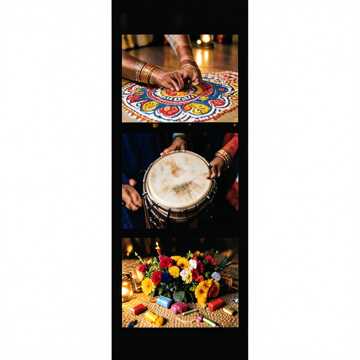
سنڌي شادي
هي گيت سنڌي شاديءَ جي رنگن، دُهل جي ڌُن، اجرڪ، ٽوپين، خاندان جي گڏجاڻي ۽ گهوٽ ڪنوار لاءِ دعائن کي پاپ راڪ جي توانائي سان ملائي، محبت ۽ ثقافتي فخر سان ڀرپور جشن بڻائي ٿو.
03:29
4 days ago

سيفل علي جي شادي آ
هي گيت سيفل علي جي شاديءَ جي خوشيءَ ۾ ڳايو وڃي ٿو، جتي دهل، شهنائي، تاڙيون ۽ ڌمال گڏجي هڪ زنده دل محفل ٺاهين ٿا. گيت خاندان جي عزت، محبت، مرڪ ۽ نئين گهر جي آباد رهڻ لاءِ دعائن کي اجاگر ڪري ٿو.
01:27
5 days ago
هاءِ دودا
هي گيت سنڌڙيءَ جي عزت لاءِ دودو سومرو جي ڏنل قربانيءَ کي عقيدت، ڏک ۽ فخر سان ياد ڪري ٿو. آهستي6/8 تال، گرم هارمونيم ۽ لوڪ سازن جي سنگت ۾ سورهيائي، وطن سان محبت ۽ نسلن لاءِ رهبر بڻجندڙ تاريخي ياد جو اظهار ملي ٿو.
02:38
Invalid date
Jeay Sindh
هي گيت سنڌ جي ڌرتي، ٻولي، ثقافت ۽ ماڻهن سان محبت جو پرجوش اظهار آهي. سڏ ۽ جواب واري انداز، دُهل جي مارچنگ ڌُن، تاڙين ۽ مرداڻي اجتماعي آواز سان گيت جشن، يڪجهتي، امن ۽ فخر جي ماحول کي اجاگر ڪري ٿو.
00:54
5 days ago

Deewana Munhja Maanhoon
He geet hik aise deewane insan ji kahani aahe, jeko nind maan uthandi hi panhinji mehboob khe yaad kare tho. Raston, otaaq ain shaam ji tasveeran mein judai, thakan, umeed ain mohabbat jo gehro ehsaas nazar aendo aahe.
02:12
5 days ago
آصف جا سهرا
هي گيت محمد آصف گوندل جي شاديءَ جي خوشيءَ ۾ ڳايو ويو آهي. سنڌي روايتن، سهرا، خاندان جي دعائن، مهمانن جي رونق ۽ نئين جوڙي لاءِ محبت، رحمت ۽ آباد زندگيءَ جون نيڪ تمنائون ان جو مرڪزي موضوع آهن.
03:14
5 days ago

منهنجا سُپرين توکان
هي گيت محبوب کان وڇوڙي جي گهري تڪليف، بيقراري ۽ واپسيءَ جي اميد کي بيان ڪري ٿو. راتين جي جاڳ، اکين جا ڳوڙها ۽ هر گهڙي واٽ نهارڻ، سنڌي لوڪ موسيقي جي نرم ۽ اداس ڌن ۾ جذبن کي وڌيڪ اثرائتو بڻائين ٿا.
02:59
Invalid date

منهنجا سُپرِين توکان
هي سنڌي لوڪ نوحو محبوب کان وڇوڙي جي گهري تڪليف بيان ڪري ٿو. عورتاڻو آواز روئڻ، ساهن ۽ ياد جي ذريعي دل جي بيقراري ظاهر ڪري ٿو، جڏهن ته هارمونيم، ڍولڪ ۽ اداس ساز گيت کي نرم، روايتي ۽ اثرائتو رنگ ڏين ٿا.
01:54
Invalid date
عشق اڙانگو آ
هي گيت محبوب جي مرڪ، اکين ۽ موجودگيءَ سان جڙيل گهري محبت کي بيان ڪري ٿو. نرم6/8 تال، دُهلڪ ۽ طبلي جي رواني، گرم هارمونيم ۽ يادگار ڪورس گڏجي عاشق دل جي تڙپ، اميد ۽ خوشيءَ کي اجاگر ڪن ٿا.
02:55
5 days ago

عشق اڙانگو آ
هي گيت محبوب جي مرڪ، اکين جي جادو ۽ عشق جي بيقراريءَ جو احساس پيش ڪري ٿو. نرم6/8 تال، گرم harmonium، rabab، dholak ۽ جذباتي سنڌي آواز گڏجي هڪ صوفي رنگ سان ڀرپور، يادگار ۽ دل کي ڇهندڙ رومانوي ماحول ٺاهين ٿا.
02:07
5 days ago

Majbooriyoon
Majbooriyoon pyaar ain zindagi ji unhan majbooriyan jo jazbati geet aa, jithe judai, qurbat, wafaa ain haar ji kaifiyat milan thi. Lilting6/8 lay, dholak, harmonium ain sajili female awaaz geet khe lok rang, nach ain dil ji gehraai dyan tha.
01:21
5 days ago

واري وارندو وا
هي گيت مينهن جي آمد، مٽيءَ جي خوشبو ۽ سڄڻ جي واپسيءَ جي آس کي محبت ڀريي سنڌي لوڪ لهجي ۾ پيش ڪري ٿو.6/8 جي لهر، نرم آواز، ڌولڪ، سرندي ۽ هارمونيم گڏجي وڇوڙي مان اميد ۽ ٻيهر ملڻ جي خوشيءَ جو احساس پيدا ڪن ٿا.
02:22
Invalid date
Marvi
هي گيت ماروي جي ملير، پنهنجي ماڻهن ۽ ڌرتيءَ سان اٽل محبت کي پيش ڪري ٿو. محلن، سون ۽ ريشم کان وڌيڪ کيس پنهنجي مٽيءَ جي ڦاٽل چادر پياري آهي. آهستي، اداس ۽ صحرائي موسيقي وڇوڙي، وفاداري ۽ وطن سان وابستگيءَ جو احساس گهرو ڪري ٿي.
02:47
Invalid date
Marvi
هي گيت مارويءَ جي محل ۾ قيد هوندي به پنهنجي ٿر، مٽي ۽ غريب پنهنجن سان وفاداريءَ جو اظهار آهي. دولت، ريشم ۽ آسائشون هن لاءِ بي معنيٰ آهن؛ مينهن وسڻ سان وطن جي سڏ تي سندس دل واپس ڊوڙڻ چاهي ٿي.
02:34
Invalid date
شڪيل احمد گهوٽ
هي جشن ڀريو سنڌي شاديءَ جو گيت شڪيل احمد جي شاديءَ تي ابڙو خاندان جي خوشين، امڙ جي دعائن، وڏڙن جي نيڪ تمنائن ۽ نئين گهر جي روشن مستقبل کي دهل، هارمونيم، تاڙين ۽ اجتماعي آواز سان ساراهي ٿو.
02:06
Invalid date

سندھی زمرہ
هي گيت سنڌ جي ڌرتي، ملير جي مٽي ۽ عمر مارئي جي وطن سان اٽل محبت کي عقيدت سان ڳائي ٿو. نرم بوريندو، ڌوَلڪ جي تال ۽ آهستي وسيع ٿيندڙ ڪورس سان گيت وفاداري، سڃاڻپ ۽ ثقافتي فخر جو احساس پيدا ڪري ٿو.
00:58
Invalid date

اکين ۾ اوسيڙو
هي گيت وڇوڙي ۾ جيئندڙ عاشق جي خاموش بيقراري بيان ڪري ٿو. محبوب جي واپسي جا واعدا موسمون بدلجڻ باوجود پورا ناهن ٿيا، تنهنڪري اکين ۾ انتظار ۽ دل ۾ اڪيلائي رهجي وئي آهي.
03:09
Invalid date
خوفِ خدا جو ڌار عمر
هي گيت هڪ عورت جي اندروني دانهن آهي، جيڪا ملير، پنهنجي ماءُ ۽ ماروئڙن کان وڇوڙي جي درد ۾ تڙپي ٿي. خوفِ خدا کي اپيل ڪندي، هوءَ عمر کان آزادي ۽ پنهنجي ڌرتيءَ ڏانهن موٽڻ جي اجازت گهري ٿي.
02:12
6 days ago

Malir Ki Mitti
یہ گیت مالیر کی مٹی، وطن کی خوشبو اور بچھڑے گھر کی یاد میں مبتلا ایک عورت کی فریاد ہے۔ نرم لوک دھن، روحانی التجا اور پُراثر نسوانی آواز ہجرت کے درد، آزادی کی امید اور گھر لوٹنے کی آرزو کو گہری جذباتی شدت عطا کرتی ہے۔
04:09
6 days ago

پندرهن سالن جو گل
هي نرم ۽ سوڳوار سنڌي لوڪ بالاد وسيم نالي پندرهن ورهين جي يتيم ٻار جي معصوم زندگي، اڻپوري خوابن ۽ بي ڏوهي درد کي شفقت سان پيش ڪري ٿي.
01:00
Invalid date
Introduction to Sindhi Folk Music
Sindhi folk music is a traditional genre of music originating from the Sindh region, located in present-day Pakistan. This genre is deeply rooted in the cultural and historical landscape of the Sindhi people, reflecting their social customs, rituals, and stories. The origins of Sindhi folk music can be traced back centuries, with influences from Sufi poetry, regional folklore, and the diverse cultural exchanges that took place along the Indus Valley. Traditionally, Sindhi folk music was performed during local festivals, religious ceremonies, and social gatherings, serving as both entertainment and a means of preserving the oral history and spiritual beliefs of the community.
Sub-tags and Classifications of Sindhi Folk Music
Sufi Music
Sufi music within Sindhi folk is characterized by its spiritual and devotional content, often derived from the poetry of Sufi saints like Shah Abdul Latif Bhittai. This sub-genre is performed with traditional instruments like the ektara and tambura, creating a meditative and trance-like experience. The lyrics focus on themes of divine love, spirituality, and the mystic journey towards union with the divine.
Kafi
Kafi is a classical form of Sindhi folk music, typically featuring a solo singer accompanied by minimal instrumentation. The poetry in Kafi revolves around themes of love, mysticism, and the human condition. It is often sung in a melodious and soulful style, making it a staple in the Sindhi cultural repertoire.
Lada
Lada is a lively and rhythmic sub-genre of Sindhi folk music, traditionally performed during weddings and festive occasions. It is characterized by fast-paced drumming, lively melodies, and joyful lyrics that celebrate love, marriage, and communal harmony.
Saeen
Saeen music is a traditional form often associated with Sindhi rural life. It is performed by wandering minstrels or 'faqirs' who use simple instruments like the dholak and harmonium to convey folk tales, moral lessons, and religious teachings. Saeen music is an integral part of the Sindhi oral tradition.
Famous Artists and Classic Works in Sindhi Folk Music
Allan Faqir
Allan Faqir was a legendary Sindhi folk singer known for his unique style of Sufi music. His most famous work, 'Itne Kareeb Aa Ke Bhi,' became an iconic representation of Sindhi folk music, blending traditional melodies with spiritual lyrics. His contribution to promoting Sindhi culture and music on a national level in Pakistan remains unparalleled.
Wah Jo Kalaam
Wah Jo Kalaam is a famous Sindhi folk song often attributed to the works of Shah Abdul Latif Bhittai. The song is celebrated for its deep spiritual meaning and poetic beauty. It encapsulates the essence of Sindhi Sufi music, with its use of traditional instruments and haunting melodies that evoke a sense of longing and divine love.
Abida Parveen
Abida Parveen is one of the most celebrated Sufi singers in the world, with a significant part of her repertoire rooted in Sindhi folk music. Her renditions of Shah Abdul Latif Bhittai's poetry, particularly in the form of Kafi, have captivated audiences globally, earning her recognition as a cultural ambassador of Sindhi music.
Ho Jamalo
Ho Jamalo is a lively and celebratory folk song that has become synonymous with Sindhi culture. It is often performed at weddings and cultural events, symbolizing joy, unity, and communal pride. The song’s catchy rhythm and uplifting lyrics make it a timeless piece in Sindhi folk music.
Ustad Muhammad Juman
Ustad Muhammad Juman was a renowned classical and folk singer who made significant contributions to Sindhi music, particularly through his mastery of the Kafi genre. His interpretations of traditional Sindhi poetry and his innovative use of classical ragas in folk compositions have left a lasting legacy.
Application Scenarios for Sindhi Folk Music
Sindhi folk music is often used in cultural documentaries to provide an authentic auditory experience that complements the visual storytelling of Sindhi heritage, traditions, and rural life. The music’s deep connection to the land and its people makes it an ideal choice for background scores in such films.
Cultural Documentaries
The evocative nature of Sindhi folk music lends itself well to use in film and television soundtracks, especially in scenes that require a deep emotional connection or a portrayal of regional culture. The music's versatility allows it to be used in both period dramas and contemporary narratives.
Film and Television Soundtracks
Given its roots in Sufi traditions, Sindhi folk music is also used in spiritual gatherings and meditation sessions. Its calming melodies and profound lyrics help create a serene atmosphere, making it suitable for yoga, mindfulness practices, and religious ceremonies.
Spiritual and Meditation Music