Free Throat-singing Music Generator Powered by AI
Turn text into high-quality Throat-singing music effortlessly – no login required!

music.toolTips
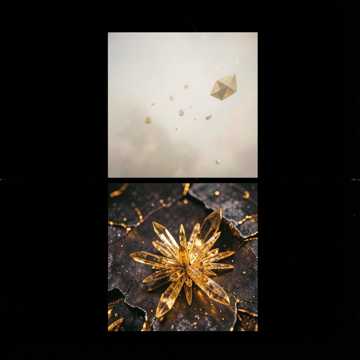
6 Златен Химн-щурмови космически марш на 2 златен космически арсенал легион
Песента разказва за яростна космическа битка, в която Верурр и неговият легион отблъскват рептилни врагове с магически оръжия. Всеки повален противник се превръща в златна структура, а финалната победа утвърждава силата, реда и неудържимия боен дух.
05:22
2026-08-31
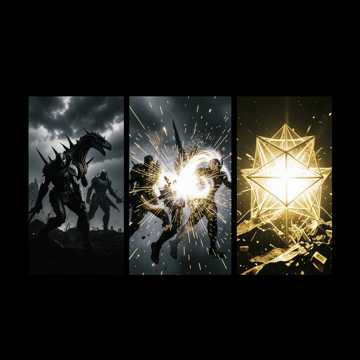
5 Златен Химн-щурмови космически марш на 2 златен космически арсенал легион
В стремителна космическа битка Верурр повежда магически легиони срещу многобройни рептилски врагове. Под звуците на въображаем боен химн щурмовиците унищожават противниците и преобразяват останките им в златни конструкции, докато хаосът на мостика завършва с окончателна победа.
05:17
2026-08-31
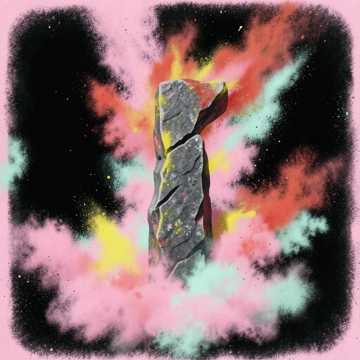
Longship Thunder
An instrumental storm where Viking folk textures collide with190 BPM Frenchcore. Galloping drums, pipe drones, lute fragments, throat-singing tones, and colossal drops create a brutal, ritualistic soundtrack for raids, racing, gaming, and high-intensity training.
03:39
2026-08-29
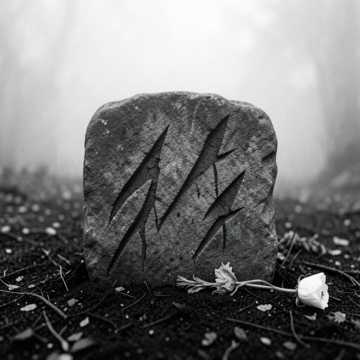
Запиши ги моите таги в'светлина
Песната е потресна молитва на заборавен човек кој бара неговата болка, сенки и животна приказна да бидат запишани во камен. Низ планински слики, цвеќиња и тивка смрт, таа ја претвора личната тага во вечен спомен.
03:56
2026-08-25
throat singing
A six-minute atmospheric soundscape built around deep male voices, resonant throat singing, goral-inspired choral textures, and expressive bongos. Smooth transitions create an ethereal cinematic journey suited to meditation, wilderness imagery, ritual scenes, and expansive visual storytelling.
08:00
2026-08-23

15 Златен космически химн-марш на 7 златен космически легион
Космически боен химн за легиони, които с барабанен устрем, квантови оръжия и магически творчески мечове унищожават унинието, хаоса и застоя. Песента съчетава апокалиптична фантастика, приключенски размах и идеята, че творчеството изгражда нови вселени.
05:17
2026-08-23
14 Златен космически химн-марш на 7 златен космически легион
Футуристичен боен химн за творческа армия, която превръща хаоса, унинието и застоя в красота, движение и нови хоризонти. Маршовият устрем, космическите оръжия и вълшебният меч символизират неизчерпаемата сила на въображението.
04:08
2026-08-23

11 Златен космически химн-марш на 7 златен космически легион
Епичен научнофантастичен химн-марш за 7-и златен космически легион. Воините трансформират хаоса и застоя в градивна творческа мощ, изящна красота и нови хоризонти. Музиката съчетава мощни ритми с гърлено пеене и космическа енергия за пълна победа.
05:25
2026-08-23
6 Златен космически химн-марш на 7 златен космически легион
Епичен космически химн, преплитащ войнствен устрем и градивно творчество. Песента възпява Седмия златен легион, който използва квантов гръм и вълшебния меч ''Вверруурр'', за да разгроми унинието и хаоса, превръщайки вселените в изящни шедьоври.
04:24
2026-08-23
4 Златен космически химн-марш на 7 златен космически легион
Тази композиция е мощен футуристичен химн, описващ космическа битка на Седми златен легион. Съчетавайки епична фантастика, военна тактика и синхронизиран щурмови марш, песента пресъздава напрежението, триумфа и несломимия дух на легионерите пред лицето на неизвестния враг.
02:03
2026-08-23
1 Златен космически химн-марш на 7 златен космически легион
Епичен космически химн-марш, разказващ за щурма на Седми златен легион. Песента съчетава агресивни техно ритми, гърлено пеене и мощни симфонични елементи, пресъздавайки фантастична космическа битка, тактическа синхронизация и неудържима войнска ярост в търсене на победа.
01:44
2026-08-23

Madarak szárnyán
A dal egy szabad vándor útját követi, aki a szél, a puszta és az ősi föld hangján keresztül talál rá közösségére és reményére. A viharokkal dacoló, felemelő himnusz a szabadság, az összetartozás és a rendíthetetlen emberi lélek erejét ünnepli.
04:21
2026-08-22

Rayo's Peacekeeper
Rayo's Peacekeeper follows a fierce emotional journey from regret and inner conflict toward forgiveness, trust, and healing. Its raspy male vocals, rapid hip-hop delivery, cinematic rock guitars, and explosive K-pop breakdowns transform personal struggle into an uplifting anthem of resilience and reconciliation.
04:44
2026-08-22
каде Љубов води патот,
Песната ја прераскажува алегоријата за трите гости: Богатство, Успех и Љубов. Семејството ја избира Љубовта, а со неа пристигнуваат и останатите благослови. Традиционалната приказна се претвора во интимна, современа порака дека љубовта е темелот на секој вистински дом.
04:56
2026-08-22
Raise the crown
An apocalyptic sovereign rises from the ashes of fallen heavens, rejecting salvation and embracing eternal darkness. Driven by relentless drums, tremolo guitars, orchestral menace, and triumphant female vocals, the song transforms cosmic destruction into a defiant coronation beyond mortality.
04:35
2026-08-22
Предавство беше слатко.
Песната ја претвора романтичната измама во внатрешна војна. Урнатото кралство симболизира љубовен дом уништен од предавство, додека мрачниот R&B ритам, традиционалните балкански инструменти и длабокиот вокал создаваат кинематографска атмосфера на копнеж, гнев и тивка побуна.
03:54
2026-08-21

Cloud Nine
Cloud Nine celebrates the exhilarating comfort of a devoted relationship. Its bright, danceable energy captures newfound happiness, emotional safety, friendship, and lasting commitment, while layered female vocals and futuristic effects amplify the feeling of rising above ordinary life into a joyful romantic dream.
03:54
2026-08-20
5 Златен марш на 12 златен космически щурмови легион
Футуристичен боен марш, в който космически герой обединява идеи, магия и мотивация, за да се противопостави на потиснически сили. Енергичната смесица от техно, хардстайл, драм енд бейс и хорови вокали превръща борбата със застоя в епично приключение.
04:21
2026-08-19

4 Златен марш на 12 златен космически щурмови легион
Футуристичен боен марш за космически легион, който се противопоставя на паразитни сили, налагащи застой и подчинение. Чрез агресивна мотивация, магия и стратегическо мислене героите превръщат атаката в път към освобождение, самоусъвършенстване и окончателна победа.
05:10
2026-08-19
2 Златен марш на 12 златен космически щурмови легион
Космически боен марш за устрем, активност и разрушаване на потискащи шаблони. Лирическият герой обединява магия, мотивация и стратегическо мислене, за да поведе съмишлениците си срещу паразитни сили и да изгради нова, победоносна формация.
04:39
2026-08-19
Throat-singing: Definition and History
Throat-singing, also known as overtone singing or harmonic singing, is a unique vocal technique in which the singer manipulates the resonances created as air travels from the lungs, past the vocal cords, and out of the lips to produce a melody. This ancient form of singing originated in the central Asian regions of Tuva, Mongolia, and Siberia, where it has been practiced for centuries as part of cultural and spiritual traditions. The origins of throat-singing are deeply rooted in the nomadic lifestyle and shamanistic rituals of these regions, where the sounds are believed to imitate natural elements like wind, water, and animal calls. Over time, throat-singing has evolved and spread to different parts of the world, influencing various music genres and practices.
Sub-tags and Classifications of Throat-singing
Khoomei
Khoomei is the most common style of throat-singing, characterized by a soft, velvety tone that produces both a low fundamental note and a higher overtone. It is often considered the base style from which other variations are developed. Khoomei is typically performed solo and can mimic the sounds of nature, which is central to its traditional use in Mongolian and Tuvan music.
Sygyt
Sygyt is a higher-pitched form of throat-singing that resembles whistling. This style allows the singer to produce a clear, flute-like overtone that rides over a droning fundamental note. Sygyt is often used to imitate the sound of birds or the wind and is known for its bright and piercing quality.
Kargyraa
Kargyraa is a deep, growling style of throat-singing that produces very low tones, similar to the sound of a didgeridoo. This style is known for its powerful, rumbling sound and is often used to evoke the deep, resonant sounds of the earth or animals like camels. Kargyraa is one of the most physically demanding forms of throat-singing, requiring strong breath control and precise vocal cord manipulation.
Borbangnadyr
Borbangnadyr is a more complex form of throat-singing that involves rapid changes in pitch and the use of vibrato. It often mimics the sound of flowing water or bubbling streams, creating a lively and dynamic sonic experience. Borbangnadyr is less commonly practiced but is admired for its technical difficulty and expressive potential.
Ezengileer
Ezengileer is a rhythmic style of throat-singing that mimics the sound of a horse's gallop. The name 'Ezengileer' itself is derived from the Mongolian word for stirrup. This style incorporates rhythmic pulsations in the fundamental note, creating a steady, driving beat that is often used in conjunction with other throat-singing techniques.
Famous Artists and Classic Works in Throat-singing
Huun-Huur-Tu
Huun-Huur-Tu is a world-renowned Tuvan throat-singing group known for bringing the art of throat-singing to global audiences. They have played a crucial role in popularizing this traditional form of music outside of Central Asia, blending traditional songs with modern instruments. Their album '60 Horses in My Herd' is one of their most celebrated works, showcasing a variety of throat-singing styles.
60 Horses in My Herd - Huun-Huur-Tu
This iconic album by Huun-Huur-Tu is a quintessential representation of traditional Tuvan throat-singing. The album features a blend of Khoomei, Sygyt, and Kargyraa styles, accompanied by traditional instruments like the igil and doshpuluur. The tracks on this album are deeply rooted in Tuvan folklore, capturing the essence of the region's natural landscapes and nomadic culture.
Kaigal-ool Khovalyg
Kaigal-ool Khovalyg is a master throat-singer from Tuva, recognized for his exceptional skills in the Sygyt and Kargyraa styles. As a founding member of Huun-Huur-Tu, Khovalyg has contributed significantly to the global recognition of Tuvan throat-singing. His solo work, 'Tuva: Voices from the Center of Asia,' is a testament to his mastery and the depth of traditional Tuvan music.
Who Stole the Sky? - Sainkho Namtchylak
In 'Who Stole the Sky?', Sainkho Namtchylak breaks away from traditional norms, integrating throat-singing with experimental jazz and electronic music. This album is a groundbreaking work that highlights the versatility of throat-singing as it intersects with modern musical genres. The innovative use of sound layering and vocal techniques makes it a pioneering effort in the fusion of traditional and contemporary music.
Sainkho Namtchylak
Sainkho Namtchylak is an avant-garde artist known for her innovative fusion of throat-singing with jazz, electronica, and contemporary music. Her work pushes the boundaries of traditional throat-singing, making it accessible to a broader audience while preserving its cultural essence. Albums like 'Who Stole the Sky?' showcase her unique approach to blending modern and traditional sounds.
Tuva: Voices from the Center of Asia - Kaigal-ool Khovalyg
This album is a remarkable collection of traditional Tuvan throat-singing pieces performed by Kaigal-ool Khovalyg. It is celebrated for its purity and adherence to the classical forms of Khoomei, Sygyt, and Kargyraa. The album serves as an excellent introduction to the unadulterated sounds of Tuvan throat-singing, providing listeners with an authentic experience of this ancient art form.
Application Scenarios of Throat-singing
Throat-singing has been used effectively in movie soundtracks to evoke a sense of mystery, spirituality, or connection to nature. Its deep, resonant tones can enhance scenes set in vast landscapes, indigenous cultures, or mystical environments. Films like 'The Cave of the Yellow Dog' and 'Genghis Khan' have incorporated throat-singing to add an authentic cultural layer to their narratives.
Movie Soundtracks
In advertising, throat-singing is often used to create a distinctive and memorable sound that stands out. Its unique tonal qualities can evoke primal, earthy emotions that align well with brands promoting outdoor products, rugged experiences, or cultural heritage. The use of throat-singing in commercials adds an exotic and authentic touch that resonates with audiences seeking authenticity.
Advertising Music
Throat-singing has found a niche in video game music, particularly in games that explore themes of nature, ancient civilizations, or epic journeys. Its otherworldly sound can deepen the immersive experience, transporting players to a time or place far removed from modernity. Games like 'The Elder Scrolls V: Skyrim' and 'Ghost of Tsushima' have utilized throat-singing to create atmospheric, culturally rich soundscapes.
Video Game Background Music