Free Zaghareet Music Generator Powered by AI
Turn text into high-quality Zaghareet music effortlessly – no login required!

music.toolTips
فكره
أغنية غزلية خليجية مرحة وسريعة، تحكي عن حب بدأ من نظرة عابرة فتحولت إلى شغف عميق. يتغزل الراوي بجمال محبوبه وأدبه، ويحاول الوصول إليه بخطط جريئة، بينما يخشى أن ينتهي حبه بالحسرة إن لم يجد صدى في قلبه.
02:52
4 days ago
فكره
تروي الأغنية قصة حب بدأ من نظرة، فتحولت إلى شغف عميق ومحاولات لاكتشاف المحبوب والتقرب منه. تمتزج الغزل والبراءة والوفاء بالخوف من الخذلان، ضمن أجواء خليجية احتفالية مليئة بالطاقة والإيقاع.
03:03
4 days ago

فكره
أغنية غزلية خليجية سريعة تحتفي بالحب من النظرة الأولى، وتصور شغف العاشق ومحاولاته للتقرب من محبوبه بلغة عاطفية مرحة. تمتزج فيها الرومانسية بالحيوية الإيقاعية، مع أجواء احتفالية مناسبة للأعراس والرقص والمناسبات السعيدة.
02:57
4 days ago
البيت
أغنية حب ووفاء تصف البيت بوصفه ملاذاً يجمع الحبيبين، حيث يبدد الحبيب الهموم ويمنح القلب الراحة والابتسامة. تمتزج العاطفة بالفرح الشعبي، في لحن خليجي سريع مناسب للاحتفالات والأعراس والرقص الجماعي.
02:18
5 days ago

البيت
تصوّر الأغنية البيت بوصفه ملاذ الحب والراحة، حيث يجد العاشق في حبيبه السند والطمأنينة والابتسامة. تتغنى بالوفاء، المشاركة، جمال الروح، والارتباط الأبدي، ضمن أجواء خليجية احتفالية تصلح للأعراس والرقص الجماعي.
02:20
5 days ago

البيت
أغنية حب واحتفاء بالبيت الذي يجمع الحبيب وراحة القلب. يصف الشاعر تعلقه بشريكه، وفرحته بوجوده، ووفاءه له رغم الهموم، ضمن أجواء خليجية راقصة مليئة بالإيقاع والحيوية.
02:16
5 days ago
منتظر
أغنية شوق وانتظار يصوّر فيها العاشق احتراق قلبه وتعلّقه بمن يحب، مؤكداً أنها دواؤه وأهله وكل ما يملأ عينيه وعقله. تتصاعد المناشدة بالعطف والوصل ضمن أجواء شعبية احتفالية وحماسية.
02:17
6 days ago
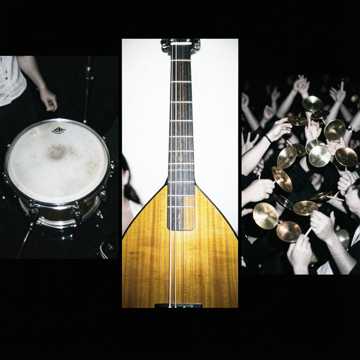
منتظر
أغنية شوق وانتظار يخاطب فيها العاشق محبوبته بوصفها أهله ودواءه، مؤكداً أن لا أحد يملأ عينه أو يلامس قلبه مثلها. تمتزج العاطفة الملتهبة بإيقاع خليجي احتفالي يمنح النص قوة وفرحاً راقصاً.
02:37
6 days ago
Zaghareet Sub-Tags and Musical Classifications
Wedding Zaghareet
Wedding Zaghareet represents one of the most recognizable uses of the vocal tradition. Ululations may punctuate the arrival of the bride or groom, dancing, processions, and other celebratory moments. Musically, Wedding Zaghareet works especially well with hand percussion, clapping, tabla or darbuka rhythms, and festive ensemble performances. The sudden entrance of a Zaghareet cry can function almost like a vocal fanfare, instantly increasing excitement and emphasizing an important ceremonial moment.
Traditional Folk Zaghareet
Traditional Folk Zaghareet places ululation within regional folk performance rather than treating it as an isolated sound effect. The Zaghareet may interact with folk singing, call-and-response vocals, frame drums, hand claps, reed instruments, or string instruments. Because traditions differ significantly between communities, this classification should be understood as a broad umbrella rather than a single standardized musical style.
Ceremonial Zaghareet
Ceremonial Zaghareet focuses on the social function of ululation at major communal events. Depending on cultural context, Zaghareet can mark celebration, welcome, honor, transition, or heightened collective emotion. In musical arrangements, ceremonial Zaghareet is often positioned at structural peaks, entrances, transitions, or climactic passages so that its unmistakable timbre carries symbolic as well as rhythmic importance.
Percussive Zaghareet
Percussive Zaghareet emphasizes the rhythmic qualities of the vocal trill. Producers can combine short Zaghareet phrases with darbuka, riq, frame drums, clapping, and dense percussion patterns. When carefully edited, repeated ululations can operate almost like rhythmic fills or vocal percussion, creating an energetic dialogue between human vocal gestures and instrumental beats.
Cinematic Zaghareet
Cinematic Zaghareet integrates ululation into film-score-oriented arrangements. A single distant Zaghareet can create a strong sense of place or communal presence, while multiple layered voices can produce a large-scale celebratory climax. Composers may combine the sound with strings, drones, percussion, choirs, or atmospheric textures. Cultural context remains important, because using Zaghareet merely as a generic shorthand for an exotic location can flatten the tradition's specific social meanings.
Electronic Zaghareet Fusion
Electronic Zaghareet Fusion combines traditional ululation with contemporary electronic production such as house, techno, trap, bass music, or experimental electronica. Zaghareet samples can be layered over synthesizers and programmed drums, chopped into rhythmic fragments, or processed with delay and reverb. The contrast between an intensely human traditional vocal sound and synthetic production gives this Zaghareet classification a distinctive cross-cultural sonic character.
Ambient Zaghareet
Ambient Zaghareet uses ululation more sparsely, emphasizing resonance and atmosphere rather than constant rhythmic energy. Long reverberation, echoes, drones, and spacious instrumentation can transform individual vocal calls into atmospheric elements. This treatment is particularly suitable for cinematic ambience, experimental world music, and soundscape composition.
Call-and-Response Zaghareet
Call-and-Response Zaghareet highlights the communal dimension of the practice. One voice may initiate an ululation and others answer, overlap, or respond collectively. This structure can generate an organic sense of participation that is difficult to reproduce with conventional lead-and-backing-vocal arrangements. It is especially effective in celebratory ensemble recordings and culturally grounded dramatic scenes.
Artists, Traditions, and Works Related to Zaghareet
Fairuz
Fairuz is a foundational figure in modern Arabic music whose repertoire draws extensively on Levantine musical language, folklore, theatrical traditions, and communal imagery. Although Zaghareet should not be treated as a defining genre label for her catalogue, her cultural environment provides valuable context for understanding the broader vocal and ceremonial traditions from which ululation emerges.
Traditional Arab Wedding Zaghareet
Rather than one universally recognized composition, the most historically important Zaghareet 'work' is the living wedding-performance tradition itself. At celebratory peaks, ululations interact with clapping, dancing, percussion, singing, and spoken expressions of joy. Its innovation is fundamentally social rather than compositional: the boundary between performer and audience becomes porous, and participants themselves generate one of the event's most recognizable sounds.
Sabah
Lebanese singer and actress Sabah became closely associated with exuberant popular entertainment, wedding culture, and celebratory Arabic music. Her energetic repertoire offers a useful reference point for the festive musical environments in which Zaghareet can naturally appear, particularly where dance rhythms, audience participation, and highly expressive vocals meet.
Levantine Wedding Procession Traditions
Wedding processions and related Levantine celebrations provide an important setting for understanding Zaghareet in context. Vocal calls can punctuate rhythmic dancing, communal singing, and percussion-driven passages. Their irregular entrances create excitement because they do not behave like a fixed melodic refrain; instead, they respond directly to the emotional energy and events taking place around the performers.
Warda Al-Jazairia
Warda Al-Jazairia was one of the major voices of twentieth-century Arabic song. Her Algerian background and Egyptian career connected North African and Middle Eastern popular-music worlds. While her work is broader than Zaghareet itself, her performances demonstrate the ornamentation, emotional intensity, and large-scale celebratory aesthetics that provide important musical context for traditional ululation.
North African Ululation Traditions
Across North Africa, related forms of ululation occur within diverse local musical and ceremonial traditions. These should not be assumed to be identical to every Arab Zaghareet practice, but they reveal a wider family of high-pitched celebratory vocal techniques. Their musical importance lies in the combination of timbral intensity, communal participation, and the ability of the human voice to function simultaneously as emotional expression and rhythmic punctuation.
Natacha Atlas
Natacha Atlas is known for combining Arabic vocal influences with electronic, global, and Western production approaches. Her work is relevant to modern Zaghareet-inspired production because it demonstrates how Middle Eastern vocal colors and ornamentation can coexist with programmed beats, electronic textures, and cross-cultural arrangements without requiring a strictly traditional format.
Contemporary Electronic Zaghareet Fusion
Contemporary electronic productions increasingly provide a conceptual space in which Zaghareet-like vocal gestures can interact with loops, bass lines, synthesizers, and digital effects. Producers may preserve a complete vocal call for dramatic impact or fragment it into rhythmic samples. The most effective fusion retains the recognizable human character of the ululation while allowing modern processing to extend its rhythmic and spatial possibilities.
Zaghareet Music Application Scenarios
Zaghareet is particularly appropriate for wedding entrances, family celebrations, engagement events, and festive dance sequences where the relevant cultural tradition is present. Its bright, penetrating sound immediately communicates collective excitement and can punctuate percussion breaks, processions, and major ceremonial moments.
Wedding and Celebration Music
Filmmakers can use Zaghareet during culturally appropriate wedding scenes, community gatherings, homecomings, and emotionally heightened celebrations. A close, dry recording can feel immediate and documentary-like, whereas distant Zaghareet with environmental reverberation can suggest a larger celebration occurring within the surrounding space.
Film and Television Soundtracks
Documentaries exploring Arab weddings, women's oral traditions, regional music, migration, or community ceremonies can incorporate Zaghareet as part of authentic recorded environments. When paired with accurate cultural explanation, the sound can help audiences understand how music, vocal expression, and social participation intersect.
Historical and Cultural Documentaries
Electronic producers can incorporate Zaghareet into dance tracks as vocal accents, transitions, rhythmic chops, or climactic signals. A short ululation immediately before a beat drop can create tension and release, while repeated fragments can become part of the percussion grid. Context-aware sampling and properly licensed recordings are important when using traditional performances commercially.
Electronic and Dance Music
Zaghareet can support culturally specific festival scenes, wedding sequences, populated settlements, narrative celebrations, or ceremonial events in games. Rather than using the sound as a generic regional marker, developers can connect it to characters and events whose cultural setting makes the vocal tradition meaningful.
Video Game Soundtracks
For campaigns centered on weddings, festivals, community, or culturally relevant celebrations, Zaghareet can provide an immediate burst of human energy. It works especially well as a short sonic accent accompanying a reveal or celebratory visual, provided the cultural association matches the campaign rather than being used simply for exotic effect.
Advertising and Brand Campaigns
Zaghareet can be combined with Arabic percussion, strings, oud-inspired textures, electronic bass, orchestral instruments, or contemporary pop production. This application allows composers to explore the contrast between traditional communal vocals and modern studio techniques while retaining the expressive intensity that makes Zaghareet recognizable.
World Music and Fusion Production
Stage productions can use live Zaghareet to strengthen wedding scenes, communal celebrations, dramatic entrances, and moments involving collective participation. Because an unprocessed human ululation has substantial acoustic presence, it can create a more immediate theatrical effect than a prerecorded sound when performed by someone familiar with the technique and its cultural context.
Theater and Live Performance
Experimental composers can explore the timbral qualities of Zaghareet through layering, spatial placement, granular processing, looping, delay, and reverberation. The technique's rapid fluctuations and bright frequency content provide rich material for transformation while leaving traces of its human vocal origin.
Sound Design and Experimental Music
Within AI music generation, Zaghareet can function as a descriptive prompt keyword for compositions seeking celebratory ululation, Arabic or Middle Eastern ceremonial vocal accents, communal wedding energy, or fusion textures. Combining Zaghareet with more precise descriptors such as female ululation, wedding percussion, darbuka, hand claps, call-and-response vocals, cinematic ambience, or electronic fusion can help define the intended musical context more clearly.
AI Music Generation