Free bassoon Music Generator Powered by AI
Turn text into high-quality bassoon music effortlessly – no login required!

music.toolTips

F58
F58 is a slow-burning instrumental portrait of sorrow, combining fragile orchestral woodwinds, delicate plucked textures, warm mallets, subdued drums, and evolving hip hop pulses. Its suspended pauses and darker second movement create a cinematic journey through grief, memory, and quiet resilience.
03:12
2026-09-22

F55
F55 unfolds as a deeply melancholic instrumental hip hop piece in G minor at92 BPM. Piano, bassoon, and English horn introduce a fragile motif, while harp, guitar, hangpan, mallets, Rhodes, bass, and restrained drums gradually expand the soundscape. Sudden silence and darker rhythmic pulses create cinematic tension.
03:13
2026-09-22

putaclic
Cette satire sombre dénonce une société prisonnière des filtres, des likes et de l’apparence. Entre humour vulgaire, malaise intime et refrain provocateur, le morceau transforme l’obsession numérique en carnaval grotesque où l’identité disparaît derrière les compteurs.
02:58
2026-09-18
putaclic
Cette chanson dénonce avec cynisme la marchandisation de l'apparence et la dépendance aux réseaux sociaux. Entre humour noir, malaise intime et images grotesques, elle montre des individus sacrifiant leur santé, leur identité et leurs liens pour quelques clics, jusqu'au face-à-face brutal avec la solitude.
02:57
2026-09-18
Agnus Dei
Hymnus requiemque sacrum misericordiam, lucem et pacem implorat. A silentio cathedralis et vocibus bassis incipit, deinde per violoncellum, bassoonem et chorum crescit ad climax reverentem, ubi dolor humanus in spem, consolationem et pacem convertitur.
04:05
2026-09-16
Magnificat
A bilingual setting of the Magnificat, this solemn prayer moves from intimate soprano and soft quartet to a vast choral climax. Gregorian austerity, mournful cello, and breath-like bassoon illuminate themes of humility, mercy, justice, promise, and praise across generations.
05:05
2026-09-16
PSA 60 SUOMI-4
Kappale on nöyrä mutta voimakas rukous kansan hajotessa ja kärsiessä. Se kuvaa maan järkkymistä, jumalallisen avun kaipuuta ja lopulta luottamusta siihen, että Elohiymin avulla saavutetaan voitto ihmisen avun osoittautuessa turhaksi.
03:12
2026-09-15

PSA 60 SUOMI-3
Laulu kuvaa hylätyksi tulemisen, kansallisen järkkymisen ja avunpyynnön hetkeä. Rukous muuttuu vähitellen luottamukseksi: ihmisen apu on turha, mutta Elohiym antaa voiman selviytyä, pelastaa rakkaansa ja talloa viholliset.
03:27
2026-09-15

PSA 60 SUOMI-2
Laulu kuvaa hylätyksi tulemisen tuskaa, kansallista kriisiä ja uskon koetusta. Valitus muuttuu rukoukseksi ja lopulta luottamukseksi siihen, että Elohiym antaa voiman selviytyä ja voittaa viholliset.
03:12
2026-09-15
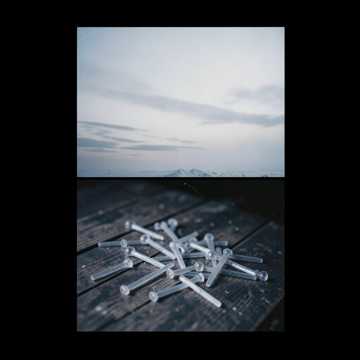
Escape Route (Take 6)
An experimental instrumental passage through instability and stillness. Bassoon, harp, horn, and marimba explore microtonal colors, overlapping accidents, free durations, silences, sirens, and evolving textures, suggesting an elusive escape route through a strange, meditative outerworld.
06:35
2026-09-07
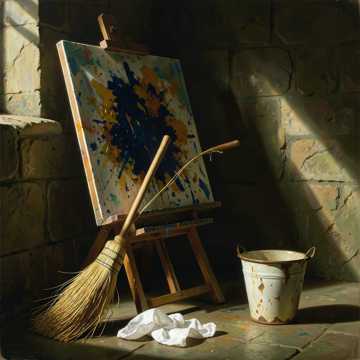
Lappen und Kolorit
Ein streitlustiges Opernduett über den ewigen Konflikt zwischen Ordnung und schöpferischem Chaos. Anthony kämpft gegen Farbflecken, während der Maler jede Reinigung als Angriff auf seine Freiheit empfindet. Rezitative, Arien und rasante Duette steigern den komischen Streit bis zur versöhnlichen, aber fragilen Schlusskadenz.
03:36
2026-09-04
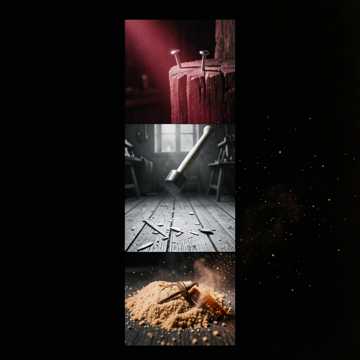
A Love Song in Splinters
Two sentient nails mistake injury for intimacy, seducing a terrified carpenter through operatic declarations of love. The song turns household danger into grotesque comedy, balancing gothic orchestration, absurd romance, vivid character exchanges, and a bombastic finale.
03:30
2026-08-29
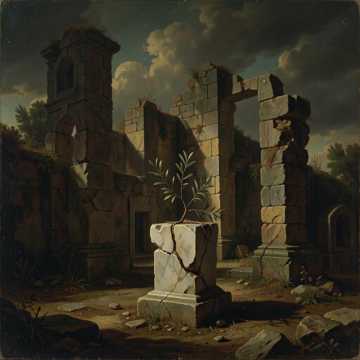
PSA 53 SUOMI-4
Laulu kuvaa ihmiskunnan turmelusta, Yahuahin oikeudenmukaista tuomiota ja Yashar’elin vapautuksen kaipuuta. Melankolinen mieslaulu kasvaa julistavaksi rukoukseksi, jossa Siionista tuleva yeshu`ah tuo Ya`aqoville ilon ja Yashar’elille riemun.
03:32
2026-08-28

PSA 53 SUOMI-3
Laulu kuvaa ihmiskunnan turmeltuneisuutta, Yahuahin oikeudenmukaista katsetta ja kansan kaipuuta vapautukseen. Melankolinen, keskitempoinen blues yhdistää kanteleen, rummut, basson ja fagotin rukouksen kaltaiseksi julistukseksi, joka päättyy Siionista tulevan pelastuksen ja riemun toistuvaan odotukseen.
03:45
2026-08-28
PSA 53 SUOMI-2
Laulu kuvaa ihmiskunnan turmelusta, Yahuahin tarkkailevaa katsetta ja kansan kärsimystä. Synkästä tuomiosta kasvaa rukous Siionista tulevasta pelastuksesta, joka päättyy Yaakovin iloon ja Yashar’elin riemuun.
03:40
2026-08-28
PSA 53 SUOMI-1
Laulu kuvaa ihmiskunnan turmeltuneisuutta, välinpitämättömyyttä ja väärintekijöiden pelkoa Yahuahin edessä. Melankolinen sävelmä muuttuu hartaaksi kaipaukseksi, jossa toistuva pyyntö Yashar’elin pelastuksesta Siionista huipentuu vapautuksen, ilon ja riemun lupaukseen.
03:41
2026-08-28

psa 52 SUOMI-2
Laulu asettaa vastakkain pahantahtoisen, rikkauksiin ja valheisiin luottavan ihmisen sekä Elohiymiin turvautuvan vanhurskaan. Tuomion kuvaston keskellä vihreä oliivipuu symboloi uskoa, kestävyyttä, kiitosta ja ikuista armoa.
04:20
2026-08-28
psa 52 SUOMI-1
Kappale kuvaa pahuutta, petollista kieltä ja rikkauksien varaan rakennettua ylpeyttä, jotka johtavat tuhoon. Vastakohdaksi nousee vihreän oliivipuun vertauskuva: luottamus Elohiym-armoon, jatkuva ylistys ja toivo oikeudenmukaisuuden voitosta.
02:59
2026-08-28

psa 51 SUOMI-7
Kappale on syvä katumus- ja rukouslaulu, jossa ihminen pyytää Elohiymiltä anteeksiantoa, puhdasta sydäntä ja uudistavaa henkeä. Reggaetonin keskitempoinen rytmi yhdistyy kanteleen, harpun, rumpujen ja fagotin sointiin, luoden muinaisen tekstin ja modernin musiikin välille vahvan kontrastin.
05:58
2026-08-28
psa 51 SUOMI-6
Laulu on syvä katumus- ja uudistumisrukous, jossa pyydetään armoa, puhdasta sydäntä ja pelastuksen iloa. Reggaetonin keskitempoinen syke yhdistyy kanteleen, harpun, rumpujen ja fagotin sävyihin sekä miehen hartaan lauluun.
05:10
2026-08-28
Introduction to the Bassoon: Definition and History
The bassoon is a woodwind instrument in the double reed family that plays music written in the bass and tenor clefs, and occasionally the treble. Known for its distinctive, rich, and warm tone, the bassoon has been a staple of orchestras, chamber music, and solo performances for centuries. Its origins can be traced back to the early 16th century with the development of the dulcian, a predecessor to the modern bassoon. Over time, the instrument evolved significantly, especially during the Baroque period, reaching its current form by the late 19th century. Notable advancements were made by the German instrument maker Wilhelm Heckel, whose design set the standard for the modern bassoon.
Sub-tags and Classifications of the Bassoon
Contrabassoon
The contrabassoon, also known as the double bassoon, is an octave lower in pitch than the regular bassoon. It is the lowest-pitched woodwind instrument and is primarily used to add depth and weight to orchestral bass lines. The contrabassoon is larger and has a more cumbersome shape, often requiring a floor peg for support.
Baroque Bassoon
The Baroque bassoon, or dulcian, was used extensively in the 17th and early 18th centuries. It has a simpler design compared to the modern bassoon, with fewer keys and a different bore shape. This instrument is commonly used in historically informed performances of Baroque music.
Modern Bassoon
The modern bassoon, often referred to as the Heckel-system bassoon, is the standard version used in contemporary orchestras and ensembles. It features a complex key mechanism and a distinctive folded design, making it versatile for a wide range of musical styles and contexts.
Famous Artists and Works Featuring the Bassoon
Gustav Mahler
Gustav Mahler was a renowned composer who wrote extensively for the bassoon, utilizing its rich timbre to add emotional depth to his symphonies. His Symphony No. 1 and Symphony No. 5 feature notable bassoon passages.
The Rite of Spring by Igor Stravinsky
This groundbreaking ballet score opens with a famous bassoon solo in an unusually high register, showcasing the instrument's versatility and setting the tone for the entire piece. Stravinsky's innovative use of the bassoon in 'The Rite of Spring' marked a significant moment in music history.
Heinrich Schütz
A prominent Baroque composer, Heinrich Schütz used the dulcian, an early version of the bassoon, in his sacred and secular works. His use of the instrument helped establish its role in ensemble settings.
Bassoon Concerto in B-flat major, K. 191 by Wolfgang Amadeus Mozart
Mozart's Bassoon Concerto is one of the earliest and most popular solo works for the instrument. It highlights the bassoon's lyrical qualities and technical capabilities, and remains a staple in the bassoon repertoire.
Maurice Ravel
Maurice Ravel, a French composer known for his exquisite orchestration, wrote beautiful parts for the bassoon in his works. His ballet 'Daphnis et Chloé' and 'Boléro' feature memorable bassoon solos.
Application Scenarios for Bassoon Music
Bassoon music is often used in movie soundtracks to convey a range of emotions, from somber and reflective to whimsical and playful. Its unique timbre can add depth to a film's score, as seen in movies like 'Fantasia' and 'Harry Potter'.
Movie Soundtracks
In advertising, the bassoon's distinctive sound can help create memorable and engaging jingles. Its ability to evoke warmth and sophistication makes it suitable for brands seeking a unique auditory signature.
Advertising Music
Bassoon music is increasingly found in video game soundtracks, where it adds character and atmosphere. Games like 'The Legend of Zelda' series use the bassoon to enhance the immersive experience of their musical landscapes.
Video Game Music