Free cassette texture Music Generator Powered by AI
Turn text into high-quality cassette texture music effortlessly – no login required!

music.toolTips
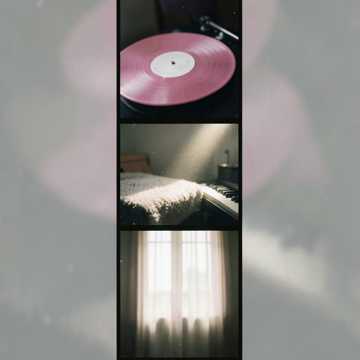
Pink Vinyl Drift
作品以慵懒缓慢的节奏、 felt 钢琴和轻柔鼓刷铺开温暖空间,仿佛粉色暮光中的黑胶唱片缓缓旋转。细微的磁带失真与黑胶裂纹增添怀旧触感,适合睡眠、冥想、阅读和情绪放松。
03:20
10 hours ago
Lumina
Lumina는 깊은 밤 화면 너머로 이어지는 두 사람의 다정한 연결을 그린 곡이다. Y2K 한국 팝과 R&B의 몽환적인 사운드, 2-step 리듬, 부드러운 여성 보컬과 랩이 그리움과 설렘, 변치 않는 사랑의 빛을 표현한다.
03:42
2 days ago
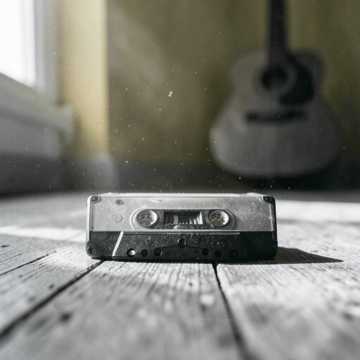
HOME VID
HOME VID follows a woman watching an old home tape and reconnecting with her childhood self. Through warm acoustic textures, intimate vocals, and a Thai verse, the song explores memory, growing up, family, and the longing to cherish innocent moments again.
02:36
4 days ago
In the Cut
In the Cut captures nocturnal street tension through rapid-fire movement, distrust, ambition, and controlled aggression. Its repetitive hook, distorted bass, eerie organ stabs, and tape-worn production create a hypnotic Memphis phonk atmosphere suited to high-energy, cinematic, and underground settings.
02:09
4 days ago

Rain on Felt
Rain on Felt unfolds as a delicate lo-fi piano miniature, pairing sparse chords and fragile motifs with swung rhythm, cassette warmth, and gentle room ambience. Its restrained dynamics evoke rain-streaked windows, private reflection, forgotten memories, and the calm melancholy of a quiet evening.
01:00
5 days ago
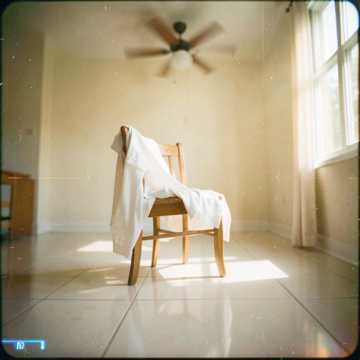
Summer on Our Bodies
A flirtatious summer romance unfolds through warm rooms, bare feet, shared laughter, and slow-burning chemistry. The bouncy synth-funk groove turns physical closeness into a playful holiday, balancing sensual vocals, rhythmic teasing, and an infectious chorus made for late afternoons and warm nights.
03:33
Invalid date
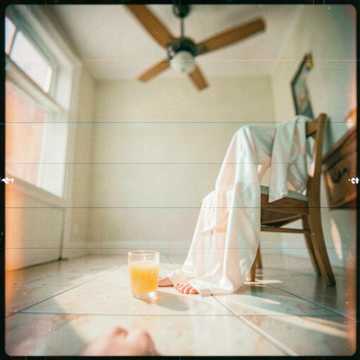
Sweet Little Trouble
Sweet Little Trouble captures a flirtatious night of mutual desire, playful teasing, and confident intimacy. Its bouncy four-on-the-floor rhythm, warm lo-fi textures, rubbery bass, clipped guitar, and breathy feminine vocals create a lively summer atmosphere suited to couples, nightlife, dance scenes, and sensual romantic playlists.
03:50
Invalid date

Dark Keys, Hard Steps
A raw, introspective boom-bap anthem about rising from poverty, isolation, and unpaid effort. Dark piano and heavy drums frame a determined narrator who transforms scars, broken promises, and quiet persistence into creative power, claiming an independent path while carrying hope through every hard step.
02:28
6 days ago
Cassette Texture: Analog Warmth, Tape Imperfections, and Lo-Fi Character
Cassette Texture is a production aesthetic that recreates or preserves the sonic characteristics associated with compact cassette tape. Typical Cassette Texture elements include tape hiss, gentle saturation, softened high frequencies, wow and flutter, unstable pitch, mechanical noise, compression, limited bandwidth, and subtle distortion. Rather than treating these qualities as technical defects, musicians and producers use them to create warmth, nostalgia, intimacy, and an unmistakably physical sense of recorded sound. The aesthetic originates in the compact cassette era, particularly from the 1970s through the 1990s, when cassettes became an affordable format for home recording, mixtapes, demos, underground releases, and portable listening. Four-track cassette recorders also allowed independent musicians to build layered recordings without professional studios. As digital recording became dominant, the limitations of cassette technology gradually became desirable creative effects. Lo-fi rock, experimental music, ambient, indie pop, hip-hop, vaporwave, chillwave, and bedroom production allCassette Texture Content helped revive Cassette Texture as an intentional aesthetic. Modern producers can obtain authentic Cassette Texture by recording to physical tape or simulate it through tape-emulation software, saturation, filtering, noise layers, pitch modulation, and other digital processing.
Cassette Texture Sub-tags and Classifications
Tape Hiss Texture
Tape Hiss Texture emphasizes the continuous broadband noise naturally produced by analog cassette systems. The hiss can remain almost subliminal beneath a mix or become a prominent atmospheric layer. In Cassette Texture music, this noise helps fill digital silence, creates a sense of physical media, and can make sparse piano, guitar, ambient, or electronic arrangements feel warmer and more intimate.
Wow and Flutter
Wow and Flutter describes slow and rapid pitch fluctuations caused by variations in tape transport speed. When intentionally introduced into Cassette Texture production, these fluctuations make sustained chords, keyboards, guitars, and samples gently drift out of tune. The result can feel nostalgic, dreamlike, unstable, melancholic, or surreal, making this approach especially effective in ambient, lo-fi hip-hop, psychedelic music, and experimental pop.
Cassette Saturation
Cassette Saturation focuses on the harmonic coloration and soft distortion produced when cassette tape is driven strongly. Transients become smoother, peaks are naturally compressed, and instruments acquire additional harmonic density. This form of Cassette Texture is useful when producers want drums, bass, synthesizers, vocals, or sampled loops to sound warmer and less clinically digital.
Degraded Tape
Degraded Tape exaggerates the characteristics of worn, duplicated, damaged, or poorly maintained cassettes. Dropouts, frequency loss, uneven volume, unstable stereo imaging, distortion, pitch wobble, and mechanical artifacts may all appear. This Cassette Texture classification creates the impression of discovering an old recording that has survived years of playback and deterioration.
Four-Track Cassette Lo-Fi
Four-Track Cassette Lo-Fi draws inspiration from portable multitrack cassette recorders used extensively for demos and home recordings. Multiple generations of overdubbing can introduce noise, saturation, compression, and reduced clarity. The resulting Cassette Texture has a handmade quality closely associated with bedroom recording, indie rock, outsider music, experimental songwriting, and DIY culture.
Dreamy Cassette Ambience
Dreamy Cassette Ambience combines tape hiss, softened frequencies, reverb, slow pitch modulation, and atmospheric instrumentation. Instead of emphasizing obvious damage, this form of Cassette Texture uses analog imperfections to blur musical edges and create an immersive, memory-like atmosphere. It is common in ambient, dream pop, chillwave, and cinematic background music.
VHS and Cassette Retro Texture
This hybrid style combines Cassette Texture with broader retro-media aesthetics such as VHS noise, vintage synthesizers, aged samples, detuned keyboards, and 1980s or 1990s production references. The sound is particularly effective for vaporwave, synthwave, retro advertising, nostalgic games, and audiovisual projects designed to evoke obsolete consumer technology.
Cassette Sample Texture
Cassette Sample Texture involves processing loops, beats, dialogue, field recordings, or instrumental samples through cassette-style degradation. Rather than applying tape coloration to an entire mix, producers can use Cassette Texture selectively to distinguish sampled material from cleaner modern elements. This technique is especially useful in hip-hop, downtempo, electronic music, and sample-based experimental production.
Famous Artists and Works Associated with Cassette Texture
Daniel Johnston
Daniel Johnston became closely associated with intimate homemade cassette recordings. Releases such as 'Hi, How Are You' demonstrate how recording limitations, room ambience, tape noise, and fragile performances can become inseparable from a work's emotional identity. His recordings helped establish the idea that a rough Cassette Texture could communicate authenticity rather than simply indicate low production quality.
Daniel Johnston - Hi, How Are You
This landmark homemade recording illustrates how limited recording technology can intensify emotional immediacy. The intimate vocals, exposed performance, background noise, narrow frequency range, and rough recording quality contribute directly to its character. In the context of Cassette Texture, the album demonstrates that imperfections can function as expressive information, making listeners feel unusually close to the recording process.
Guided by Voices
Guided by Voices became influential within lo-fi indie rock through recordings that frequently embraced inexpensive equipment and deliberately unpolished production. Albums such as 'Bee Thousand' helped demonstrate how limited fidelity, saturation, noise, and home-recording characteristics could reinforce concise songwriting and DIY aesthetics.
Guided by Voices - Bee Thousand
Bee Thousand became a major reference point for lo-fi indie production. Its rough edits, compressed recording quality, saturated instrumentation, and home-recorded atmosphere complement its short, imaginative songs. The record helped legitimize low-fidelity texture as a deliberate alternative to highly polished studio rock.
Boards of Canada
Boards of Canada are renowned for electronic music filled with aged, unstable, memory-like timbres. Their work frequently uses detuning, softened frequencies, analog degradation, and tape-like modulation to make electronic instruments sound as though they originate from deteriorating educational films or forgotten recordings. This approach became highly influential on modern Cassette Texture, hauntological, ambient, and nostalgic electronic production.
Boards of Canada - Music Has the Right to Children
This album is a major reference for nostalgic electronic production. Warped synthesizers, softened transients, detuned melodies, sampled voices, and deliberately aged sonic surfaces create the sensation of damaged memories preserved on obsolete media. Its influence can be heard in modern Cassette Texture production, particularly where tape-style instability is used to create emotional ambiguity.
Ariel Pink
Ariel Pink's early recordings helped bring deliberately degraded home-recorded sound into 2000s indie music. His productions often combine cassette-like saturation, noise, unusual frequency balance, layered vocals, and retro pop references, illustrating how Cassette Texture can function as an aesthetic framework rather than merely an effect.
The Microphones - The Glow Pt. 2
The Glow Pt. 2 combines intimate songwriting with dramatic changes in density, distortion, acoustic instrumentation, environmental sound, and lo-fi recording character. Its production shows that Cassette Texture and related analog imperfections can support sophisticated arrangements rather than merely imitate amateur recording.
The Microphones
The Microphones, led by Phil Elverum, used lo-fi recording processes alongside acoustic instruments, distortion, ambience, and experimental layering. Works such as 'The Glow Pt. 2' demonstrate how rough recording textures can coexist with ambitious arrangements, making sonic imperfections part of the emotional architecture of an album.
William Basinski - The Disintegration Loops
The Disintegration Loops provides an extreme example of analog media becoming an active compositional element. As aging tape loops physically deteriorate during playback, musical information gradually disappears and transforms. While not simply a cassette-effect record, the project is foundational for understanding the broader artistic philosophy behind degraded tape and Cassette Texture: deterioration itself can become musical structure.
William Basinski
William Basinski's tape-based experimental work demonstrates the expressive possibilities of physical media deterioration. Although his practice extends beyond compact cassette specifically, his exploration of loops, decay, noise, and unstable analog playback has profoundly influenced contemporary approaches to degraded tape and Cassette Texture aesthetics.
Cassette Texture Application Scenarios in Music and Media
Cassette Texture can accompany flashbacks, childhood memories, old home videos, lost relationships, and scenes involving personal archives. Tape hiss, muted frequencies, and unstable pitch immediately suggest temporal distance, allowing filmmakers to distinguish remembered experiences from present-day reality.
Film Soundtracks and Memory Sequences
Degraded Cassette Texture works effectively in horror because dropouts, mechanical noises, distorted speech, pitch instability, and damaged recordings can create uncertainty. It is particularly suitable for found-footage narratives, mysterious recordings, abandoned locations, analog horror, and stories involving forgotten media.
Horror and Psychological Thrillers
Game developers can use Cassette Texture for menus, save rooms, nostalgic environments, dream sequences, abandoned buildings, and retro-inspired worlds. Looped cassette ambience can make a soundtrack feel as though it belongs to an artifact within the fictional world rather than functioning only as conventional background music.
Indie and Retro Video Games
Cassette Texture is widely compatible with relaxed beat production. Gentle hiss, saturated drums, filtered samples, subdued high frequencies, and mild wow and flutter can soften repetitive loops and create a comfortable background atmosphere for studying, reading, working, or relaxing.
Lo-Fi Hip-Hop and Study Music
Brands seeking a nostalgic, handmade, youthful, or analog identity can use Cassette Texture in advertisements. A clean production can be combined with subtle tape hiss, cassette saturation, and pitch movement to reference mixtapes, home recordings, and pre-streaming music culture without making the soundtrack excessively degraded.
Advertising and Retro Branding
Cassette Texture can differentiate archival sections, recorded interviews, diary entries, historical material, or reconstructed memories from a podcast's primary narration. Carefully controlled filtering and tape noise provide an immediate sonic cue that the listener has entered another period or source layer.
Podcasts and Documentary Transitions
Artists can apply Cassette Texture to vocals, guitars, keyboards, drums, or complete mixes to create a personal DIY atmosphere. The slight loss of fidelity can reduce the perceived distance between performer and listener, making intimate songwriting feel more like a private recording or discovered demo.
Bedroom Pop and Indie Music
Subtle Cassette Texture can add movement to otherwise static drones and pads. Low-level hiss, slow pitch drift, saturation, and softened frequencies produce organic variation without demanding attention, making the technique useful for ambient compositions, sleep soundscapes, contemplative music, and atmospheric installations.
Ambient and Meditation Soundscapes
Cassette Texture pairs naturally with grainy footage, camcorder aesthetics, old photographs, retro typography, and nostalgic short-form videos. Using tape-like audio alongside visually aged media can create a more unified audiovisual identity for lifestyle edits, fashion content, travel memories, and retro-themed storytelling.
Social Media and Vintage Visual Content
Producers can use Cassette Texture as a selective sound-design layer rather than processing an entire track. Individual drums, samples, vocals, synthesizers, or transitions can be degraded to contrast with high-fidelity elements. This makes cassette processing useful not only for nostalgic genres but also for modern pop, electronic music, hip-hop, cinematic scoring, and experimental production.
Music Production and Sound Design