Free dance mood Music Generator Powered by AI
Turn text into high-quality dance mood music effortlessly – no login required!

music.toolTips
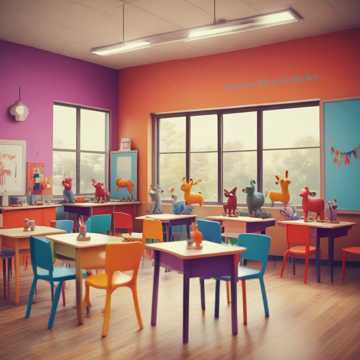
Mt fun
A lively, quirky song capturing a school day filled with chaos, friendship, and dance. The energetic blend of 1980s rock, synth, and violin brings the fun and unpredictable atmosphere to life.
02:35
2024-11-12
Wehntaler Kebab und Pizza
'Wehntaler Kebab und Pizza' ist eine entspannte Reggae-Hymne, die die Freuden eines lokalen Imbisses in Oberweningen besingt. Der Song vereint kulinarischen Genuss mit Lebensfreude und lädt zum gemeinsamen Essen und Tanzen ein.
02:55
2024-07-22
Dance Mood Music: Definition, History, and Evolution of Energetic Soundscapes
Dance Mood is a music tag used to describe energetic, rhythmic, and emotionally uplifting music designed to inspire movement, excitement, and social interaction. Dance Mood music typically features strong beats, catchy melodies, dynamic basslines, and repetitive rhythmic patterns that encourage listeners to dance or feel physically engaged with the music. The Dance Mood tag spans multiple genres, including electronic dance music (EDM), disco, house, techno, funk, pop dance, Latin dance, and modern club music. Historically, Dance Mood music evolved from early communal dance traditions and gained mainstream popularity during the disco era of the 1970s. Artists and producers began experimenting with electronic instruments, drum machines, and synthesizers to create highly rhythmic music specifically intended for dance floors. In the 1980s and 1990s, genres such as house, techno, trance, and Eurodance expanded the Dance Mood category globally. Today, Dance Mood music dominates clubs, festivals, fitness playlists, socialDance Mood Overview media trends, video content, gaming soundtracks, and commercial advertising. The Dance Mood tag is widely associated with feelings of celebration, freedom, excitement, nightlife culture, and high-energy entertainment experiences.
Dance Mood Music Sub-tags and Classifications
Electronic Dance Music (EDM)
Electronic Dance Music, commonly known as EDM, is one of the most popular Dance Mood sub-tags. EDM combines electronic production techniques, powerful drops, layered synthesizers, and festival-style energy. This Dance Mood classification is frequently heard in nightclubs, music festivals, workout playlists, and streaming charts. Popular EDM styles include progressive house, big room, dubstep, and future bass.
House Music
House music is a foundational Dance Mood genre characterized by steady four-on-the-floor beats, soulful grooves, and repetitive rhythmic patterns. Originating in Chicago during the early 1980s, house music became a global Dance Mood movement through club culture. Deep house, tropical house, and tech house remain highly influential in modern dance playlists.
Techno
Techno is a futuristic and mechanical Dance Mood classification known for hypnotic beats, minimal melodies, and immersive electronic textures. Emerging from Detroit in the 1980s, techno music emphasizes rhythm, repetition, and underground club culture. This Dance Mood style is widely used in warehouse parties, underground festivals, and cinematic electronic soundtracks.
Disco
Disco represents one of the earliest mainstream Dance Mood categories. Defined by funky basslines, orchestral arrangements, and upbeat tempos, disco music dominated dance clubs during the 1970s. Artists such as Donna Summer and the Bee Gees helped transform disco into a worldwide Dance Mood phenomenon that still influences modern pop and dance production.
Trance
Trance is an emotional and atmospheric Dance Mood sub-tag characterized by uplifting melodies, long buildups, euphoric drops, and immersive synthesizer layers. Trance music became globally popular during the late 1990s and early 2000s and remains central to electronic dance festivals and emotional club experiences.
Latin Dance
Latin Dance Mood music incorporates rhythmic elements from salsa, reggaeton, merengue, bachata, and samba. This Dance Mood category focuses heavily on percussion, infectious grooves, and vibrant cultural energy. Latin dance tracks are widely used in parties, dance competitions, fitness classes, and mainstream pop collaborations.
Pop Dance
Pop Dance combines mainstream pop songwriting with energetic Dance Mood production. Featuring catchy choruses, radio-friendly structures, and danceable rhythms, this classification appeals to global audiences. Many contemporary chart hits fall into the Pop Dance Mood category due to their accessibility and club-ready production.
Funk and Groove Dance
Funk and Groove Dance Mood music emphasizes rhythmic basslines, syncopated grooves, and soulful instrumentation. Influencing disco, hip-hop, and electronic dance music, funk-based Dance Mood tracks are known for creating uplifting and highly interactive dance floor experiences.
Famous Dance Mood Artists and Classic Dance Mood Works
Daft Punk
Daft Punk revolutionized Dance Mood music by blending house, funk, disco, and futuristic electronic production. Their albums 'Discovery' and 'Random Access Memories' introduced innovative dance music concepts while maintaining broad mainstream appeal. Tracks like 'One More Time' became iconic Dance Mood anthems worldwide.
One More Time - Daft Punk
This classic Dance Mood track combines filtered disco samples, uplifting vocals, and repetitive house grooves to create an instantly recognizable club anthem. Its innovative use of sampling and robotic vocal processing influenced an entire generation of dance music producers.
Calvin Harris
Calvin Harris helped popularize commercial EDM and Dance Mood music through chart-topping collaborations with pop artists. His productions combine catchy melodies, club rhythms, and accessible songwriting, making him one of the most influential figures in modern dance-pop culture.
Wake Me Up - Avicii
Avicii's 'Wake Me Up' redefined Dance Mood music by blending folk guitar elements with progressive house production. The song introduced emotional storytelling into mainstream EDM while maintaining a highly energetic dance structure.
David Guetta
David Guetta played a critical role in bringing Dance Mood music into mainstream pop radio. By collaborating with global artists across hip-hop, pop, and electronic genres, he helped establish EDM as a dominant force in global entertainment.
Titanium - David Guetta ft. Sia
Titanium combines powerful vocal performance with explosive Dance Mood production. The song became globally successful due to its emotional intensity, memorable chorus, and festival-ready electronic arrangement.
Avicii
Avicii transformed Dance Mood music by combining progressive house with emotional songwriting and folk-inspired melodies. Songs such as 'Wake Me Up' expanded the emotional and musical boundaries of dance music while maintaining strong festival energy.
Stayin' Alive - Bee Gees
As one of the most iconic disco-era Dance Mood songs, 'Stayin' Alive' features rhythmic basslines, falsetto vocals, and infectious grooves that defined late-1970s dance culture. The track continues to influence modern dance-pop production.
Donna Summer
Donna Summer became known as the 'Queen of Disco' and helped define the early Dance Mood era. Her collaborations with Giorgio Moroder pioneered electronic disco production and heavily influenced modern electronic dance music.
Levels - Avicii
Levels is widely considered a landmark Dance Mood anthem because of its uplifting piano melodies, euphoric structure, and memorable vocal sample. The track helped push EDM into mainstream global popularity.
Tiësto
Tiësto is one of the most respected DJs and producers in Dance Mood history. His influence spans trance, house, and festival EDM, helping shape global dance festival culture and introducing millions of listeners to electronic music.
Animals - Martin Garrix
Animals introduced a minimalist yet aggressive big-room EDM style into the Dance Mood category. Its heavy drops, simple melodic structure, and festival energy became highly influential in electronic dance production.
Martin Garrix
Martin Garrix brought youthful energy and modern festival production into the Dance Mood landscape. His hit single 'Animals' became a defining anthem for big-room EDM and contemporary festival music.
Application Scenarios for Dance Mood Music
Dance Mood music is most commonly associated with nightclubs, electronic dance festivals, and party environments. High-energy beats and rhythmic intensity help create immersive social experiences and maintain crowd excitement.
Nightclubs and Dance Festivals
Many gyms, fitness studios, and personal trainers use Dance Mood music to motivate physical activity. Fast tempos, strong basslines, and uplifting melodies help improve workout intensity, endurance, and emotional engagement.
Fitness and Workout Playlists
Dance Mood music is frequently used in movie soundtracks during party scenes, chase sequences, futuristic environments, and youth-oriented narratives. Electronic dance tracks help establish excitement, tension, and modern cultural atmospheres.
Movie Soundtracks
Brands often use Dance Mood music in commercials to create energetic, youthful, and modern brand identities. Upbeat dance tracks help increase audience attention and emotional memorability in advertising campaigns.
Advertising and Commercial Campaigns
Dance Mood music is widely used in racing games, rhythm games, multiplayer action games, and futuristic sci-fi environments. Electronic beats and dynamic pacing enhance player immersion and excitement.
Video Game Background Music
Short-form video platforms heavily rely on Dance Mood music for viral trends, choreography videos, transitions, and lifestyle content. Catchy rhythms and recognizable hooks help creators increase engagement and audience retention.
Social Media and Content Creation
Fashion designers and event producers frequently select Dance Mood music to create stylish, modern, and high-energy atmospheres during runway presentations and brand showcases.
Fashion Shows and Runway Events
Dance Mood music is commonly played during sports events, esports tournaments, and live entertainment broadcasts to energize audiences and build anticipation before major moments or competitions.
Sports Events and Esports