Free fear Music Generator Powered by AI
Turn text into high-quality fear music effortlessly – no login required!

music.toolTips
Basement Teeth
A terrified narrator confronts an entity invading their home and mimicking their identity. Sparse verses build into a stomping, defiant chorus, while the bridge reveals a sinister reflection and a broken door, transforming domestic unease into an inescapable supernatural nightmare.
03:12
2026-08-25
Почукай У Лікарню
Пісня передає паніку людини, яка через гострий біль, блювання з кров’ю та слабкість поспішає до лікарні. Повторюваний приспів звучить як уривчасте повідомлення близьким, а фінал оголює страх залишитися самотнім перед можливою смертю.
03:24
2026-08-25

Paralyzed
Paralyzed portrays a person trapped by fear, confusion, and painful memories. Its urgent garage rock energy mirrors mounting frustration, while explosive guitars and repeated choruses transform emotional paralysis into a powerful declaration of freedom and renewal.
03:25
2026-08-25
Im Lagerraum
Der Song führt in einen klaustrophobischen Lagerraum, in dem Ratten, Schatten und Erinnerungen zur greifbaren Bedrohung werden. Zwischen Schutzversprechen und wachsender Panik verschmilzt körperliche Enge mit psychologischem Grauen, bis das Versteck selbst wie ein Grab erscheint.
03:44
2026-08-24
Welcome
Der Song zeichnet das verstörende Bild einer wehrlosen Person, die von skrupellosen Schattenjägern verfolgt und missbraucht wird. Aggressiver Rap, düstere Chöre und ein langsamer Groove verstärken die Atmosphäre von Angst, Kontrollverlust, Trauma und gesellschaftlicher Warnung.
02:29
2026-08-24

Por Que Eu Morreria?
A música questiona o sentido da morte para reafirmar a urgência de viver, criar, amar e sentir. Entre medo, falta de apoio e sonhos persistentes, a narradora transforma experiências dolorosas em canções e celebra uma vida vivida com coragem e propósito.
04:50
2026-08-24
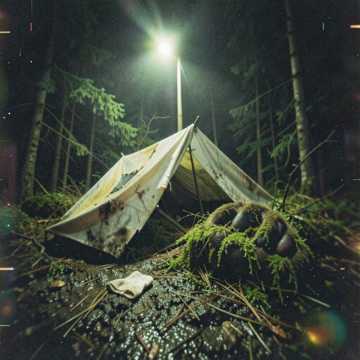
Ins Dickicht
Das Lied erzählt von einem nächtlichen Angriff auf ein Zelt und der panischen Flucht ins unheimliche Dickicht. Mit eindringlichen Wiederholungen, dunkler Atmosphäre und drastischen Naturbildern wird die menschliche Ohnmacht gegenüber der Wildnis beschworen.
04:58
2026-08-24
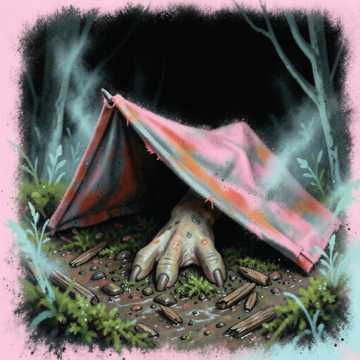
Ins Dickicht
Das Lied erzählt von einem nächtlichen Bärenangriff im Wald. Zwischen zerstörtem Zelt, nassem Moos und unausweichlicher Verfolgung verwandelt sich Natur in eine bedrohliche Macht. Der wiederholte Refrain verstärkt das Gefühl, dass Angst, Stolz und menschliche Kontrolle im Dickicht verschwinden.
04:00
2026-08-24
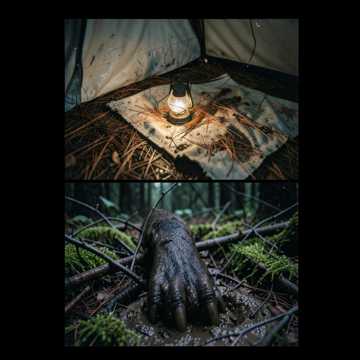
Ins Dickicht
Das Lied erzählt von einem nächtlichen Bärenangriff, bei dem Sicherheit, Stolz und menschliche Kontrolle im Dickicht verschwinden. Wiederholte Refrains, knarrendes Holz und dunkle Bilder steigern die Spannung, während der Wald als gleichgültige, unbezwingbare Naturkraft erscheint.
04:00
2026-08-24
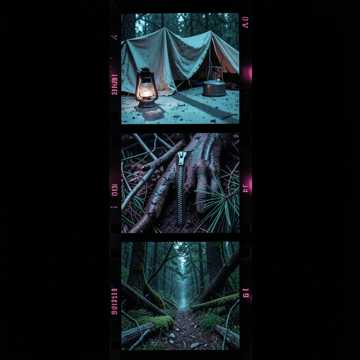
Ins Dickicht
Der Song erzählt von einem nächtlichen Bärenangriff im Wald und verwandelt die Flucht ins Dickicht in ein düsteres Bild für Ausgeliefertsein, Angst und den Verlust menschlichen Stolzes gegenüber der unbändigen Natur.
03:35
2026-08-24
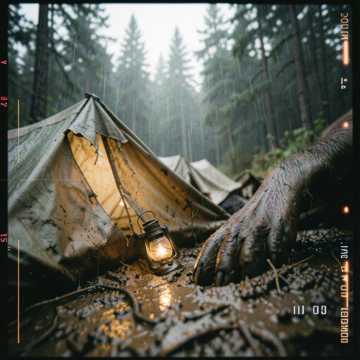
В чащу
Мрачная история ночного нападения медведя превращает туристический страх в неотвратимое движение в чащу. Повторяющийся припев, холодные лесные образы и тяжёлая электронная ритмика создают ощущение преследования, где природа выступает не врагом, а силой со своими жестокими законами.
03:55
2026-08-24
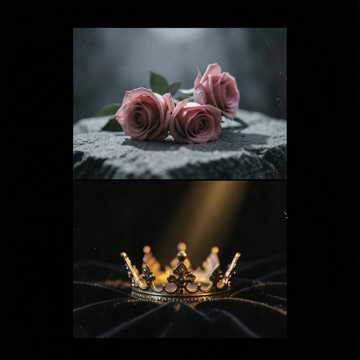
C3-28 TAKE MY FEAR
A crowned soul confronts hidden terror, guilt, and spiritual captivity while surrendering to a mysterious divine presence. Through haunting verses, an explosive chorus, and a soaring guitar-led climax, the song transforms fear into release, ending in solemn devotion and acceptance.
05:45
2026-08-24
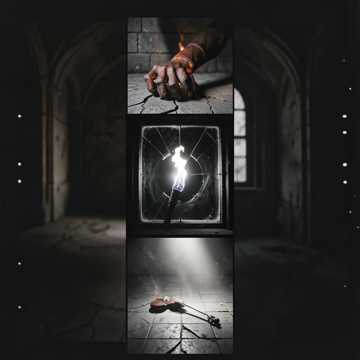
Now I lost your
A grieving narrator searches for a vanished muse through ruined halls, fading memories, and inner rage. The song moves from uncertainty to desperation, combining gothic imagery with haunting vocals and heavy instrumentation before closing on a fragile plea for reunion and direction.
05:01
2026-08-23
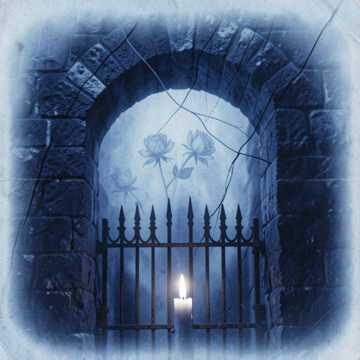
Believe in Grim Reaper
A narrator confronts death as an intimate, inevitable presence. Through cold imagery, funeral symbols, and gothic spiritual tension, the song transforms fear into surrender, culminating in a defiant vision of singing through the graves beneath the Grim Reaper's watch.
05:00
2026-08-22
Adrenaline LXY
Adrenaline LXY portrays panic as a surreal chase, where danger feels unavoidable and heightened nerves create paralysis instead of speed. Its anxious imagery, dark humor, and repeated hook pair emotional exhaustion with robotic alt-rock, shoegaze, trip-hop, and glitch-driven intensity.
02:27
2026-08-22
Monster in Loading
La canzone descrive la paura come un essere nutrito dai pensieri negativi fino a diventare un mostro. Ciò che nasce come protezione si trasforma in prigione, finché il protagonista sceglie di smettere di alimentarla e riconquistare la propria libertà.
02:58
2026-08-22
The sound of a bullet
A relentless thrash-rap account of surviving a sudden shooting, moving from immediate panic and desperate hiding to the haunting realization that the event continues through memory, fear, and recurring trauma.
04:40
2026-08-22
پیش خودم گفتم
این ترانه روایت عاشقی است که فردی شبیه خودش را پیدا کرده، معنای عشق را با او فهمیده، اما از آشکار کردن احساسش ترسیده است. تکرار پاسخ بدی به خوبی، فضای تلخ، پشیمان و نوستالژیک آهنگ را پررنگ میکند.
03:05
2026-08-21
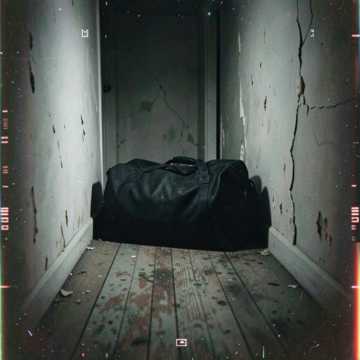
Question
A threatening narrator corners an unnamed target, using silence, psychological pressure, and implied violence to demand honesty. The repeated question becomes a taunt about fear and identity, while the stark half-time production intensifies the song’s criminal, cinematic atmosphere.
03:00
2026-08-21

Glass Aurora
Glass Aurora follows a solitary figure drawn through fear, memory, and emotional fracture toward rebirth. Its icy imagery and hypnotic refrain build from intimate vulnerability into a radiant electropop anthem about breaking beautifully, embracing change, and coming alive at the edge of the light.
04:22
2026-08-20
Introduction to the Fear Music Tag
Fear, in the context of music, is an emotional response that composers and sound designers evoke through specific tonalities, rhythms, and instrumentation. The history of fear in music dates back to ancient times when primitive humans used sounds to signal danger or elicit an emotional response from others. Over the centuries, the use of fear in music evolved through religious chants, classical compositions, and modern cinematic scores, each exploring the deep psychological effects of fear through sound.
Sub-tags and Classifications of Fear in Music
Horror
The 'Horror' sub-tag encompasses music specifically designed to evoke feelings of dread, suspense, and terror. This genre often utilizes dissonant chords, eerie soundscapes, and sudden crescendos to create an unsettling atmosphere.
Suspense
Music under the 'Suspense' sub-tag is crafted to build tension and anticipation, often preceding a climactic moment. It typically features repetitive motifs, a slow tempo, and a gradual buildup of intensity.
Psychological Fear
The 'Psychological Fear' sub-tag focuses on music that subtly manipulates the listener's emotions, creating an atmosphere of unease through complex harmonies, unexpected shifts, and minimalistic compositions.
Ambient Fear
This sub-tag covers music that uses ambient soundscapes to instill a sense of fear or discomfort. It often incorporates natural sounds, electronic drones, and reverberation to create a haunting environment.
Famous Artists and Works in Fear Music
Bernard Herrmann
Bernard Herrmann is a renowned composer best known for his work on Alfred Hitchcock's films, particularly 'Psycho'. His innovative use of strings in the shower scene remains one of the most iconic representations of fear in cinematic music.
Psycho (1960) - Bernard Herrmann
Herrmann's score for 'Psycho' revolutionized the horror genre with its use of sharp, piercing string motifs that mimic the feeling of a knife, perfectly complementing the film's tension and fear-inducing scenes.
Krzysztof Penderecki
Krzysztof Penderecki is a Polish composer whose avant-garde compositions, such as 'Threnody to the Victims of Hiroshima', have been used in numerous horror films, including 'The Shining', to evoke fear through dissonant and experimental sounds.
The Exorcist (1973) - Mike Oldfield
'Tubular Bells', the theme from 'The Exorcist', is a classic example of fear music that combines haunting melodies with a repetitive structure to evoke a sense of impending doom and supernatural terror.
John Carpenter
John Carpenter is a filmmaker and composer known for creating the minimalist yet terrifying scores for his own movies, such as 'Halloween'. His use of simple melodies and repetitive motifs has become synonymous with fear and horror.
Halloween (1978) - John Carpenter
The 'Halloween' theme is a masterclass in minimalism, with its simple piano motif creating an atmosphere of relentless tension and fear. Carpenter's score has become a cultural touchstone for horror music.
Application Scenarios for Fear Music
Fear music is a staple in horror and thriller films, where it enhances the emotional impact of scenes, builds suspense, and terrifies audiences. Classic examples include the scores for 'Psycho', 'The Shining', and 'Halloween'.
Movie Soundtracks
In video games, fear music is used to create immersive experiences that keep players on edge. Games like 'Silent Hill' and 'Resident Evil' utilize eerie soundscapes and sudden musical cues to evoke fear and tension.
Game Background Music
Fear music is commonly used in haunted houses, escape rooms, and other themed attractions to create a spine-chilling atmosphere that heightens the overall experience for participants.
Haunted Attractions
In advertising, fear music can be used to evoke strong emotional responses or to create a sense of urgency. This is often seen in campaigns for horror movies or during Halloween-themed promotions.
Advertising Music