Free harmonica Music Generator Powered by AI
Turn text into high-quality harmonica music effortlessly – no login required!

music.toolTips
The Same Old Ground
A weathered narrator connects Civil War history with modern division, economic hardship, and political anger. Through outlaw-country storytelling, the song urges neighbors to reject manufactured hate, defend honest work and vulnerable communities, learn from history, and rebuild national unity through compassion.
03:42
2026-08-11

Tandrés Kréyol
On déklarasyon lanmou entim adan on ti kaz kréyòl, anba lonbraj on flamboyant. Dé moun ka oubliyé lézòt, ka lésé kò é kè palé ansanm, é ka souhaité moman tandrès-lasa pa janmen fini.
03:35
2026-08-11

Tandrés Kréyol
Tandrés Kréyol ka rakonté on moman lanmou entim ant dé moun, kaché anba lonbraj on flamboyant. Ant tandrès, chalè kò, silans é mélodi, yo vlé fè tan-la arété pou rété ansanm adan ti kaz kréyòl a yo.
04:20
2026-08-11
Mary had a little lamb (SRV Tribute)
This gritty Texas blues reinterpretation transforms a familiar nursery rhyme into a high-energy live tribute to Stevie Ray Vaughan. Driving shuffle rhythms, soulful vocals, harmonica, explosive guitar solos, and a poignant final verse turn Mary and her lamb into a story of enduring love and remembrance.
07:59
2026-08-10
Mary had a little lamb
A live-style Texas blues reimagining of Mary Had a Little Lamb follows Mary's devoted companion from everyday adventures through loss and reunion in heaven. Energetic vocals, audience-style banter, harmonica, and extended guitar solos turn innocence into a heartfelt blues celebration.
07:06
2026-08-10
Dust On My Boots
A relaxed country-blues instrumental that evokes open roads, worn boots, and late-night barroom warmth. Sparse guitar and piano build into broad sax harmonies, handclaps, and a swinging two-step groove with a gritty live-room character.
04:45
2026-08-10
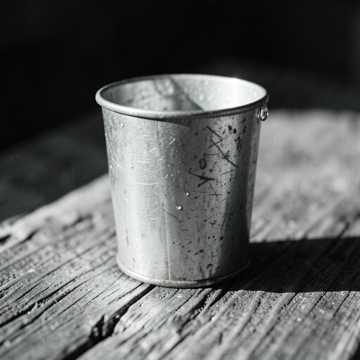
Tin Cup Morning
A warm, mid-tempo country blues journey that evokes a quiet morning on a dusty porch. Brushed piano, low guitar, wandering harmonica, walking bass, and brief saxophone calls create an unhurried, nostalgic groove.
03:36
2026-08-10
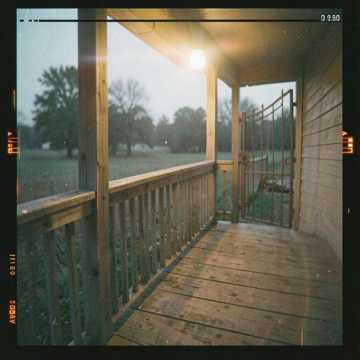
Backroad Morning
A devoted couple leaves hardship behind with little more than faith, music, and a half-full tank. Its intimate roadside images grow into a communal promise: love makes an uncertain journey feel survivable, hopeful, and wide open.
03:11
2026-08-10
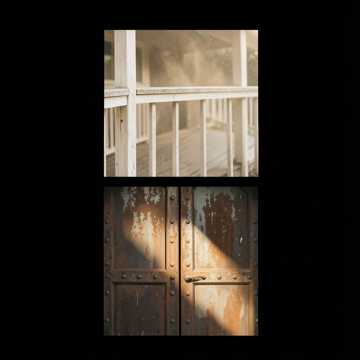
Battle of Athens
A weathered country protest anthem recounting Athens, Tennessee's fight against election corruption. Returning veterans challenge a stolen count, face entrenched power, and help restore the public vote through grit, collective resolve, and an unshakable demand for truth.
03:37
2026-08-10

Papers
A vulnerable narrator writes letters because face-to-face confession feels impossible. Each page carries hurt, desire, and truth, while sparse blues instrumentation and a wounded vocal transform private longing into a heartfelt, trembling plea.
05:04
2026-08-08
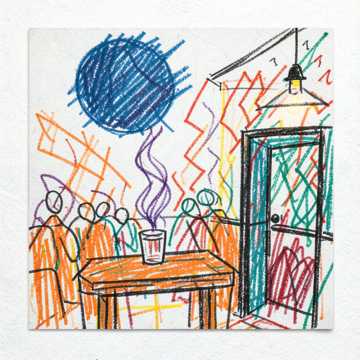
See You In The Morning Andy
A rowdy bar-room narrator watches Andy’s six months of sobriety unravel during one tempting night. Bluegrass textures and80s-rock force turn the relapse into a catchy, communal singalong that balances teasing humor with melancholy.
04:30
2026-08-08
Introduction to the Harmonica: Definition and History
The harmonica, also known as a mouth organ or blues harp, is a small, hand-held wind instrument played by blowing air into or drawing air out of reeds using the mouth. Each reed is tuned to produce a different note. The harmonica has a rich history that dates back to ancient China, where a similar instrument called the 'Sheng' was used. The modern harmonica, however, was developed in Europe in the early 19th century. It gained popularity in America in the 20th century, particularly in the blues and folk music scenes. The harmonica's portability and unique sound made it a favorite among travelers and musicians alike. Over the decades, it has evolved from a simple folk instrument into a versatile tool used across various music genres, from blues and country to jazz and rock.
Sub-tags and Classifications of the Harmonica
Diatonic Harmonica
The diatonic harmonica is the most common type, typically used in blues, rock, country, and folk music. It is designed to play in a specific key and features a straightforward, simple design with ten holes, each containing a blow and draw reed. Musicians can bend notes by changing the air pressure, which allows for expressive playing and the distinctive 'wailing' sound characteristic of blues harmonica.
Chromatic Harmonica
The chromatic harmonica features a button-activated sliding bar that directs air to two separate reed plates, allowing the player to access all the notes of the chromatic scale. This makes it more versatile for playing jazz, classical music, and other styles that require a full range of notes. The chromatic harmonica is larger than the diatonic and can be more challenging to master due to its complex mechanics.
Tremolo Harmonica
The tremolo harmonica has pairs of reeds for each note, with one slightly sharp and the other slightly flat. This design creates a unique 'tremolo' effect, where the pitch fluctuates slightly, giving the music a warbling sound. Tremolo harmonicas are popular in folk music, particularly in Asia and Europe, and are often used in ensemble playing.
Octave Harmonica
The octave harmonica is similar to the tremolo harmonica but features reeds that are tuned one octave apart instead of slightly sharp and flat. This creates a fuller, richer sound and is commonly used in traditional and folk music settings. The octave harmonica's sound is robust and organ-like, making it suitable for melodies and accompaniment.
Bass Harmonica
The bass harmonica is a larger, lower-pitched instrument often used in ensemble settings to provide bass lines. It features a deeper, resonant sound and is not commonly used for solo performances but adds a unique layer to harmonica orchestras and harmonica ensembles.
Famous Harmonica Artists and Iconic Works
Little Walter
Little Walter was a pioneering blues harmonica player who brought the instrument to the forefront of Chicago blues music in the 1950s. His innovative use of amplification transformed the harmonica into a lead instrument. His representative works, such as 'Juke' and 'My Babe,' showcase his powerful playing style and creative use of the harmonica, influencing countless musicians who followed.
Juke by Little Walter
'Juke' is a classic blues harmonica instrumental that showcases Little Walter's virtuosic playing and innovative use of amplification. The song's driving rhythm and expressive bending techniques make it a quintessential piece in the blues harmonica repertoire. 'Juke' became a chart-topping hit and remains a benchmark for harmonica players.
Toots Thielemans
Toots Thielemans was a Belgian jazz musician widely regarded as one of the greatest harmonica players in history. Known for his smooth, lyrical style, Thielemans brought the harmonica into the jazz genre, collaborating with legends like Charlie Parker and Quincy Jones. His famous works include 'Bluesette,' a jazz standard that highlights his skillful harmonica playing and his ability to seamlessly integrate the instrument into a jazz ensemble.
Bluesette by Toots Thielemans
'Bluesette' is a jazz standard composed and performed by Toots Thielemans. The piece is notable for its use of the harmonica in a jazz context, combining swing rhythms with lyrical, melodic lines. 'Bluesette' has been covered by numerous artists and remains a favorite in jazz circles for its innovative use of the harmonica.
Stevie Wonder
Stevie Wonder, an American singer, songwriter, and multi-instrumentalist, has used the harmonica extensively in his music, adding a unique flavor to his compositions. Songs like 'Isn't She Lovely' and 'For Once in My Life' feature Wonder's distinctive harmonica solos, blending pop, soul, and blues influences. His contributions have helped popularize the harmonica in mainstream music.
Isn't She Lovely by Stevie Wonder
This iconic song features Stevie Wonder's harmonica playing, adding a bright, joyful layer to the music. The harmonica solo is both melodic and expressive, perfectly complementing Wonder's vocal performance. 'Isn't She Lovely' is an excellent example of how the harmonica can enhance pop music, providing a unique tonal quality that enriches the overall sound.
Sonny Boy Williamson II
Sonny Boy Williamson II, also known as Rice Miller, was a key figure in the blues harmonica tradition. His innovative playing and vocal style were influential in the development of modern blues. Notable works include 'Help Me' and 'Bring It On Home,' which demonstrate his unique phrasing and ability to convey deep emotion through the harmonica.
Application Scenarios for Harmonica Music
The harmonica is often used in movie soundtracks to evoke a sense of nostalgia, loneliness, or rural Americana. Its distinctive sound can add emotional depth to a scene, making it a popular choice in westerns, dramas, and independent films. For example, Ennio Morricone's use of the harmonica in 'Once Upon a Time in the West' creates a haunting, memorable motif that underpins the film's dramatic tension.
Movie Soundtracks
In advertising, the harmonica is frequently used to convey a sense of authenticity, simplicity, and down-to-earth charm. Its folksy, relatable sound can enhance commercials for products like cars, food, or outdoor gear, connecting with audiences on a personal level. The harmonica's ability to cut through other sounds makes it an excellent choice for memorable jingles and background music.
Advertising Music
Video game soundtracks often use harmonica music to set the mood or atmosphere, especially in games with western, rural, or post-apocalyptic themes. The harmonica's ability to evoke a sense of isolation or adventure makes it ideal for enhancing the player's immersive experience. Games like 'Red Dead Redemption' use harmonica music to transport players to the rugged landscapes of the American frontier.
Game Background Music
Harmonica music is a staple in live performances, from blues clubs to large music festivals. The harmonica's portability and ability to cut through other instruments make it a dynamic choice for solos and improvisations. Its versatility allows it to blend with various music genres, providing unique opportunities for collaboration between artists.
Live Performances