Free isolation Music Generator Powered by AI
Turn text into high-quality isolation music effortlessly – no login required!

music.toolTips
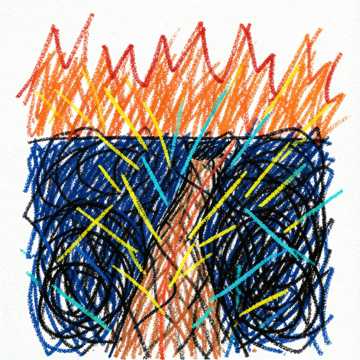
Over For Now
A raw, stream-of-consciousness confession about depression, mania, substance misuse, loneliness, anger, and suicidal ideation. Amid emotional chaos, the narrator holds onto parenthood, creativity, and the possibility of recovery, ending with exhausted uncertainty rather than resolution.
03:26
2026-09-09
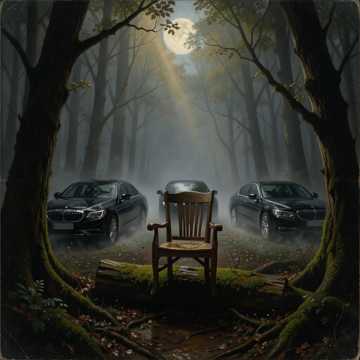
Bbbhhhhh
A manipulative recluse is forced into a midnight therapy session by an enigmatic family. Through calm questions and psychological pressure, his defenses collapse, revealing that no forest, mask, or invented story can silence the guilt inside him.
03:19
2026-09-09
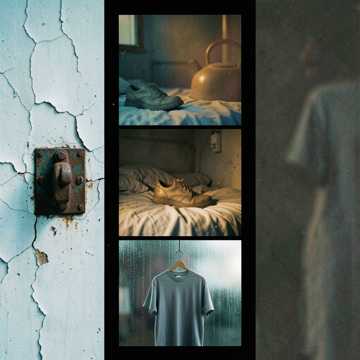
What the Fire Could Not
A wounded narrator confronts abandonment, poverty, and fear while discovering that survival itself is an act of defiance. Through stark imagery and swelling alternative rock, the song moves from barely holding on toward claiming a small, hard-won life that hardship could not destroy.
04:20
2026-09-07
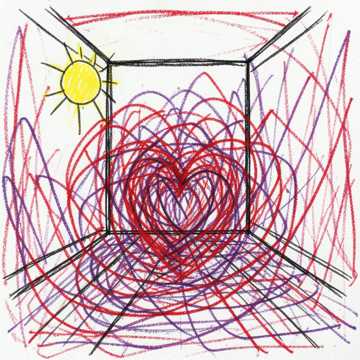
Nikogo nie ma 5
Utwór przedstawia samotność ukrytą pod pozorem niezależności. Bohater może żyć bez ograniczeń, lecz cisza pustego mieszkania i brak bliskości zmuszają go do pytania, czy wybrał wolność, czy został przez samotność.
03:28
2026-09-07
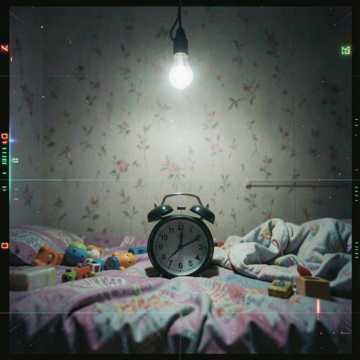
Nikogo nie ma 4
Utwór pokazuje samotność ukrytą pod pozorami niezależności. Bohater może żyć bez ograniczeń, lecz brak telefonu, światła w przedpokoju i czyjejś obecności sprawia, że wolność zaczyna boleć. Powracające pytanie o wybór lub odrzucenie nadaje tekstowi gorzki, introspektywny charakter.
03:09
2026-09-07
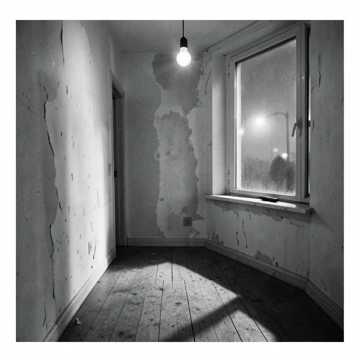
Nikogo nie ma 2
Utwór opowiada o człowieku, który może żyć bez ograniczeń, lecz odkrywa, że brak zobowiązań często oznacza także brak bliskości. Wolność zostaje skonfrontowana z ciszą, pustym mieszkaniem i samotnością, której nie da się zagłuszyć niezależnością.
03:25
2026-09-07
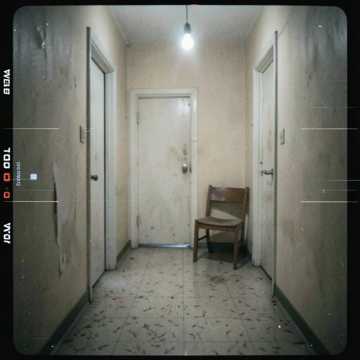
Nikogo nie ma 1
Utwór przedstawia samotność ukrytą pod pozorem niezależności. Bohater może żyć bez ograniczeń, lecz brak bliskości, oczekiwania i rozmowy sprawia, że wolność zaczyna przypominać pustkę. Refren powraca jak obsesyjne pytanie: czy samotność została wybrana, czy sama wybrała bohatera?
03:03
2026-09-07
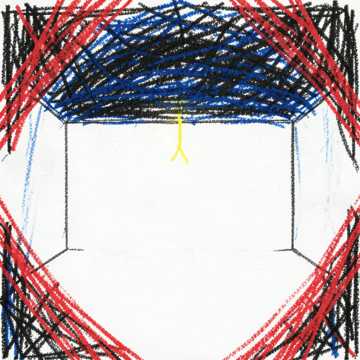
Nikt cię nie budzi 4
Utwór ukazuje samotność ukrytą pod pozorem niezależności. Bohater może żyć bez ograniczeń, lecz brak bliskości, oczekiwania i rozmowy sprawia, że wolność zaczyna ciążyć. Mroczny, agresywny trap wzmacnia konflikt między świadomym wyborem a bolesnym opuszczeniem.
03:41
2026-09-07

Nikt cię nie budzi 3
Utwór przedstawia samotność ukrytą pod pozorem niezależności. Bohater może żyć bez ograniczeń, lecz cisza pustego mieszkania, brak bliskości i nieodebrane powiadomienia zmuszają go do pytania, czy wybrał wolność, czy został przez nią skazany na samotność.
03:12
2026-09-07
Nikt cię nie budzi 2
Utwór przedstawia życie bez zobowiązań, które początkowo wygląda jak wolność, lecz z czasem ujawnia swoją samotną cenę. Bohater mierzy się z ciszą pustego mieszkania, brakiem bliskości i pytaniem, czy samotność była jego wyborem, czy losem.
03:10
2026-09-07
Samotność czy wolność 2
Utwór pokazuje samotne życie jako pozorną wolność: brak zobowiązań daje swobodę, lecz z czasem cisza, puste mieszkanie i brak bliskości ujawniają emocjonalny koszt niezależności.
03:28
2026-09-07
Samotność czy wolność
Utwór przedstawia granicę między wolnością a samotnością. Bohater cieszy się brakiem zobowiązań, lecz z czasem odkrywa, że cisza, pusty telefon i brak kogoś bliskiego mogą ważyć więcej niż niezależność.
03:14
2026-09-07
صورت سنگی
صورت سنگی بر تصویری نمادین از چهرهای بیاحساس و خاموش تکیه دارد؛ اثری تاریک و سینمایی درباره پنهانکردن درد، ایستادگی در برابر فروپاشی و فاصله میان ظاهر سرد و احساسات عمیق درونی.
03:34
2026-09-07
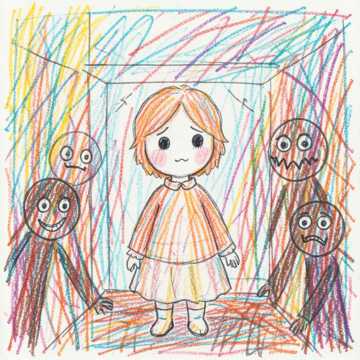
Porcelain Doll
A fragile porcelain doll narrates life under someone else’s control, revealing hidden emotional wounds behind a blank expression. Haunting vocals, distorted music-box tones, eerie synths, and heavy guitars transform the dollhouse image into a dark portrait of abuse, isolation, and suppressed identity.
04:35
2026-09-06
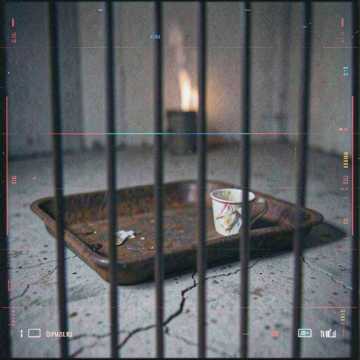
Purging the Filth - Caged in a cell
A prisoner fights psychological collapse inside an isolating cell, where routine, silence, and unseen guards intensify the pain. Through furious riffs and melancholy, the narrator clings to identity, connection, and the hope that someone will find them before they disappear.
04:28
2026-09-06
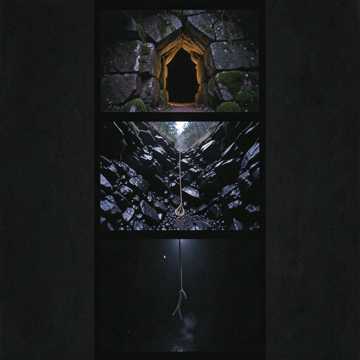
rabit hole
A vulnerable narrator revisits a painful mental struggle, feeling pulled into darkness while fighting to remain grounded. Through confessional verses and an urgent chorus, the song transforms fear, isolation, and emotional relapse into a plea for connection, survival, and hope.
03:20
2026-09-06

صمتنا المزامَن
تروي الأغنية حكاية امرأة تحب بصدق، لكنها تخشى عواقب الاعتراف والاقتراب. وبين شوق يشتعل وخوف من الانكسار، تختار الانسحاب الهادئ، تاركة خلفها مشاعر عميقة تعجز عن الموت.
03:23
2026-09-06

Can you see him
A troubled narrator searches for the compassionate, free person buried beneath anger and emotional exhaustion. Through pleas, memories, and fractured self-reflection, the song confronts isolation, mental instability, and the hope of recovering a lost identity.
06:13
2026-09-06
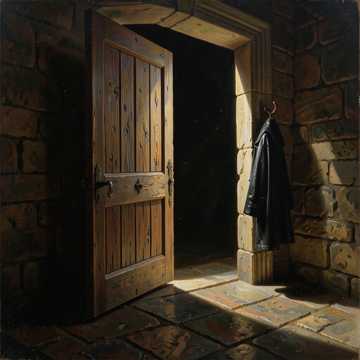
Glass Door Fear
Glass Door Fear portrays anxiety as a constant companion that shapes daily routines, relationships, and survival instincts. Through intimate verses, an expansive chorus, and a half-time bridge, the song captures the exhausting contrast between appearing composed and living with relentless inner alarm.
03:50
2026-09-06
The Silent Fool
'The Silent Fool' explores the tragic duality of a public performer hiding deep internal agony behind a cheerful facade. Blending dark, reflective lyricism with energetic hip-hop beats, the song captures the agonizing isolation of suffering in silence while entertaining an unwitting audience.
03:03
2026-09-06
Introduction to Isolation: A Core Music Tag
Isolation as a music tag refers to compositions that evoke feelings of solitude, detachment, and introspection. It often includes minimalistic soundscapes, ambient textures, and melancholic melodies. The concept of isolation in music has roots in early 20th-century experimental music, particularly in the works of composers who sought to explore the emotional impact of sparse, desolate sound environments. Over time, it evolved with the advent of electronic music and has become a significant theme in various genres, including ambient, post-rock, and contemporary classical music.
Sub-tags and Classifications of Isolation in Music
Ambient Isolation
This sub-tag focuses on ambient music that creates an immersive, solitary sound experience. It often utilizes drone-like tones, subtle shifts in texture, and a slow pace to evoke a sense of isolation. Artists like Brian Eno have popularized this style, emphasizing the space between notes and the atmosphere created by the sound.
Minimalist Isolation
Minimalist Isolation involves a stripped-down approach to composition, using repetitive motifs and limited instrumentation to convey a sense of loneliness and introspection. Pioneers of minimalism like Philip Glass have contributed to this sub-tag, where the simplicity of the music underscores the emotional weight of isolation.
Isolation in Post-Rock
Post-rock bands often incorporate themes of isolation into their music, using dynamic contrasts and expansive, atmospheric soundscapes. The genre's emphasis on instrumental passages allows for a deep exploration of solitary emotions, with bands like Godspeed You! Black Emperor and Sigur Rós leading the charge.
Isolation in Experimental Electronic Music
This classification explores how isolation is depicted through avant-garde electronic music. Artists in this sub-tag use unconventional sound sources, fragmented rhythms, and dissonant harmonies to create an unsettling, isolated auditory experience. The works of Aphex Twin and Autechre exemplify this approach.
Famous Artists and Works Related to Isolation
Brian Eno
A pioneer of ambient music, Brian Eno's work has been foundational in shaping the 'Ambient Isolation' sub-tag. His album 'Music for Airports' is a seminal work that creates a serene yet solitary listening experience, embodying the essence of isolation in music.
Music for Airports by Brian Eno
Released in 1978, 'Music for Airports' is a pioneering ambient album that encapsulates the feeling of isolation through its use of serene, slowly evolving soundscapes. The album's minimalism and repetitive motifs create a calming yet solitary listening experience, making it a cornerstone of the 'Ambient Isolation' sub-tag.
Philip Glass
Philip Glass, a minimalist composer, has profoundly influenced the 'Minimalist Isolation' sub-tag. His compositions, such as 'Glassworks,' use repetitive structures to evoke a meditative, isolated state, showcasing the power of minimalism in expressing solitude.
Glassworks by Philip Glass
'Glassworks,' released in 1981, is a quintessential example of minimalist isolation. The album's repetitive structures and sparse instrumentation evoke a meditative, introspective state, demonstrating how minimalism can effectively express feelings of solitude and detachment.
Godspeed You! Black Emperor
This post-rock band is renowned for its expansive, instrumental soundscapes that often explore themes of dystopia and isolation. Their album 'F♯ A♯ ∞' is a classic work that immerses listeners in a world of desolation and loneliness.
F♯ A♯ ∞ by Godspeed You! Black Emperor
This 1997 album is a landmark in post-rock, known for its dark, apocalyptic themes and expansive, instrumental compositions. The music's slow builds, dynamic contrasts, and atmospheric layers create a profound sense of isolation, making it a classic work in this genre.
Aphex Twin
Aphex Twin, a leading figure in experimental electronic music, has explored isolation through dissonant and fragmented soundscapes. His album 'Selected Ambient Works Volume II' is a profound exploration of solitude, using unconventional sounds to create a haunting, isolated atmosphere.
Selected Ambient Works Volume II by Aphex Twin
Released in 1994, this album is a seminal piece in experimental electronic music, pushing the boundaries of how isolation can be conveyed sonically. The use of dissonance, unconventional sound sources, and eerie atmospheres creates an unsettling yet fascinating exploration of solitude.
Application Scenarios for Isolation Music
Isolation music is frequently used in movie soundtracks to underscore scenes of solitude, introspection, or desolation. Its ability to evoke deep emotions with minimalistic and ambient soundscapes makes it ideal for enhancing the atmosphere in films, particularly in dramas and psychological thrillers.
Movie Soundtracks
In advertising, isolation music can be used to create a reflective or contemplative mood, particularly in campaigns focused on themes like personal journey, mindfulness, or emotional depth. The subtlety and emotional resonance of this music make it effective in connecting with viewers on a deeper level.
Advertising Music
Isolation music plays a critical role in video games, especially in genres like survival horror, where creating an atmosphere of loneliness and tension is key. The use of ambient and minimalist soundscapes helps immerse players in the game's world, enhancing the emotional impact of the gameplay.
Game Background Music
Due to its calming and introspective qualities, isolation music is often used in meditation and relaxation settings. The minimalistic and ambient nature of this music helps create a peaceful environment conducive to deep thought, relaxation, and mindfulness practices.
Meditation and Relaxation