Free muwashshah Music Generator Powered by AI
Turn text into high-quality muwashshah music effortlessly – no login required!

music.toolTips

أبانا
أبانا هو ترنيمة صلاة تتوسل إلى الله بالقداسة والغفران، تقدم عبر أداء صوتي بطيء وواضح ضمن أسلوب الموشحات العربية، مفعم بالخشوع والروحانية.
01:10
Invalid date

أبانا
أبانا يقدم صلاة روحانية متأملة، يرفع القلوب بخشوع ودعاء، مع أداء صوتي بطيء وواضح على نمط الموشّح والمقامات العربية.
01:11
Invalid date

أبانا
This song is a spiritual prayer, invoking the Lord’s blessings, forgiveness, and protection. Set in Muwashshah style, its slow tempo and beautiful vocal recitation create an atmosphere of reverence and serenity.
01:14
Invalid date

لا تصالح
A reflective song exploring the essence of childhood memories, familial love, and emotional resilience, with a focus on the irreplaceable nature of genuine connections over material wealth.
01:15
Invalid date

لا تصالح
عمل غنائي مستلهم من الشعر العربي العميق يرفض المساومة على الكرامة والدم. يستحضر ذكريات الطفولة والعلاقة الأخوية ليطرح سؤالاً أخلاقياً حاداً: هل يمكن للذهب أن يشتري الذاكرة أو يمحو الدم؟ أداء صوتي خالص يعزز قوة الكلمات.
01:18
Invalid date

Act of Remembrance
A profound choral tribute honoring the memory of those lost, emphasizing timeless respect and solemn reflection through evocative Muwashshah melodies.
00:45
Invalid date
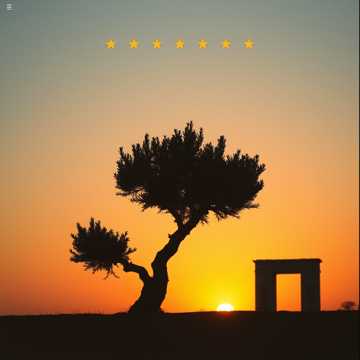
Act of Remembrance
A solemn Muwashshah honoring the fallen, using all-male vocals to evoke reflection, remembrance, and the enduring respect of those who remain.
00:40
Invalid date
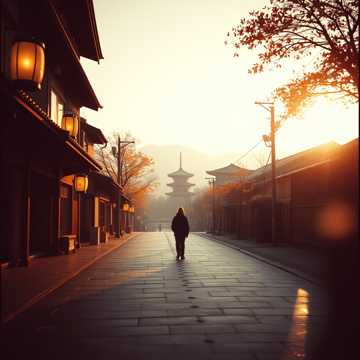
“Steps Through Kyoto” (Nasheed)
A reflective Nasheed capturing spiritual serenity through Kyoto's streets, blending contemplative lyrics with Muwashshah-inspired male vocals to evoke peace, gratitude, and divine connection.
04:30
Invalid date

“Steps Through Kyoto”
A reflective spiritual travel song where a lone wanderer walks through Kyoto’s temples, gardens, and mountains. The journey awakens gratitude and remembrance of God, turning each step into praise and every landscape into a sign of peace, mercy, and quiet devotion.
03:22
Invalid date
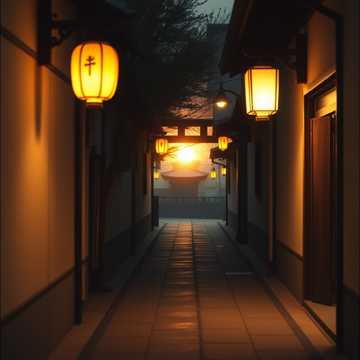
“Steps Through Kyoto” (Nasheed)
A serene nasheed that explores the peaceful, spiritual journey through Kyoto’s ancient streets and landscapes, reflecting gratitude, tranquility, and connection to the divine.
03:44
Invalid date
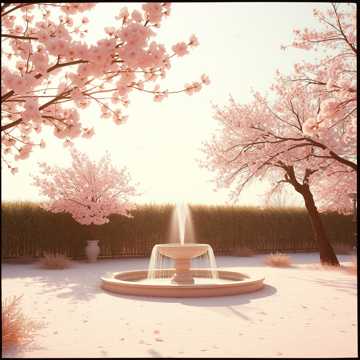
Spring poem
A poetic spring song blending Muwashshah melodic tradition with youthful male vocals. The lyrics celebrate renewal, blossoms, and the quiet rebirth of nature, portraying spring as a gentle awakening where color, warmth, and hope slowly return to the earth.
01:18
Invalid date
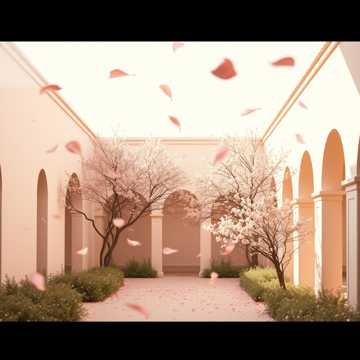
Spring poem
Spring Poem is an AI-generated composition that captures the serene awakening of nature, painting vivid imagery of spring's arrival with delicate, soothing vocals and lush descriptions of blossoms, branches, and the sun's nurturing warmth.
01:40
Invalid date

Spring poem
A serene celebration of spring's arrival, where nature awakens with gentle melodies, blossoming flowers, and a sense of renewal. The song paints a vivid picture of the season's beauty, framed by child vocals and Muwashshah-style poetry.
00:58
Invalid date
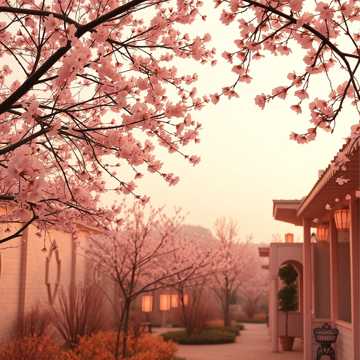
Spring poem
A poetic celebration of spring's gentle arrival, where nature awakens in color and light, expressed through intricate Arabic rhythms and male vocal artistry.
00:34
Invalid date

Spring poem
A serene celebration of spring, painting nature's awakening with soft, drifting petals and tender sunlight, expressed through the classical Muwashshah style with rich male vocals.
01:22
Invalid date

Spring poem
A serene celebration of spring's awakening, capturing nature's gentle beauty and renewal through soft male vocals in a Muwashshah style.
01:15
Invalid date

Peace
A spiritually uplifting Muwashshah sung entirely by male voices, invoking blessings upon Prophet Muhammad with intricate Maqamat melodies, fostering a profound sense of peace and devotion.
00:53
Invalid date

يا يجانجل يا مجانجل
A vibrant Arabic piece combining playful folk expressions with the spiritual depth of Muwashshah and Tajweed, sung entirely by male voices in traditional maqamat, evoking joy and cultural nostalgia.
00:49
Invalid date

يا يجانجل يا مجانجل
A mystical Arabic piece blending traditional Muwashshah melodies with evocative male vocals, exploring playful and curious exchanges through poetic phrasing.
00:42
Invalid date

يا يجانجل يا مجانجل
A slow, melodic Muwashshah exploring playful dialogue and local imagery, sung with clear, expressive male voices that evoke nostalgia and communal warmth.
00:37
Invalid date
Muwashshah: Detailed Introduction and Historical Overview
Muwashshah is a classical Arabic musical form that combines poetry and music in a structured and highly artistic manner. Originating in Al-Andalus (medieval Muslim Spain) around the 9th and 10th centuries, Muwashshah developed as a sophisticated poetic and musical style characterized by its intricate rhyme schemes and rhythmic patterns. Unlike traditional qasida, Muwashshah uses strophic structures and often ends with a refrain, allowing for melodic repetition and ornamentation. Historically, it served as a bridge between Arabic classical music and Andalusian folk traditions, influencing the evolution of North African and Middle Eastern musical styles. The term 'Muwashshah' itself means 'girdled' or 'ornamented,' reflecting the layered and embellished nature of its composition.
Muwashshah Sub-tags and Classifications: Exploring Musical Variations
Traditional Andalusian Muwashshah
This sub-tag represents the classical form of Muwashshah as it emerged in Al-Andalus. It is characterized by its strict adherence to Arabic poetic meters, intricate rhyme structures, and the use ofMuwashshah Detailed Overview traditional instruments such as the oud, qanun, and darbuka. Traditional Andalusian Muwashshah often includes both sung poetry and instrumental interludes, creating a highly refined musical experience.
Modern Adaptations of Muwashshah
Modern adaptations integrate Muwashshah with contemporary music styles, including orchestral arrangements and fusion with Western instruments like the violin or piano. This classification emphasizes innovation while maintaining the original poetic and melodic structures, allowing Muwashshah to reach a broader audience in concerts, recordings, and media productions.
Regional Variations
Muwashshah evolved differently across regions, giving rise to distinct regional styles. For instance, Moroccan Muwashshah emphasizes rhythmic complexity and vibrant instrumental accompaniment, while Syrian Muwashshah is known for its melodic elegance and vocal ornamentation. Each regional variation preserves the essence of the form while reflecting local cultural influences.
Famous Artists and Iconic Works of Muwashshah
Munir Bashir
Munir Bashir, renowned for his mastery of the oud, contributed to the revival and international recognition of Muwashshah. His recordings often feature both classical and modern interpretations of Muwashshah, showcasing intricate melodic improvisations and deep emotional expression.
Lamma Bada Yatathanna
This iconic Muwashshah piece exemplifies the traditional Andalusian structure, featuring a strophic form with a recurring refrain. The composition is noted for its expressive melodic lines, intricate rhythms, and the interplay between vocal and instrumental passages. 'Lamma Bada Yatathanna' remains a cornerstone for both performers and scholars of Muwashshah music.
Fairuz
Fairuz, the legendary Lebanese singer, popularized Muwashshah in the 20th century through her lyrical and emotive vocal performances. She brought Muwashshah to contemporary audiences by blending traditional melodies with orchestral arrangements.
Ya Ritaj Al-Hawa
A celebrated Syrian Muwashshah, 'Ya Ritaj Al-Hawa' highlights regional variation through its elegant vocal ornamentation and rich melodic textures. The piece demonstrates how Muwashshah can evoke profound emotional resonance while adhering to complex poetic structures.
Ibrahim al-Khalil
Ibrahim al-Khalil, a prominent Syrian Muwashshah performer, is celebrated for his precise vocal articulation and interpretation of classic Andalusian texts. His work emphasizes the melodic and rhythmic subtleties of Muwashshah, preserving its traditional essence.
Al-Atlal
Although modern in composition, 'Al-Atlal' incorporates traditional Muwashshah elements, blending classical strophic forms with contemporary orchestration. The work exemplifies the adaptability of Muwashshah, preserving its poetic and musical integrity while appealing to modern audiences.
Application Scenarios for Muwashshah Music
Muwashshah music is frequently used in film soundtracks to evoke historical or cultural atmospheres, particularly in productions set in Andalusian or Middle Eastern contexts. Its intricate melodies and emotional depth enhance the cinematic experience.
Film Soundtracks
Advertisers and TV producers utilize Muwashshah to convey sophistication and cultural authenticity. Its melodic richness and rhythmic patterns make it ideal for background music that draws attention while maintaining a refined tone.
Television and Advertising
Game designers incorporate Muwashshah to create immersive soundscapes in historical or fantasy-themed games. The music’s strophic structure and lyrical ornamentation help establish cultural depth and enhance player engagement.
Video Game Background Music
Muwashshah is regularly performed in live concerts and cultural festivals, offering audiences an authentic experience of classical Arabic music. These performances often include both traditional and modern interpretations, showcasing the versatility of the form.
Concert Performances and Cultural Festivals