Free opera Music Generator Powered by AI
Turn text into high-quality opera music effortlessly – no login required!

music.toolTips
Gothic Cyber Reveal
'Gothic Cyber Reveal' fuses dark operatic grandeur with brutal 8-string djent riffs and industrial cyberpunk grooves. It captures an intense high-fashion transformation, blending velvet gothic aesthetic with high-voltage mechanical power for a thrilling, high-energy sonic runway experience.
03:59
2026-09-20
z
This whimsical romantic ballad uses musical instruments as characters to portray lost love, regret, and second chances. After years apart, a horn and violin reunite in the rain, transforming a bittersweet past into a joyful, hopeful new romance.
02:34
2026-09-19
Brancher
Brancher transforme une question absurde en provocation théâtrale. Entre funk, rap et opéra, les voix dénoncent le jugement social et l’ignorance imposée, avant de conclure par un refrain de fuite : une œuvre ludique, insolente et libératrice.
01:31
2026-09-18
Brancher
Une chanson satirique et énergique qui transforme une question volontairement absurde en scène de jugement collectif. Entre funk, rap, opéra et fête, les voix adoptent un ton moqueur, théâtral et enfantin pour dénoncer la peur de poser des questions et l’exclusion qui en découle.
01:09
2026-09-18
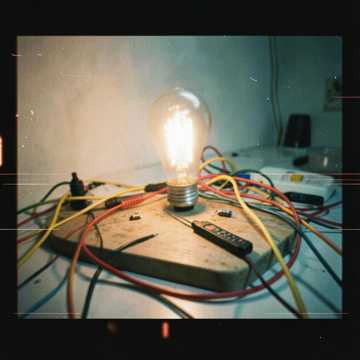
Brancher
Avec son refrain répétitif et absurde, Brancher transforme une question d’électricité en comptine funk-rap théâtrale. Les voix enfantines, le rap et les envolées opératiques créent une ambiance festive et pédagogique, tout en soulignant avec humour la confusion entre un cône et une résistance électrique.
01:03
2026-09-18

Brancher
Un refrain répétitif et malicieux interroge le branchement d’un cône et l’effet électrique d’une résistance. Le mélange funk, rap, opéra et voix enfantine crée une scène pédagogique, absurde et festive, où l’insistance transforme une question technique en ritournelle mémorable.
01:36
2026-09-18
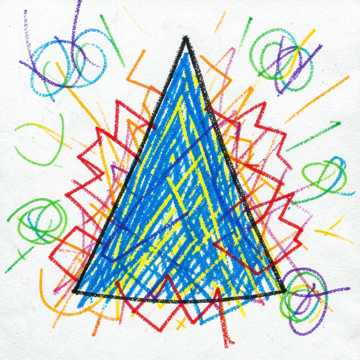
Brancher
Une répétition ludique et volontairement absurde autour du branchement d’une résistance. Le mélange funk, rap, opéra et voix enfantines crée une ambiance festive, humoristique et pédagogique, où la question électrique devient un refrain mémorable.
01:05
2026-09-18
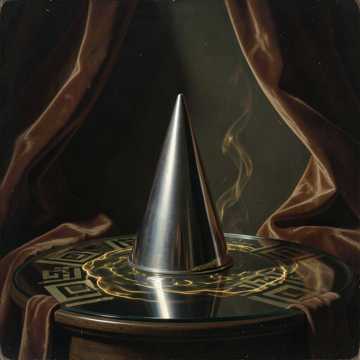
Turbo GPU/CPU
Le morceau explore avec humour les liens entre processeurs, fréquences, cymatique et cryptage. Sa structure répétitive transforme une réflexion technique en manifeste absurde et énergique, porté par une fusion de funk, rap, opéra et voix enfantine.
01:43
2026-09-18
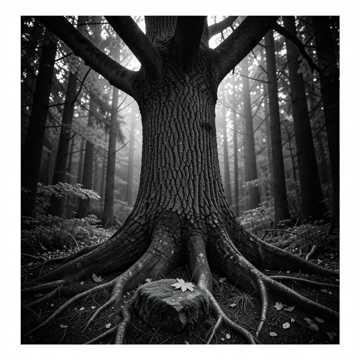
Guardians of the Night
A hauntingly peaceful Kaldorei hymn honoring Elune, ancient forests, druids, Sentinels, and ancestral memory. Through moonlit imagery and ethereal vocals, the song portrays nature as a living guardian whose sacred songs endure across generations.
05:48
2026-09-18
Guardians of the Night
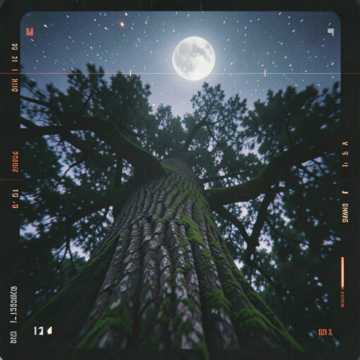
A melancholic, mystical ballad portraying eternal guardians who protect an ancient moonlit forest. Guided by Elune and the wisdom of nature, they endure storms, darkness, and the passage of time, preserving memory and standing watch beneath the stars.
05:15
2026-09-18
Guardians of the Night
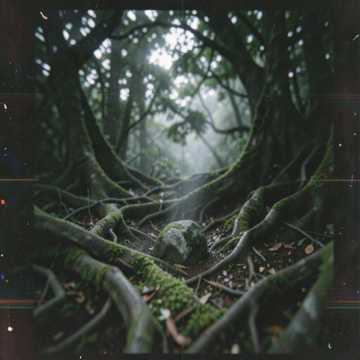
A haunting woodland hymn in which moonlit guardians honor Elune, ancient roots, and the enduring memory of nature. Through darkness, storms, and passing ages, they remain steadfast, transforming solitude and melancholy into spiritual strength, majestic resilience, and eternal devotion to the wild.
04:44
2026-09-18
Guardians of the Night
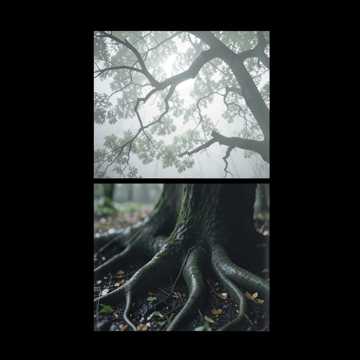
A haunting, majestic anthem about immortal guardians who protect an ancient forest beneath Elune's moonlight. Through melancholic verses, massive choral passages, and orchestral climaxes, the song explores spiritual devotion, ancestral memory, solitude, and the enduring strength of nature across time.
04:53
2026-09-18
Guardians of the Night
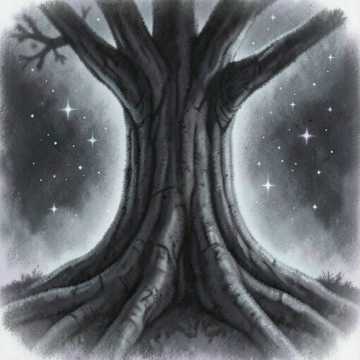
A moonlit forest anthem in which immortal guardians honor Elune, ancient roots, and the wild. Through storms, darkness, and passing ages, their solemn choir promises remembrance, resilience, and eternal protection.
04:48
2026-09-18
Where the Moonlight dwells
A melancholic, majestic ballad in which the Kaldorei honor ancestral memory, sacred forests, and the moon goddess Elune. Through choral voices, violin, and operatic rises, the song transforms grief and historical survival into a solemn vow to protect nature and endure beneath the moonlight.
05:47
2026-09-18
Richard III. 1. Szene-Recitativo-Buckingham
Un solenne recitativo barocco in re minore nello stile di Händel. Una profonda voce di basso incarna la gravità politica di Buckingham, dichiarando con fermezza che il trono appartiene al Re. L'atmosfera è drammatica, regale e carica di tensione storica.
00:29
2026-09-18
Richard III. 1. Szene-Recitativo-Buckingham
Un drammatico recitativo barocco in Sol minore nello stile di Händel. Interpretato da una solenne voce di baritono, il brano esprime con ossessiva gravità la brama di potere e del trono, incarnando perfettamente l'oscura atmosfera della tragedia shakespeariana.
00:50
2026-09-18
Richard III. 1. Szene-Recitativo-Buckingham
Un intenso recitativo barocco in Sol minore nello stile di Händel. La voce da baritono esprime un'oscura brama di potere attraverso la risata e la ripetizione ossessiva della parola 'il trono', catturando perfettamente la perfidia teatrale del Riccardo III.
00:57
2026-09-18

Richard III. 1. Szene-Recitativo-Buckingham
Un breve recitativo in italiano, dominato da un basso maschile profondo e da un’atmosfera barocca in do minore. La domanda esprime deferenza, mistero e tensione politica, come l’inizio di un confronto decisivo nella corte di Riccardo III.
00:24
2026-09-18
Richard III. 1. Szene-Recitativo-Buckingham
Breve scena drammatica in cui Buckingham interroga un signore assorto, ricordandogli che la fortuna gli sorride. Il recitativo in stile handeliano trasforma poche parole in un presagio di potere, inquietudine e intrigo di corte.
00:32
2026-09-18

Richard III. 1. Szene-Recitativo-Buckingham
Breve recitativo teatrale in cui Buckingham chiede a Riccardo perché sia pensieroso, osservando che la fortuna gli sorride. Il basso profondo, il do minore e lo stile barocco suggeriscono un'atmosfera solenne, ambigua e carica di presagi politici.
00:45
2026-09-18
Introduction to Opera: A Timeless Musical Art Form
Opera is a dramatic art form that combines singing, orchestral music, acting, and sometimes dance to tell a story. Originating in Italy during the late 16th century, opera quickly became one of the most influential and enduring forms of Western classical music. Early operas like Jacopo Peri's 'Dafne' and Claudio Monteverdi's 'L'Orfeo' set the stage for the evolution of this art form, which grew to encompass a wide range of styles and national traditions. By the 18th and 19th centuries, opera had established itself across Europe, with major centers in Italy, France, Germany, and Austria. Today, opera continues to captivate audiences worldwide with its powerful combination of music, drama, and visual spectacle.
Sub-tags and Classifications of Opera
Opera Seria
Opera Seria, also known as 'serious opera,' emerged in the early 18th century. It is characterized by its noble and serious themes, often drawn from classical mythology and history. The structure is formal, focusing on the virtuosity of the singers, particularly in the use of da capo arias, which allowed for elaborate vocal embellishments. Composers like George Frideric Handel and Johann Adolf Hasse were prominent figures in this genre.
Opera Buffa
Opera Buffa, or 'comic opera,' developed as a counterpoint to Opera Seria in the mid-18th century. It features light-hearted, humorous stories, typically revolving around everyday characters rather than gods and heroes. The music in Opera Buffa is more straightforward and accessible, with an emphasis on ensemble singing. Wolfgang Amadeus Mozart's 'The Marriage of Figaro' is one of the most celebrated examples of this genre.
Bel Canto
Bel Canto, meaning 'beautiful singing,' refers to a style of opera that flourished in the early 19th century, particularly in Italy. This genre is known for its focus on the beauty and purity of the human voice, with an emphasis on lyrical melodies and expressive phrasing. Composers like Gioachino Rossini, Vincenzo Bellini, and Gaetano Donizetti were masters of the Bel Canto style, creating works that showcase the technical prowess and emotional range of the singers.
Grand Opera
Grand Opera is a genre that developed in France during the 19th century, characterized by its large-scale productions, elaborate sets, and grandiose themes, often involving historical or mythological subjects. The music is typically powerful and dramatic, with an emphasis on spectacle. Composers like Giuseppe Verdi and Richard Wagner created some of the most famous Grand Operas, including 'Aida' and 'Lohengrin.'
Verismo
Verismo, or 'realism,' is a late 19th-century opera genre that sought to depict the everyday lives of ordinary people with a heightened sense of realism and emotional intensity. Verismo operas often focus on passionate, sometimes tragic, stories, with music that is direct and expressive. Key works in this genre include Pietro Mascagni's 'Cavalleria Rusticana' and Ruggero Leoncavallo's 'Pagliacci.'
Famous Artists and Works in Opera
Giuseppe Verdi
Giuseppe Verdi was one of the most important opera composers of the 19th century. His works, such as 'La Traviata,' 'Rigoletto,' and 'Aida,' are celebrated for their emotional depth, memorable melodies, and dramatic power. Verdi's operas have become staples of the opera repertoire, known for their ability to convey intense human emotions.
La Bohème
Composed by Giacomo Puccini, 'La Bohème' is one of the most beloved operas in the world. It tells the story of young bohemians living in Paris, with music that beautifully captures the joys and sorrows of love and life. Puccini's ability to blend lyrical melodies with dramatic narrative has made 'La Bohème' a timeless masterpiece.
Richard Wagner
Richard Wagner was a revolutionary German composer who transformed opera through his concept of the 'Gesamtkunstwerk,' or 'total work of art,' where music, poetry, and stagecraft are fully integrated. His epic works, such as 'The Ring Cycle' and 'Tristan und Isolde,' are known for their complex harmonies, leitmotifs, and innovative use of orchestration.
The Magic Flute
Wolfgang Amadeus Mozart's 'The Magic Flute' is a magical opera that combines fairy tale elements with profound philosophical ideas. Its mix of light-hearted humor, complex characters, and sublime music, including the famous 'Queen of the Night' aria, has made it a favorite among audiences and performers alike.
Maria Callas
Maria Callas was one of the most famous opera singers of the 20th century, renowned for her dramatic interpretations and vocal versatility. Known as 'La Divina,' Callas brought new life to roles in operas by Verdi, Puccini, and Bellini, setting a standard for expressive and passionate opera performance.
Carmen
Georges Bizet's 'Carmen' is a passionate tale of love, jealousy, and betrayal, set in Spain. The opera is famous for its vibrant characters, powerful music, and unforgettable arias, such as the 'Habanera' and the 'Toreador Song.' Despite initial mixed reactions, 'Carmen' has become one of the most frequently performed operas worldwide.
Application Scenarios of Opera Music
Opera music is often used in movie soundtracks to add emotional depth and grandeur to key scenes. For instance, the aria 'Nessun Dorma' from Puccini's 'Turandot' has been featured in numerous films, enhancing the drama and intensity of the moment.
Movie Soundtracks
The powerful and recognizable melodies of opera are frequently used in advertising to evoke a sense of elegance, luxury, or emotional impact. For example, the overture from Rossini's 'William Tell' has been used in commercials to create a sense of excitement and energy.
Advertising Music
In video games, opera music can be used to underscore epic battles, dramatic storylines, or grand environments. The use of orchestral and vocal elements from opera helps to create an immersive and emotionally engaging experience for players.
Game Background Music