Free opera Music Generator Powered by AI
Turn text into high-quality opera music effortlessly – no login required!

music.toolTips

sigue tu camino
Un himno cristiano que invita a agradecer al despertar, abandonar las comparaciones y reconocer el propósito divino. Mediante la historia de Amán, la canción exhorta a mirar el propio corazón, celebrar las bendiciones ajenas y seguir adelante con fe, humildad y esperanza.
04:44
2026-09-05
mi lugar secreto
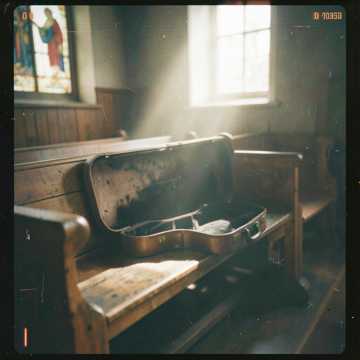
Una oración musical íntima y vulnerable en la que el creyente busca a Jesús en su lugar secreto. Entre lágrimas, silencio y clamor, confía en que Dios conoce el corazón y que el Espíritu Santo ayuda a expresar lo que las palabras no pueden decir.
04:06
2026-09-05
El Cielo Se Hizo Fuego
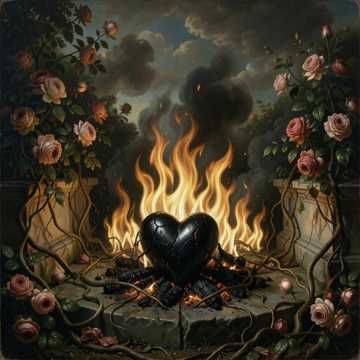
La canción narra la redención de un corazón endurecido gracias a un amor celestial, seguida por una traición que convierte el Edén en fuego y pantano. Sus imágenes dramáticas retratan la pérdida, el arrepentimiento y el contraste entre la felicidad absoluta y el dolor devastador.
03:50
2026-09-04
Royal Slush
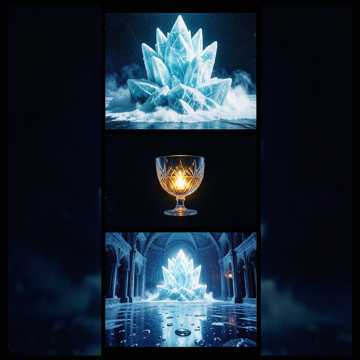
A theatrical ice-court anthem voiced by an arrogant sovereign of slush. Operatic female vocals, choral force, spoken-word commands, and classical drama portray elitism, dominance, and fragile superiority, making the song fit for fantasy villains, parody performances, stage battles, and cinematic character themes.
05:45
2026-09-02

Royal Slush
Royal Slush portrays an imperious ruler of an icy beverage kingdom who dismisses ordinary drinks and demands absolute reverence. Through operatic vocals, choral grandeur, spoken-word commands, and dramatic repetition, the song transforms arrogance, elitism, and theatrical dominance into a surreal frozen-throne spectacle.
04:30
2026-09-02

Morning Phantom
Morning Phantom follows a man who awakens from a dream of intimate reunion, only to find himself alone. Through romantic rock and operatic intensity, the song explores desire, grief, memory, and the lingering warmth of love after reality returns.
05:48
2026-09-02
The Poet
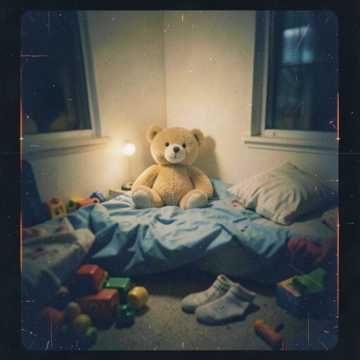
A humorous bedtime song follows Jacob and Noah toward sleep while Isaac disrupts the routine with endless questions, puns, and requests. Its energetic call-and-response chaos gradually softens into a warm, reassuring lullaby before ending with one final joke.
04:28
2026-09-01
The Poet
A lively, theatrical bedtime song transforms bedtime resistance into an interactive family ritual. Jacob and Noah answer energetic call-and-response prompts before the music gently settles into reassurance, cuddles, imagination, and peaceful goodnight wishes.
03:27
2026-09-01
The Poet
A lively yet tender bedtime anthem for Jacob and Noah. Its call-and-response chorus, playful countdown, dramatic vocal layers, and gentle final verse transform bedtime resistance into a joyful family ritual before settling into peaceful dreams.
03:48
2026-09-01
The Poet
The Poet is a warm, theatrical bedtime song that turns routine into joyful performance. Its energetic call-and-response celebrates Jacob and Noahie, while playful resistance gradually gives way to soothing reassurance. Disco techno momentum, gospel participation, operatic emphasis, and R&B warmth create a memorable family ritual before sleep.
04:21
2026-09-01
The Poet
The song turns bedtime into an energetic call-and-response adventure, playfully coaxing Jacob and Noahie from excitement to sleep. Its lively verses, gospel-style chorus, counting build, and gentle outro create a warm family ritual that ends in reassurance, dreams, and peaceful goodnight wishes.
03:37
2026-09-01

The Poet
The Poet is a high-energy dance anthem built around Jacob and Noahie, using gospel call-and-response, disco techno rhythms, R&B vocals, and operatic intensity to create a communal celebration filled with movement, audience participation, rising energy, and all-night excitement.
04:47
2026-09-01
The Poet
A gifted writer who can articulate anything except his deepest love loses the person closest to him. Blending techno momentum, gospel intensity, operatic drama, and country-bluegrass vocals, The Poet turns silence, regret, and belated confession into a deeply emotional farewell.
06:30
2026-09-01
The Poet
A reflective poet recalls losing someone he loved because he kept searching for perfect words instead of speaking honestly. Through intimate memories and unanswered questions, the song explores emotional avoidance, missed chances, regret, and the painful realization that love cannot wait forever.
06:42
2026-09-01
The Poet
A gifted writer loses the person he loves because he keeps searching for perfect words instead of speaking honestly. After the relationship ends, every sentence comes easily, but too late. The song explores regret, emotional avoidance, communication, and the painful distance between feeling and expression.
06:34
2026-09-01
The Poet
A self-aware poet struggles to express his love, hiding behind clever lines while every thought leads back to one person. As separation deepens, language fails him, transforming the song into a vulnerable confession about longing, surrender, silence, and the heart behind the words.
06:42
2026-09-01
The Poet
A gifted writer can craft elegant lines about anything except his own love and loss. As memories of a departed partner overtake every page, he realizes that silence may reveal more truth than poetry ever could.
06:38
2026-09-01
The Poet
'The Poet' captures the emotional journey of an articulate lyricist rendered speechless by profound love. Blending indie vulnerability with dramatic genre fusion, the song explores how true affection transcends clever wordplay, turning silence and shared hearts into the ultimate form of expression.
07:06
2026-09-01
The Poet
A once-articulate poet discovers that love has made him speechless. Through crossed-out pages, shifting meanings, and intimate wordplay, he realizes his beloved has not only taken his heart but transformed the language he uses to understand love.
06:49
2026-09-01

The Poet
The song follows a poet who can describe everything except his own heart. After falling in love, language fails him, as the person he loves transforms the meaning of home, forever, silence, and every word he once possessed.
05:59
2026-09-01
Introduction to Opera: A Timeless Musical Art Form
Opera is a dramatic art form that combines singing, orchestral music, acting, and sometimes dance to tell a story. Originating in Italy during the late 16th century, opera quickly became one of the most influential and enduring forms of Western classical music. Early operas like Jacopo Peri's 'Dafne' and Claudio Monteverdi's 'L'Orfeo' set the stage for the evolution of this art form, which grew to encompass a wide range of styles and national traditions. By the 18th and 19th centuries, opera had established itself across Europe, with major centers in Italy, France, Germany, and Austria. Today, opera continues to captivate audiences worldwide with its powerful combination of music, drama, and visual spectacle.
Sub-tags and Classifications of Opera
Opera Seria
Opera Seria, also known as 'serious opera,' emerged in the early 18th century. It is characterized by its noble and serious themes, often drawn from classical mythology and history. The structure is formal, focusing on the virtuosity of the singers, particularly in the use of da capo arias, which allowed for elaborate vocal embellishments. Composers like George Frideric Handel and Johann Adolf Hasse were prominent figures in this genre.
Opera Buffa
Opera Buffa, or 'comic opera,' developed as a counterpoint to Opera Seria in the mid-18th century. It features light-hearted, humorous stories, typically revolving around everyday characters rather than gods and heroes. The music in Opera Buffa is more straightforward and accessible, with an emphasis on ensemble singing. Wolfgang Amadeus Mozart's 'The Marriage of Figaro' is one of the most celebrated examples of this genre.
Bel Canto
Bel Canto, meaning 'beautiful singing,' refers to a style of opera that flourished in the early 19th century, particularly in Italy. This genre is known for its focus on the beauty and purity of the human voice, with an emphasis on lyrical melodies and expressive phrasing. Composers like Gioachino Rossini, Vincenzo Bellini, and Gaetano Donizetti were masters of the Bel Canto style, creating works that showcase the technical prowess and emotional range of the singers.
Grand Opera
Grand Opera is a genre that developed in France during the 19th century, characterized by its large-scale productions, elaborate sets, and grandiose themes, often involving historical or mythological subjects. The music is typically powerful and dramatic, with an emphasis on spectacle. Composers like Giuseppe Verdi and Richard Wagner created some of the most famous Grand Operas, including 'Aida' and 'Lohengrin.'
Verismo
Verismo, or 'realism,' is a late 19th-century opera genre that sought to depict the everyday lives of ordinary people with a heightened sense of realism and emotional intensity. Verismo operas often focus on passionate, sometimes tragic, stories, with music that is direct and expressive. Key works in this genre include Pietro Mascagni's 'Cavalleria Rusticana' and Ruggero Leoncavallo's 'Pagliacci.'
Famous Artists and Works in Opera
Giuseppe Verdi
Giuseppe Verdi was one of the most important opera composers of the 19th century. His works, such as 'La Traviata,' 'Rigoletto,' and 'Aida,' are celebrated for their emotional depth, memorable melodies, and dramatic power. Verdi's operas have become staples of the opera repertoire, known for their ability to convey intense human emotions.
La Bohème
Composed by Giacomo Puccini, 'La Bohème' is one of the most beloved operas in the world. It tells the story of young bohemians living in Paris, with music that beautifully captures the joys and sorrows of love and life. Puccini's ability to blend lyrical melodies with dramatic narrative has made 'La Bohème' a timeless masterpiece.
Richard Wagner
Richard Wagner was a revolutionary German composer who transformed opera through his concept of the 'Gesamtkunstwerk,' or 'total work of art,' where music, poetry, and stagecraft are fully integrated. His epic works, such as 'The Ring Cycle' and 'Tristan und Isolde,' are known for their complex harmonies, leitmotifs, and innovative use of orchestration.
The Magic Flute
Wolfgang Amadeus Mozart's 'The Magic Flute' is a magical opera that combines fairy tale elements with profound philosophical ideas. Its mix of light-hearted humor, complex characters, and sublime music, including the famous 'Queen of the Night' aria, has made it a favorite among audiences and performers alike.
Maria Callas
Maria Callas was one of the most famous opera singers of the 20th century, renowned for her dramatic interpretations and vocal versatility. Known as 'La Divina,' Callas brought new life to roles in operas by Verdi, Puccini, and Bellini, setting a standard for expressive and passionate opera performance.
Carmen
Georges Bizet's 'Carmen' is a passionate tale of love, jealousy, and betrayal, set in Spain. The opera is famous for its vibrant characters, powerful music, and unforgettable arias, such as the 'Habanera' and the 'Toreador Song.' Despite initial mixed reactions, 'Carmen' has become one of the most frequently performed operas worldwide.
Application Scenarios of Opera Music
Opera music is often used in movie soundtracks to add emotional depth and grandeur to key scenes. For instance, the aria 'Nessun Dorma' from Puccini's 'Turandot' has been featured in numerous films, enhancing the drama and intensity of the moment.
Movie Soundtracks
The powerful and recognizable melodies of opera are frequently used in advertising to evoke a sense of elegance, luxury, or emotional impact. For example, the overture from Rossini's 'William Tell' has been used in commercials to create a sense of excitement and energy.
Advertising Music
In video games, opera music can be used to underscore epic battles, dramatic storylines, or grand environments. The use of orchestral and vocal elements from opera helps to create an immersive and emotionally engaging experience for players.
Game Background Music