Free polka groove Music Generator Powered by AI
Turn text into high-quality polka groove music effortlessly – no login required!

music.toolTips
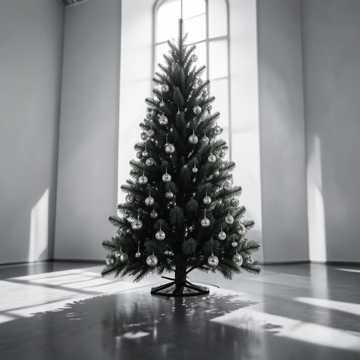
Хоровод у ёлки
Праздничная детская песня приглашает ребят в хоровод вокруг сияющей ёлки. Простые движения, хлопки, топот, приседания и прыжки превращают исполнение в весёлую музыкальную игру, развивая чувство ритма, координацию и радость совместного празднования.
01:29
12 hours ago
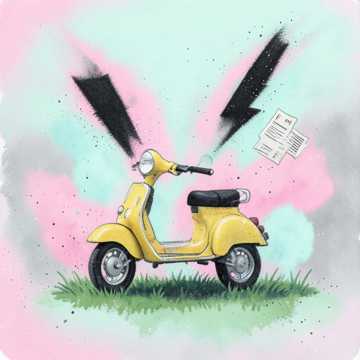
Rasen lohnt sich nicht
Der Song erzählt augenzwinkernd von einer missglückten Wespa-Reise nach Südtirol: Zu hohes Tempo, fehlende Vignette und eine entspannte Kuh sorgen für Ärger und teure Konsequenzen. Der eingängige Schlager-Refrain verwandelt die Verkehrspannen in eine humorvolle Lektion über Vorsicht und verantwortungsvolles Fahren.
02:56
1 days ago
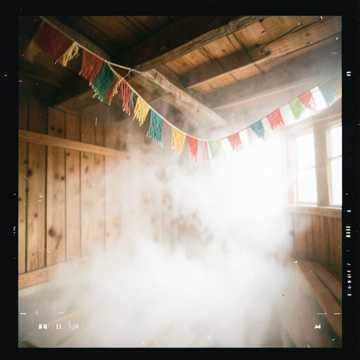
Кочярик и Кочландер
Шуточная фолк-поп история о Кочярике и Кочландере — двух неразлучных друзьях, которые вместе ходят в баньку, смеются, переживают внезапную бурю и превращают любое приключение в праздник. Повторяющийся возглас Коч, братан усиливает ощущение товарищества, народного веселья и дружеского единения.
01:57
2 days ago
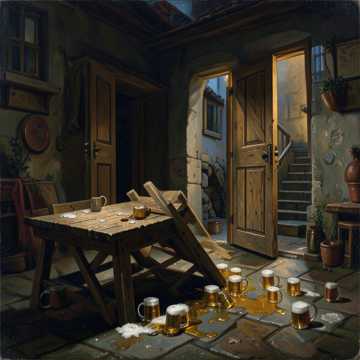
Beim Bierherr übern Hof
Ein humorvoller Kneipenabend gerät zur Stolperpartie: Hendrik kämpft sich über Hof, Treppe, Tür und Tisch, während Uwe ihn anfeuert. Der schnelle, gemeinschaftliche Refrain verwandelt jedes Missgeschick in ausgelassene Trinkhallen-Komik.
02:04
2 days ago
An die Schultern
Der humorvolle Party-Schlager erzählt von einer ausgelassenen Tanznacht, in der große Schritte, Konfetti und gemeinsames Singen aufeinandertreffen. Die zentrale Botschaft bleibt klar: Erst höflich fragen, dann gemeinsam tanzen, damit die Feier für alle fröhlich, sicher und respektvoll bleibt.
01:44
2 days ago
Парсика Гилана
Песнь прославляет обаятельного и доброго парня из Гебланы, который щедростью, юмором и жизнелюбием оживляет всю округу. Гармонь, хоровод, хлопки и дружное пение создают образ общего народного праздника, где каждый сосед становится другом.
02:22
3 days ago

In Hain wird Kirmes gemacht
Der Song feiert die Kirmes in Hain als verbindendes Dorffest. Mit treibendem Polka-Rhythmus, Akkordeon, Bläsern und kraftvollen Chören lädt er Menschen jeden Alters zum Tanzen, Mitsingen und gemeinsamen Feiern bis zum Morgengrauen ein.
03:09
3 days ago

Die dritte Liga tut auch nicht
Ein augenzwinkernder Stadion-Schlager verwandelt Hannovers drohenden Abstieg in ein gemeinschaftliches Fest. Zwischen Maschsee, Auswärtsfahrten und Fangesängen setzt der Song auf Selbstironie, Zusammenhalt und die Zuversicht, auch in der dritten Liga laut, treu und feierfreudig zu bleiben.
02:33
4 days ago
Skål for banden
En højenergisk dansk fællessang om en kaotisk nat med venner, øl, dans og pinlige uheld. Det muntre omkvæd, den hurtige polkarytme og de råbende svar skaber en varm, larmende krostemning, hvor festen aldrig synes at slutte.
02:23
12 days ago
Henne
Der humorvolle Schlager porträtiert Henne als liebenswerten, einsamen Kauz: Er liebt Bier, Kinder und Geselligkeit, scheitert jedoch an seinem ungehobelten Benehmen. Mit eingängigem Refrain, Dorfkneipen-Atmosphäre und wachsender Hoffnung wird aus Selbstironie ein optimistisches Plädoyer für neue Chancen.
02:46
19 days ago
Ната, гид на все сто
Юмористическая песня о находчивой Нате, которая ведёт туристов по сельским достопримечательностям, рассказывает о мёде и вине и терпеливо отвечает на бесконечные вопросы. Бодрый ритм, аккордеон, живой вокал и общий припев создают атмосферу весёлой народной экскурсии.
02:14
22 days ago
Hé Miron, kaasboer van de
Een opgewekt meezinglied over Mirons eerste zaterdag als kaasverkoper in Delfgauw. Met trots, humor en warme marktgezelligheid groeit zijn eerste werkdag uit tot een feestelijke ontdekking waarin kaas, klantcontact en een vrolijk hart centraal staan.
02:57
2026-10-03
Lakse Boogie Woogie
En livlig og fjollet festsang, hvor venner samles til laksedans med hale-svirp, klap og boogie-woogie. De mange navngivne gæster skaber et varmt, kaotisk fællesskab, mens klaver, guitar, blæsere og kor løfter stemningen til en højlydt finaledans.
02:52
2026-10-02

Laufen
Ein energiegeladener Schlager lädt Menschen jeden Alters zum Laufen, Walken und Gehen für den Brustkrebs-Spendenlauf ein. Mit herzlicher Gemeinschaft, klarer Ermutigung und einem eingängigen Refrain vermittelt das Lied Solidarität, Hoffnung und die Botschaft, dass niemand den Weg allein bewältigen muss.
02:56
2026-09-26
Tanz für uns
Eine warmherzige Vereins-Hymne für die junge Tanzmariechen Emilia. Mit treibendem Polka-Rhythmus, jubelnden Gruppenrufen und einem eingängigen Refrain feiert der Song ihre Freude, ihren Mut und ihr tänzerisches Strahlen auf den Bühnen von Jülich.
02:57
2026-09-18

Emilia, tanz für uns
Eine ausgelassene Karnevalshymne für Emilia, die als junge Tanzmariechen begeistert. Treibende Polka, helle Bläser, Akkordeon und Vereinschor feiern ihren Mut, ihre Energie und die starke Gemeinschaft der Schanzeremmele in Jülich.
02:57
2026-09-18
Unsre Tanzmaus
'Unsre Tanzmaus' ist ein schwungvoller Rheinischer Karnevalsschlager über das Solomariechen Emilia und ihre Trainerin Nele. Mit treibendem Polka-Groove, Akkordeon und jubelndem Mitmach-Refrain bringt die Hymne der Schanzeremmele puren Frohsinn und echtes Festzelt-Feeling in jeden Saal.
02:58
2026-09-17
Emilia, Tanzmarie
'Emilia, Tanzmarie' ist eine mitreißende Karnevalshymne voller Lebensfreude und Energie. Der Song feiert die Solomarie Emilia und ihre Trainerin Nele. Schwungvolle Bläser, Akkordeon und Klatsch-Chöre fangen den echten Fastelovend-Geist perfekt ein und bringen jeden Saal zum Tanzen.
03:18
2026-09-17
Tanzmaus Emilia
'Tanzmaus Emilia' ist eine hochenergetische Rheinland-Karnevalshymne, die das funkelnde Talent der jungen Tanzmarie Emilia und ihrer Trainerin Nele feiert. Mit schwungvollem Schlager-Rhythmus, blühenden Bläsern und mitreißenden Publikums-Rufen bringt dieser Song jede Karnevalsbühne zum Erbeben.
02:40
2026-09-17
Die Tanzmaus ist da
'Die Tanzmaus ist da' ist ein schwungvoller rheinischer Karnevalsschlager, der das Solotanzmariechen Emilia und ihre Begleiterin Nele feiert. Mit schnellem Polka-Rhythmus, Bläsern und Akkordeon versprüht der Song pure Lebensfreude und fängt die mitreißende Energie der närrischen Fünften Jahreszeit perfekt ein.
03:19
2026-09-17
Polka Groove: Definition, History, Rhythm, and Musical Characteristics
Polka Groove Sub-Tags and Classifications
Traditional Polka Groove
Traditional Polka Groove focuses on the classic polka rhythmic foundation, typically built around a strong two-step pulse and lively melodic movement. Accordion, concertina, brass, clarinet, tuba, and acoustic percussion are common instruments. This classification emphasizes authentic folk character, dance energy, and the communal atmosphere associated with traditional European and American polka performances.
Modern Polka Groove
Modern Polka Groove updates the traditional polka sound through contemporary production techniques, amplified instruments, punchier drums, modern bass lines, and polished studio arrangements. It may combine accordion melodies with electric guitar, synthesizers, electronic percussion, or pop-oriented song structures, making the style accessible to contemporary listeners while retaining the recognizable polka groove.
Polka Funk Groove
Polka Funk Groove combines the bouncing rhythm of polka with funk's syncopated bass, rhythmic guitar, tight drum patterns, and emphasis on the pocket. The result is a highly danceable hybrid in which accordion or brass melodies interact with funky bass lines and percussive accents. This classification is particularly effective for playful, energetic, and humorous musical settings.
Polka Rock Groove
Polka Rock Groove blends polka's two-step momentum with rock instrumentation such as electric guitar, bass, and drum kit. Distorted guitar riffs, driving backbeats, and energetic accordion passages can create a powerful crossover sound. This style is well suited to high-energy performances, festival music, alternative entertainment, and tracks that require a humorous or rebellious edge.
Folk Polka Groove
Folk Polka Groove incorporates regional folk traditions into the core polka rhythm. Depending on the cultural context, it may use local scales, traditional instruments, vocal styles, and dance rhythms. The groove remains accessible and repetitive, while the melodic and instrumental details provide a strong sense of regional identity and cultural heritage.
Brass Polka Groove
Brass Polka Groove places trumpets, trombones, tubas, horns, and other brass instruments at the center of the arrangement. Bright melodic hooks, punchy ensemble accents, and a strong low-brass foundation create a festive and extroverted sound. This classification is especially effective for parades, outdoor celebrations, beer-hall-style events, festivals, and cinematic scenes requiring immediate excitement.
Accordion Polka Groove
Accordion Polka Groove highlights the accordion as the primary melodic and rhythmic voice. The instrument can provide bass-chord accompaniment with the left hand while delivering rapid melodies with the right hand, creating a naturally compact groove. This sub-style strongly evokes the traditional identity of polka while allowing for modern production and crossover arrangements.
Electro Polka Groove
Electro Polka Groove combines traditional polka motifs with electronic drums, synthesizers, sampled instruments, digital bass, and modern sound design. Producers may use sidechain compression, programmed percussion, looping patterns, and electronic effects to transform the traditional dance pulse into a contemporary club or digital-media groove. It is particularly suitable for games, online videos, advertisements, and experimental crossover music.
Comedy Polka Groove
Comedy Polka Groove uses the style's naturally cheerful and kinetic qualities to support humor, parody, satire, and visual comedy. Exaggerated accordion phrases, sudden tempo changes, playful brass accents, rhythmic stops, and theatrical arrangements can emphasize comedic timing. The genre's instantly recognizable bounce makes it useful for humorous scenes and lighthearted media.
Famous Artists and Classic Works Related to Polka Groove
Johann Strauss I
Johann Strauss I was one of the major figures in the early popularization of the polka and helped establish the dance as an important part of 19th-century European popular music. His representative polka compositions, including 'Piefke und Pufke' and 'Annen-Polka,' demonstrate the genre's lively rhythmic character, memorable melodic writing, and strong connection to social dancing. His work helped shape the concert and dance traditions from which later interpretations of Polka Groove developed.
Tritsch-Tratsch-Polka, Op. 214 — Johann Strauss II
This iconic polka is characterized by rapid rhythmic momentum, bright melodic motifs, and energetic orchestral interplay. Its tightly organized phrases create a continuous sense of forward movement, while dynamic contrasts and instrumental exchanges keep the arrangement lively. From a Polka Groove perspective, the work demonstrates how a repetitive dance pulse can support sophisticated orchestration without losing immediacy or accessibility.
Johann Strauss II
Johann Strauss II expanded the artistic possibilities of the polka through sophisticated orchestration, elegant melodies, and energetic rhythmic structures. Works such as 'Tritsch-Tratsch-Polka' and 'Unter Donner und Blitz' show how polka could function as both entertaining dance music and highly crafted orchestral repertoire. His approach remains influential for modern Polka Groove arrangements that seek to combine rhythmic immediacy with detailed instrumentation.
Unter Donner und Blitz, Op. 324 — Johann Strauss II
Often translated as 'Thunder and Lightning Polka,' this composition uses vivid percussion and dramatic orchestral effects to intensify the traditional polka rhythm. The contrast between the steady dance foundation and explosive accents gives the music a cinematic quality. Its innovative use of percussion highlights an important aspect of Polka Groove: the groove can remain stable while rhythmic accents and production details create excitement and narrative movement.
Frankie Yankovic
Frankie Yankovic, widely associated with the American polka tradition, played a major role in popularizing Slovenian-style polka in the United States. His accordion-centered performances and recordings helped define a distinctly American form of polka entertainment. His work demonstrates how a strong rhythmic groove, memorable accordion melodies, and accessible arrangements can transform traditional folk music into widely popular dance music.
Annen-Polka, Op. 117 — Johann Strauss II
Annen-Polka presents a graceful and highly melodic interpretation of the polka form. Its elegant orchestration and flowing melodic phrases demonstrate that polka-based groove does not have to rely exclusively on aggressive speed or loud instrumentation. The piece offers a model for melodic Polka Groove arrangements in which danceability and musical refinement coexist.
Lawrence Welk
Lawrence Welk became closely associated with polished American dance-band music and brought polka and related styles to a broad television audience. His performances emphasized clean arrangements, accessible melodies, and upbeat ensemble playing. His contribution illustrates how polka-based groove could be adapted for mass entertainment and broadcast formats while maintaining its cheerful dance-oriented identity.
Piefke und Pufke, Op. 235 — Johann Strauss I
This work reflects the early development of the orchestral polka and illustrates the genre's ability to transform a simple dance concept into a structured musical composition. Its rhythmic clarity and memorable melodic gestures are representative of the qualities that made polka widely adaptable. These characteristics continue to inform modern Polka Groove music, particularly arrangements built around concise hooks and a strong rhythmic pulse.
Weird Al Yankovic
Weird Al Yankovic is strongly associated with the use of polka arrangements in contemporary popular culture, particularly through his medleys that reinterpret well-known songs in rapid, energetic polka form. His work helped introduce polka-inspired groove to audiences who might not otherwise encounter the traditional genre. His arrangements demonstrate the comedic potential of fast transitions, accordion-led textures, rhythmic compression, and recognizable melodic fragments.
Weird Al Yankovic's Polka Medleys
Weird Al Yankovic's polka medleys are notable for compressing numerous recognizable popular melodies into fast-moving polka arrangements. Their innovation lies in the collision of contemporary pop culture with traditional polka instrumentation and rhythm. Rapid transitions, accordion textures, comic timing, and abrupt changes in musical material create a highly recognizable Polka Groove format that works particularly well in live performance and comedy.
The Polka Brothers
The Polka Brothers represent the continuing evolution of polka as a contemporary performance style. Their approach illustrates how traditional polka instrumentation and dance rhythms can be presented with modern energy and stage-oriented production. Their work is relevant to the broader Polka Groove concept because it emphasizes rhythmic drive, accessible hooks, and the social, participatory nature of the genre.
Polka Groove Applications and Use Cases
Polka Groove can add immediate energy, humor, cultural identity, or festive atmosphere to film and television scenes. It is especially effective for celebrations, weddings, carnivals, eccentric character introductions, comic montages, dance sequences, and scenes set in Central European or American polka communities. A fast accordion-led groove can also create a playful contrast with otherwise serious visuals.
Movie and Television Soundtracks
The upbeat and memorable character of Polka Groove makes it useful for commercials that need to communicate fun, friendliness, movement, or spontaneity. Short accordion hooks, bouncy bass lines, and energetic brass accents can create distinctive sonic branding. The style is particularly suitable for food brands, family products, festivals, travel campaigns, seasonal promotions, and humorous advertisements.
Advertising and Commercial Music
Polka Groove can provide lively background music for games featuring villages, festivals, amusement parks, comedy levels, whimsical characters, or fast-paced mini-games. Its repetitive rhythmic structure works well for looping because the groove can maintain momentum without requiring constant harmonic development. Electronic Polka Groove can further modernize the sound for arcade, mobile, indie, and casual games.
Video Game Background Music
The communal dance energy of Polka Groove makes it naturally suited to outdoor celebrations and public events. Brass-heavy arrangements can project effectively in large spaces, while accordion and tuba provide recognizable melodic and harmonic identities. Polka Groove can accompany parades, cultural festivals, community gatherings, Oktoberfest-style events, and traditional dance performances.
Festivals, Parades, and Public Celebrations
Polka Groove is highly effective in comedy because its fast rhythmic movement and bright instrumental colors can reinforce visual gags and exaggerated action. A sudden polka rhythm can instantly signal silliness or playful chaos. Producers can use rhythmic stops, exaggerated accordion phrases, tempo changes, and rapid musical transitions to synchronize the groove with comedic timing.
Comedy and Sketch Entertainment
Short-form Polka Groove tracks can provide an energetic musical identity for humorous clips, cooking videos, travel content, challenge videos, memes, and celebratory posts. Its distinctive rhythmic signature can make a video feel more playful and memorable, while modern production allows creators to combine traditional polka sounds with electronic beats and contemporary effects.
Online Videos and Social Media Content
Because Polka Groove retains a clear and consistent dance pulse, it can be used for social dancing, folk-dance instruction, community events, and recreational classes. The predictable rhythmic structure helps dancers follow the beat, while variations in tempo and instrumentation can accommodate beginner-friendly exercises or more advanced performances.
Dance Classes and Social Events
Polka Groove works well in family-oriented environments because of its cheerful tone and immediate rhythmic accessibility. It can be used for attraction queues, live entertainment, character appearances, themed areas, and interactive performances. The style can also be adapted into orchestral, electronic, or cartoon-inspired arrangements to match a specific visual theme.
Theme Parks and Family Entertainment
Polka Groove can support documentaries, museum exhibitions, cultural festivals, educational projects, and heritage presentations that explore European folk traditions and their international development. Traditional instrumentation can communicate historical authenticity, while modern groove-based arrangements can demonstrate how polka continues to evolve in contemporary music.
Cultural and Heritage Projects
Modern Polka Groove can provide an unusual and memorable alternative to conventional event music. Its lively rhythm can energize product launches, team celebrations, themed parties, and experiential marketing events. When combined with polished contemporary production, the style can create a distinctive atmosphere that feels playful, welcoming, and highly interactive.
Corporate Events and Brand Experiences