Free post-hardcore Music Generator Powered by AI
Turn text into high-quality post-hardcore music effortlessly – no login required!

music.toolTips
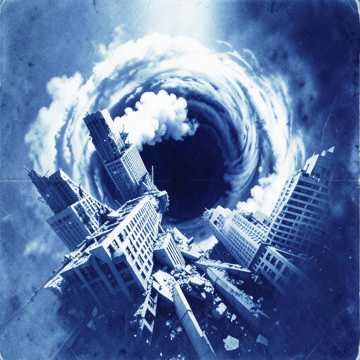
SPEED DEMON APOCALYPSE
A frantic driver races through a collapsing world, using speed and noise to escape buried trauma. As the apocalypse closes in, the song shifts into a vulnerable half-time confession before rebuilding its explosive attack, transforming survival into a cathartic acceptance of identity and fear.
04:04
2026-08-29
I have no moral ground left to stand on
A self-indicting post-hardcore anthem about recognizing personal hypocrisy and surrendering the need to be morally superior. The song moves from defensive certainty through confrontation toward humility, ending with a stark piano confession that being certain was never the same as being right.
06:08
2026-08-29
I have no moral ground left to stand on
A self-examination of moral hypocrisy, the song dismantles the comfort of certainty. Its explosive post-hardcore intensity gives way to vulnerable accountability, as the narrator recognizes that holding beliefs does not make them unquestionably right or worthy of the final word.
05:54
2026-08-29
I have no moral ground left to stand on
A fierce confession about moral inconsistency and intellectual humility. The song moves from sharp self-critique through explosive choruses into a stripped piano outro, transforming certainty into accountability while preserving the right to believe without claiming infallibility.
05:37
2026-08-29
I have no moral ground left to stand on
A self-interrogating post-hardcore confession in which the narrator confronts personal hypocrisy and the danger of mistaking certainty for truth. Explosive choruses embody defensive conviction, while the piano outro reduces that certainty to a quiet willingness to admit being wrong.
04:47
2026-08-29
I have no moral ground left to stand on
The song dismantles self-righteousness through a fierce confession of double standards, revealing how certainty can disguise ignorance. Its escalating electronicore arrangement mirrors mounting pressure, while explosive choruses confront personal hypocrisy before an intimate piano outro accepts that being certain is not the same as being right.
04:47
2026-08-29

I Want You Back
A devastated narrator mourns the death of his mother, struggling with loneliness, guilt, and an unbearable need to hear her voice again. The song transforms private grief into an escalating post-hardcore outcry, ending in emotional collapse and a fading plea for her return.
05:38
2026-08-29
The Acrobat
The song portrays a performer who transforms fear, trauma, and repeated emotional collapse into spectacle. Through acrobatic imagery, shifting identities, and increasingly violent breakdowns, it exposes the cost of living for an audience until the boundary between performance and disappearance finally collapses.
04:43
2026-08-28

I Want You Back
A devastated narrator mourns his mother, confronting unbearable absence, traumatic memories, and emotional collapse. Through fragile verses and explosive post-hardcore choruses, he promises to continue living proudly while repeatedly crying out for her return, ending in a lonely whisper of unresolved grief.
05:50
2026-08-28
The Acrobat
A psychologically intense swancore performance about a person who turns fear, trauma, and self-erasure into spectacle. Behind the acrobat’s rehearsed confidence lies a fractured identity, while the snapping cable represents collapse, abandonment, and an ending disguised as personal choice.
04:50
2026-08-28

The Acrobat
The song depicts a performer hiding fear behind spectacle, balancing between applause and collapse. Its acrobat metaphor exposes trauma, self-erasure, and the pressure to make suffering look deliberate, culminating in a devastating realization that the audience witnessed the fall without reaching for the person beneath the performance.
05:00
2026-08-28

The Acrobat
The song portrays a performer trapped between applause and collapse, transforming fear, trauma, and self-erasure into spectacle. Its escalating guitars, frantic rhythms, harmonies, and screams expose the devastating moment when performance stops concealing pain and the audience finally recognizes the damage.
03:54
2026-08-28

The Acrobat
The Acrobat portrays a performer trapped between spectacle and self-destruction. Through frantic guitars, volatile vocals, and escalating breakdowns, the song explores masked pain, compulsive performance, emotional abandonment, and the desperate attempt to make collapse appear intentional.
05:00
2026-08-28

The Acrobat
The Acrobat portrays a performer trapped between applause and annihilation, disguising fear as control while different identities compete beneath the mask. Its escalating guitars, frantic grooves, harmonies, and screams transform psychological exhaustion into a volatile stage tragedy where collapse is mistaken for choice.
04:54
2026-08-28
The Acrobat
The song portrays a performer who turns anxiety, repression, and repeated emotional collapse into spectacle. Beneath the acrobat imagery lies a crisis of identity: applause sustains the performance, while silence reveals the damage. The final fall becomes neither tragedy nor beauty, but an ending disguised as choice.
05:33
2026-08-28
The Acrobat
The song portrays a performer trapped between applause and terror, disguising trauma behind spectacle. Its acrobatic imagery evolves into a confrontation with abandonment, identity loss, and self-destruction, ending when the performance can no longer conceal the emotional impact of the fall.
05:05
2026-08-28
The Acrobat
The song portrays a performer hiding fear behind spectacle, gradually losing identity beneath manufactured confidence. Its frantic energy escalates from controlled instability to emotional rupture, revealing that the final fall is not tragedy or beauty, but the consequence of surviving too long for an audience.
05:30
2026-08-28
The Acrobat
The song portrays a performer disguising fear as mastery while surviving beneath relentless scrutiny. Its acrobatic imagery unfolds into a psychological collapse, exposing trauma, dissociation, and the crushing demand to turn suffering into spectacle before reclaiming the final fall as a personal choice.
05:32
2026-08-28
The Acrobat
The Acrobat portrays a performer trapped between public applause and private collapse. Through circus imagery, the narrator exposes self-erasure, trauma, and repeated catastrophe, escalating from controlled theatricality into furious confrontation before ending in hollow acceptance and the sound of inner devastation.
05:10
2026-08-28
The Acrobat
A psychologically intense acrobat performs through fear, trauma, and relentless audience pressure, disguising collapse as control. Fast, dissonant swancore erupts into screams and heavy breakdowns before ending in stark silence, where the performer can no longer turn suffering into spectacle.
05:48
2026-08-28
Introduction to Post-Hardcore: Definition and History
Post-hardcore is a subgenre of punk rock that emerged in the early 1980s as a more experimental and emotionally intense offshoot of hardcore punk. It retains the aggressive energy of hardcore but incorporates more complex structures, varying tempos, and a broader range of emotions and themes. The genre was pioneered by bands like Hüsker Dü, Fugazi, and Rites of Spring, who sought to push the boundaries of traditional punk by integrating elements of noise rock, emo, and alternative rock. Over time, post-hardcore evolved into a diverse genre with multiple sub-styles, becoming a significant influence on modern rock and alternative music.
Sub-tags and Classifications within Post-Hardcore
Emo-Influenced Post-Hardcore
This sub-tag blends the intensity of post-hardcore with the emotionally charged lyrics and melodic elements of emo. Bands like Thursday and Silverstein are prime examples, often focusing on themes of personal struggle and emotional turmoil, characterized by a mix of clean vocals and harsh screams.
Mathcore
Mathcore is a complex and technically demanding subgenre of post-hardcore that incorporates elements of math rock, including irregular time signatures, abrupt tempo changes, and dissonant chords. Bands like The Dillinger Escape Plan are known for their intricate, chaotic sound that pushes the boundaries of musical complexity.
Screamo
Screamo is a more extreme offshoot of post-hardcore that emphasizes raw emotion and intensity. It typically features high-pitched screaming vocals, fast tempos, and abrasive guitar work. Bands like Saetia and Orchid are known for their emotionally charged performances and lyrics that often explore themes of pain, loss, and existential angst.
Melodic Post-Hardcore
Melodic post-hardcore focuses on blending aggressive instrumentation with more melodic and accessible elements. Bands like A Day to Remember and Alexisonfire incorporate catchy hooks and harmonized vocals alongside heavier guitar riffs, making the genre more palatable to a broader audience while retaining its post-hardcore roots.
Famous Artists and Iconic Works in Post-Hardcore
Fugazi
Fugazi is one of the most influential bands in the post-hardcore genre. Known for their ethical stance on music production and distribution, they combined punk’s DIY ethos with a more experimental sound. Their album 'Repeater' is a landmark in post-hardcore, showcasing the band's ability to blend powerful rhythms with politically charged lyrics.
Relationship of Command by At the Drive-In
This album is a quintessential example of post-hardcore’s potential to transcend genre boundaries. With its explosive energy, unconventional song structures, and intense vocal performances, 'Relationship of Command' pushed the limits of what post-hardcore could achieve, influencing countless bands that followed.
At the Drive-In
At the Drive-In brought a new level of intensity and complexity to post-hardcore with their album 'Relationship of Command'. The band’s chaotic yet controlled sound, combined with cryptic lyrics and dynamic performances, helped define the genre in the late 1990s and early 2000s.
Repeater by Fugazi
Fugazi's 'Repeater' is a cornerstone of the post-hardcore genre, combining the visceral energy of punk with a more sophisticated musicality. The album’s minimalist yet powerful production, coupled with its sharp social commentary, set a new standard for what post-hardcore could be.
Glassjaw
Glassjaw is renowned for their raw emotional intensity and innovative approach to post-hardcore. Their album 'Worship and Tribute' is often cited as one of the genre's most influential works, blending aggressive soundscapes with introspective lyrics that explore personal and social issues.
Worship and Tribute by Glassjaw
Glassjaw's 'Worship and Tribute' is a masterclass in emotional intensity and sonic experimentation. The album seamlessly blends brutal, heavy riffs with melodic passages and deeply personal lyrics, making it a defining work in the post-hardcore canon.
Application Scenarios for Post-Hardcore Music
Post-hardcore music, with its emotional intensity and dynamic range, is often used in movie soundtracks to underscore dramatic scenes or to convey a sense of urgency and tension. Films like 'The Crow' have successfully utilized post-hardcore tracks to enhance their gritty, atmospheric storytelling.
Movie Soundtracks
The aggressive and energetic nature of post-hardcore makes it well-suited for video game soundtracks, particularly in action-packed or intense scenarios. Games like 'Tony Hawk's Pro Skater' have featured post-hardcore tracks to create a high-energy environment that complements the fast-paced gameplay.
Video Game Background Music
Post-hardcore's raw and powerful sound is also effective in advertising, particularly in campaigns aimed at younger, more rebellious demographics. Its edgy and distinctive style can help brands stand out and connect with audiences on an emotional level.
Advertising Music