Free shamisen Music Generator Powered by AI
Turn text into high-quality shamisen music effortlessly – no login required!

music.toolTips

Setsuna Hanabi
Setsuna Hanabiは、理想の自分を創ろうとする願いと、本当の自分を偽っていた痛みに気づく瞬間を描いた、多言語の夏の哀歌。118 BPMの躍動的なビートと三味線・琴の音色が、希望と喪失の対比を強調する。
03:47
2026-09-27

狂乱の囮
伝統的な三味線の高速フレーズと歪んだ爆音ギター、怒涛のツーバスドラムが融合した激しい和風フォークメタル曲。緊張感あふれるマイナー調の展開と劇的な静と動のコントラストが、正気を奪う圧倒的な世界観を描き出します。
02:51
2026-09-24

Cyber Samurai
A fierce cyberpunk samurai dominates Neo-Edo through boastful rap, lethal imagery, and unwavering confidence. Heavy trap production collides with shamisen, shakuhachi, glitch effects, and Japanese battle language to create a cinematic anthem of power, discipline, and futuristic rebellion.
03:30
2026-09-24
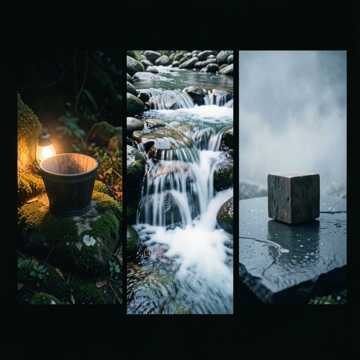
Stone Bath Echoes
A slow, ceremonial soundscape shaped by sparse koto melodies, dry shamisen replies, resonant temple percussion, and natural water ambience. Its long silences and58 BPM pulse evoke a secluded Japanese stone bath, inviting meditation, restorative breathing, sleep, and quiet reflection.
03:27
2026-09-23
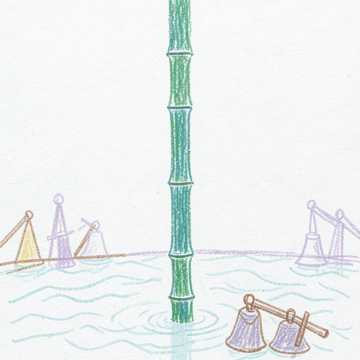
Bamboo Bath Stillness
A slow ceremonial soundscape shaped by delicate koto phrases, subtle shamisen, deep taiko, temple bells, and natural water ambience. Its spacious pentatonic melody evokes a quiet bamboo bath, inviting meditation, reflection, and refined Japanese tranquility.
02:00
2026-09-23
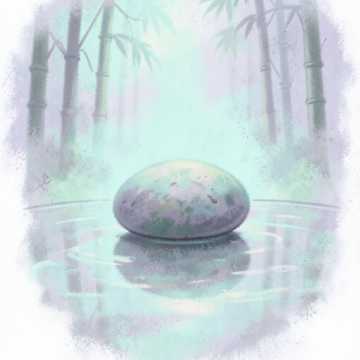
Stone Bath Dawn
A deeply meditative Japanese ambient piece unfolding at56 BPM. Sparse koto phrases, delicate shamisen, resonant taiko, temple bells, and natural garden ambience create a ceremonial journey from quiet awakening to spacious stillness, evoking dawn beside a tranquil stone bath.
03:43
2026-09-23

月明かりの矜持
伝統和楽器と未来派ヒップホップが融合。月夜の下、揺るぎない矜持を胸に自らの道を開拓する若者の強い意志を描いた一曲。
02:58
2026-09-23
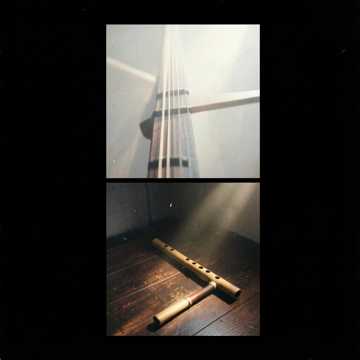
静かな庭
『静かな庭』は、宮廷音楽と室内楽の気品を備えた器楽曲です。五音音階の旋律、琴の流麗な響き、尺八の呼吸感、控えめな太鼓が、木造の静かな空間と季節の移ろいを描きます。
02:59
2026-09-22
Yokai Wonder
A sheltered musician discovers an electric guitar in an attic shrine and transforms inherited restraint into defiant sound. Japanese folk imagery collides with garage-rock force as koto-like ornamentation, taiko accents, overdriven riffs, and theatrical vocals portray artistic awakening, rebellion, and freedom from tradition.
02:44
2026-09-20

紅い口紅
紅い口紅と黒いヒールを象徴に、主人公が美しさ、欲望、傷、誇りを受け入れ、自らの身体と意志で運命を変えていく。華やかで挑発的な歌詞と、力強いダンスビートが自己解放の瞬間を鮮烈に描く。
04:05
2026-09-18
Strike True
Strike True follows a determined warrior through a brutal duel, pairing precise martial imagery with a deeper mission to protect loved ones. Its aggressive rock-metal energy, Japanese-inspired instrumentation, and soaring harmonies turn violence into a meditation on courage, discipline, sacrifice, and the will to create a path toward survival.
04:05
2026-09-15

私は女王
自らの美しさと身体、夢を誰にも支配させない女性が、華麗なダンスと燃える意志で世界を揺らす。誘惑、自由、勝利を力強く歌い上げる、クラブ仕様の女王賛歌。
04:03
2026-09-14
私は華 私は刃
美しさを他者の許可に委ねず、自らの魅力と強さを武器にステージを支配する女性のアンセム。華やかなメイクや衣装、情熱的なダンスを通じて、欲望も誇りも自分で選ぶ自己肯定と解放を力強く歌い上げる。
03:40
2026-09-12
秘密の向こうへ
戦火に揺れる世界で、失われた記憶と姉妹の願いを胸に、二人の旅人が境界を越えていく物語。運命に抗い、秘密の向こうにある新しい朝と、二つの世界の未来を切り開く。
05:05
2026-09-06
Threads of Red
A mysterious anime-inspired anthem about two sisters bound across time and parallel worlds. Amid cherry blossoms, war, spirits, and collapsing skies, their red thread of destiny becomes a symbol of loyalty, courage, and a promise that no force can break.
04:07
2026-09-05
風の裂け目へ
戦乱に引き裂かれた世界を舞台に、二人の姉妹が手を取り合い、宿命を超えて新しい朝を目指す物語。鈴の音と風が、絆、再生、異なる者同士の共存を象徴する。
06:29
2026-09-05
境界の向こうへ
封じられた記憶と二つの月に導かれ、姉妹が戦乱の異世界を駆け抜ける物語。血縁を超えた絆を力に変え、神々や宿命に抗いながら、未来と新たな世界を切り拓いていく。
04:26
2026-09-05

姉妹の誓い
和楽器とオーケストラルロックが融合した和風ファンタジーアニメ調の楽曲。運命に抗い時空を越えて支え合う姉妹の強い絆と誓いを、疾走感あふれる旋律でドラマチックに描いています。
04:32
2026-09-05
月影の門
「月影の門」は、伝統和楽器とモダンロックが融合した壮大なファンタジー楽曲です。運命に立ち向かい未来を切り拓く絆と決意を、疾走感あふれるメロディで描きます。
04:24
2026-09-05
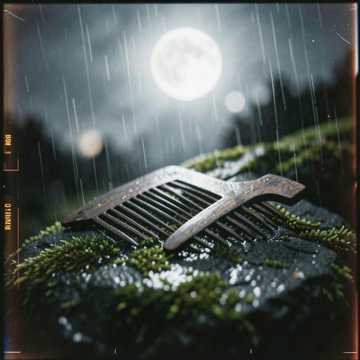
月影の櫛
月影に宿る運命と戦いを描く、壮大で遊び心のある歴史幻想アニメのオープニングを思わせるインストゥルメンタル。太鼓の推進力、三味線と琴の俊敏な旋律、 cinematic strings の高揚が劇的な物語を導く。
04:20
2026-09-05
Introduction to Shamisen: Definition and History
The shamisen is a traditional Japanese three-stringed musical instrument played with a plectrum called a bachi. Originating from the Chinese instrument, the sanxian, the shamisen made its way to Japan during the 16th century. Initially popularized in the Osaka and Kyoto regions, it became an integral part of various Japanese music genres, including folk music, narrative singing (joruri), and the kabuki theater. Over centuries, the shamisen has evolved in design and playing techniques, becoming a symbol of Japanese musical heritage.
Shamisen Sub-tags and Classifications
Jiuta Shamisen
Jiuta shamisen is commonly used in traditional Japanese chamber music. It is characterized by its delicate and sophisticated playing style, often accompanying singing in a style known as Jiuta. This form blends both instrumental and vocal music, emphasizing the intricate techniques of shamisen playing.
Tsugaru Shamisen
Tsugaru shamisen originates from the Tsugaru region in Aomori Prefecture. Known for its powerful and fast-paced playing style, it features improvisation and rhythmic complexity. Tsugaru shamisen has gained popularity for its dynamic performances and has influenced contemporary music genres.
Nagauta Shamisen
Nagauta shamisen is primarily used in kabuki theater and traditional dance music. It accompanies the narrative singing style called nagauta, which translates to 'long song.' The music is lively and rhythmic, enhancing the dramatic elements of kabuki performances.
Minyo Shamisen
Minyo shamisen is associated with Japanese folk music (minyo). This style is often more straightforward and accessible compared to other shamisen forms. It plays a vital role in regional festivals and celebrations, providing a musical backdrop to traditional dances and songs.
Famous Artists and Classic Works Related to Shamisen
Takashi Hirayasu
Takashi Hirayasu is a renowned shamisen player known for blending traditional Okinawan music with modern influences. His works, such as the album 'Hana,' showcase his innovative approach to shamisen, incorporating elements of blues and folk music.
Rokudan no Shirabe
Rokudan no Shirabe is a classic piece in the Jiuta repertoire. Composed by Yatsuhashi Kengyo in the 17th century, it is a six-sectioned piece that highlights the elegant and intricate playing techniques of the shamisen. Each section, or 'dan,' offers a unique melodic and rhythmic pattern, making it a staple in traditional Japanese music.
Yoshida Brothers
The Yoshida Brothers, Ryoichiro and Kenichi Yoshida, are famous for their modern take on Tsugaru shamisen. Their fusion of traditional shamisen with contemporary music genres has brought international recognition to the instrument. Notable works include 'Rising' and 'Storm.'
Tsugaru Jongara Bushi
Tsugaru Jongara Bushi is one of the most famous pieces in the Tsugaru shamisen repertoire. Known for its fast tempo and complex rhythms, it showcases the virtuosity of the shamisen player. The piece is often performed in competitions and concerts, symbolizing the dynamic and powerful nature of Tsugaru shamisen.
Shamisen Katoh
A master of nagauta shamisen, Shamisen Katoh has significantly contributed to preserving and promoting traditional Japanese music. His performances in kabuki theater and recordings like 'Nagauta Classics' have been instrumental in keeping the art form alive.
Application Scenarios for Shamisen Music
Shamisen music is often used in movie soundtracks to evoke a traditional Japanese atmosphere. Films like 'Memoirs of a Geisha' and 'The Last Samurai' feature shamisen to enhance the cultural authenticity and emotional depth of their scenes.
Movie Soundtracks
In advertising, shamisen music is utilized to create a unique and memorable sound that connects with Japanese heritage. Commercials for brands like Toyota and Shiseido have used shamisen melodies to convey a sense of tradition and elegance.
Advertising Music
Video games such as 'Ghost of Tsushima' and 'Sekiro: Shadows Die Twice' incorporate shamisen music to enrich the gaming experience. The instrument's distinctive sound adds to the immersive, historical, and cultural settings of these games.
Game Background Music