Free Ancient Music Generator Powered by AI
Turn text into high-quality Ancient music effortlessly – no login required!

music.toolTips

Hand in Hand im Schatten der
Eine einsame Seele begegnet im Schatten alter Eichen einem freundlichen Menschen. Die Berührung ihrer Hände löst Isolation auf und wird zum Beginn einer hoffnungsvollen Verbindung, die sich zwischen Nebel, Feuer, Sternen und archaischen Folkklängen zu einem stillen Liebesversprechen verdichtet.
06:08
2026-09-30

Frost Rune
A slow, ceremonial Nordic folk-orchestral instrumental that evokes frozen landscapes, ancient rites, and looming myth. Sparse ritual passages rise into broad horn-and-violin refrains, while thunder, harp flickers, and heavy toms create a cold cinematic finale.
03:40
2026-09-29
Skogens Ring
En dramatisk instrumentalresa där ensam violin och handtrumma växer till mäktiga stråkensembler, djupa körer och dånande slagverk. Musiken frammanar nordisk mytologi, vildmark, ritual och beslutsam rörelse genom en mörk, frostig skog.
03:40
2026-09-29

Desert Star Vigil
An instrumental vigil beneath desert stars, moving from intimate solo strings and distant brass into expansive choral and horn swells. Its sparse celesta, tremolo violins, reversed textures, and long reverberation evoke solitude, remembrance, ancient landscapes, and hope suspended in stillness.
03:58
2026-09-29

Starry Desert Vigil
An instrumental vigil beneath desert stars, shaped by slow pulses, suspended harmonies, cathedral choir, shimmering celesta, and swelling strings. Its meditative atmosphere moves from intimate solitude toward a radiant final bloom, evoking ancient landscapes, quiet watchfulness, and cinematic wonder.
03:58
2026-09-29

Shadow of the Sacred
'Shadow of the Sacred' is an evocative instrumental cinematic score blending ancient Middle Eastern instruments like ney and oud with grand orchestral strings and wordless choir. It builds subtle sacred tension into a powerful emotional climax, offering a mysterious, deeply immersive, and epic audio experience.
00:50
2026-09-29

Ashes of Ife
'Ashes of Ife' is a profound cinematic ritual composition featuring slow, earthy African percussion, deep drones, and ancestral vocal textures. It weaves a solemn soundscape of ancient mystery and emotional weight, moving patiently from bare silence to resonant resonance before dissolving back into stillness.
04:34
2026-09-29
Jóslat
A dal ősi hangok és természeti jelek révén idézi meg az elődök örökségét. A titokzatos versszakokból erőteljes, közösségi himnusz bontakozik ki, amely az emlékezés, az identitás és a felébredő belső tűz üzenetét hordozza.
04:05
2026-09-27

神圣的静修
作品以52 BPM的缓慢节奏展开,从遥远山风与低频持续音开始,逐步融入僧侣低吟、泛音、颂钵、铜锣和仪式鼓点,最终回归寂静的风声与 drone,呈现深沉、神圣且催眠般的静修体验。
03:54
2026-09-27
嗡嘛呢叭咪吽
作品以52 BPM的缓慢脉动展开,法钵与低频持续音先行,随后加入疏落鼓点、钟声和低沉吟唱。空灵而庄严的层次在回响中渐次升起又隐退,适合冥想、瑜伽、呼吸练习、静心与仪式场景。
02:00
2026-09-27

Sea of Galilee
'Sea of Galilee' is a majestic cinematic instrumental that weaves ancient Middle Eastern ambient textures with powerful orchestral swells. Moving from mysterious tension to a reverent dynamic climax and peaceful resolution, it evokes profound spiritual depth, awe, and emotional harmony.
03:37
2026-09-26
Ultimul Foc
Într-o lume devastată de cenușă, război și prăbușirea munților, două glasuri păstrează vie speranța. Legați prin iubire, memorie și jurământ, cei doi înfruntă sfârșitul, transformând ultimul foc într-un simbol al rezistenței și al renașterii.
04:02
2026-09-25

PSA 63 SUOMI-2
Kappale kuvaa sielun syvää janoa Elohiymia kohtaan, ylistystä elämän keskellä ja turvaa hänen siipiensä varjossa. Eeppinen hip hop yhdistää raamatullisen tekstin suomalaisiin ja muinaisiin sointiväreihin.
03:12
2026-09-25
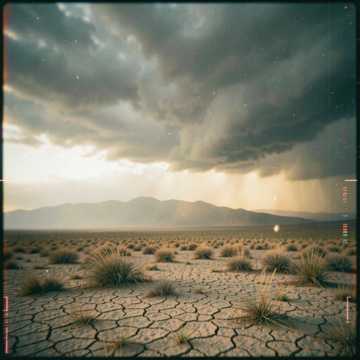
Storm Over Jordan
A cinematic instrumental inspired by biblical landscapes, Storm Over Jordan moves from ancient stillness and gathering danger to a powerful orchestral storm, then resolves into quiet serenity and uplifting hope through Ney flute, strings, harp, and frame drums.
03:28
2026-09-25
Om Namah Shivaya: Deep Shiva Meditation
Ayam gambhira Shiva-mantra-dhyanagitah Om Namah Shivaya-mantrasya punahpunah japena bhaktim, shantim, antarmukhatam ca vardhayati. Tanpura-nadah, mandah ghanta-dhvanih, purusha-stri-svarayoh samvada, damaru-nadah ca Kailasa-ratrer divyam vatavaranam nirmanti.
06:44
2026-09-24
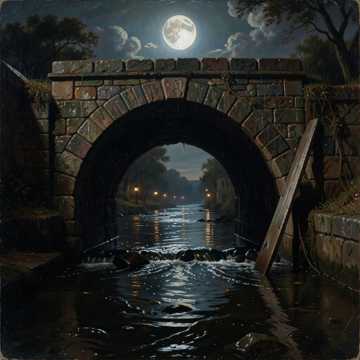
古桥夜审
《古桥夜审》是一首融合古筝、二胡与史诗太鼓的暗黑国风悬疑纯音乐,烘托出夜幕下古桥审判的冷冽与紧张。
03:24
2026-09-24
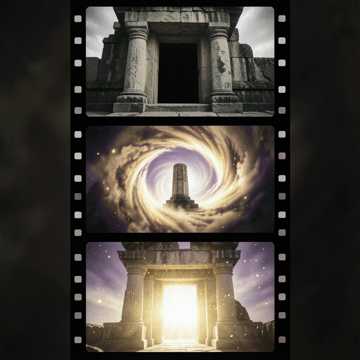
Saul And Samuel
An instrumental depiction of Saul and Samuel shaped by biblical grandeur and spiritual tension. Mysterious strings, wooden flute, thunderous drums, and solemn choir evoke prophecy, conflict, and divine judgment before resolving into hopeful, peaceful strings.
01:59
2026-09-23
Taurus
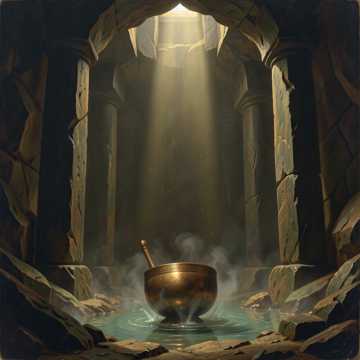
Taurus unfolds as a monumental instrumental journey through an ancient stone fortress. Slow minor-modal harmony, vibrating low frequencies, sustained bass brass, gran cassa impacts, and distant gongs create a mythic portrait of endurance, authority, geological power, and unshakable resolve.
03:30
2026-09-23

Kharuun Tal
A slow, spacious ceremonial instrumental built from cavernous throat-singing textures, resonant morin khuur swells, sparse frame drums, and wind-like transitions. Its hypnotic low drones create an earthy meditation suited to ritual imagery, documentary scenes, deep focus, and expansive landscapes.
03:50
2026-09-23

Steppe Breath
Steppe Breath is a slow ceremonial meditation honoring the Mongolian grassland. Deep khoomei and kargyraa merge with morin khuur, sparse drums, and wind ambience, creating a spacious soundscape of ancestral memory, sacred nature, patience, and inner calm beneath an immense open sky.
03:00
2026-09-23
Introduction to the Ancient Music Tag
Ancient music refers to the earliest forms of music known to humanity, encompassing a wide range of traditions and styles from different cultures and eras. Its origins can be traced back to prehistoric times, with the development of music being deeply intertwined with the evolution of human society. Ancient music often served religious, ceremonial, and entertainment purposes. The history of ancient music includes the musical practices of ancient civilizations such as Mesopotamia, Egypt, Greece, China, and India, each contributing to the diverse tapestry of ancient musical heritage.
Sub-tags and Classifications of Ancient Music
Prehistoric Music
Prehistoric music refers to the musical traditions that existed before written records. This includes the use of primitive instruments like flutes made from bird bones, percussion instruments, and vocalizations. Prehistoric music is largely speculative, but it is believed to have been used in rituals and for communication.
Ancient Egyptian Music
Ancient Egyptian music was integral to both religious and daily life. Instruments such as harps, lyres, and flutes were commonly used. Egyptian music was often associated with religious ceremonies, celebrations, and entertainment in the royal courts. The depictions of musicians in tombs and temples provide insight into the role of music in this ancient civilization.
Ancient Greek Music
Ancient Greek music is well-documented, with works of philosophers like Plato and Aristotle discussing its importance. Music in ancient Greece was closely linked to poetry and drama, often performed with the accompaniment of the lyre or aulos. The Greeks believed in the ethical and educational power of music, which played a key role in their cultural and religious practices.
Ancient Chinese Music
Ancient Chinese music has a rich history that dates back thousands of years. It was influenced by Confucian ideals, emphasizing harmony and balance. Traditional Chinese instruments like the guqin, pipa, and erhu were central to court music, rituals, and entertainment. Ancient Chinese music theory also laid the groundwork for the development of musical scales and notations.
Ancient Indian Music
Ancient Indian music, rooted in the Vedic traditions, is one of the oldest known musical traditions. The Vedas, ancient sacred texts, contain hymns that were chanted in specific melodies known as 'Sama Veda.' This tradition eventually evolved into the classical music forms of India, such as Carnatic and Hindustani music, with a strong emphasis on spiritual and philosophical themes.
Famous Artists and Works in Ancient Music
Homer (Ancient Greece)
Homer, the legendary ancient Greek poet, is often associated with the tradition of epic poetry, which was typically recited or sung with musical accompaniment. His works, such as 'The Iliad' and 'The Odyssey,' were performed with lyres, contributing significantly to the musical culture of ancient Greece.
The Hymns of the Rigveda (Ancient India)
The Rigveda, one of the oldest known texts, contains hymns that were chanted in specific melodies. These hymns are not only significant for their spiritual content but also for their influence on the development of Indian classical music. The melodic structures and rhythmic patterns seen in these hymns are foundational to later musical traditions in India.
Pythagoras (Ancient Greece)
Pythagoras, the ancient Greek philosopher, made significant contributions to music theory by exploring the mathematical relationships between musical notes. His discovery of musical intervals and the concept of harmony influenced the development of Western music.
The Song of Seikilos (Ancient Greece)
The Song of Seikilos is one of the oldest surviving examples of a complete musical composition, inscribed on a tombstone in ancient Greece. This piece is significant for its preservation of both lyrics and musical notation, offering insight into ancient Greek music theory and practice. The song's simple yet profound melody reflects the Greek belief in the close relationship between music and the human soul.
Confucius (Ancient China)
Confucius, the influential Chinese philosopher, emphasized the importance of music in maintaining social order and moral integrity. His teachings on music's role in society profoundly impacted the development of Chinese music, particularly in its ceremonial and educational functions.
The Hurrian Hymn No. 6 (Ancient Mesopotamia)
The Hurrian Hymn No. 6 is one of the oldest known pieces of music, discovered in the ancient city of Ugarit (modern-day Syria). This hymn, written in cuneiform on a clay tablet, provides valuable insight into the music of ancient Mesopotamia. The use of lyres and the modal scales in this composition highlight the sophisticated musical understanding of the time.
Bharata Muni (Ancient India)
Bharata Muni, the ancient Indian sage, is credited with authoring the 'Natyashastra,' an ancient treatise on the performing arts, including music. This work laid the foundation for Indian classical music, detailing the concepts of 'raga' (melodic framework) and 'tala' (rhythmic patterns).
Application Scenarios for Ancient Music
Ancient music is often used in movie soundtracks to evoke a sense of history, mysticism, or cultural depth. Films set in ancient times or those exploring themes of mythology and legend frequently incorporate ancient music to enhance the authenticity and atmosphere of the narrative.
Movie Soundtracks
Ancient music is commonly used in video games, particularly those set in historical or fantasy settings. The use of traditional instruments and scales helps create an immersive experience, transporting players to different eras or mystical worlds.
Video Game Background Music
Documentaries focusing on ancient civilizations or historical topics often use ancient music to complement the visuals and narration. This music helps to create a more engaging and educational experience, making history come alive for viewers.
Documentary Films
Ancient music is frequently performed at cultural festivals, historical reenactments, and heritage events. These performances aim to preserve and celebrate the musical traditions of ancient cultures, offering audiences a glimpse into the past.
Cultural Festivals and Reenactments