Free Chinese folk Music Generator Powered by AI
Turn text into high-quality Chinese folk music effortlessly – no login required!

music.toolTips
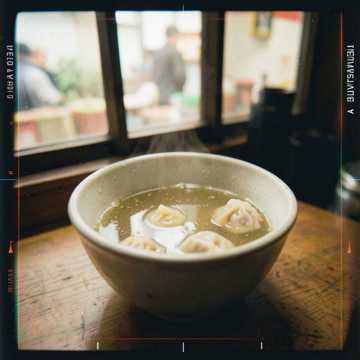
讨厌云吞
'讨厌云吞' blends traditional Chinese instrumentation—like guzheng, erhu, and bamboo flute—with humorous English lyrics expressing an intense dislike for wontons. This dramatic fusion combines soulful folk elements and rhythmic percussion to create a passionate, quirky culinary resistance anthem.
01:52
1 days ago

紅橙黃綠藍靛紫
歌曲以紅橙黃綠藍靛紫象徵勇氣、溫柔、希望、成長、包容、奇蹟與浪漫,在神話與愛情交織的彩虹旅程中,描寫相伴穿越距離、等待重逢並於平凡生活綻放的深情。
05:19
1 days ago

秋天的沉默
歌曲以秋雨、黄叶、旧伞和唱片为意象,讲述恋人离散后的沉默与遗憾。主人公从等待答案,到接受无法重逢,最终收好温柔,独自走向没有对方的下一个秋天。
06:19
2 days ago
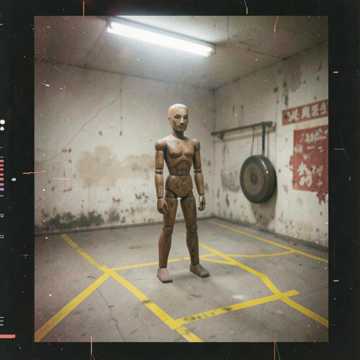
Harci Kelme, Jellem Rendben
A dal egy túlzó, játékosan fenyegető edzőtermi párbaj jelenetét eleveníti meg. A magyar férfivokál kihívó szövegeit gyors hatnyolcados lüktetés, jangcsin, erhu, pipa, dizi, harci dobok és gongok kísérik. A refrén közösségi csatakiáltásként fokozza a komikus, fesztiváli energiát.
03:18
2 days ago

我曾在群山之巅 寻找你的踪影
歌曲以群山、荒野、街巷与星辰为意象,讲述一场漫长而孤独的追寻。克制的主歌逐步积累思念,副歌在辽阔景色中扩张情绪,最终回到无法诉说的名字与深沉寂寞。
04:08
3 days ago
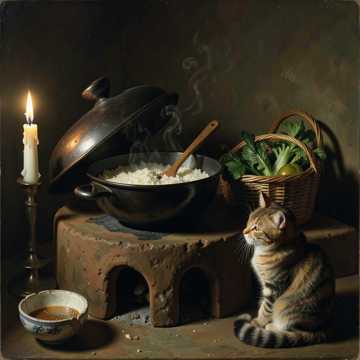
柴米油盐修真性
歌曲借日常锅灶、邻里亲情与家庭琐事劝人悟道:真正的修行不在远离红尘,而在把饭做好、把家照料好、把平凡日子过出慈悲与智慧。
03:42
3 days ago
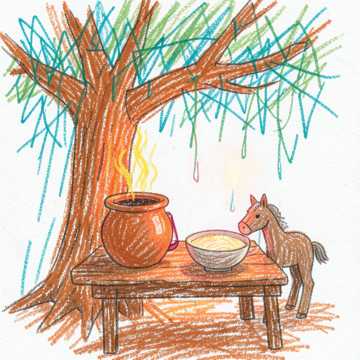
柴米油盐修真性
歌曲借村口闲谈、家庭琐事与诙谐问答,反思脱离现实的空洞说教,指出真正的修行藏在还账、做饭、回家与照顾身边人之中,传达平凡生活亦能开出精神之花的人生智慧。
04:18
3 days ago

莫把日子锁纸上
歌曲借村口闲谈、赶考、打铁和卖糖等生活片段,幽默讽刺把大道理、因果与规矩当成拖延借口的处世方式,最终劝人少些犹疑,多做实事,在不完美的人生里边走边唱。
04:23
3 days ago

人海
歌曲以旧城江南为景,将失散恋人置于喧闹人海。主人公如错过汛期的孤舟,在灯火、雨巷与戏文意象间克制地追忆一段无从抵岸的深情。
04:00
4 days ago
A Faithful Heart
歌曲以信仰实践为核心,劝勉人在试炼中放下虚荣、认识败坏本性、诚实尽本分,并借着祷告寻求神的带领,在顺服与真理中获得拯救、安慰和内心的踏实。
03:10
4 days ago

沉默的解脱
歌曲描写一段关系结束后的沉默与遗憾。主人公在雨夜、海风和旧照片中反复回望,最终承认爱过也失去过,并学会带着无法挽回的情感继续生活。
04:40
4 days ago

中秋月明
歌曲以中秋明月串起故鄉、天涯與親情,透過女聲的柔婉吟唱、男聲的溫厚加入及男女合唱,描寫離人思歸的孤寂、深情與盼望,最終在月光祝福中走向團圓。
04:52
4 days ago

真正重要的东西
歌曲借旧信、薄荷、父亲修好的钟、半把钥匙与留灯等意象,讲述真正重要的情感无需宣告,而藏在陪伴、守候和疲惫时的一句别怕。朴素民谣编曲由克制走向温柔升华,呈现关于家、离别与归途的深情体悟。
04:29
4 days ago

放心我还在
歌曲借站台、旧衬衫、青石板与故乡大雾描绘失散与记忆的漂泊感,并以反复的放心我还在化解孤独。女声在民谣温度、暗黑电子和寺庙鼓点之间,坚定承诺守护与依赖。
03:43
5 days ago

呂布愛貂蟬
歌曲以三國群雄與美人為背景,透過柔美女聲、琵琶古韻與夢幻弦樂,歌頌呂布對貂蟬不顧江山、至死不渝的愛,也映照亂世英雄的悲壯與無奈。
04:32
5 days ago

長命百歲
歌曲以幽默反思開場,提醒人們別用財富交換健康;透過流行搖滾、民樂與饒舌,鼓勵從飲食、睡眠、運動與陪伴家人做起,活出長久、自在且無悔的人生。
03:11
5 days ago

晨曦中的喜悦
A serene instrumental track featuring traditional Chinese instruments, evoking the peaceful joy of dawn. The song combines bamboo flute and guzheng to create a calming, reflective mood.
04:00
2024-11-17
小二,还钱 (Konobaru, vrati pare)
A fusion of Chinese folk, orchestral, and aggrotech styles, '小二,还钱' features male operatic vocals and explores themes of love, longing, and loss, with dynamic intensity and festive undertones.
03:59
2024-11-16

To cool for school
A heavy metal fusion track with quirky lyrics about a girl who feels too 'cool for school,' complete with cultural musical influences and a humorous refrain. It blends heavy metal, Chinese, and Hungarian folk styles for a distinct, unexpected sound.
01:27
2024-11-15

師尊
The song '師尊' expresses deep reverence and gratitude towards a mentor, depicting them as a guiding light through life's challenges. Its lyrics convey love, strength, and the unbreakable connection between the mentor and the disciple.
03:21
2024-11-13
Introduction to Chinese Folk Music
Chinese folk music is a genre that encompasses the traditional music of China's various ethnic groups, reflecting the diverse cultural heritage of the nation. Its roots date back thousands of years, originating from the folk songs and dances of ancient China. Over time, it has evolved to include a wide array of styles, ranging from the lyrical melodies of the Han people to the dynamic rhythms of the Mongolian and Tibetan communities. Historically, Chinese folk music has been closely associated with festivals, rituals, and daily life, serving as an important means of cultural expression and storytelling.
Sub-tags and Classifications of Chinese Folk Music
Han Folk Music
Han folk music is the most widely recognized form of Chinese folk music, originating from the Han ethnic group, the largest in China. This sub-tag includes traditional ballads, work songs, and narrative music such as 'Shan'ge' (mountain songs) and 'Xiao'qu' (minor tunes). Han folk music is characterized by its poetic lyrics, melodious tunes, and use of traditional instruments like the guzheng and pipa.
Ethnic Minority Folk Music
This sub-tag covers the music of China's 55 ethnic minority groups, each with its unique style and traditions. For example, Tibetan folk music is known for its spiritual chants and use of the dramyin, a traditional stringed instrument, while the Uyghur folk music from Xinjiang features the energetic 'Maqam' and 'Sanam' dance tunes. These diverse musical forms highlight the rich cultural tapestry of China.
Nanyin (Southern Music)
Nanyin is an ancient musical genre that originated in the Fujian province, often referred to as the 'living fossil of Chinese music.' It is a slow and melodic form of music typically performed with instruments such as the pipa, erhu, and dizi. Nanyin is known for its lyrical content that often deals with themes of love and longing.
Jiangnan Sizhu (Silk and Bamboo Music)
Jiangnan Sizhu is a form of traditional Chinese instrumental music from the Jiangnan region. It is typically performed by small ensembles using string ('silk') and wind ('bamboo') instruments. This genre is characterized by its elegant, flowing melodies and is often performed at social gatherings and teahouses.
Famous Artists and Works in Chinese Folk Music
Wang Luobin
Wang Luobin is often hailed as the 'Father of Chinese Folk Songs.' He is renowned for his work in collecting and adapting traditional folk songs from the northwestern regions of China, such as Xinjiang and Qinghai. His most famous works include 'In That Faraway Place' and 'The Crescent Moon Rises.' Wang's adaptations helped popularize regional folk music across China.
The Moon Mirrored in the Second Spring (Erquan Yingyue)
Composed by the blind folk musician Hua Yanjun, also known as 'A Bing,' 'Erquan Yingyue' is one of the most famous pieces in the Chinese folk repertoire. It is a poignant erhu solo that evokes deep emotions, often interpreted as a reflection on the hardships of life. The piece is known for its expressive use of the erhu's range, capturing both the melancholy and resilience of the human spirit.
Lei Qiang
Lei Qiang is a contemporary master of the erhu, a two-stringed bowed instrument central to many forms of Chinese folk music. He has performed extensively both in China and internationally, contributing to the global appreciation of traditional Chinese music. His works often blend folk elements with modern compositions, creating a bridge between the old and new.
Jasmine Flower (Mo Li Hua)
'Mo Li Hua' is a traditional Chinese folk song that dates back to the 18th century. It has been adapted in various forms and remains one of the most recognized Chinese melodies worldwide. The song is celebrated for its simple yet elegant melody, which is often performed on the guzheng or sung during cultural festivals. Its lyrics praise the beauty of the jasmine flower, symbolizing purity and grace.
Ma Jiuyue
Ma Jiuyue is a renowned composer and performer who has significantly contributed to the modernization and internationalization of Chinese folk music. He is known for his innovative compositions that incorporate traditional Chinese instruments like the guzheng and sheng with orchestral arrangements. His work 'Impression of Yunnan' is particularly celebrated for its rich depiction of ethnic minority music.
In That Faraway Place (Zai Na Yaoyuan De Difang)
This iconic folk song, adapted by Wang Luobin, captures the vastness and romance of the northwestern regions of China. The song's melodic structure and evocative lyrics have made it a timeless piece in Chinese folk music. It is often performed with traditional instruments like the dombra and tambur, adding to its ethnic flavor.
Application Scenarios for Chinese Folk Music
Chinese folk music is often used in movie soundtracks to evoke a sense of place, culture, or historical context. For example, the use of traditional instruments like the guzheng and erhu can create an authentic atmosphere in films set in ancient China or rural settings. This music is particularly effective in conveying emotional depth and cultural richness.
Movie Soundtracks
In advertising, Chinese folk music can be used to connect products with cultural heritage or to evoke nostalgia. For instance, a commercial for a tea brand might use a serene guqin melody to convey the product's connection to traditional Chinese culture and the calmness associated with tea-drinking rituals.
Advertising Music
Chinese folk music is also widely used in video games, especially in genres that require an immersive cultural experience. Games set in historical or fantasy versions of China often feature folk music to enhance the authenticity of the setting. Instruments like the pipa and dizi are frequently used to create themes for characters or locations.
Game Background Music