Free Chinese folk Music Generator Powered by AI
Turn text into high-quality Chinese folk music effortlessly – no login required!

music.toolTips
老虎的傳說
本曲以暗黑國風交響樂構築終極決戰史詩,融合民樂與哥德合唱,展現王者在王座崩裂之際絕不退縮的狂烈決意。
02:54
5 days ago

燃盡天命
《燃盡天命》是一首結合西洋交響樂與傳統國樂的暗黑奇幻戰鬥曲。透過疾速弦樂、雄渾合唱與戰鼓,呈現絕境中斬斷輪迴的震撼氣勢。
03:14
5 days ago

星晨砂落糖
歌曲以晨光、星砂和糖的意象,描繪兩人相伴走過平凡歲月的溫柔旅程。五聲音階旋律清澈舒展,古箏、陶笛、二胡與馬頭琴營造出空靈而溫暖的東方詩意,傳達安定、甜美與希望。
04:00
6 days ago
带着真实往前走
歌曲以温柔民谣的方式,写给仍在成长中的人:接纳棱角,放下旧错,在不完美与未完成之间学会自我原谅,带着真实继续生活。
03:55
8 days ago

山河在手
歌曲以男女双声部描绘乱世中的守望与并肩前行,从青瓦春雨、故乡孤舟写至战火长夜,融合传统中国旋律与赛博朋克电子重击,最终升华为守护家园、唤醒山河的英雄誓言。
03:43
14 days ago

我只想弄明白
歌曲描写一段关系走到岔路口时的真诚追问。主人公不惧怕直接的真相,只希望确认爱是否存在、承诺是否认真,以及彼此是否还有重新开始的可能。
04:10
19 days ago

塵囂深處紅月亮
歌曲以紅月映照舊城離別,描寫旅人遠去後未能寄出的思念。女聲在古箏、二胡與馬頭琴間低迴,將克制的告別唱成對重逢與安康的深切祈願。
03:54
23 days ago

你曾与我同行
《你曾与我同行》是一首温柔庄重的中文抒情民谣,以缓缓流淌的律动与温暖弦乐,深情致敬穿越岁月的真挚友谊。
03:32
25 days ago
笑揖峰頭月
本曲以清雅禪意的古風新民謠為基調,融合古琴洞簫與大提琴,傾訴退一步淡泊名利、獨擁明月清風的超然心境。
03:42
26 days ago

湛蓝的大海上
歌曲以庭院晨景起笔,借劳动、花丛与海上白帆,描绘忘却逆运、安然面对往昔的轻快人生。
01:50
27 days ago

我想着你,我的爱
歌曲以鸟鸣、敏感植物和轻柔声音为意象,描写恋人之间克制而深切的思念,展现害怕伤害爱人的温柔,以及在重逢与倾听中获得的幸福。
02:20
2026-10-12

《雨停以前》|akaJC
一名男子在熟悉的街巷與雨天裡懷念離去的人,從守著舊傘與窗邊等待,逐漸學會將思念留在過去,平靜走向天亮。
03:43
2026-10-08

人生之福藏于微常
歌曲以平凡生活中的热粥、留灯、偏伞与一句回来就好为意象,描绘相伴之爱的安稳与珍贵。温柔的六八拍摇曳感,让对岁月、归家与白首相守的感悟缓缓升温。
03:38
2026-10-02

风吹过故乡
歌曲以沧桑温暖的男声结合吉他与口琴,真挚演绎了深沉的乡愁、岁月变迁与对父母亲情的永恒眷恋。
04:23
2026-09-28
歲月煮茶
歌曲以老屋煮茶為核心意象,描寫遊子與親人之間跨越歲月與距離的深厚情感,在炊煙、雪瓦與茶香中,寄託對故鄉、親情及歸來承諾的溫柔眷戀。
04:20
2026-09-27

付苍冥
本曲为古风哲思民谣,以古琴洞箫铺底,借白驹过隙、云深风过等意象,表达放下得失、回归天地的洒脱心境。
03:35
2026-09-25

琉璃月湾
以箫与古筝的留白开启,竹笛引出月湾幻境;手鼓和异域拨弦逐步增强律动,最终由温暖弦乐扩展为辽阔而静谧的电影式尾奏。
03:40
2026-09-23

云起山行
作品以轻盈的四四拍律动展开,古筝与竹笛如山风引路,琵琶、手鼓和水滴音效勾勒幽静空间;主题段加入弦乐与太鼓式击打,呈现云起山行的开阔、明亮与诗意。
03:28
2026-09-23

江风入城
作品以江风为意象,将竹笛、古筝、扬琴与弦乐交织成一幅明亮温暖的城市画卷。从晨间山水到街巷人文,再至开阔高潮,最终留下从容雅致的余韵。
03:31
2026-09-23
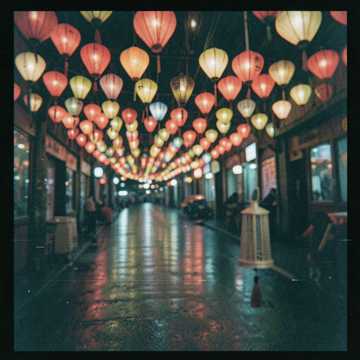
灯会开场
以竹笛俏皮旋律为核心,融合古筝、扬琴、笙、琵琶与鼓乐,层层推进灯会欢庆气氛,结尾利落并为宣传片标题落版预留空间。
03:19
2026-09-23
Introduction to Chinese Folk Music
Chinese folk music is a genre that encompasses the traditional music of China's various ethnic groups, reflecting the diverse cultural heritage of the nation. Its roots date back thousands of years, originating from the folk songs and dances of ancient China. Over time, it has evolved to include a wide array of styles, ranging from the lyrical melodies of the Han people to the dynamic rhythms of the Mongolian and Tibetan communities. Historically, Chinese folk music has been closely associated with festivals, rituals, and daily life, serving as an important means of cultural expression and storytelling.
Sub-tags and Classifications of Chinese Folk Music
Han Folk Music
Han folk music is the most widely recognized form of Chinese folk music, originating from the Han ethnic group, the largest in China. This sub-tag includes traditional ballads, work songs, and narrative music such as 'Shan'ge' (mountain songs) and 'Xiao'qu' (minor tunes). Han folk music is characterized by its poetic lyrics, melodious tunes, and use of traditional instruments like the guzheng and pipa.
Ethnic Minority Folk Music
This sub-tag covers the music of China's 55 ethnic minority groups, each with its unique style and traditions. For example, Tibetan folk music is known for its spiritual chants and use of the dramyin, a traditional stringed instrument, while the Uyghur folk music from Xinjiang features the energetic 'Maqam' and 'Sanam' dance tunes. These diverse musical forms highlight the rich cultural tapestry of China.
Nanyin (Southern Music)
Nanyin is an ancient musical genre that originated in the Fujian province, often referred to as the 'living fossil of Chinese music.' It is a slow and melodic form of music typically performed with instruments such as the pipa, erhu, and dizi. Nanyin is known for its lyrical content that often deals with themes of love and longing.
Jiangnan Sizhu (Silk and Bamboo Music)
Jiangnan Sizhu is a form of traditional Chinese instrumental music from the Jiangnan region. It is typically performed by small ensembles using string ('silk') and wind ('bamboo') instruments. This genre is characterized by its elegant, flowing melodies and is often performed at social gatherings and teahouses.
Famous Artists and Works in Chinese Folk Music
Wang Luobin
Wang Luobin is often hailed as the 'Father of Chinese Folk Songs.' He is renowned for his work in collecting and adapting traditional folk songs from the northwestern regions of China, such as Xinjiang and Qinghai. His most famous works include 'In That Faraway Place' and 'The Crescent Moon Rises.' Wang's adaptations helped popularize regional folk music across China.
The Moon Mirrored in the Second Spring (Erquan Yingyue)
Composed by the blind folk musician Hua Yanjun, also known as 'A Bing,' 'Erquan Yingyue' is one of the most famous pieces in the Chinese folk repertoire. It is a poignant erhu solo that evokes deep emotions, often interpreted as a reflection on the hardships of life. The piece is known for its expressive use of the erhu's range, capturing both the melancholy and resilience of the human spirit.
Lei Qiang
Lei Qiang is a contemporary master of the erhu, a two-stringed bowed instrument central to many forms of Chinese folk music. He has performed extensively both in China and internationally, contributing to the global appreciation of traditional Chinese music. His works often blend folk elements with modern compositions, creating a bridge between the old and new.
Jasmine Flower (Mo Li Hua)
'Mo Li Hua' is a traditional Chinese folk song that dates back to the 18th century. It has been adapted in various forms and remains one of the most recognized Chinese melodies worldwide. The song is celebrated for its simple yet elegant melody, which is often performed on the guzheng or sung during cultural festivals. Its lyrics praise the beauty of the jasmine flower, symbolizing purity and grace.
Ma Jiuyue
Ma Jiuyue is a renowned composer and performer who has significantly contributed to the modernization and internationalization of Chinese folk music. He is known for his innovative compositions that incorporate traditional Chinese instruments like the guzheng and sheng with orchestral arrangements. His work 'Impression of Yunnan' is particularly celebrated for its rich depiction of ethnic minority music.
In That Faraway Place (Zai Na Yaoyuan De Difang)
This iconic folk song, adapted by Wang Luobin, captures the vastness and romance of the northwestern regions of China. The song's melodic structure and evocative lyrics have made it a timeless piece in Chinese folk music. It is often performed with traditional instruments like the dombra and tambur, adding to its ethnic flavor.
Application Scenarios for Chinese Folk Music
Chinese folk music is often used in movie soundtracks to evoke a sense of place, culture, or historical context. For example, the use of traditional instruments like the guzheng and erhu can create an authentic atmosphere in films set in ancient China or rural settings. This music is particularly effective in conveying emotional depth and cultural richness.
Movie Soundtracks
In advertising, Chinese folk music can be used to connect products with cultural heritage or to evoke nostalgia. For instance, a commercial for a tea brand might use a serene guqin melody to convey the product's connection to traditional Chinese culture and the calmness associated with tea-drinking rituals.
Advertising Music
Chinese folk music is also widely used in video games, especially in genres that require an immersive cultural experience. Games set in historical or fantasy versions of China often feature folk music to enhance the authenticity of the setting. Instruments like the pipa and dizi are frequently used to create themes for characters or locations.
Game Background Music