Free Chinese Music Generator Powered by AI
Turn text into high-quality Chinese music effortlessly – no login required!

music.toolTips

王蓉《我不是黄蓉》
歌曲围绕婚姻中的异常细节与不安猜测展开,以浴室、谎言和深夜沉默串起心理悬疑。轻快性感的节奏与暗藏危机的叙事形成反差,呈现猜忌、背叛和感情疏离交织的复杂情绪。
03:47
6 days ago

我還是我
這是一首融匯傳統民樂與現代影視配樂風格的華語抒情金曲。透過深情女聲與細膩樂器編排,唱出在世事變遷中不忘初心、堅持做自己的堅韌與溫柔。
04:04
6 days ago

我们是一家人
歌曲以舒缓摇滚为基调,通过沉稳而温暖的男声描绘家人彼此守望、共同成长的情感,展现家庭凝聚力与陪伴带来的安心和力量。
03:15
6 days ago

我家的淫穢祖先
本曲以傳統民謠風格搭配深沉男聲,痛斥家族歷史中的虛偽與腐敗,展現拒絕盲從、勇於打破舊時代枷鎖並追求個體獨立的堅定意志。
05:43
6 days ago
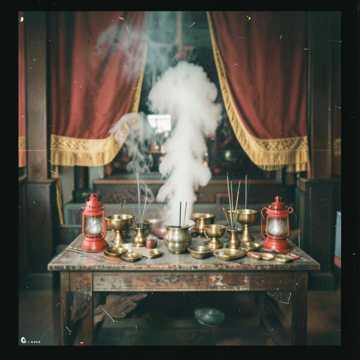
伍家關聖帝君
一首莊嚴熱血的廟會戰歌,藉三聖信仰與伍家香火傳承,歌頌忠義、護佑、家族情誼及近四十年的虔誠初心。
03:44
7 days ago

找個適合你的人
一個在失衡愛情中耗盡自己的人,終於選擇含淚放手。她祝福對方尋得適合的人,也在心碎與遺憾裡,重新學會把愛留給自己。
04:37
8 days ago

找個適合你的人
歌曲描寫一段失衡感情的終結。主角從等待、挽回與自責中清醒,決定祝福對方離開,也在淚水裡找回自我與重新愛自己的勇氣。
05:13
8 days ago

找個適合你的人
一名深愛過的人終於承認關係早已失衡。她含淚祝福對方離開,也在痛苦告別裡收回真心,選擇不再乞求,重新學會愛自己。
05:01
8 days ago

隔著星河愛你
一位始終無法忘記遠方戀人的人,將思念唱成旋律。即使明白結局未必圓滿,仍願珍藏愛過的證明,並在不捨中祝福對方幸福。
03:54
9 days ago

隔著星河愛你
本曲融合電影級鋼琴弦樂與現代電子節奏,以清亮女聲帶微氣音演繹。無前奏開場拉滿情感,深情詮釋跨越星河的愛意與遺憾。
04:07
9 days ago

目光忍不住追著你
歌曲以雙人視角描繪青澀相遇、日常陪伴與堅定承諾。從耳機、晚風、咖啡到雨天同行,甜美互動逐步堆疊,在明亮副歌中唱出遇見彼此就是幸福的答案。
04:27
9 days ago

祢温柔的手
歌曲以受伤灵魂遇见钉痕手为核心意象,从彷徨与夜行走向被医治、被护佑的安息,在克制温暖的敬拜中见证恒久慈爱。
04:05
9 days ago

夜空的精靈
本曲融合國風與新世紀音樂,以空靈鼓、古箏、馬頭琴及二胡締造深邃夜空意境。純淨女聲如精靈般輕舞歌唱,撫慰心靈躁動,帶來平靜與溫暖。
03:43
11 days ago

你曾与我同行
《你曾与我同行》是一首温柔庄重的中文抒情民谣,以缓缓流淌的律动与温暖弦乐,深情致敬穿越岁月的真挚友谊。
03:32
11 days ago
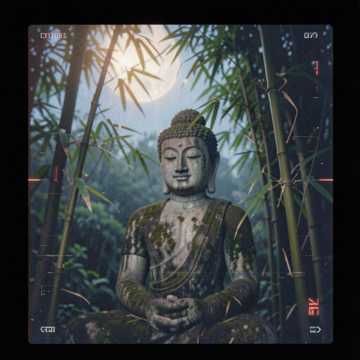
古佛盡如斯
本曲以簡練禪詩為骨,融合古琴與簫的幽雅音色。通過緩慢自由的吟唱,展現超脫世俗紛擾、內心如月般寧靜的超然境界。
02:05
12 days ago

笑揖峰頭月
本曲以清雅禪意的古風新民謠為基調,融合古琴洞簫與大提琴,傾訴退一步淡泊名利、獨擁明月清風的超然心境。
03:42
12 days ago

我們輸給了天亮
歌曲描寫一對仍深愛彼此的戀人,在沉默與恐懼中錯過對方。男女聲以交錯問答呈現未完的愛,從雨夜回憶推向最終失去,唱出時間無法治癒的遺憾與長久思念。
03:34
13 days ago
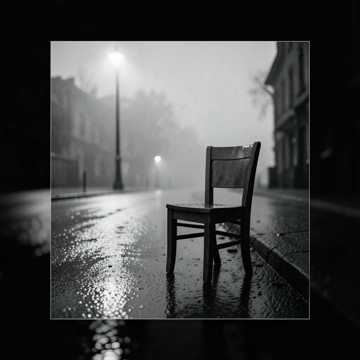
我們輸給了天亮
一對戀人在雨夜離別後,各自走過漫長歲月。儘管無法重來,他們仍在回憶與遺憾中理解,最深的愛不是佔有,而是放手後仍祝願對方一生美麗。
05:08
13 days ago

万劫归来
歌曲描绘一位穿越时空、历尽万重劫难后归来的旅人。他背负失去与遗憾,却始终守护心中誓言,在天地变换与故人离散之后,以不灭意志迎向黎明,续写未完的故事。
04:52
16 days ago
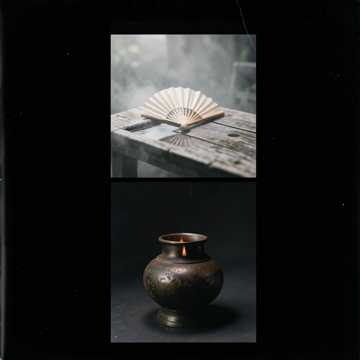
只緣忠義
歌曲以諸葛亮一生為軸,從智謀功業寫至五丈原殞落。以克制而悲壯的男聲,呈現忠義、託孤、北伐未竟與丹心不滅的深切遺憾。
03:49
21 days ago
Introduction to the Chinese Music Tag
Chinese music refers to the rich and diverse musical traditions originating from China, encompassing a wide range of genres, instruments, and styles. The history of Chinese music dates back over 3,000 years, evolving through various dynasties and influenced by cultural exchanges, philosophies, and political changes. Traditional Chinese music was deeply rooted in ritualistic and court music, with instruments like the guqin, pipa, and erhu playing pivotal roles. Over time, Chinese music expanded to include folk, religious, and popular forms, reflecting the dynamic cultural landscape of the country. In modern times, Chinese music has further diversified, incorporating elements of Western music while preserving its traditional essence.
Sub-tags and Classifications within Chinese Music
Traditional Chinese Music
Traditional Chinese music includes ancient and classical forms that have been passed down through generations. It is often performed with traditional instruments such as the guqin, pipa, erhu, and dizi. This sub-tag also encompasses regional folk music and operatic forms like Beijing opera and Kunqu.
Contemporary Chinese Music
Contemporary Chinese music reflects the fusion of traditional Chinese elements with modern and Western influences. This category includes genres like Mandopop and Cantopop, as well as modern adaptations of traditional music.
Chinese Classical Music
Chinese classical music is a formal genre that includes both traditional and modern compositions that follow the principles of classical music. It often features elaborate compositions, sophisticated musical techniques, and performances by virtuoso musicians.
Chinese Folk Music
Chinese folk music is an umbrella term for the diverse regional music traditions found throughout China. This includes the music of ethnic minorities, rural communities, and local celebrations, often characterized by the use of indigenous instruments and vocal styles.
Famous Artists and Works in Chinese Music
Lang Lang
Lang Lang is one of the most renowned Chinese pianists globally, known for his virtuosic technique and expressive performances. His work has popularized classical piano music in China and introduced Chinese musical elements to a global audience.
The Butterfly Lovers' Violin Concerto
Composed by He Zhanhao and Chen Gang in 1959, 'The Butterfly Lovers' Violin Concerto' is one of the most famous pieces of Chinese classical music. It tells a tragic love story through a blend of Western orchestral structure and Chinese melodic elements, particularly the use of the pentatonic scale.
Jay Chou
Jay Chou is a pioneering figure in the Mandopop genre, blending traditional Chinese music with pop, R&B, and hip-hop influences. His innovative approach has made him a cultural icon in China and across Asia.
Jay Chou's 'Blue and White Porcelain'
'Blue and White Porcelain' is a Mandopop song by Jay Chou that integrates traditional Chinese music with modern pop. The song features poetic lyrics and the use of Chinese instruments like the guzheng, showcasing Chou's ability to blend old and new musical styles.
Guo Wenjing
Guo Wenjing is a contemporary Chinese composer known for his work in both classical and film music. His compositions often explore the fusion of Chinese and Western musical traditions, making him a key figure in modern Chinese music.
Yellow River Cantata
Composed by Xian Xinghai during the Second Sino-Japanese War, 'Yellow River Cantata' is a patriotic work that has become a symbol of Chinese resistance and unity. The piece combines Western choral and orchestral traditions with Chinese musical themes, making it a cornerstone of Chinese classical music.
Application Scenarios for Chinese Music
Chinese music is frequently used in movie soundtracks to evoke cultural themes, set the tone of a scene, or emphasize emotional moments. For instance, the 'Crouching Tiger, Hidden Dragon' soundtrack, composed by Tan Dun, blends traditional Chinese instruments with orchestral music, creating an immersive cinematic experience.
Movie Soundtracks
The unique sounds of Chinese instruments and melodies are often used in advertising to create a distinct cultural identity or to appeal to Chinese audiences. For example, traditional music is commonly used in ads during the Lunar New Year season to evoke a sense of heritage and celebration.
Advertising Music
Chinese music is increasingly featured in video games, especially those with historical or fantasy settings based on Chinese culture. Games like 'Total War: Three Kingdoms' incorporate traditional Chinese music to enhance the authenticity and atmosphere of the gaming experience.
Video Game Background Music