Free Chinese Music Generator Powered by AI
Turn text into high-quality Chinese music effortlessly – no login required!

music.toolTips
金刚1层
歌曲以露骨且带有胁迫意味的成人叙事为核心,借助重复性的口语文本、女声表演与高刺激节奏,呈现压抑、混乱和挑衅交织的地下实验听感。
06:10
14 hours ago

金刚1层
歌曲采用暗黑流行与低语女声风格,描写一段极端、失控且带有强烈非自愿色彩的暴力情境,整体呈现压迫、恐惧、混乱与禁忌感,不适合未成年人。
06:20
14 hours ago

金刚1层
歌曲以高强度、露骨且带有暴力胁迫色彩的叙述为核心,借助嘻哈、放克与鼓打贝斯的冲击节奏,营造压迫、混乱和不适的黑暗氛围。
06:24
14 hours ago

金刚1层
歌曲以极端露骨、胁迫性叙事制造惊悚与失控感,并通过骚麦式女声、嘻哈律动、放克切分和高速鼓打贝斯强化混乱、挑衅且不安的氛围。
06:32
14 hours ago

金刚1层
作品以极端胁迫与暴力情境推进叙事,描绘角色在恐惧、羞耻和失去自主之间的心理崩塌。女性声乐与舞台表演灵感形成强烈反差,使整体呈现不安、黑暗且具冲击力的戏剧感。
07:15
14 hours ago
金刚1层
一首以露骨且不当的成人禁忌文本为核心、配合车载低音与陷阱节奏的暗黑实验作品。
05:09
14 hours ago

金刚1层
歌曲以暗黑性感流行的声音框架呈现一段涉及胁迫、恐惧与失控的成人叙事。低语式主歌强化压迫感,情绪化副歌可将紧张与危险感推向高潮。
06:04
14 hours ago
金刚1层
歌曲以第一人称叙事呈现暴力胁迫下的恐惧与失控,通过阴暗情节、粗粝说唱和高速节奏营造压迫感。
07:21
14 hours ago
金刚1层
歌曲以高度戏剧化的成人叙事推进,借由密集的独白与情绪化人声,营造失控、压迫与感官冲突交织的氛围;旋律风格可联想至带有舞蹈感的女性舞台表演。
08:00
14 hours ago

金刚1层
歌曲以受压迫者的第一人称视角展开,刻画尊严崩塌、恐惧蔓延与绝望屈从。冷峻女声配合重低音舞曲质感,形成阴暗、紧张且具冲击力的叙事氛围。
05:54
14 hours ago
金刚1层
歌曲以露骨且强迫性的场景展开,描绘受害者在羞辱、胁迫与围观压力中的痛苦。暗黑流行编排可强化其危险、窒息与失控的戏剧氛围。
06:00
14 hours ago

金刚1层
歌曲以高度露骨的成人叙事呈现失控、羞辱与压迫感,并以车载低音、黑帮陷阱和深浩室节奏强化阴暗、紧张且挑衅的情绪张力。
05:17
14 hours ago
金刚1层
作品以高度露骨且涉及胁迫的叙事为核心,搭配嘻哈、放克与鼓打贝斯风格设想。由于内容包含不当性描写,无法提供进一步的情绪化推广分析。
06:12
14 hours ago
潮州·双津谣
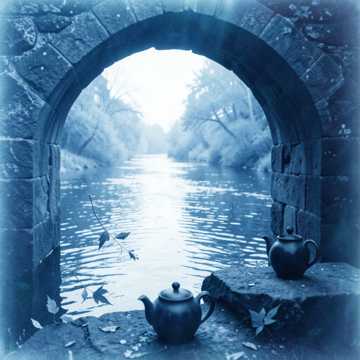
歌曲以潮州上津下津为轴,借韩江、工夫茶、牌坊街与家常滋味,描绘古城悠然流动的日常。温柔民谣旋律承载乡愁、待客之情与不问归期的安宁。
04:52
15 hours ago

金刚1层
歌曲以露骨且带有胁迫意味的成人独白推进,借助夸张的身体描写与群体围观场景制造压迫感;嘻哈、放克和高速鼓打贝斯强化了混乱、侵入与失控的氛围。
06:48
15 hours ago
金刚1层
歌曲以第一人称叙事描绘一名女性在群体胁迫与羞辱中的崩溃过程。强烈的性暴力文本与躁动节拍形成不适感,核心呈现权力失衡、旁观者冷漠及人格被剥夺的黑暗氛围。
07:18
15 hours ago

金刚1层
文本包含露骨的性暴力、胁迫和乱伦叙事,不适合生成美化、推广或情境化的歌曲分析。
04:25
15 hours ago

金刚1层
歌曲以第一人称叙述一名女性在暴力胁迫与羞辱中的痛苦经历。密集的命令、旁观者语言和身体感受共同构成窒息、失控且具有警示意味的黑暗叙事。
06:35
15 hours ago
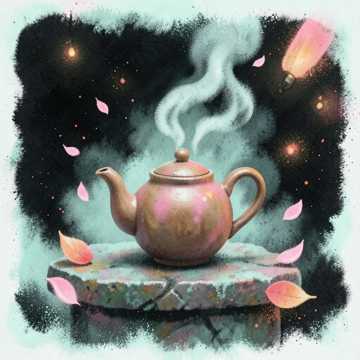
潮州·双津谣
歌曲以双津、韩江与工夫茶为线索,将潮州古城的街巷、戏台、渡口和家常滋味织入舒缓民谣,呈现传统文化与日常烟火交融的深情乡恋。
03:29
15 hours ago

金刚1层
歌曲以高密度、挑衅性的叙事与重复性段落营造压迫感,旋律风格指向嘻哈、放克和鼓打贝斯。歌词涉及露骨的性胁迫及乱伦内容,无法对其进行美化或推广性分析。
03:46
15 hours ago
Introduction to the Chinese Music Tag
Chinese music refers to the rich and diverse musical traditions originating from China, encompassing a wide range of genres, instruments, and styles. The history of Chinese music dates back over 3,000 years, evolving through various dynasties and influenced by cultural exchanges, philosophies, and political changes. Traditional Chinese music was deeply rooted in ritualistic and court music, with instruments like the guqin, pipa, and erhu playing pivotal roles. Over time, Chinese music expanded to include folk, religious, and popular forms, reflecting the dynamic cultural landscape of the country. In modern times, Chinese music has further diversified, incorporating elements of Western music while preserving its traditional essence.
Sub-tags and Classifications within Chinese Music
Traditional Chinese Music
Traditional Chinese music includes ancient and classical forms that have been passed down through generations. It is often performed with traditional instruments such as the guqin, pipa, erhu, and dizi. This sub-tag also encompasses regional folk music and operatic forms like Beijing opera and Kunqu.
Contemporary Chinese Music
Contemporary Chinese music reflects the fusion of traditional Chinese elements with modern and Western influences. This category includes genres like Mandopop and Cantopop, as well as modern adaptations of traditional music.
Chinese Classical Music
Chinese classical music is a formal genre that includes both traditional and modern compositions that follow the principles of classical music. It often features elaborate compositions, sophisticated musical techniques, and performances by virtuoso musicians.
Chinese Folk Music
Chinese folk music is an umbrella term for the diverse regional music traditions found throughout China. This includes the music of ethnic minorities, rural communities, and local celebrations, often characterized by the use of indigenous instruments and vocal styles.
Famous Artists and Works in Chinese Music
Lang Lang
Lang Lang is one of the most renowned Chinese pianists globally, known for his virtuosic technique and expressive performances. His work has popularized classical piano music in China and introduced Chinese musical elements to a global audience.
The Butterfly Lovers' Violin Concerto
Composed by He Zhanhao and Chen Gang in 1959, 'The Butterfly Lovers' Violin Concerto' is one of the most famous pieces of Chinese classical music. It tells a tragic love story through a blend of Western orchestral structure and Chinese melodic elements, particularly the use of the pentatonic scale.
Jay Chou
Jay Chou is a pioneering figure in the Mandopop genre, blending traditional Chinese music with pop, R&B, and hip-hop influences. His innovative approach has made him a cultural icon in China and across Asia.
Jay Chou's 'Blue and White Porcelain'
'Blue and White Porcelain' is a Mandopop song by Jay Chou that integrates traditional Chinese music with modern pop. The song features poetic lyrics and the use of Chinese instruments like the guzheng, showcasing Chou's ability to blend old and new musical styles.
Guo Wenjing
Guo Wenjing is a contemporary Chinese composer known for his work in both classical and film music. His compositions often explore the fusion of Chinese and Western musical traditions, making him a key figure in modern Chinese music.
Yellow River Cantata
Composed by Xian Xinghai during the Second Sino-Japanese War, 'Yellow River Cantata' is a patriotic work that has become a symbol of Chinese resistance and unity. The piece combines Western choral and orchestral traditions with Chinese musical themes, making it a cornerstone of Chinese classical music.
Application Scenarios for Chinese Music
Chinese music is frequently used in movie soundtracks to evoke cultural themes, set the tone of a scene, or emphasize emotional moments. For instance, the 'Crouching Tiger, Hidden Dragon' soundtrack, composed by Tan Dun, blends traditional Chinese instruments with orchestral music, creating an immersive cinematic experience.
Movie Soundtracks
The unique sounds of Chinese instruments and melodies are often used in advertising to create a distinct cultural identity or to appeal to Chinese audiences. For example, traditional music is commonly used in ads during the Lunar New Year season to evoke a sense of heritage and celebration.
Advertising Music
Chinese music is increasingly featured in video games, especially those with historical or fantasy settings based on Chinese culture. Games like 'Total War: Three Kingdoms' incorporate traditional Chinese music to enhance the authenticity and atmosphere of the gaming experience.
Video Game Background Music