Free Classical Music Generator Powered by AI
Turn text into high-quality Classical music effortlessly – no login required!

music.toolTips
Uyyrtyuu
A vulnerable inner dialogue traces the struggle to speak kindly to oneself. Through repeated admissions of fear, regret, and harsh self-judgment, the narrator chooses forgiveness and acceptance, transforming a fragile voice into a declaration of self-love.
04:14
4 days ago

Kiuyytfvh
A vulnerable self-love anthem follows a narrator confronting relentless self-judgment. Through a trembling confession, she chooses forgiveness, acceptance, and inner peace, turning a fragile voice into a song of compassion.
04:42
4 days ago
Whistle Arpeggios
An intimate instrumental ballad that begins with exposed whistling before unfolding into intricate classical guitar arpeggios, subtle bass, and fingertip cajón. Its minor-key phrasing, natural room detail, and gentle pace evoke quiet longing, memory, and late-night reflection.
03:17
4 days ago
Triomphe Orchestral
Une célébration orchestrale majestueuse qui s’ouvre sur une fanfare solennelle, gagne progressivement en intensité grâce aux cordes et aux cors, puis atteint un apogée triomphal digne d’une cérémonie prestigieuse. L’œuvre évoque la victoire, la reconnaissance et l’accomplissement, sans recours à la voix.
03:04
4 days ago
Triomphe des Nations
Une célébration symphonique instrumentale qui progresse d'une ouverture de cordes ample et retenue vers un sommet orchestral triomphal. Les cuivres, les bois et les percussions portent une mélodie ascendante, avant une cadence finale chaleureuse et digne.
03:15
4 days ago

Software
Una canción educativa de tono romántico e introspectivo que explica el software y sus tres grandes áreas: sistema, aplicación y programación. Sus versos presentan la relación entre programas, hardware, tareas cotidianas y creación de código.
03:20
4 days ago
My Home is YOU
A tender romantic composition that presents love as an emotional sanctuary. Through moderate classical phrasing and expressive male vocals, the song evokes devotion, intimacy, and the reassuring belief that home is found in the presence of a beloved.
02:53
4 days ago

Keep Your Name
A grave operatic dialogue reframes the sirens as witnesses and bearers of knowledge rather than lovers or monsters. Through rhythmic wordplay, alternating voices, and mythic contradictions, the song warns that hearing is not surrender: every listener remains responsible for the course they choose.
04:25
4 days ago
Overture Allegro
A lively early19th-century comic opera overture driven by nimble strings, witty woodwind exchanges, radiant brass, and dramatic pauses. Its polished theatrical momentum moves between mischief, anticipation, and exuberant release.
02:00
4 days ago

all too well
Das Lied erzählt von einer vergangenen Beziehung, deren scheinbar kleine Erinnerungsstücke weiter schmerzen. Zwischen Autofahrten, Küchentänzen und einem alten Schal verarbeitet die erzählende Person Verlust, Enttäuschung und die Unfähigkeit, eine einst seltene Liebe ganz loszulassen.
03:58
4 days ago
عشق
این ترانه روایت روحی سرگردان است که پیمانه، خانه، کاشانه و جانانه خود را گم کرده و از حبس تن و دنیا به ستوه آمده است. فضای کلاسیک و عرفانی اثر، اشتیاق رهایی، جستوجوی حقیقت و بازگشت به خویشتن را برجسته میکند.
03:44
4 days ago

It's not what you got
A sentimental love song about valuing a partner's character over material things. Through recurring promises of closeness and longing, the narrator finds reassurance in the beloved's eyes, turning restless thoughts into a hopeful vision of unity.
03:37
4 days ago

Tiny Carousel
A playful3/4 waltz that evokes a miniature carousel turning through a storybook world. Graceful strings, bright piano, flute, pizzicato figures, warm horns, and glockenspiel accents create a gentle journey that rises warmly before returning to a cheerful finale.
02:27
Invalid date
D String Minute
A one-minute classical violin miniature shaped as a graceful technical etude. Its singing opening grows into nimble double-stops and a brief rhapsodic ascent, then resolves with warmth, clarity, and the close presence of bow against string.
02:49
Invalid date
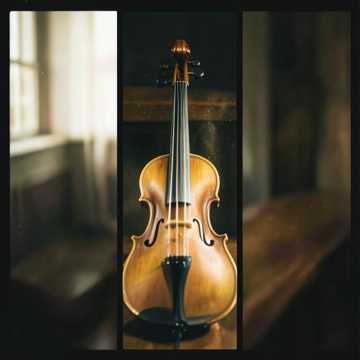
D Major Bow
An intimate solo violin miniature shaped by free rubato, lyrical arpeggios, and expressive double-stops. The music moves from solitary reflection through restless motion and sighing suspensions before returning to a warm singing melody that rises into a sustained high tonic.
03:09
Invalid date

Moonlit Toybox Waltz
A gentle3/4 waltz that feels like a moonlit toybox coming alive. Violin and clarinet trade playful phrases above soft piano arpeggios, while celesta, pizzicato strings, warm horns, and a tiny music-box motif create a tender journey through wonder, imagination, bedtime calm, and youthful discovery.
02:58
Invalid date
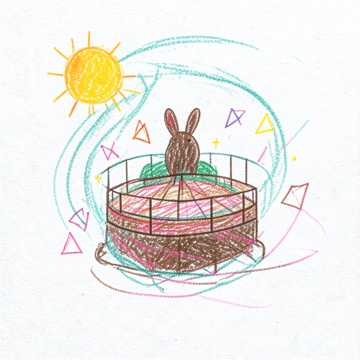
Carousel Bunny Waltz
A polished children's classical waltz that moves with the soft circular motion of a carousel. Playful flute and piano lead its simple opening, while harp, horn, fuller strings, and triangle add warmth to the joyful final return.
02:43
Invalid date
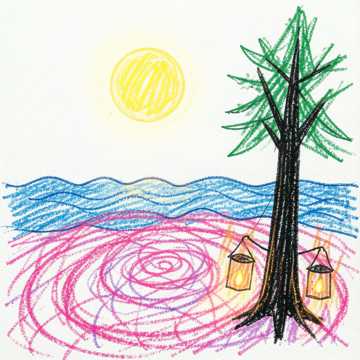
Moonlit Glass Waltz
A graceful instrumental waltz that moves from intimate violin and harp phrases to a radiant, shimmering second strain before resolving in a tender orchestral reprise. Its rubato pulse evokes moonlit ballroom dances, enchanted glass palaces, elegant fantasy scenes, and quiet moments of romantic reflection.
02:55
Invalid date
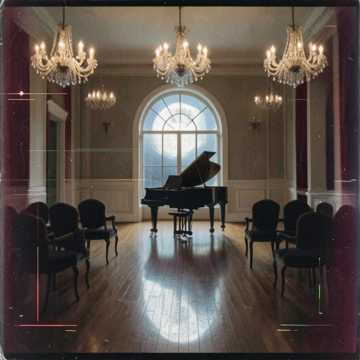
Moonlit Ballroom Waltz
A graceful instrumental waltz that moves from intimate piano and brushed cello textures into a radiant ensemble passage. Lyrical violin pickups, harp arpeggios, gentle rubato, and French horn warmth create the feeling of a moonlit ballroom, ending with a shimmering, suspended cadence.
03:19
Invalid date

best way
ይህዘፈንበተስፋ፣በታማኝነት፣በክብርናበሰውሁሉእኩልዕድልላይየተመሠረተመልዕክትያቀርባል።የሴትድምፅ፣የሶልስሜት፣የአፍሮቢትምትናየክላሲካልውበትተዋህደውለተሻለነገየሚያነሳሳድምፃዊጉዞይፈጥራሉ።
03:14
4 days ago
Introduction to Classical Music
Classical music, often referred to simply as 'Classical,' is a broad genre of music that originated in the traditions of Western culture, encompassing a wide period from the medieval era to the present day. Its development spans several centuries, with its roots deeply embedded in the liturgical and secular music of the Western world. The genre is characterized by its emphasis on formal styles, complex structures, and the use of notation to ensure precise performances. The Classical era itself, which ranges from the mid-18th century to the early 19th century, is often considered the pinnacle of this genre, marked by the works of composers like Haydn, Mozart, and Beethoven. Over time, Classical music has evolved, influencing and incorporating various styles and innovations from different periods and regions.
Sub-tags and Classifications of Classical Music
Baroque
The Baroque period, spanning from approximately 1600 to 1750, is known for its elaborate musical ornamentation, contrasting dynamics, and the development of tonality. Key composers of this era include Johann Sebastian Bach, George Frideric Handel, and Antonio Vivaldi. Baroque music often features complex counterpoint and was typically composed for both religious and secular settings.
Classical Period
The Classical period, roughly from 1750 to 1820, emphasized clarity, balance, and form, moving away from the ornate style of the Baroque. Composers such as Wolfgang Amadeus Mozart, Joseph Haydn, and Ludwig van Beethoven are central to this era. The music of the Classical period is known for its clear structure, with the sonata form being a dominant compositional method.
Romantic
The Romantic era, from about 1820 to 1900, focused on emotional expression, individualism, and the expansion of the orchestra. This period saw composers like Franz Schubert, Johannes Brahms, and Richard Wagner pushing the boundaries of traditional forms to convey deeper emotional content and dramatic intensity. Romantic music often features rich harmonies, dynamic contrasts, and expansive melodic lines.
20th Century and Contemporary
The 20th century and contemporary classical music reflect a broad range of styles, techniques, and ideologies, from the atonal works of Arnold Schoenberg to the minimalist compositions of Philip Glass. This period is marked by experimentation, the blending of classical traditions with modern and popular music influences, and the use of new technologies in composition and performance.
Famous Artists and Works in Classical Music
Ludwig van Beethoven
Beethoven is one of the most influential composers in the history of Western music. His works, including the 'Symphony No. 9' and 'Moonlight Sonata,' bridge the Classical and Romantic eras, showcasing his innovative use of form, harmony, and orchestration. Beethoven's music is renowned for its emotional depth and technical brilliance.
Symphony No. 9 in D minor, Op. 125
Beethoven's Symphony No. 9, also known as the 'Choral Symphony,' is a monumental work that introduced the use of a choir and vocal soloists in the final movement. The symphony's fourth movement features the famous 'Ode to Joy' theme, which has become an anthem for unity and brotherhood. This work is celebrated for its innovative structure, emotional depth, and powerful themes.
Wolfgang Amadeus Mozart
Mozart was a prolific composer who produced more than 600 works, including symphonies, operas, chamber music, and concertos. His compositions, such as 'The Magic Flute' and 'Requiem,' are celebrated for their melodic beauty, structural clarity, and emotional expressiveness.
The Magic Flute, K. 620
Mozart's 'The Magic Flute' is a two-act opera that blends elements of German singspiel with deep philosophical themes. The work is noted for its masterful use of orchestration, memorable arias, and the portrayal of complex characters. The opera remains one of the most performed works in the operatic repertoire.
Johann Sebastian Bach
Bach is often considered the greatest composer of the Baroque era. His works, such as the 'Brandenburg Concertos' and 'The Well-Tempered Clavier,' are revered for their complex counterpoint, rich harmonies, and intellectual depth. Bach's music has had a profound influence on subsequent generations of composers.
Brandenburg Concertos
Bach's 'Brandenburg Concertos' are a collection of six instrumental works that exemplify the Baroque concerto grosso form. Each concerto features a unique combination of instruments and showcases Bach's skill in fusing counterpoint with virtuosic demands. These works are celebrated for their complexity, creativity, and enduring appeal.
Frédéric Chopin
Chopin, a leading figure in the Romantic era, is known for his piano compositions, which include nocturnes, études, and sonatas. His music is characterized by its poetic lyricism, technical demands, and emotional intensity. Works like the 'Nocturne in E-flat major, Op. 9 No. 2' remain cornerstones of the piano repertoire.
Piano Concerto No. 2 in F minor, Op. 21
Chopin's Piano Concerto No. 2 is a Romantic masterpiece that highlights the expressive possibilities of the piano. The concerto is known for its lyrical second movement, which showcases Chopin's ability to convey deep emotion through subtle harmonic shifts and delicate phrasing. This work remains a favorite among pianists and audiences alike.
Application Scenarios for Classical Music
Classical music is frequently used in movie soundtracks to enhance the emotional depth of scenes and convey complex narratives. Works such as Richard Wagner's 'Ride of the Valkyries' or Johann Pachelbel's 'Canon in D' are often used to evoke specific moods or underscore dramatic moments.
Movie Soundtracks
In advertising, Classical music is often used to create a sense of elegance, sophistication, and timelessness. Pieces like Mozart's 'Eine kleine Nachtmusik' are commonly used in commercials to convey a refined atmosphere or appeal to a high-end market.
Advertising Music
Classical music is also used in video games to enhance the gaming experience, particularly in titles that require a grand or epic feel. For example, Gustav Holst's 'Mars, the Bringer of War' from 'The Planets' suite is often used in strategy games to create tension and anticipation.
Game Background Music