Free Classical Music Generator Powered by AI
Turn text into high-quality Classical music effortlessly – no login required!

music.toolTips
Julia Rezina Valss
Лирический вальс о далёкой утрате, внезапно ожившей памяти и просьбе о прощении. Сквозь образы весеннего цветения, звёздной дали и исчезающей мелодии звучит хрупкая, почти призрачная история несостоявшейся встречи.
03:05
3 days ago
Julia Rezina Valss
Лирический вальс о боли воспоминания, утраченной встрече и просьбе о прощении. Образы весны, цветущего сада и далекой галактики создают призрачную атмосферу, где нежность переплетается с неизбежным исчезновением.
03:30
3 days ago

Julia Rezina Valss
Поэтический вальс-романс рисует космически далёкую, но глубоко личную сцену утраты. Безутешный альт просит прощения, пока цветущая весна, воспоминания о встрече и образ усталой женщины растворяются в тихом пианиссимо.
03:44
3 days ago
Julia Rezina Valss
Лирическая героиня обращается к далёкой женщине, пробуждая память о встрече, вине и разрушении. Образ миндального цвета, небесных кудрей и старинного вальса постепенно растворяется в туманной музыкальной драме, где безутешный альт просит прощения, а фортепиано завершает историю почти неслышным пианиссимо.
02:58
3 days ago

Winter Waltz
A graceful winter waltz that moves from sparse, icy bell tones into luminous orchestral romance. Celesta, harp, flute, woodwinds, and warm strings create an enchanted arc suited to snowy landscapes, fantasy storytelling, holiday scenes, elegant dance, reflective moments, and cinematic closing sequences.
04:00
3 days ago
Julia Rezina Valss
Лирический вальс-романс о воспоминании, которое возвращается через плачущий альт, весеннее цветение и призрачную встречу. Музыка движется от светлой нежности к безутешному раскаянию, растворяясь в почти неслышном финале.
03:20
3 days ago

HEY AZHAGEY
காதலால் உடைந்த மனம், காதலியின் அழகில் மீண்டும் உயிர்பெறுகிறது. அவள் விலகிவிடக் கூடாதென்ற ஏக்கம், தொடுதலின் பரவசம், பொறாமை, நம்பிக்கை இழப்பு மற்றும் ஆயுள் முழுதும் அவளோடு இருக்கவேண்டிய ஆசை பாடலின் மையமாகிறது.
05:14
4 days ago
Seven Note Fugue
A focused instrumental fugue driven by a recurring seven-note cell. Crisp harpsichord lines enter in close imitation, building from a solitary statement into intertwined counterpoint before resolving with a lucid final return.
02:24
Invalid date
Cathedral Fugue
A vivid Baroque fugue for close-miked harpsichord, built from a precise solo subject into agile layers of imitation. Sequential modulations and a brief pedal-point surge lead to a fuller, radiant final reprise.
02:18
Invalid date
Come, Tender Spring
A pastoral celebration of spring's return, tracing thaw, birdsong, blossom, rain, and newly stirring roots. Its formal vocal fugue turns small natural changes into one shared gesture of renewal, ending with the landscape joined in a living phrase.
02:28
Invalid date

Ich lieb Dich noch immer
Eine tieftraurige Ballade über einen Menschen, der nach einem plötzlichen Abschied in Erinnerungen, Einsamkeit und unerfüllter Sehnsucht gefangen bleibt. Zwischen Regen, Stille und alten Versprechen bewahrt das lyrische Ich die Liebe als schmerzvolle, bleibende Erinnerung.
05:23
4 days ago

ich Liebe Dich
Die Ballade erzählt von einem Menschen, der nach dem plötzlichen Verlust einer geliebten Person in Erinnerungen, Stille und Schmerz gefangen ist. Trotz der unheilbaren Leere bewahrt er die gemeinsame Vergangenheit tief im Herzen.
04:48
4 days ago
Himayn ruin
Mi lavaa hithugai oiy rihun, nimumuge thagudheeru, adhi anburā nufennā loabi handhaanugai dhiriulhun andhirivaa gothah dhakkaa himaenkamuge thaashivee vaahakaeh.
04:16
4 days ago

برای خواهرم
این قطعه دکلمهای رمانتیک، خواهر را با نمادهای شیرین و ارزشمند فرهنگ ایرانی میستاید. راوی در سرمای زندگی، آغوش خواهر را پناه و بزرگترین برد خود میداند؛ اثری سرشار از محبت خانوادگی، قدردانی و آرامش.
01:17
4 days ago
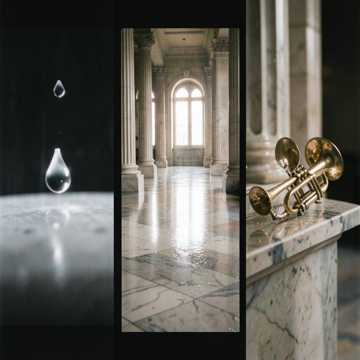
Rain Over Marble
A wordless orchestral lament shaped by fragile piano arpeggios, legato strings, and distant trumpet calls. Its slow rubato motion grows from private grief into a broad cinematic swell, then fades like rain receding across cold marble.
03:28
4 days ago
Iiuyytrrfgu
A vulnerable narrator confronts relentless self-judgment and learns to offer themselves compassion. Through trembling vocals, reflective verses, and a healing refrain, the song transforms inner conflict into a gentle act of self-acceptance.
04:07
4 days ago
Moonlit Earth
A spacious orchestral journey from intimate solo piano to a warm, sweeping symphonic bloom, then back to a serene, high-string glow. Its graceful pulse and transparent concert-hall sound evoke quiet wonder, natural beauty, and the Earth resting beneath moonlight.
03:13
4 days ago
suvvi
శ్రీ వేంకటేశుని శ్రీదేవి, భూదేవులతో దివ్య కల్యాణాన్ని సఖుల మంగళగీత స్వరంలో వర్ణించే భక్తి కీర్తన ఇది. సౌభాగ్యం, ఆభరణాలు, నవనిధులు, ఆనందోత్సాహాలతో నిండిన వేడుకను కాపీ రాగ భావం మరింత మృదువుగా తీర్చిదిద్దుతుంది.
02:34
Invalid date

Crystal Birthday Waltz
A polished instrumental piano waltz that moves from poised simplicity to a warmer, fuller celebration. Bright melodic lines, flowing arpeggios, and delicate ornamentation create an uplifting atmosphere suited to elegant birthdays and formal occasions.
03:00
4 days ago
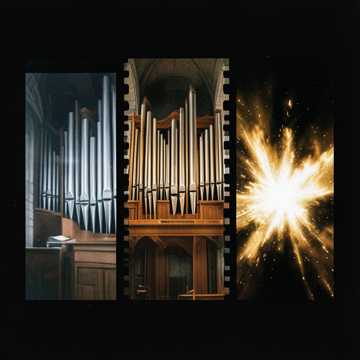
Cathedral Brass Vault
An instrumental organ work shaped as a long, ascending architectural arc. Quiet registrations bloom into a chorale-like central rise before culminating in a brilliant major-key tutti, balancing sacred grandeur, deep resonance, and exultant release.
03:30
4 days ago
Introduction to Classical Music
Classical music, often referred to simply as 'Classical,' is a broad genre of music that originated in the traditions of Western culture, encompassing a wide period from the medieval era to the present day. Its development spans several centuries, with its roots deeply embedded in the liturgical and secular music of the Western world. The genre is characterized by its emphasis on formal styles, complex structures, and the use of notation to ensure precise performances. The Classical era itself, which ranges from the mid-18th century to the early 19th century, is often considered the pinnacle of this genre, marked by the works of composers like Haydn, Mozart, and Beethoven. Over time, Classical music has evolved, influencing and incorporating various styles and innovations from different periods and regions.
Sub-tags and Classifications of Classical Music
Baroque
The Baroque period, spanning from approximately 1600 to 1750, is known for its elaborate musical ornamentation, contrasting dynamics, and the development of tonality. Key composers of this era include Johann Sebastian Bach, George Frideric Handel, and Antonio Vivaldi. Baroque music often features complex counterpoint and was typically composed for both religious and secular settings.
Classical Period
The Classical period, roughly from 1750 to 1820, emphasized clarity, balance, and form, moving away from the ornate style of the Baroque. Composers such as Wolfgang Amadeus Mozart, Joseph Haydn, and Ludwig van Beethoven are central to this era. The music of the Classical period is known for its clear structure, with the sonata form being a dominant compositional method.
Romantic
The Romantic era, from about 1820 to 1900, focused on emotional expression, individualism, and the expansion of the orchestra. This period saw composers like Franz Schubert, Johannes Brahms, and Richard Wagner pushing the boundaries of traditional forms to convey deeper emotional content and dramatic intensity. Romantic music often features rich harmonies, dynamic contrasts, and expansive melodic lines.
20th Century and Contemporary
The 20th century and contemporary classical music reflect a broad range of styles, techniques, and ideologies, from the atonal works of Arnold Schoenberg to the minimalist compositions of Philip Glass. This period is marked by experimentation, the blending of classical traditions with modern and popular music influences, and the use of new technologies in composition and performance.
Famous Artists and Works in Classical Music
Ludwig van Beethoven
Beethoven is one of the most influential composers in the history of Western music. His works, including the 'Symphony No. 9' and 'Moonlight Sonata,' bridge the Classical and Romantic eras, showcasing his innovative use of form, harmony, and orchestration. Beethoven's music is renowned for its emotional depth and technical brilliance.
Symphony No. 9 in D minor, Op. 125
Beethoven's Symphony No. 9, also known as the 'Choral Symphony,' is a monumental work that introduced the use of a choir and vocal soloists in the final movement. The symphony's fourth movement features the famous 'Ode to Joy' theme, which has become an anthem for unity and brotherhood. This work is celebrated for its innovative structure, emotional depth, and powerful themes.
Wolfgang Amadeus Mozart
Mozart was a prolific composer who produced more than 600 works, including symphonies, operas, chamber music, and concertos. His compositions, such as 'The Magic Flute' and 'Requiem,' are celebrated for their melodic beauty, structural clarity, and emotional expressiveness.
The Magic Flute, K. 620
Mozart's 'The Magic Flute' is a two-act opera that blends elements of German singspiel with deep philosophical themes. The work is noted for its masterful use of orchestration, memorable arias, and the portrayal of complex characters. The opera remains one of the most performed works in the operatic repertoire.
Johann Sebastian Bach
Bach is often considered the greatest composer of the Baroque era. His works, such as the 'Brandenburg Concertos' and 'The Well-Tempered Clavier,' are revered for their complex counterpoint, rich harmonies, and intellectual depth. Bach's music has had a profound influence on subsequent generations of composers.
Brandenburg Concertos
Bach's 'Brandenburg Concertos' are a collection of six instrumental works that exemplify the Baroque concerto grosso form. Each concerto features a unique combination of instruments and showcases Bach's skill in fusing counterpoint with virtuosic demands. These works are celebrated for their complexity, creativity, and enduring appeal.
Frédéric Chopin
Chopin, a leading figure in the Romantic era, is known for his piano compositions, which include nocturnes, études, and sonatas. His music is characterized by its poetic lyricism, technical demands, and emotional intensity. Works like the 'Nocturne in E-flat major, Op. 9 No. 2' remain cornerstones of the piano repertoire.
Piano Concerto No. 2 in F minor, Op. 21
Chopin's Piano Concerto No. 2 is a Romantic masterpiece that highlights the expressive possibilities of the piano. The concerto is known for its lyrical second movement, which showcases Chopin's ability to convey deep emotion through subtle harmonic shifts and delicate phrasing. This work remains a favorite among pianists and audiences alike.
Application Scenarios for Classical Music
Classical music is frequently used in movie soundtracks to enhance the emotional depth of scenes and convey complex narratives. Works such as Richard Wagner's 'Ride of the Valkyries' or Johann Pachelbel's 'Canon in D' are often used to evoke specific moods or underscore dramatic moments.
Movie Soundtracks
In advertising, Classical music is often used to create a sense of elegance, sophistication, and timelessness. Pieces like Mozart's 'Eine kleine Nachtmusik' are commonly used in commercials to convey a refined atmosphere or appeal to a high-end market.
Advertising Music
Classical music is also used in video games to enhance the gaming experience, particularly in titles that require a grand or epic feel. For example, Gustav Holst's 'Mars, the Bringer of War' from 'The Planets' suite is often used in strategy games to create tension and anticipation.
Game Background Music