Free Classical Music Generator Powered by AI
Turn text into high-quality Classical music effortlessly – no login required!

music.toolTips

Nav geet 21oct
यह गीत साधना, सत्यनिष्ठा और आत्मपहचान को जीवन की दिशा मानता है। संघर्षों से न घबराकर कर्म, मौन, प्रेम और मानवता के माध्यम से भीतर का दीप जलाने तथा हर अंधकार में विश्वास और नई आशा फैलाने का संदेश देता है।
03:04
2 days ago
Barque de la Danse
Une valse baroque de chambre où violons agiles, harpe et bois colorés font alterner faste cérémoniel, joie dansante, tension mineure et tendre nostalgie dans une acoustique de concert chaleureuse.
04:59
2 days ago
Canto Sacro
Una composición instrumental de carácter litúrgico que une el órgano de iglesia con cuerdas delicadas. Su cadencia meditativa y solemne evoca un espacio de silencio, devoción y contemplación serena.
03:38
2 days ago

Vintage Whimsy
A gentle vintage cinematic instrumental that unfolds like a charming illustrated tale. Soft piano and bell tones invite quiet wonder before buoyant strings and whimsical woodwinds create a graceful, nostalgic lilt.
02:38
2 days ago
EAU, VAGUE, HARMONIE
Portée par une voix masculine et un orchestre classique, la chanson transforme la mer en symbole de conscience écologique. Entre ferveur lyrique et inquiétude face à la marchandisation du monde, elle appelle à préserver la Terre par l'écoute, le mouvement et l'harmonie.
01:39
2 days ago

كاسك
تواجه الأغنية حبيباً أخفق في فهم القلب والمشاعر، فتعلن نهاية علاقة أنهكها الأذى واختلاف الطرق. وبين العتاب والمرارة، تمنحه المتكلمة دعوة صادقة لحياة جديدة وكأس ممتلئ بالحب.
02:48
2 days ago
longtemps j'ai espérée
Cette chanson exprime l'attente obstinée d'un amour unique. Entre espoir, souffrance secrète et désir absolu, la narratrice reconnaît son besoin d'être aimée tout en cherchant une lumière intérieure pour s'aimer elle-même.
03:15
2 days ago

دانا
تعبّر الأغنية عن عشق عميق لدانة، بوصفها الحبيبة والحياة والربيع الذي يملأ القلب سعادة. يجمع النص بين الشوق والامتنان والوفاء، بينما يمنح اللحن الكلاسيكي البطيء أجواء رومانسية دافئة وحالمة.
02:06
2 days ago

Valse de l’ombre
Une pièce instrumentale ample et intimiste qui évoque une danse nocturne dans une salle oubliée. Son harmonie modale, son rubato souple et ses couleurs orchestrales passent de la fragilité des cordes à une chaleur cuivrée, avant de s’effacer dans une lumière translucide.
03:30
Invalid date
Waltz of Triumph
A stately3/4 orchestral waltz that unfolds from delicate bell-like chimes and warm strings into expansive melodies, brilliant brass calls, and a full symphonic climax. Its spacious final cadence leaves a feeling of honor, celebration, and hard-won victory.
03:04
2 days ago
Solo Violin Theme
An expressive cinematic instrumental led by solo violin. Its exposed opening grows through sustained strings and measured percussion into a memorable, dramatic refrain, before returning to a fragile and graceful violin-led resolution.
03:20
2 days ago
Julia Rezina Valss
Лирическая героиня вспоминает исчезнувшую встречу, пока безутешный альт просит прощения над образом уходящего старинного вальса. Цветочная метель, небесные кудри и угасающая мелодия превращают песню в мистическое признание о памяти, боли и невозможности вернуть прошлое.
03:14
2 days ago
Julia Rezina Valss
Лирический вальс о невозвратной встрече, вине и попытке услышать прощение сквозь время. Космические и весенние образы соединяются с камерной болью: печальный альт ведёт героиню к исчезновению мелодии и призраку уставшей женщины в парке.
03:17
2 days ago
Be Holy
A devotional electronic-classical anthem in which a believer feels God's love in nature, seeks holiness and truth, and asks for protection while embracing a sacred calling.
03:42
2 days ago

Căn nhà của tôi bay qua đại dương
Một người du hành trong căn nhà bay trên mây, băng qua đại dương, rừng núi và những thành phố xa lạ. Giai điệu thanh bình tôn vinh tự do, niềm hy vọng và cảm giác mọi chân trời đều có thể trở thành nhà.
07:23
2 days ago
hàng triệu vì sao thức giấc
Ca khúc đa ngôn ngữ vẽ nên viễn cảnh nhân loại đón những lữ khách giữa các vì sao vào cuối năm2026. Trên nền giai điệu cổ điển thanh thản, bài hát đề cao lòng cởi mở, sự thận trọng, tri thức và hòa bình trước điều chưa biết.
07:25
2 days ago
fr
Cette composition classique sans paroles développe une ambiance paisible et enveloppante. Sa mélodie douce privilégie la respiration, la clarté harmonique et une émotion contemplative, adaptée aux moments de repos, de lecture, de méditation ou de concentration.
03:30
2 days ago
Sonata in G Major
A polished instrumental sonata in G major, this work unfolds through formal clarity, lyrical reflection, courtly dance, and spirited momentum. Full acoustic orchestra, balanced dynamics, and elegant counterpoint create a refined atmosphere suited to concert listening, period-inspired scenes, cultural events, and focused study.
02:42
2 days ago

نفس
نفس روایت عاشقی است که با وجود فریب و رنج، معشوق را همچنان فرشته میبیند. راوی در اوج دلتنگی میپرسد پس از او چه کسی چنین بیخستگی دوست خواهد داشت و نبودنش را با از دست دادن نفس پیوند میزند.
01:19
2 days ago
خواهریی
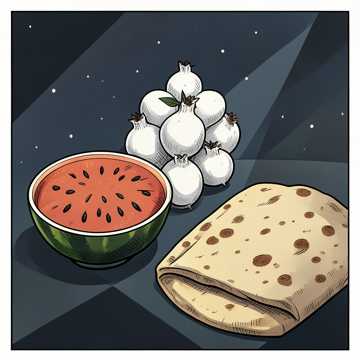
این قطعه ستایشی صمیمی از خواهر است؛ حضوری شیرین، ارزشمند و درمانگر که در سرمای زندگی پناهی گرم میشود. تصویرهای بومی ایران، عشق خانوادگی را با زبان دکلمهای رمانتیک و پرشتاب برجسته میکنند.
01:43
2 days ago
Introduction to Classical Music
Classical music, often referred to simply as 'Classical,' is a broad genre of music that originated in the traditions of Western culture, encompassing a wide period from the medieval era to the present day. Its development spans several centuries, with its roots deeply embedded in the liturgical and secular music of the Western world. The genre is characterized by its emphasis on formal styles, complex structures, and the use of notation to ensure precise performances. The Classical era itself, which ranges from the mid-18th century to the early 19th century, is often considered the pinnacle of this genre, marked by the works of composers like Haydn, Mozart, and Beethoven. Over time, Classical music has evolved, influencing and incorporating various styles and innovations from different periods and regions.
Sub-tags and Classifications of Classical Music
Baroque
The Baroque period, spanning from approximately 1600 to 1750, is known for its elaborate musical ornamentation, contrasting dynamics, and the development of tonality. Key composers of this era include Johann Sebastian Bach, George Frideric Handel, and Antonio Vivaldi. Baroque music often features complex counterpoint and was typically composed for both religious and secular settings.
Classical Period
The Classical period, roughly from 1750 to 1820, emphasized clarity, balance, and form, moving away from the ornate style of the Baroque. Composers such as Wolfgang Amadeus Mozart, Joseph Haydn, and Ludwig van Beethoven are central to this era. The music of the Classical period is known for its clear structure, with the sonata form being a dominant compositional method.
Romantic
The Romantic era, from about 1820 to 1900, focused on emotional expression, individualism, and the expansion of the orchestra. This period saw composers like Franz Schubert, Johannes Brahms, and Richard Wagner pushing the boundaries of traditional forms to convey deeper emotional content and dramatic intensity. Romantic music often features rich harmonies, dynamic contrasts, and expansive melodic lines.
20th Century and Contemporary
The 20th century and contemporary classical music reflect a broad range of styles, techniques, and ideologies, from the atonal works of Arnold Schoenberg to the minimalist compositions of Philip Glass. This period is marked by experimentation, the blending of classical traditions with modern and popular music influences, and the use of new technologies in composition and performance.
Famous Artists and Works in Classical Music
Ludwig van Beethoven
Beethoven is one of the most influential composers in the history of Western music. His works, including the 'Symphony No. 9' and 'Moonlight Sonata,' bridge the Classical and Romantic eras, showcasing his innovative use of form, harmony, and orchestration. Beethoven's music is renowned for its emotional depth and technical brilliance.
Symphony No. 9 in D minor, Op. 125
Beethoven's Symphony No. 9, also known as the 'Choral Symphony,' is a monumental work that introduced the use of a choir and vocal soloists in the final movement. The symphony's fourth movement features the famous 'Ode to Joy' theme, which has become an anthem for unity and brotherhood. This work is celebrated for its innovative structure, emotional depth, and powerful themes.
Wolfgang Amadeus Mozart
Mozart was a prolific composer who produced more than 600 works, including symphonies, operas, chamber music, and concertos. His compositions, such as 'The Magic Flute' and 'Requiem,' are celebrated for their melodic beauty, structural clarity, and emotional expressiveness.
The Magic Flute, K. 620
Mozart's 'The Magic Flute' is a two-act opera that blends elements of German singspiel with deep philosophical themes. The work is noted for its masterful use of orchestration, memorable arias, and the portrayal of complex characters. The opera remains one of the most performed works in the operatic repertoire.
Johann Sebastian Bach
Bach is often considered the greatest composer of the Baroque era. His works, such as the 'Brandenburg Concertos' and 'The Well-Tempered Clavier,' are revered for their complex counterpoint, rich harmonies, and intellectual depth. Bach's music has had a profound influence on subsequent generations of composers.
Brandenburg Concertos
Bach's 'Brandenburg Concertos' are a collection of six instrumental works that exemplify the Baroque concerto grosso form. Each concerto features a unique combination of instruments and showcases Bach's skill in fusing counterpoint with virtuosic demands. These works are celebrated for their complexity, creativity, and enduring appeal.
Frédéric Chopin
Chopin, a leading figure in the Romantic era, is known for his piano compositions, which include nocturnes, études, and sonatas. His music is characterized by its poetic lyricism, technical demands, and emotional intensity. Works like the 'Nocturne in E-flat major, Op. 9 No. 2' remain cornerstones of the piano repertoire.
Piano Concerto No. 2 in F minor, Op. 21
Chopin's Piano Concerto No. 2 is a Romantic masterpiece that highlights the expressive possibilities of the piano. The concerto is known for its lyrical second movement, which showcases Chopin's ability to convey deep emotion through subtle harmonic shifts and delicate phrasing. This work remains a favorite among pianists and audiences alike.
Application Scenarios for Classical Music
Classical music is frequently used in movie soundtracks to enhance the emotional depth of scenes and convey complex narratives. Works such as Richard Wagner's 'Ride of the Valkyries' or Johann Pachelbel's 'Canon in D' are often used to evoke specific moods or underscore dramatic moments.
Movie Soundtracks
In advertising, Classical music is often used to create a sense of elegance, sophistication, and timelessness. Pieces like Mozart's 'Eine kleine Nachtmusik' are commonly used in commercials to convey a refined atmosphere or appeal to a high-end market.
Advertising Music
Classical music is also used in video games to enhance the gaming experience, particularly in titles that require a grand or epic feel. For example, Gustav Holst's 'Mars, the Bringer of War' from 'The Planets' suite is often used in strategy games to create tension and anticipation.
Game Background Music