Free Funeral Music Generator Powered by AI
Turn text into high-quality Funeral music effortlessly – no login required!

music.toolTips

ஆண்டவரே, உம் திருமுன்
மறைந்த உறவுகள் மற்றும் நண்பர்களின் ஆன்ம அமைதிக்காக ஆண்டவரிடம் இரக்கமும் விண்ணக அருளும் வேண்டுகிறது. பிரிவின் கண்ணீரை உயிர்த்தெழுதல், நித்திய வாழ்வு, இறைநம்பிக்கை ஆகியவற்றின் ஒளியில் ஆறுதலாக மாற்றும் மெதுவான இரங்கல் திருப்பாடல்.
03:58
4 hours ago

ஆண்டவரே, உம் திருமுன்
மறைந்த உறவுகள் மற்றும் நண்பர்களின் ஆன்மாக்கள் இறையொளியில் இளைப்பாற வேண்டி பாடப்படும் இரங்கல் பிரார்த்தனை இது. பிரிவின் துயரத்துடன், உயிர்த்தெழுதல், நித்திய வாழ்வு, இறைஅருள் ஆகியவற்றின் மீது நம்பிக்கையையும் ஆறுதலையும் வெளிப்படுத்துகிறது.
04:05
4 hours ago

Último Arque
Uma elegia instrumental para violoncelo solo, construída sobre silêncios, graves frágeis e frases agudas de intensa dor. A música cresce lentamente até um clímax emocional e recua para uma nota final inconclusa, como uma despedida que permanece ecoando.
03:16
1 days ago

ValVakum
Медитативний реквієм від імені полеглого воїна, який звертається до матері після переходу у вічність. Крізь образи згарища, тиші й небесного світла композиція проводить шлях від жаху втрати до спокою, свободи та незримого перебування поруч.
04:39
1 days ago
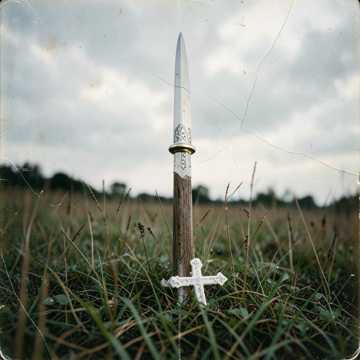
gentils galants
Cette complainte médiévale suit une femme cherchant des nouvelles de son aimé parti à la guerre. L'annonce de sa mort en Bretagne transforme le récit chevaleresque en élégie funèbre, amplifiée par une esthétique dark wave sombre et une voix féminine habitée.
01:57
Invalid date
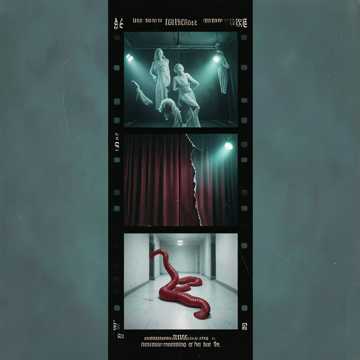
Conqueror Worm
A macabre theatre play depicts humanity as puppets trapped in fear, madness, and sin. As the lights fail, a blood-red worm devours the performers, and angels declare the bleak truth: mankind's tragedy belongs to the conqueror worm.
02:56
2 days ago
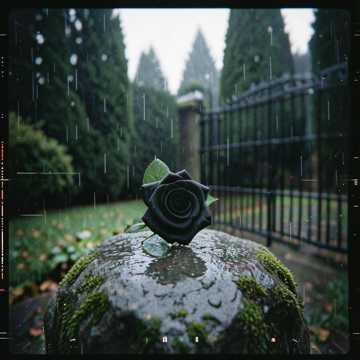
A Black Rose on Your Grave
A grieving narrator returns to a loved one's grave with a black rose, finding their absence in everyday objects and village silence. Through changing seasons, the song transforms mourning into a steadfast vow to preserve memory, love, and shared history.
04:54
3 days ago

Hell’s Bells
A gothic reinterpretation of bell imagery traces a chilling emotional arc: joyful golden chimes become icy silver rhythms, panicked brass alarms, and oppressive iron tolls. The female vocal mood heightens its passage from romance and wonder into terror, madness, and death.
05:30
4 days ago
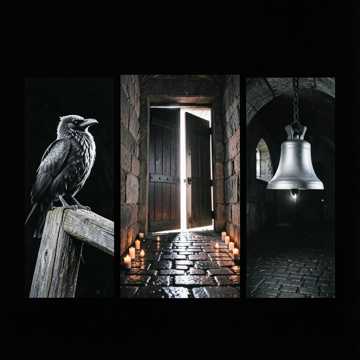
Raven Funeral Rite
A slow, menacing metal procession that evolves from haunted field ambience into crushing riffs, double-kick propulsion, bell-laden rises, and expansive chugging choruses. Its cinematic production evokes a supernatural funeral rite within cold, echoing stone chambers.
04:07
4 days ago

Grave Bell Ritual
An ominous heavy metal ritual built from funeral bells, tribal drums, chugging guitars, gang shouts, raven cries, and earth-rumble transitions. Its mid-tempo gallop creates a cinematic descent into darkness, suited to horror soundtracks, gothic ceremonies, battle scenes, and high-intensity moments.
04:15
4 days ago

Ірочко в небесах
Щира меморіальна балада про молоду Ірочку, чия загибель у ДТП залишила біль у серцях близьких. Через образи небес, ангела й спокою в Раю пісня перетворює скорботу на лагідне прощання та світлу пам'ять.
02:03
4 days ago

peace
Dispela singsing em wanpela sori bilong pikinini i lusim papa bilong em. Em i bungim tokples na Tok Pisin bilong stori long matmat, famili, solwara, Bowackup na bilip olsem papa i kisim malolo, kamap fri na go bek long ples bilong spirit.
05:18
5 days ago

peace
Wanpela pikinini meri i krai na tok gutbai long papa bilong em. Long sori, tingting, na promis bilong holim nem bilong papa, em i larim em i go long malolo na ples bilong ol long Bowackup.
05:57
5 days ago

Final day
A furious narrator confronts mourners who ignored his pain while he lived, condemning their funeral tears as hollow. Heavy rock intensity turns loneliness, betrayal, and death into a defiant declaration: nothing has changed.
04:35
6 days ago

Final day
A bitter heavy rock farewell confronting friends and family whose grief arrives too late. The narrator recalls years of neglect, rejects empty funeral tears, and insists that death changed nothing because abandonment had already begun long before the final day.
04:50
6 days ago

Final day
A wounded narrator confronts friends and family who ignored his suffering in life but mourn him publicly after death. Driven by thunderous rock energy and a powerful refrain, the song exposes performative grief, emotional abandonment, and the lasting pain of being pushed away.
05:47
6 days ago
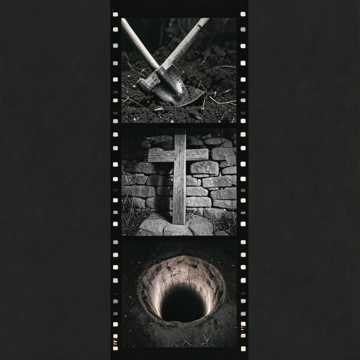
TRITONOS -EL ENTERRADOR
Una visión funeraria sigue al Enterrador, figura maldita que pacta con la muerte y carga cuerpos bajo cruces inclinadas. Entre pestilencia, fosas eternas y solos de guitarra frigios, la canción retrata su labor como una condena oscura e incesante.
05:23
Invalid date

Adieu 2
Cette chanson rend hommage à Maré, un frère disparu, lors de son dernier voyage. Entre piano mélancolique, voix féminine et pulsation funk très lente, elle rassemble famille et amis dans une cérémonie musicale empreinte de chagrin, de tendresse, de prière et de mémoire éternelle.
05:00
14 days ago

Adieu
Adieu accompagne le départ de Maré avec une profonde tendresse. Entre piano mélancolique, voix douces et prénoms réunis, la chanson évoque le chagrin collectif, l'hommage familial et la promesse que son souvenir demeurera vivant.
04:44
14 days ago

Graveside Belcher
A solemn funeral is disrupted when Melcher unleashes an enormous belch at the graveside. Through darkly comic verses and a lurching singalong chorus, the song transforms social embarrassment and grief into affectionate, theatrical absurdity.
02:52
15 days ago
Introduction to the Funeral Music Genre
Funeral music, often referred to as Funeral Doom, is a subgenre of doom metal known for its slow tempos, mournful melodies, and melancholic atmosphere. It emerged in the early 1990s as a darker, more atmospheric extension of traditional doom metal. The genre typically features lengthy compositions with sparse instrumentation, heavy use of reverb, and deeply resonant vocals, often exploring themes of death, grief, and despair. The origins of Funeral Doom can be traced back to bands like Thergothon and Skepticism, who laid the groundwork for the genre's distinct sound.
Sub-tags and Classifications within the Funeral Music Genre
Traditional Funeral Doom
Traditional Funeral Doom is characterized by its extremely slow tempo, minimalistic approach, and heavy atmosphere. It often features deep, growling vocals, thick, droning guitar riffs, and the use of keyboards or organs to enhance the somber mood. This style is heavily influenced by the early pioneers of the genre and remains true to its roots.
Funeral Doom with Classical Elements
This sub-genre incorporates classical music elements into the Funeral Doom framework. It often includes orchestral arrangements, operatic vocals, and the use of classical instruments like piano, strings, and woodwinds. The fusion of these elements creates a more refined and grandiose atmosphere while maintaining the core melancholic essence of Funeral Doom.
Atmospheric Funeral Doom
Atmospheric Funeral Doom emphasizes creating an immersive and expansive soundscape. This sub-genre often incorporates ambient music influences, with extended instrumental passages, layered textures, and a focus on creating a deep, immersive atmosphere. The mood is typically bleak and introspective, often evoking feelings of solitude and despair.
Funeral Drone
Funeral Drone is a minimalistic and experimental offshoot of Funeral Doom that focuses on the use of sustained, droning tones and an almost complete absence of rhythm. The compositions are often very long, with little to no traditional structure, and aim to evoke a meditative or trance-like state in the listener. This sub-genre is characterized by its extreme slowness and emphasis on atmosphere over melody.
Famous Artists and Works in the Funeral Music Genre
Thergothon
Thergothon is often credited as one of the founding bands of Funeral Doom. Their 1994 album 'Stream from the Heavens' is considered a seminal work in the genre, establishing the slow, mournful, and atmospheric sound that would define Funeral Doom.
Stream from the Heavens by Thergothon
This album is often regarded as the blueprint for the Funeral Doom genre. With its slow, dirge-like compositions, deep growls, and ethereal atmosphere, 'Stream from the Heavens' set the standard for what Funeral Doom would become. The album's use of reverb and minimalistic instrumentation creates a sense of vast, desolate space, perfectly complementing its themes of cosmic despair.
Skepticism
Skepticism is another pioneering band in the Funeral Doom genre, known for their unique use of keyboards and organs to create a haunting, cathedral-like atmosphere. Their 1995 album 'Stormcrowfleet' is a landmark in the genre, known for its deep, resonant soundscapes and profound emotional impact.
Stormcrowfleet by Skepticism
'Stormcrowfleet' is a key work in the Funeral Doom genre, known for its use of pipe organs and its deeply resonant, almost liturgical atmosphere. The album's slow, heavy riffs and mournful melodies are complemented by the haunting, echoing vocals, creating a sense of solemnity and gravitas. It is a defining example of how Funeral Doom can evoke both beauty and sorrow simultaneously.
Ahab
Ahab is a German band known for blending Funeral Doom with themes of maritime folklore and literature. Their 2006 album 'The Call of the Wretched Sea' is a concept album based on Herman Melville's 'Moby-Dick,' and it showcases the band's ability to create immersive, oceanic soundscapes while maintaining the core elements of Funeral Doom.
The Call of the Wretched Sea by Ahab
This album is a concept work that combines the slow, crushing weight of Funeral Doom with the expansive, nautical themes of Herman Melville's 'Moby-Dick.' The music is as vast and unforgiving as the ocean itself, with massive, rumbling riffs, deep, guttural vocals, and a pervasive sense of doom. It stands out for its unique thematic focus and its ability to transport the listener into a world of maritime horror and tragedy.
Esoteric
Esoteric is a British band that has pushed the boundaries of Funeral Doom with their complex and avant-garde compositions. Their music often features layered, dissonant guitar work, abstract lyrical themes, and a mix of growled and clean vocals. Their 1997 album 'The Pernicious Enigma' is a sprawling, challenging work that has become a cult classic within the genre.
The Pernicious Enigma by Esoteric
'The Pernicious Enigma' is a challenging and ambitious double album that pushes the boundaries of what Funeral Doom can be. The album's complex structures, dissonant harmonies, and experimental sound design make it a dense and often difficult listen, but one that is highly rewarding for those who appreciate its depth. It is a work that explores the darker corners of the human psyche, with music that is as unsettling as it is profound.
Application Scenarios for Funeral Music
Funeral music is often used in movie soundtracks to underscore scenes of grief, loss, or existential despair. Its slow tempos and heavy, resonant sound can create a powerful emotional impact, making it ideal for scenes that require a deep, melancholic atmosphere. Films that explore dark or tragic themes frequently utilize Funeral music to heighten the emotional weight of key moments.
Movie Soundtracks
In video games, Funeral music is commonly used to set the tone for particularly somber or ominous environments. It is often employed in horror games or those with dark, gothic themes, where the music's heavy, oppressive atmosphere can enhance the player's sense of unease and immersion. The slow, deliberate pace of the music helps to build tension and a sense of impending doom.
Video Game Background Music
Funeral music is sometimes used in art installations and exhibitions that deal with themes of mortality, mourning, and the human condition. Its meditative, contemplative qualities make it well-suited for settings where viewers are encouraged to reflect on deeper existential questions. The music can serve as both a backdrop and a focal point, guiding the emotional and intellectual experience of the audience.
Art Installations and Exhibitions