Free Funeral Music Generator Powered by AI
Turn text into high-quality Funeral music effortlessly – no login required!

music.toolTips
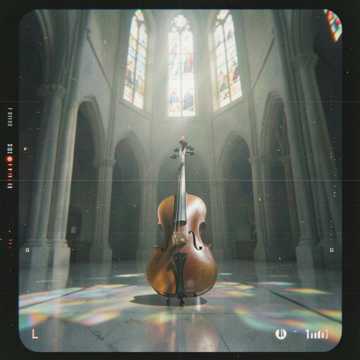
Requiem
A solitary cello mourns in a vast sacred space, using sustained down-bows, dark vibrato, and sparse double stops to evoke grief, remembrance, mortality, and the solemn stillness of a funeral rite.
02:58
2026-08-19
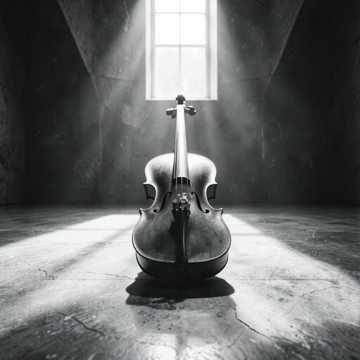
Requiem
Requiem is a solemn instrumental meditation shaped by a solitary cello. Its very slow Baroque phrasing, deep resonance, and expansive hall ambience evoke mourning, remembrance, sacred reflection, and the quiet dignity of farewell.
02:14
2026-08-19
Honor
Honor is a slow, cinematic memorial composition shaped by hesitant strings, a reflective oboe melody, low cellos, French horns, and spacious reverb. Its fragile opening gradually finds a steady pulse, evoking remembrance, dignity, grief, and enduring respect.
02:50
2026-08-17
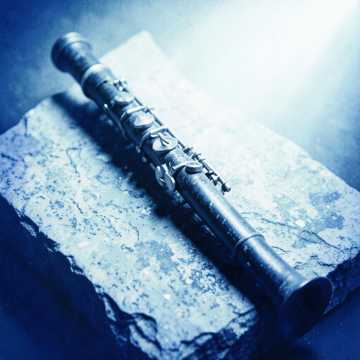
Honor
Honor is a very slow memorial composition shaped by hesitant strings that gradually find a steady pulse. A solo oboe carries the remembrance theme above low cellos, horns, contrabass, soft piano, and airy reverb, creating a dignified soundscape for mourning, reflection, and ceremonial remembrance.
02:34
2026-08-17
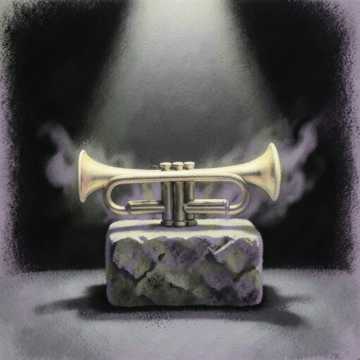
Honor
A dignified instrumental tribute shaped by mournful trumpet, restrained brass, low strings, and deep timpani. Its gradual crescendo and wordless choir evoke remembrance, ceremony, sacrifice, and collective honor, ending with a resonant last-salute cadence.
02:59
2026-08-17
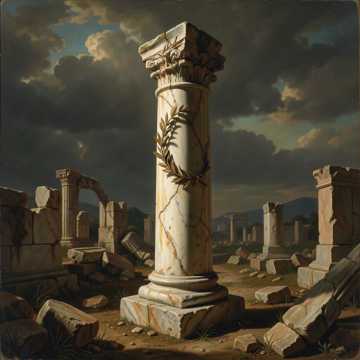
Honor
A slow, restrained orchestral elegy for the fallen. Grave minor strings, a solitary oboe, muted horns, distant timpani, and vast reverb create a noble atmosphere of remembrance, sacrifice, mourning, and timeless honor.
03:30
2026-08-16

ESTOLA CLERICAL
La canción presenta una estola clerical blanca y negra como símbolo de dos mensajes: temor ante la muerte y esperanza en el Paraíso. Mediante escenas de bodas y funerales, destaca cómo el color comunica solemnidad, consuelo y fe en Dios.
04:03
2026-08-15
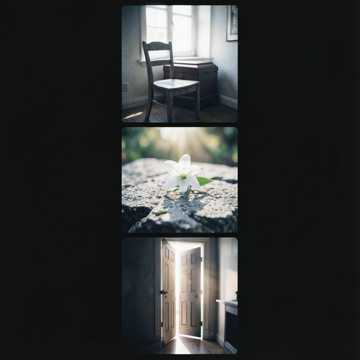
Просить прощенье надо не у трупа...
Философская баллада призывает просить прощения у близких при жизни, а не у могилы. Через образы похорон, молитвы и последнего прощания песня говорит о достоинстве, искренности, любви и продолжении душевной связи после смерти.
03:21
2026-08-10

Просить прощенье надо не у трупа...
Песня призывает просить прощения у живых, пока возможны взгляд, признание и примирение. На фоне похоронной тишины она осуждает показную скорбь, утверждая достоинство тихого прощания и веру в продолжение жизни души.
03:29
2026-08-10
Просить прощенье надо не у трупа...
Песня напоминает: просить прощения нужно у живых, пока возможны встреча, признание и любовь. На фоне похоронной тишины герой призывает сдержанно прощаться с усопшим, молиться и верить, что душа продолжает жизнь.
04:55
2026-08-10

Просить прощенье надо не у трупа...
Песня напоминает просить прощения у живых, пока возможны встреча, признание и примирение. На фоне похоронной сдержанности герой говорит о боли утраты, уважении к умершему и надежде, что душа продолжает свой путь.
02:40
2026-08-10

Просить прощенье надо не у трупа...
Сдержанная бардовская исповедь напоминает: просить прощения важно у живых, пока возможен честный взгляд и ответ. Песня осуждает показное горе, призывает к тихой молитве, любви и достойному прощанию с ушедшими.
03:23
2026-08-10
Просить прощенье надо не у трупа...
Песня напоминает: прощения следует просить у живых, пока возможен честный взгляд и разговор. На фоне похоронной скорби звучит призыв к сдержанному прощанию, любви к близким и вере в продолжение духовной жизни.
03:29
2026-08-09

Просить прощенье надо не у трупа...
Песня напоминает просить прощения у живых, пока еще возможны честный разговор и примирение. Через образы похорон, молитвы и памяти она призывает прощаться с близкими тихо, искренне и достойно, веря в продолжение души.
03:42
2026-08-09

Kasso Valerie
Cette ballade gospel française rend un hommage profond à Kasso Valerie. À travers des prières, des souvenirs de bonté et un message d'espérance, elle transforme le deuil en une célébration de la foi, de l'amour familial et de la vie éternelle.
05:02
2026-07-27

Repose en paix Kasso
Une ballade gospel française empreinte de foi et de recueillement, rendant hommage à Kasso Valerie. Le morceau évoque la souffrance, le deuil, l'amour familial et l'espérance en la vie éternelle à travers une interprétation douce et lumineuse.
05:34
2026-07-27

S323
A slow, heartbreaking instrumental journey in D minor, unfolding through delicate melodic dialogues between piano, guitar, harp, dulcimer and handpan, creating an intimate requiem filled with grief, reflection and quiet emotional release.
04:19
2026-07-23

Hhhhhhhhh
An instrumental funeral doom metal composition blending crushing drop F riffs with a full dark orchestral symphony. Slow, progressive pacing creates an immersive, cinematic atmosphere filled with melancholy, grandeur, and emotional weight.
05:10
2026-07-23

Black Bell Oath
A doomed traveler accepts an inescapable fate as mournful bells, fractured faith, and family memories accompany his final passage through a bleak medieval landscape toward death and remembrance.
05:15
2026-07-19

Ashes on the Veil
A dark gothic metal elegy portraying a mourner haunted by the memory of a lost love. Through funeral imagery, symphonic grandeur, and the contrast of harsh and clean vocals, the song transforms grief into a powerful, emotional requiem.
05:20
2026-07-18
Introduction to the Funeral Music Genre
Funeral music, often referred to as Funeral Doom, is a subgenre of doom metal known for its slow tempos, mournful melodies, and melancholic atmosphere. It emerged in the early 1990s as a darker, more atmospheric extension of traditional doom metal. The genre typically features lengthy compositions with sparse instrumentation, heavy use of reverb, and deeply resonant vocals, often exploring themes of death, grief, and despair. The origins of Funeral Doom can be traced back to bands like Thergothon and Skepticism, who laid the groundwork for the genre's distinct sound.
Sub-tags and Classifications within the Funeral Music Genre
Traditional Funeral Doom
Traditional Funeral Doom is characterized by its extremely slow tempo, minimalistic approach, and heavy atmosphere. It often features deep, growling vocals, thick, droning guitar riffs, and the use of keyboards or organs to enhance the somber mood. This style is heavily influenced by the early pioneers of the genre and remains true to its roots.
Funeral Doom with Classical Elements
This sub-genre incorporates classical music elements into the Funeral Doom framework. It often includes orchestral arrangements, operatic vocals, and the use of classical instruments like piano, strings, and woodwinds. The fusion of these elements creates a more refined and grandiose atmosphere while maintaining the core melancholic essence of Funeral Doom.
Atmospheric Funeral Doom
Atmospheric Funeral Doom emphasizes creating an immersive and expansive soundscape. This sub-genre often incorporates ambient music influences, with extended instrumental passages, layered textures, and a focus on creating a deep, immersive atmosphere. The mood is typically bleak and introspective, often evoking feelings of solitude and despair.
Funeral Drone
Funeral Drone is a minimalistic and experimental offshoot of Funeral Doom that focuses on the use of sustained, droning tones and an almost complete absence of rhythm. The compositions are often very long, with little to no traditional structure, and aim to evoke a meditative or trance-like state in the listener. This sub-genre is characterized by its extreme slowness and emphasis on atmosphere over melody.
Famous Artists and Works in the Funeral Music Genre
Thergothon
Thergothon is often credited as one of the founding bands of Funeral Doom. Their 1994 album 'Stream from the Heavens' is considered a seminal work in the genre, establishing the slow, mournful, and atmospheric sound that would define Funeral Doom.
Stream from the Heavens by Thergothon
This album is often regarded as the blueprint for the Funeral Doom genre. With its slow, dirge-like compositions, deep growls, and ethereal atmosphere, 'Stream from the Heavens' set the standard for what Funeral Doom would become. The album's use of reverb and minimalistic instrumentation creates a sense of vast, desolate space, perfectly complementing its themes of cosmic despair.
Skepticism
Skepticism is another pioneering band in the Funeral Doom genre, known for their unique use of keyboards and organs to create a haunting, cathedral-like atmosphere. Their 1995 album 'Stormcrowfleet' is a landmark in the genre, known for its deep, resonant soundscapes and profound emotional impact.
Stormcrowfleet by Skepticism
'Stormcrowfleet' is a key work in the Funeral Doom genre, known for its use of pipe organs and its deeply resonant, almost liturgical atmosphere. The album's slow, heavy riffs and mournful melodies are complemented by the haunting, echoing vocals, creating a sense of solemnity and gravitas. It is a defining example of how Funeral Doom can evoke both beauty and sorrow simultaneously.
Ahab
Ahab is a German band known for blending Funeral Doom with themes of maritime folklore and literature. Their 2006 album 'The Call of the Wretched Sea' is a concept album based on Herman Melville's 'Moby-Dick,' and it showcases the band's ability to create immersive, oceanic soundscapes while maintaining the core elements of Funeral Doom.
The Call of the Wretched Sea by Ahab
This album is a concept work that combines the slow, crushing weight of Funeral Doom with the expansive, nautical themes of Herman Melville's 'Moby-Dick.' The music is as vast and unforgiving as the ocean itself, with massive, rumbling riffs, deep, guttural vocals, and a pervasive sense of doom. It stands out for its unique thematic focus and its ability to transport the listener into a world of maritime horror and tragedy.
Esoteric
Esoteric is a British band that has pushed the boundaries of Funeral Doom with their complex and avant-garde compositions. Their music often features layered, dissonant guitar work, abstract lyrical themes, and a mix of growled and clean vocals. Their 1997 album 'The Pernicious Enigma' is a sprawling, challenging work that has become a cult classic within the genre.
The Pernicious Enigma by Esoteric
'The Pernicious Enigma' is a challenging and ambitious double album that pushes the boundaries of what Funeral Doom can be. The album's complex structures, dissonant harmonies, and experimental sound design make it a dense and often difficult listen, but one that is highly rewarding for those who appreciate its depth. It is a work that explores the darker corners of the human psyche, with music that is as unsettling as it is profound.
Application Scenarios for Funeral Music
Funeral music is often used in movie soundtracks to underscore scenes of grief, loss, or existential despair. Its slow tempos and heavy, resonant sound can create a powerful emotional impact, making it ideal for scenes that require a deep, melancholic atmosphere. Films that explore dark or tragic themes frequently utilize Funeral music to heighten the emotional weight of key moments.
Movie Soundtracks
In video games, Funeral music is commonly used to set the tone for particularly somber or ominous environments. It is often employed in horror games or those with dark, gothic themes, where the music's heavy, oppressive atmosphere can enhance the player's sense of unease and immersion. The slow, deliberate pace of the music helps to build tension and a sense of impending doom.
Video Game Background Music
Funeral music is sometimes used in art installations and exhibitions that deal with themes of mortality, mourning, and the human condition. Its meditative, contemplative qualities make it well-suited for settings where viewers are encouraged to reflect on deeper existential questions. The music can serve as both a backdrop and a focal point, guiding the emotional and intellectual experience of the audience.
Art Installations and Exhibitions